
Air fryer frozen vegetables have quickly become a go-to option for home cooks seeking convenience, nutrition, and bold flavors in a short time.
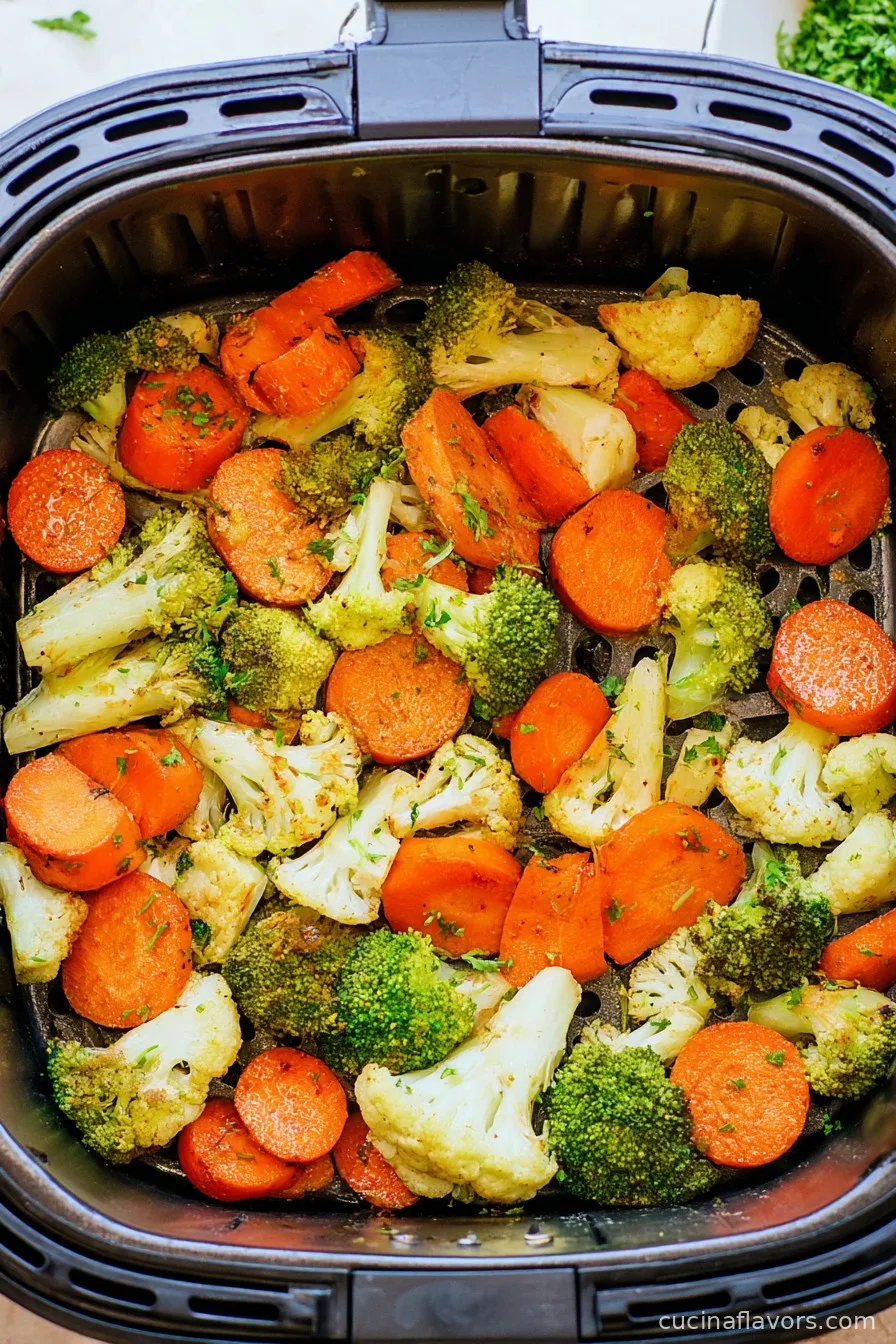
With busy lifestyles demanding quick meal solutions, the ability to transform a bag of frozen vegetables into a crispy, vibrant side dish or main course has revolutionized healthy eating.
Air fryers, originally introduced as countertop convection ovens, have soared in popularity over the last decade due to their promise of delivering crispy, fried textures with a fraction of the oil. When paired with frozen vegetables, this innovative kitchen gadget transforms simplicity into culinary excellence.
Using an air fryer to prepare frozen vegetables not only saves precious prep time, skipping washing and chopping, but also helps retain nutrients often lost in traditional stovetop boiling. This method unlocks a golden, caramelized exterior that rivals oven roasting, but in just a matter of minutes.
Common keywords related to this modern method include "healthy air fryer vegetables," "quick frozen vegetable side dish," and "crispy air fryer preparations." Tracing the brief history, frozen vegetables were introduced in the 1930s as part of an effort to preserve the freshness of produce.
Over time, with the emergence of processed foods, these frozen medleys became a fixture in pantries around the world.
Now, equipped with air fryers, home cooks can take those same vegetables and elevate their flavor and texture effortlessly, making air fryer frozen vegetables the star of healthy weeknight dinners or quick snacks.
Ingredients
- 1 bag (16-24 oz) mixed frozen vegetables (such as broccoli, cauliflower, carrots, or green beans)
- 1-2 tablespoons olive oil or avocado oil
- ½ teaspoon kosher salt
- ½ teaspoon black pepper
- ½ teaspoon garlic powder
- ¼ teaspoon smoked paprika (optional)
- ¼ teaspoon onion powder (optional)
- Fresh herbs or grated Parmesan for garnish (optional)
Instructions
- Preheat the air fryer to 400°F (200°C) for 3-5 minutes.
- Pour the frozen vegetables directly into a large mixing bowl (do not thaw).
- Drizzle olive oil over the vegetables. Sprinkle with salt, pepper, garlic powder, smoked paprika, and onion powder. Toss until evenly coated.
- Arrange the seasoned frozen vegetables in a single layer in the air fryer basket. Avoid overcrowding for even cooking. Cook in batches if necessary.
- Air fry for 10-15 minutes, shaking the basket or stirring halfway through to ensure even crisping.
- Check for doneness; vegetables should be golden and crisp-tender. For extra crispiness, add 1-2 more minutes.
- Remove from the air fryer and transfer to a serving dish.
- Garnish with fresh herbs or grated Parmesan cheese if desired. Serve immediately.
Nutritional Information
Air fryer frozen vegetables offer a nutritious addition to any meal, delivering both convenience and robust health benefits. A typical serving (about 1 cup) contains an average of 60 calories, depending on the vegetable mix and amount of oil used.
With minimal added fat—typically just a tablespoon or two per entire batch—these vegetables remain low in saturated fat and cholesterol. Fiber content is high, contributing to better digestion and prolonged satiety, which can assist with weight management.
The micronutrient profile is impressive: Vitamin C, vitamin A, potassium, and folate are commonly found in significant quantities, supporting everything from immune function to cardiovascular health. Utilizing an air fryer helps retain more vitamins and minerals than boiling, where nutrients can leach into water and be lost.
Additionally, the healthy fat in olive or avocado oil used for seasoning enhances the absorption of fat-soluble vitamins such as A, D, E, and K. Sodium levels remain low as long as additional salt is kept to a minimum, making this preparation heart-friendly.
For those watching their carbohydrate intake, most frozen vegetable blends are diabetic-friendly. With the right seasoning, air fryer frozen vegetables deliver flavor and nutrition in each crunchy bite, making them a smart choice for family meals and healthy snacking alike.
Wine and Beverage Pairings
Pairing beverages with air fryer frozen vegetables depends on your overall meal context. For a light and invigorating option, try a chilled glass of Sauvignon Blanc or Pinot Grigio; both offer herbaceous, citrus-driven notes that complement the vegetable medley’s freshness.
If you prefer non-alcoholic options, a sparkling mineral water with a twist of lemon or herbal iced tea (like mint or chamomile) refreshes the palate and doesn’t overpower the subtle flavors of the vegetables.
For lunch or casual dinners, consider mixing up a homemade lemonade or ginger-lime soda, which brings an extra zing.
If serving alongside protein-heavy mains such as grilled chicken or salmon, a light-bodied red wine like Pinot Noir or a wheat beer pairs beautifully, rounding out the meal with balanced, complementary tastes.
Cooking Tips and Variations
To achieve perfectly crispy air fryer frozen vegetables every time, begin by ensuring your air fryer is properly preheated; this step helps vegetables start crisping immediately upon contact. Avoid overcrowding the basket—when vegetables are stacked or piled too deep, they steam rather than crisp, so cook in batches if needed.
Toss your vegetables in oil and spices before air frying, as even coating gives the most flavor and the best texture. Experiment with seasonings to match your meal: classic Italian blends, Cajun spices, or Mediterranean herbs can elevate the flavor according to your preference.
For added depth, a sprinkle of grated cheese or nutritional yeast added in the last 2 minutes enhances both taste and browning. Choose non-starchy frozen vegetables for the crispiest results—broccoli, cauliflower, green beans, Brussels sprouts, carrots, and bell peppers are top picks.
If cooking root vegetables or mixed medleys that include potatoes, you may need to add a few extra minutes to the cook time. For variety, consider finishing with lemon zest, a dash of balsamic glaze, or roasted garlic.
Remember, results may vary slightly depending on air fryer models, so keep an eye during the final few minutes to tailor crispiness and color to your liking.
With these tips and creative spice blends, your air fryer frozen vegetables will become a staple for both weeknight dinners and meal prepping throughout the week.

Serving Suggestions
Air fryer frozen vegetables are exceptionally versatile and can be served in a variety of delicious ways. As a classic side dish, simply scoop the crispy vegetables into a serving bowl and offer them alongside grilled, roasted, or baked meats and plant-based proteins.
Incorporate them into grain bowls with cooked quinoa, brown rice, or farro, topped with a dash of olive oil and your favorite dressing for a nourishing lunch or dinner.
They also make an excellent addition to salads, either warm or cold, bringing contrasting texture and vibrant color to leafy greens and legumes.
For an upgraded appetizer, serve air fryer frozen vegetables with a trio of dipping sauces such as garlic aioli, tahini dressing, or spicy yogurt dip, letting guests mix and match flavors.
If using the vegetables as a main course, plate them over creamy polenta or a smear of hummus, then finish with a sprinkle of feta, pepitas, or toasted nuts. At breakfast or brunch, mix the crispy veggies into scrambled eggs, omelets, or use them to top avocado toast.
If preparing meals in advance, air fryer frozen vegetables hold well for meal prep and can be quickly reheated to preserve crispness. With so many serving options, this simple recipe adapts easily to various cuisines and occasions, making it a reliable favorite for busy families, entertaining, or healthy weekday meals.
Health Benefits
Incorporating air fryer frozen vegetables into your diet is a strategic choice for enhancing health and wellness. Their naturally low calorie and fat content supports weight control, while their high fiber aids in digestion and supports a healthy gut microbiome.
Because frozen vegetables are typically flash-frozen at peak ripeness, they often contain equal or even higher nutrient levels compared to their fresh counterparts that may lose vitamins during transit and storage.
Regular consumption of air fryer frozen vegetables can help lower the risk of chronic illnesses such as heart disease, certain cancers, and type 2 diabetes thanks to their generous supply of vitamins, minerals, and plant-based antioxidants.
The limited use of oil in air frying (as opposed to deep frying or sautéing) reduces unhealthy fat intake while still providing the essential fatty acids your body needs to absorb vital nutrients.
Furthermore, air frying eliminates the need for added sugar and unhealthy preservatives sometimes present in processed convenience foods. For those with dietary restrictions, these vegetables are easily adapted to vegan, vegetarian, gluten-free, and dairy-free meal plans.
By making small adjustments in seasonings or garnishes, you gain nutrient diversity and flavor with each batch. Including air fryer frozen vegetables as part of your daily routine is a straightforward way to meet recommended produce servings and support long-term wellness for everyone in the family.
Frequently Asked Questions
No, there’s no need to thaw frozen vegetables before air frying. Cooking them directly from frozen results in better texture and prevents them from becoming soggy.
Ensure you do not overcrowd the air fryer basket, and always preheat your air fryer. Toss vegetables in oil and spread them in a single layer for optimal crispiness.
Yes, you can combine different vegetables, but try to use similar sizes and varieties that require similar cooking times to ensure even cooking and consistent texture.
Classic combinations like garlic powder, onion powder, smoked paprika, Italian herbs, or a simple salt and pepper blend work well. Adjust according to your taste and meal themes.
Reheat leftovers in the air fryer for 2-3 minutes at 375°F (190°C), shaking once during reheating to restore some crispiness. Microwave reheating is possible, but vegetables may become softer.
Air fryer frozen vegetables offer an unbeatable blend of convenience, nutrition, and flavor that fits effortlessly into modern kitchens. Whether you’re short on time or aiming for healthier meal choices, this simple air fryer recipe transforms basic frozen vegetables into a crispy, appetizing, and versatile side or main course. With minimal prep, endless seasoning possibilities, and broad appeal for any diet, air fryer frozen vegetables truly exemplify the best of fast, wholesome cooking. Add them to your weekly repertoire to enjoy effortless meals that nourish and satisfy—one deliciously golden bite at a time.
Ingredients
- 1 bag (16-24 oz) mixed frozen vegetables (such as broccoli, cauliflower, carrots, or green beans)
- 1-2 tablespoons olive oil or avocado oil
- ½ teaspoon kosher salt
- ½ teaspoon black pepper
- ½ teaspoon garlic powder
- ¼ teaspoon smoked paprika (optional)
- ¼ teaspoon onion powder (optional)
- Fresh herbs or grated Parmesan for garnish (optional)
Instructions
-
1Preheat the air fryer to 400°F (200°C) for 3-5 minutes.
-
2Pour the frozen vegetables directly into a large mixing bowl (do not thaw).
-
3Drizzle olive oil over the vegetables. Sprinkle with salt, pepper, garlic powder, smoked paprika, and onion powder. Toss until evenly coated.
-
4Arrange the seasoned frozen vegetables in a single layer in the air fryer basket. Avoid overcrowding for even cooking. Cook in batches if necessary.
-
5Air fry for 10-15 minutes, shaking the basket or stirring halfway through to ensure even crisping.
-
6Check for doneness; vegetables should be golden and crisp-tender. For extra crispiness, add 1-2 more minutes.
-
7Remove from the air fryer and transfer to a serving dish.
-
8Garnish with fresh herbs or grated Parmesan cheese if desired. Serve immediately.
Approximate Information for One Serving
Nutrition Disclaimers
Number of total servings shown is approximate. Actual number of servings will depend on your preferred portion sizes.
Nutritional values shown are general guidelines and reflect information for 1 serving using the ingredients listed, not including any optional ingredients. Actual macros may vary slightly depending on specific brands and types of ingredients used.
To determine the weight of one serving, prepare the recipe as instructed. Weigh the finished recipe, then divide the weight of the finished recipe (not including the weight of the container the food is in) by the desired number of servings. Result will be the weight of one serving.
Did you make this recipe?
Please consider Pinning it!



Leave a Reply