
Protein Pancakes (No Banana) have quickly become a favorite among fitness enthusiasts and breakfast lovers seeking a filling, nutritious meal without the addition of bananas.
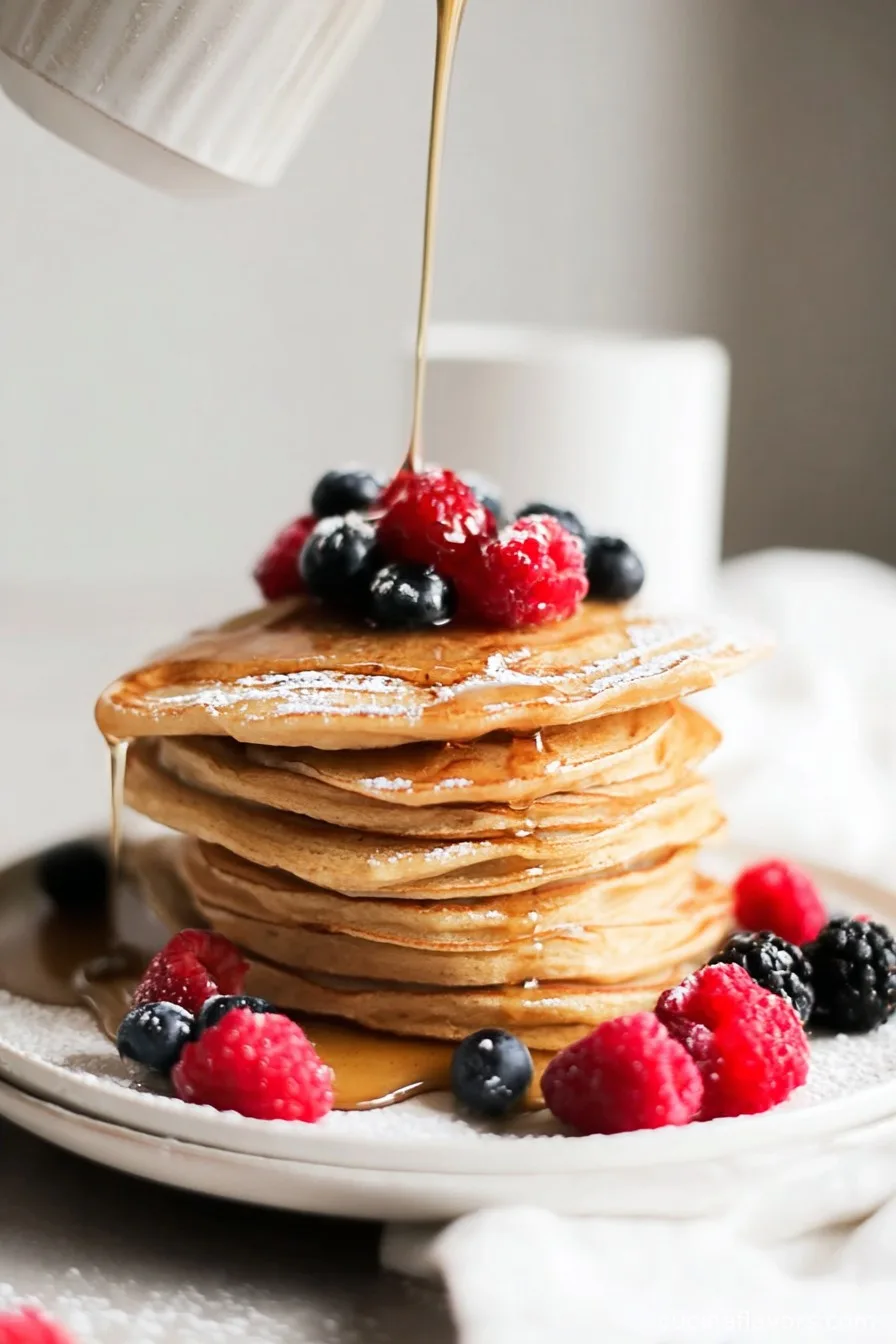
These pancakes are specially crafted for those who either don't like the taste of banana, are allergic, or simply craving a smoother, more neutral pancake flavor that allows the protein and other wholesome ingredients to shine.
Traditional pancakes, beloved the world over, have evolved in recent years to accommodate a wide variety of nutritional needs, with protein pancakes carving their own niche. Their history stems from the desire for high-protein, low-sugar breakfast options that fuel the body and keep you satisfied longer.
Skipping bananas doesn't compromise the taste or texture; in fact, it opens up new avenues to experiment with flavors and add-ins.
With ingredients like protein powder, eggs, oats, and Greek yogurt, protein pancakes (no banana) are not only easy to prepare but also versatile enough to become a staple in your healthy breakfast routine.
Whether you wish to enjoy them after a workout, as part of meal prep, or just to start your day on a nutritious note, these pancakes deliver both on taste and health.
This article will guide you through the benefits, the easy, step-by-step process, and the best ways to enjoy protein pancakes (no banana), ensuring a perfect stack every single time.
Ingredients
- 1 cup rolled oats (or oat flour)
- 1 scoop vanilla or unflavored protein powder
- 2 large eggs
- ½ cup Greek yogurt (plain or vanilla)
- ½ cup unsweetened almond milk (or milk of choice)
- 1 tablespoon baking powder
- 1 tablespoon honey or maple syrup (optional)
- 1 teaspoon vanilla extract
- Pinch of salt
- Cooking spray or light oil for greasing the pan
Instructions
- Add rolled oats to a blender and pulse until a fine flour forms (skip this step if using oat flour).
- To the blender, add protein powder, eggs, Greek yogurt, almond milk, baking powder, honey or maple syrup (if using), vanilla extract, and a pinch of salt.
- Blend until the mixture is smooth and no lumps remain, scraping down the sides as needed.
- Let the batter rest for 2-3 minutes to thicken slightly. If the batter is too thick, add a splash more milk.
- Preheat a nonstick skillet or griddle over medium heat and lightly grease with cooking spray or oil.
- Pour ¼ cup of batter onto the skillet for each pancake. Cook for 2-3 minutes or until bubbles appear on the surface and the edges begin to set.
- Flip each pancake carefully and cook for another 1-2 minutes until golden brown and cooked through.
- Repeat with remaining batter, greasing the pan as needed.
- Serve warm, topped with your favorite fruit, nut butter, syrup, or yogurt.
Nutritional Information
Protein Pancakes (No Banana) are a nutrient-dense breakfast option designed for those seeking a healthy blend of protein, healthy fats, and complex carbohydrates. Each serving typically offers between 20-25 grams of high-quality protein depending on the protein powder and quantity of eggs used.
Protein is key for muscle repair, recovery, and satiety, making these pancakes ideal for post-workout meals or active lifestyles. The use of oats (or oat flour) provides slow-digesting carbohydrates that help sustain energy and support digestive health through dietary fiber.
Greek yogurt not only boosts the protein content further but also supplies calcium and probiotics, beneficial for bone and gut health. Using almond milk or another plant-based milk allows these protein pancakes to be adaptable for those who are lactose intolerant.
Sweetening options such as a touch of honey or maple syrup keep added sugars to a minimum, and nutritional values can be further customized by adjusting toppings or omitting sweeteners entirely.
On average, a single serving (3 pancakes) contains about 320 calories, 25g protein, 35g carbohydrates, 7g fat, and 4g dietary fiber. Because these pancakes skip bananas, they are suitable for banana-allergic individuals without sacrificing nutrients.
Adjust your portion size and toppings based on nutritional needs for the ultimate balanced start to your day.

Wine and Beverage Pairings
Protein pancakes (no banana) pair wonderfully with a range of beverages. For a classic breakfast vibe, enjoy them alongside freshly brewed coffee or a cappuccino. If you prefer something cold, a post-workout chocolate or berry protein shake complements the pancakes' flavor and boosts total protein intake.
For those seeking a brunch treat, try a sparkling water with sliced citrus or a fresh-pressed orange juice for a vitamin C kick. Tea lovers can opt for green tea or an herbal infusion like chamomile for a soothing pairing.
If you're making an indulgent stack for the weekend, a latte or even a light sparkling wine, such as Prosecco, can elevate the experience. Non-dairy milk options like almond or oat milk served chilled also harmonize beautifully with these pancakes, making them suitable for all preferences.
Cooking Tips and Variations
Making the perfect batch of protein pancakes (no banana) is as much about technique as it is about ingredients.
To ensure fluffy, moist pancakes, allow the batter to rest for a few minutes after blending—this gives the oats time to absorb the liquid and thicken naturally, mimicking the moisture bananas would provide. If your pancakes are too dense, try adding a bit more milk for a lighter batter.
For extra flavor, add a pinch of cinnamon or a handful of blueberries or raspberries directly into the batter before cooking. You can swap Greek yogurt with cottage cheese for even higher protein content and a subtle tang.
If you're dairy-free, opt for a plant-based yogurt and a vegan protein powder to keep the recipe both dairy- and banana-free. For meal prep, cook a double batch and freeze pancakes in a single layer separated by parchment; reheat in a toaster or microwave for a quick meal.
You can also experiment with chocolate, matcha protein powder, or a teaspoon of cocoa for a decadent twist. For those watching sugar intake, opt for unsweetened protein powder and rely on toppings like fresh fruit for natural sweetness. Avoid overmixing, as this can make pancakes tough instead of tender.
Always use a nonstick skillet or a well-greased pan to ensure easy flipping and avoid sticking.

Serving Suggestions
Protein pancakes (no banana) offer endless serving possibilities suitable for breakfast, brunch, or even a healthy snack. Serve them stacked high with a dollop of Greek yogurt or whipped coconut cream, and sprinkle fresh berries or pomegranate seeds over the top for natural sweetness and a pop of color.
For added healthy fats and texture, drizzle with nut butter—almond, peanut, or cashew all work well. For those who enjoy a bit of crunch, add a scattering of toasted nuts or seeds. Classic maple syrup is always a welcome addition, but consider sugar-free syrups for a lighter touch.
Top with sliced peaches, kiwi, or even cooked apples for a seasonal twist, or go savory with a fried egg and sliced avocado for a balanced meal. For families or brunch gatherings, create a topping bar with various fruits, spreads, and nuts so everyone can customize their own stack.
These pancakes are especially satisfying straight off the griddle, but leftovers retain their taste and texture when gently reheated. To serve pancakes as a meal prep option, store them in an airtight container in the fridge and assemble with toppings right before eating.
No matter how you serve them, these pancakes make a satisfying and crowd-pleasing centerpiece to any breakfast spread.
Health Benefits
Protein pancakes (no banana) stand out as a health-conscious choice due to their thoughtful balance of macronutrients without reliance on sugary or high-GI fruits. High-quality protein from eggs, powder, and Greek yogurt supports muscle health, aids recovery, and helps keep you full for hours, reducing unhealthy snacking throughout the day.
Oats supply soluble fiber, benefiting heart health and promoting digestive function by supporting regularity. Substituting traditional flour with oat flour or blended oats makes these pancakes naturally higher in beta-glucans, compounds known for their cholesterol-lowering properties.
Omitting banana lowers overall sugar content, making these pancakes suitable for those monitoring their sugar intake or following a low-sugar, diabetic-friendly, or low-carb plan (with slight modifications). Using unsweetened almond milk keeps calories and carbs low, while probiotic-rich Greek yogurt boosts immune and gut health.
Each serving provides steady energy, essential vitamins, and minerals. Gluten-free, dairy-free, or other dietary needs can be accommodated easily with simple swaps, making this a versatile healthy recipe accessible for nearly everyone seeking a protein-packed breakfast.
Frequently Asked Questions
Yes, these pancakes are perfect for meal prep. Cook a batch, allow them to cool, and store in the fridge for up to 5 days or freeze for several weeks. Reheat in a toaster or microwave for a quick, nutritious breakfast.
Most whey, casein, or plant-based protein powders work well, with vanilla or unflavored being best for a neutral taste. Avoid powders with artificial sweeteners or excessive additives for the most natural flavor.
Absolutely. Use certified gluten-free oats or oat flour and ensure all other ingredients, such as protein powder, are also gluten-free.
You can replace Greek yogurt with cottage cheese for a similar protein content or a dairy-free yogurt alternative for those avoiding dairy. Adjust the consistency as needed with a splash more milk if using alternatives.
Using a good quality nonstick skillet and lightly greasing it before each batch is key. Allow the pan to heat up fully before adding batter and avoid moving the pancakes until they are fully set on the bottom.
Protein pancakes (no banana) prove that healthy eating never means sacrificing taste or satisfaction. Combining the punch of protein with wholesome oats and creamy yogurt, these pancakes provide the perfect blend of flavor, nutrition, and versatility for breakfast lovers and fitness enthusiasts alike. Their natural sweetness comes from high-quality ingredients, allowing you to personalize with your favorite toppings and variations. Whether enjoyed after a tough workout, as part of a family breakfast, or as a grab-and-go snack, these pancakes are nutritious, filling, and truly delicious. Make them part of your regular rotation for a balanced, energizing start to any day.
Ingredients
- 1 cup rolled oats (or oat flour)
- 1 scoop vanilla or unflavored protein powder
- 2 large eggs
- ½ cup Greek yogurt (plain or vanilla)
- ½ cup unsweetened almond milk (or milk of choice)
- 1 tablespoon baking powder
- 1 tablespoon honey or maple syrup (optional)
- 1 teaspoon vanilla extract
- Pinch of salt
- Cooking spray or light oil for greasing the pan
Instructions
-
1Add rolled oats to a blender and pulse until a fine flour forms (skip this step if using oat flour).
-
2To the blender, add protein powder, eggs, Greek yogurt, almond milk, baking powder, honey or maple syrup (if using), vanilla extract, and a pinch of salt.
-
3Blend until the mixture is smooth and no lumps remain, scraping down the sides as needed.
-
4Let the batter rest for 2-3 minutes to thicken slightly. If the batter is too thick, add a splash more milk.
-
5Preheat a nonstick skillet or griddle over medium heat and lightly grease with cooking spray or oil.
-
6Pour ¼ cup of batter onto the skillet for each pancake. Cook for 2-3 minutes or until bubbles appear on the surface and the edges begin to set.
-
7Flip each pancake carefully and cook for another 1-2 minutes until golden brown and cooked through.
-
8Repeat with remaining batter, greasing the pan as needed.
-
9Serve warm, topped with your favorite fruit, nut butter, syrup, or yogurt.
Approximate Information for One Serving
Nutrition Disclaimers
Number of total servings shown is approximate. Actual number of servings will depend on your preferred portion sizes.
Nutritional values shown are general guidelines and reflect information for 1 serving using the ingredients listed, not including any optional ingredients. Actual macros may vary slightly depending on specific brands and types of ingredients used.
To determine the weight of one serving, prepare the recipe as instructed. Weigh the finished recipe, then divide the weight of the finished recipe (not including the weight of the container the food is in) by the desired number of servings. Result will be the weight of one serving.
Did you make this recipe?
Please consider Pinning it!
Leave a Reply