
Sesame Chicken is a beloved Asian-inspired dish that has found its way onto the menus of countless Chinese restaurants worldwide. This delectable entrée is characterized by its perfectly crispy, golden-brown chicken bites, coated in a luscious, sweet, and savory sauce finished with toasted sesame seeds.
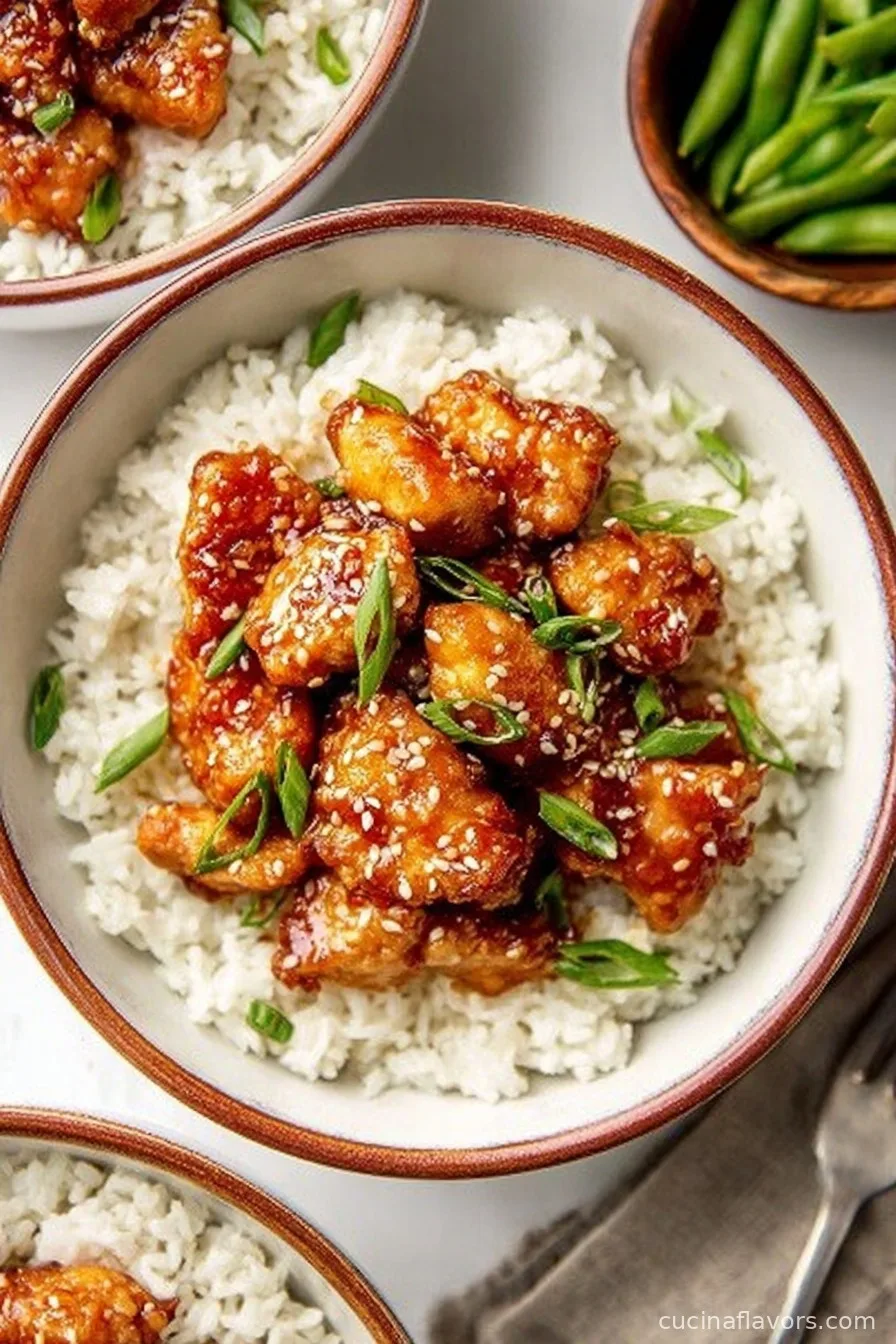
The combination of textures and flavors has made Sesame Chicken a perennial favorite for those seeking a satisfying meal that delivers comfort and excitement in every bite.
Originating from North American Chinese cuisine, Sesame Chicken was influenced by classic Chinese techniques such as deep frying and glazing with a robust sauce, yet it adapted to local palates by incorporating more sweetness and a more pronounced sesame flavor.
The focus keyphrase ‘Sesame Chicken’ encapsulates the essence of this dish—tender chicken, rich with nutty sesame notes and a glossy sauce that clings to each piece.
Whether served over a bed of fluffy steamed rice or alongside stir-fried vegetables, Sesame Chicken continues to be a staple in both takeout orders and home kitchens.
In this comprehensive guide, you’ll learn how to make restaurant-quality Sesame Chicken with step-by-step instructions, pro cooking tips, nutritional information, and the best ways to serve and enjoy this mouthwatering dish at home.
Ingredients
- 1 ½ pounds boneless, skinless chicken breasts or thighs, cut into 1-inch cubes
- ½ cup cornstarch
- ½ cup all-purpose flour
- 2 large eggs
- ½ teaspoon salt
- ½ teaspoon black pepper
- ½ teaspoon garlic powder
- ½ teaspoon onion powder
- Vegetable oil, for frying
- 1 tablespoon toasted sesame seeds
- 2 green onions, sliced for garnish
- For the Sauce:
- ⅓ cup low-sodium soy sauce
- ¼ cup honey
- ¼ cup brown sugar
- ¼ cup rice vinegar
- 2 tablespoons ketchup
- 1 tablespoon toasted sesame oil
- 2 cloves garlic, minced
- 1 tablespoon cornstarch mixed with 2 tablespoons water (slurry)
Instructions
- Pat the chicken pieces dry with paper towels and place them in a large bowl.
- Season the chicken with salt, pepper, garlic powder, and onion powder, tossing well to coat.
- In a separate shallow bowl, whisk the eggs. In another bowl, combine the cornstarch and flour.
- Dip each piece of chicken in the egg, then dredge it in the cornstarch-flour mixture, ensuring even coating.
- Heat about 2 inches of vegetable oil in a heavy skillet or wok over medium-high heat until hot (350°F or 175°C).
- Working in batches, carefully add the coated chicken pieces to the hot oil. Fry for about 3–4 minutes per batch, turning occasionally, until the chicken is golden and cooked through.
- Transfer fried chicken to a plate lined with paper towels to drain excess oil. Repeat until all chicken is cooked.
- For the sauce, combine soy sauce, honey, brown sugar, rice vinegar, ketchup, sesame oil, and minced garlic in a small saucepan over medium heat. Bring to a simmer.
- Whisk the cornstarch slurry into the simmering sauce, stirring constantly until the sauce thickens and becomes glossy, about 2–3 minutes.
- Add the crispy chicken to a large bowl or wok, pour the thickened sauce over the chicken, and toss until all pieces are coated.
- Sprinkle with toasted sesame seeds and sliced green onions for garnish.
- Serve immediately, ideally with steamed rice or your favorite sides.
Nutritional Information
Sesame Chicken, while a delicious main course, is also notable for its nutritional profile. A typical serving (about 1 cup) of homemade Sesame Chicken contains approximately 350-450 calories, depending on the portion size and exact ingredients used.
The dish offers a generous amount of protein from the chicken, typically around 22-25 grams per serving. However, because the chicken is deep-fried, the fat content per serving can be as high as 15-18 grams, with saturated fats contributing less than 5 grams.
The sauce, made primarily from soy sauce, honey, brown sugar, and sesame oil, provides a significant amount of carbohydrates—about 35-40 grams per serving—primarily from sugars added for the characteristic glaze.
Sodium levels can be elevated due to the use of soy sauce; opting for low-sodium soy sauce can help reduce this. The addition of sesame seeds offers a modest boost in healthy fats, specifically omega-6 fatty acids, and essential minerals such as copper, manganese, and calcium.
For a more balanced meal, pairing Sesame Chicken with steamed vegetables or brown rice is recommended to add fiber and additional micronutrients. Moderation is key, as Sesame Chicken is high in flavor and enjoys a savory-sweet richness that is best savored when included within a varied and balanced diet.

Wine and Beverage Pairings
Sesame Chicken pairs wonderfully with a variety of beverages, both alcoholic and non-alcoholic. For wine lovers, a slightly off-dry Riesling or Gewürztraminer complements the dish’s sweet-savory sauce and balances its richness with bright acidity. If you prefer beer, a crisp lager or light wheat beer provides a refreshing counterpoint.
For non-alcoholic options, consider chilled jasmine tea, sparkling water with lemon, or a homemade iced green tea, all of which help cleanse the palate and highlight the delicate sesame notes in the sauce.
Cooking Tips and Variations
Cooking perfect Sesame Chicken at home involves a few key techniques. To ensure your chicken remains juicy inside and crispy outside, always pat the chicken dry before battering. The flour and cornstarch combination offers an extra-crispy crust—cornstarch is essential for that shatteringly crisp exterior typical of restaurant versions.
Avoid overcrowding the oil during frying; too many pieces at once will lower the temperature and leave the chicken greasy rather than crisp.
For a healthier version, you can bake the coated chicken at 400°F (200°C) for about 22-25 minutes, or air fry at 380°F (190°C) for 16-18 minutes, turning halfway. Both methods greatly reduce the oil content while keeping the chicken crispy.
The sauce should be cooked just until glossy and thickened to prevent it from becoming overly sticky or burning. For extra depth of flavor, a small amount of grated ginger or a dash of chili flakes can be added to the sauce for a mild, aromatic heat.
If you prefer a lighter, less sweet sauce, reduce the honey and brown sugar slightly. Variations of Sesame Chicken include using shrimp or tofu instead of chicken for different dietary needs, or adding vegetables like broccoli or bell peppers for increased nutrition and color.
Leftovers store well in the refrigerator for up to three days; simply reheat in a skillet to re-crisp the coating before serving.

Serving Suggestions
To best enjoy Sesame Chicken, consider serving it with simple accompaniments that allow the flavors of the dish to shine. Steamed jasmine or long-grain white rice remains the classic pairing, providing a neutral base that absorbs the delicious sauce.
For a healthier twist, brown rice or cauliflower rice are excellent alternatives. Sesame Chicken also pairs beautifully with steamed or stir-fried vegetables such as broccoli, snow peas, or baby bok choy—these additions provide vibrant color, texture contrast, and nutritional balance.
Family-style serving is a great way to enjoy this meal: arrange the crispy, saucy chicken on a large platter, sprinkle with extra sesame seeds and green onions, and allow guests to serve themselves alongside bowls of rice and vegetables.
For a more elevated presentation at dinner parties, use individual plates with a neatly shaped dome of rice, a portion of Sesame Chicken beside it, and a scattering of bright vegetable garnishes.
You can even use the chicken as a filling for lettuce wraps, pairing the warm protein with cool, crisp lettuce leaves for a refreshing appetizer or light meal. Don’t forget to drizzle any extra sauce over both the chicken and rice for maximum enjoyment.
Whether served for a busy weeknight dinner or as the centerpiece for a festive gathering, Sesame Chicken adapts well to any occasion.
Health Benefits
While Sesame Chicken is undeniably flavorful and satisfying, there are several ways to incorporate healthful elements into your meal. Using chicken breast reduces overall fat content compared to thighs, while opting for lean frying methods or baking can further cut down on calories and oil.
Sesame seeds, though used in modest amounts, are a good source of healthy fats, antioxidants, vitamins, and minerals such as vitamin E, magnesium, and calcium. The sauce, while sweet, can be adjusted; reducing the amounts of honey and sugar will decrease the glycemic load without compromising flavor.
Including vegetables alongside Sesame Chicken elevates fiber and micronutrient content, aiding in digestion and providing greater satiety. Using low-sodium soy sauce helps manage sodium intake, making the dish more suitable for individuals mindful of their blood pressure.
Overall, when enjoyed in moderation and paired with plenty of vegetables, Sesame Chicken can be part of a varied and wholesome diet. Adapting the recipe to suit individual dietary needs, such as gluten-free soy sauce or liquid aminos for gluten sensitivities, ensures everyone can savor this delicious meal.
Frequently Asked Questions
Yes, instead of deep frying, you can bake the chicken in a preheated oven at 400°F (200°C) for 22-25 minutes, or use an air fryer at 380°F (190°C) for 16-18 minutes, turning halfway. Both methods yield crispy results with much less oil.
Absolutely. Chicken thighs offer a juicier, more flavorful result due to their higher fat content. Both boneless, skinless thighs and breasts work well in this recipe, so choose according to your personal preference.
Sesame Chicken can be made gluten-free by using gluten-free flour and cornstarch for the coating, and tamari or a certified gluten-free soy sauce for the sauce. Always check ingredient labels if you have gluten sensitivities.
Store leftover Sesame Chicken in an airtight container in the refrigerator for up to three days. For the best texture, reheat in a skillet over medium heat until the chicken is warmed through and the coating regains some of its crispness.
Yes, you can prepare the sesame sauce in advance and store it in an airtight container in the refrigerator for up to four days. Reheat gently in a saucepan before tossing with freshly cooked chicken.
Sesame Chicken stands as a culinary favorite known for its irresistible combination of sweet, savory, and nutty flavors paired with crispy, tender chicken. This classic dish captures the spirit of comfort food while remaining versatile enough to suit a range of dietary preferences and occasions. By following this homemade Sesame Chicken recipe, you unlock the secret to a restaurant-worthy meal filled with rich flavors and delightful textures right in your own kitchen. Adapt the recipe with healthier options or creative vegetable additions to personalize your dish. Serve with your favorite rice and sides, and enjoy a memorable dining experience that's sure to satisfy family and friends alike. Happy cooking!
Ingredients
- 1 ½ pounds boneless, skinless chicken breasts or thighs, cut into 1-inch cubes
- ½ cup cornstarch
- ½ cup all-purpose flour
- 2 large eggs
- ½ teaspoon salt
- ½ teaspoon black pepper
- ½ teaspoon garlic powder
- ½ teaspoon onion powder
- Vegetable oil, for frying
- 1 tablespoon toasted sesame seeds
- 2 green onions, sliced for garnish
- For the Sauce:
- ⅓ cup low-sodium soy sauce
- ¼ cup honey
- ¼ cup brown sugar
- ¼ cup rice vinegar
- 2 tablespoons ketchup
- 1 tablespoon toasted sesame oil
- 2 cloves garlic, minced
- 1 tablespoon cornstarch mixed with 2 tablespoons water (slurry)
Instructions
-
1Pat the chicken pieces dry with paper towels and place them in a large bowl.
-
2Season the chicken with salt, pepper, garlic powder, and onion powder, tossing well to coat.
-
3In a separate shallow bowl, whisk the eggs. In another bowl, combine the cornstarch and flour.
-
4Dip each piece of chicken in the egg, then dredge it in the cornstarch-flour mixture, ensuring even coating.
-
5Heat about 2 inches of vegetable oil in a heavy skillet or wok over medium-high heat until hot (350°F or 175°C).
-
6Working in batches, carefully add the coated chicken pieces to the hot oil. Fry for about 3–4 minutes per batch, turning occasionally, until the chicken is golden and cooked through.
-
7Transfer fried chicken to a plate lined with paper towels to drain excess oil. Repeat until all chicken is cooked.
-
8For the sauce, combine soy sauce, honey, brown sugar, rice vinegar, ketchup, sesame oil, and minced garlic in a small saucepan over medium heat. Bring to a simmer.
-
9Whisk the cornstarch slurry into the simmering sauce, stirring constantly until the sauce thickens and becomes glossy, about 2–3 minutes.
-
10Add the crispy chicken to a large bowl or wok, pour the thickened sauce over the chicken, and toss until all pieces are coated.
-
11Sprinkle with toasted sesame seeds and sliced green onions for garnish.
-
12Serve immediately, ideally with steamed rice or your favorite sides.
Approximate Information for One Serving
Nutrition Disclaimers
Number of total servings shown is approximate. Actual number of servings will depend on your preferred portion sizes.
Nutritional values shown are general guidelines and reflect information for 1 serving using the ingredients listed, not including any optional ingredients. Actual macros may vary slightly depending on specific brands and types of ingredients used.
To determine the weight of one serving, prepare the recipe as instructed. Weigh the finished recipe, then divide the weight of the finished recipe (not including the weight of the container the food is in) by the desired number of servings. Result will be the weight of one serving.
Did you make this recipe?
Please consider Pinning it!
Leave a Reply