
Thai Sweet Potato Red Curry is a vibrant, comforting dish that brings together the bold flavors of Thai cuisine with the natural sweetness of sweet potatoes.
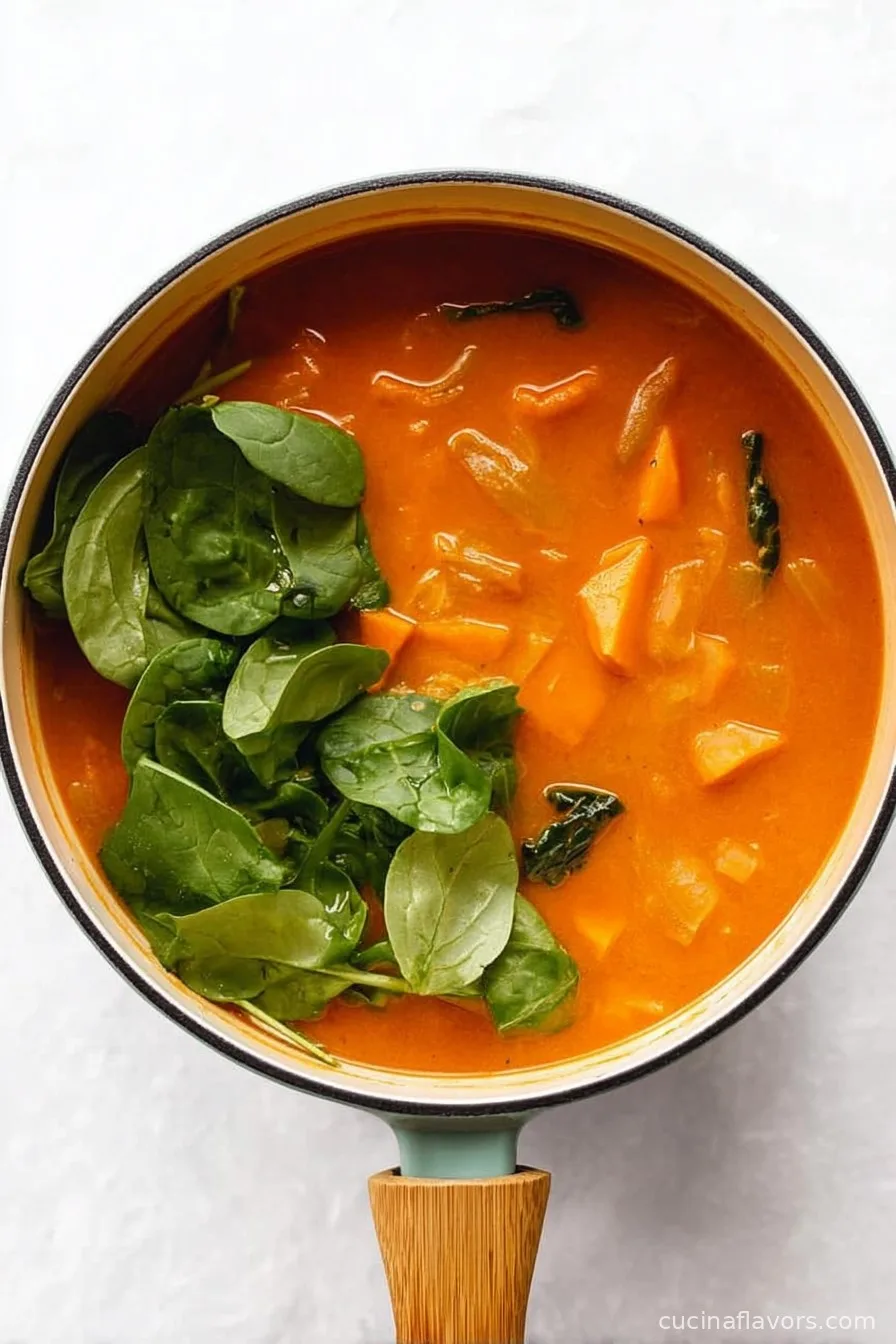
Traditionally known for its fragrant blend of spices and creamy coconut base, Thai Red Curry has been adapted across the world, delighting both vegetarians and meat-eaters alike.
By adding sweet potatoes, this dish gains a velvety texture and a subtle sweetness that perfectly balances the heat and depth of the red curry paste.
Over the years, Thai curries have become renowned for their enticing aroma and irresistible taste, drawing on fresh herbs like lemongrass, galangal, and kaffir lime, as well as signature ingredients such as coconut milk and fish sauce.
Sweet potatoes, native to Central and South America, have become a popular ingredient in modern Thai curry recipes, offering extra nutrients and an earthy flavor that pairs beautifully with Thai spices.
This Thai Sweet Potato Red Curry recipe provides a comforting, plant-based meal that is both nourishing and satisfying, seamlessly uniting the best of Thai culinary tradition with contemporary, health-focused cuisine.
Whether you are looking for a quick weeknight dinner or a dish to impress guests, Thai Sweet Potato Red Curry is an excellent choice for anyone craving a burst of exotic flavors with wholesome, natural ingredients.
Ingredients
- 2 large sweet potatoes, peeled and diced into 1-inch cubes
- 1 tablespoon vegetable oil
- 1 onion, finely chopped
- 3 cloves garlic, minced
- 1 tablespoon fresh ginger, grated
- 2-3 tablespoons Thai red curry paste (adjust to preferred spice level)
- 1 red bell pepper, sliced
- 1 yellow bell pepper, sliced
- 1 carrot, thinly sliced
- 400 ml (14 oz) coconut milk
- 1 cup vegetable broth
- 1 tablespoon soy sauce
- 1 tablespoon brown sugar
- 1 tablespoon lime juice
- 1 cup snap peas
- 1 can (400g) chickpeas, drained and rinsed
- A handful of fresh Thai basil leaves (or regular basil)
- 2 kaffir lime leaves, optional
- Salt and pepper to taste
- Cooked jasmine rice, for serving
- Fresh cilantro, for garnish
- Lime wedges, for serving
Instructions
- Heat the vegetable oil in a large pan or wok over medium heat. Add the chopped onion and sauté for 2-3 minutes until softened.
- Stir in the garlic and ginger, cooking for another minute until fragrant.
- Add the Thai red curry paste and cook for 1-2 minutes, stirring constantly, until the paste darkens slightly and releases its aroma.
- Add the diced sweet potatoes, bell peppers, and carrot. Stir well to coat the vegetables with the curry paste.
- Pour in the coconut milk and vegetable broth, stirring to combine. Add the soy sauce, brown sugar, and kaffir lime leaves (if using). Bring the mixture to a gentle boil.
- Reduce the heat to a simmer. Cover and cook for 10-15 minutes, or until the sweet potatoes are tender and easily pierced with a fork.
- Stir in the snap peas and chickpeas, and simmer for another 4-5 minutes until the snap peas are just tender but still vibrant.
- Remove from heat. Stir in the lime juice and half of the fresh basil leaves.
- Taste and season with salt and pepper as needed.
- Serve hot over steamed jasmine rice. Garnish with remaining Thai basil, fresh cilantro, and lime wedges.
Nutritional Information
A single serving of Thai Sweet Potato Red Curry (without rice) typically provides around 350-400 calories, making it a satisfying meal that doesn’t feel heavy. Sweet potatoes are rich in complex carbohydrates and dietary fiber, which help maintain steady energy levels and optimize digestive health.
This curry is completely plant-based and dairy-free, making it both vegan and suitable for lactose-intolerant diners. Thanks to the coconut milk, the dish offers healthy fats that aid in the absorption of vitamins A and E from sweet potatoes and bell peppers.
Protein is supplied by the addition of chickpeas, supporting muscle repair and long-lasting satiety. The use of a variety of fresh vegetables like bell peppers, carrots, and snap peas increases the vitamin and mineral content, such as vitamins C, B6, and potassium, further boosting immune function and cellular health.
Unlike some traditional Thai curries that are loaded with sodium or fat, this recipe uses a moderate amount of oil and soy sauce for flavor, allowing you to enjoy all the authentic richness without unnecessary excess.
With each serving, you’ll benefit from robust antioxidants, dietary fiber, healthy fats, and plant-based protein, creating a balance that supports overall health and wellness for a wide range of dietary needs.
Wine and Beverage Pairings
For an authentic meal pairing, Thai Sweet Potato Red Curry shines alongside light, aromatic beverages. Crisp, off-dry white wines such as Riesling or Gewürztraminer accentuate the flavors and balance the subtle spice with floral notes. Sauvignon Blanc is another excellent choice, as its acidity refreshes the palate.
If you prefer a non-alcoholic option, Thai iced tea with its sweet, creamy profile can complement the curry beautifully. Coconut water or a sparkling limeade are also refreshing and enhance the tropical undertones of the dish.
For beer lovers, a chilled wheat beer or a subtly hoppy IPA will counter the curry’s spice without overpowering its complex flavors. Choose drinks with balanced sweetness and acidity to highlight the curry’s sweet and savory characteristics.
Cooking Tips and Variations
To achieve the most authentic taste for your Thai Sweet Potato Red Curry, always use high-quality Thai red curry paste. If you have access to an Asian grocery store, seek out brands with minimal additives or, if time allows, prepare your own paste for optimal freshness.
For a milder curry, start with just two tablespoons of paste and build gradually; if you like more heat, add extra fresh chilies or a dash of chili oil at the end. You can substitute coconut cream for part of the coconut milk if you prefer a thicker, richer sauce.
For protein variations, tofu, tempeh, or even chicken are excellent choices if you do not require the dish to be vegan. Vegetables are highly adaptable: add green beans, zucchini, broccoli, or baby corn for more variety, or adjust based on what’s in season.
When cooking the sweet potatoes, avoid overcooking as they can become too soft and break apart; you want tender yet distinct cubes for the best presentation. For extra depth of flavor, add a splash of fish sauce (if non-vegan) or a vegetarian alternative.
Finally, garnish generously—herbs like Thai basil and cilantro, a squeeze of lime, and even a sprinkle of toasted peanuts will elevate both the look and taste of your curry.

Serving Suggestions
Thai Sweet Potato Red Curry makes a striking centerpiece for both casual family dinners and elegant gatherings. Serve the curry piping hot over a generous bed of steamed jasmine rice or brown rice if you prefer a nuttier flavor and additional fiber.
For an elevated presentation, garnish each bowl with fresh Thai basil, chopped cilantro, and a wedge of lime to brighten up the flavors. Sprinkle with roasted peanuts or cashews for a delightful crunch.
Offer small side dishes of sliced red chilies or chili flakes for guests who enjoy an additional kick. You can serve the curry in large communal bowls in the center of the table, accompanied by multiple rice options or even some freshly baked naan or roti for dipping.
For a complete meal, pair with a crisp cucumber salad dressed in rice vinegar and a simple mango dessert to round off the experience.
If you’re preparing this dish for a potluck or large group, the curry can be made ahead and reheated, allowing the flavors to deepen further over time. Serve with extra lime wedges and herbs on the side so everyone can customize their bowl to taste.
Health Benefits
This vegan Thai Sweet Potato Red Curry is a powerhouse of nutrients while being delightfully satisfying. Sweet potatoes are rich in beta-carotene, an antioxidant that supports eye health, boosts immunity, and provides a source of vitamin A.
The use of coconut milk delivers lauric acid, which has been associated with improved cholesterol profiles and heart health. The chickpeas contribute plant-based protein and fiber, aiding in muscle maintenance, blood sugar control, and digestive regularity.
The inclusion of a variety of vegetables such as bell peppers, carrots, and snap peas maximizes vitamin and mineral intake while keeping the dish low in calories and saturated fat.
Regular consumption of meals like this curry can assist in reducing the risk of chronic illness due to the synergistic effect of antioxidants and anti-inflammatory compounds.
Thanks to the lack of animal-derived ingredients and minimal use of processed foods, this curry aligns with a balanced, wholesome eating plan and is suitable for vegetarians and vegans.
The natural sweetness helps curb cravings for overly processed desserts, making it perfect for those interested in maintaining overall physical wellness while still enjoying rich, global flavors.
Frequently Asked Questions
Absolutely! This curry tastes even better after the flavors have had time to meld. Store in an airtight container in the refrigerator for up to 3 days. Reheat gently before serving.
Yes, this recipe is naturally gluten-free as written. Just ensure that your soy sauce or tamari and curry paste are certified gluten-free if you have dietary restrictions.
Yes, Thai Sweet Potato Red Curry freezes well. Allow it to cool completely, transfer to freezer-safe containers, and freeze for up to 2 months. Thaw overnight in the fridge and reheat gently.
If you prefer a lighter curry, substitute coconut milk with canned light coconut milk or a mix of plant-based milk and a splash of coconut cream for flavor. However, the curry will lose some of its classic richness.
Start with less red curry paste and gradually add more until you reach your desired heat. Balance spiciness by adding a little extra coconut milk or a touch of sugar.
Thai Sweet Potato Red Curry is a celebration of flavor, nutrition, and culinary tradition. With its rich coconut base, fragrant spices, and nourishing sweet potatoes, this vegan curry offers a perfect blend of sweet, spicy, and savory notes. Simple to customize and easy to prepare, it fits seamlessly into both weeknight dinners and special occasions. The versatility of the ingredients allows you to adapt the curry to your tastes and dietary needs, ensuring that each meal is both satisfying and wholesome. Impress your family and friends with this delicious, health-conscious dish that’s brimming with colors, aromas, and goodness from every ingredient. Once you try Thai Sweet Potato Red Curry, it’s sure to become a staple in your recipe collection, bridging the gap between vibrant Thai flavors and nourishing, plant-based eating.
Ingredients
- 2 large sweet potatoes, peeled and diced into 1-inch cubes
- 1 tablespoon vegetable oil
- 1 onion, finely chopped
- 3 cloves garlic, minced
- 1 tablespoon fresh ginger, grated
- 2-3 tablespoons Thai red curry paste (adjust to preferred spice level)
- 1 red bell pepper, sliced
- 1 yellow bell pepper, sliced
- 1 carrot, thinly sliced
- 400 ml (14 oz) coconut milk
- 1 cup vegetable broth
- 1 tablespoon soy sauce
- 1 tablespoon brown sugar
- 1 tablespoon lime juice
- 1 cup snap peas
- 1 can (400g) chickpeas, drained and rinsed
- A handful of fresh Thai basil leaves (or regular basil)
- 2 kaffir lime leaves, optional
- Salt and pepper to taste
- Cooked jasmine rice, for serving
- Fresh cilantro, for garnish
- Lime wedges, for serving
Instructions
-
1Heat the vegetable oil in a large pan or wok over medium heat. Add the chopped onion and sauté for 2-3 minutes until softened.
-
2Stir in the garlic and ginger, cooking for another minute until fragrant.
-
3Add the Thai red curry paste and cook for 1-2 minutes, stirring constantly, until the paste darkens slightly and releases its aroma.
-
4Add the diced sweet potatoes, bell peppers, and carrot. Stir well to coat the vegetables with the curry paste.
-
5Pour in the coconut milk and vegetable broth, stirring to combine. Add the soy sauce, brown sugar, and kaffir lime leaves (if using). Bring the mixture to a gentle boil.
-
6Reduce the heat to a simmer. Cover and cook for 10-15 minutes, or until the sweet potatoes are tender and easily pierced with a fork.
-
7Stir in the snap peas and chickpeas, and simmer for another 4-5 minutes until the snap peas are just tender but still vibrant.
-
8Remove from heat. Stir in the lime juice and half of the fresh basil leaves.
-
9Taste and season with salt and pepper as needed.
-
10Serve hot over steamed jasmine rice. Garnish with remaining Thai basil, fresh cilantro, and lime wedges.
Approximate Information for One Serving
Nutrition Disclaimers
Number of total servings shown is approximate. Actual number of servings will depend on your preferred portion sizes.
Nutritional values shown are general guidelines and reflect information for 1 serving using the ingredients listed, not including any optional ingredients. Actual macros may vary slightly depending on specific brands and types of ingredients used.
To determine the weight of one serving, prepare the recipe as instructed. Weigh the finished recipe, then divide the weight of the finished recipe (not including the weight of the container the food is in) by the desired number of servings. Result will be the weight of one serving.
Did you make this recipe?
Please consider Pinning it!




Leave a Reply