
Korean Beef Lettuce Wraps are a delightful fusion of bold flavors and wholesome ingredients that capture the essence of Korean cuisine. Known as ssambap in Korea, this dish involves wrapping savory beef and vibrant toppings inside fresh, crispy lettuce leaves, making each bite a memorable experience.
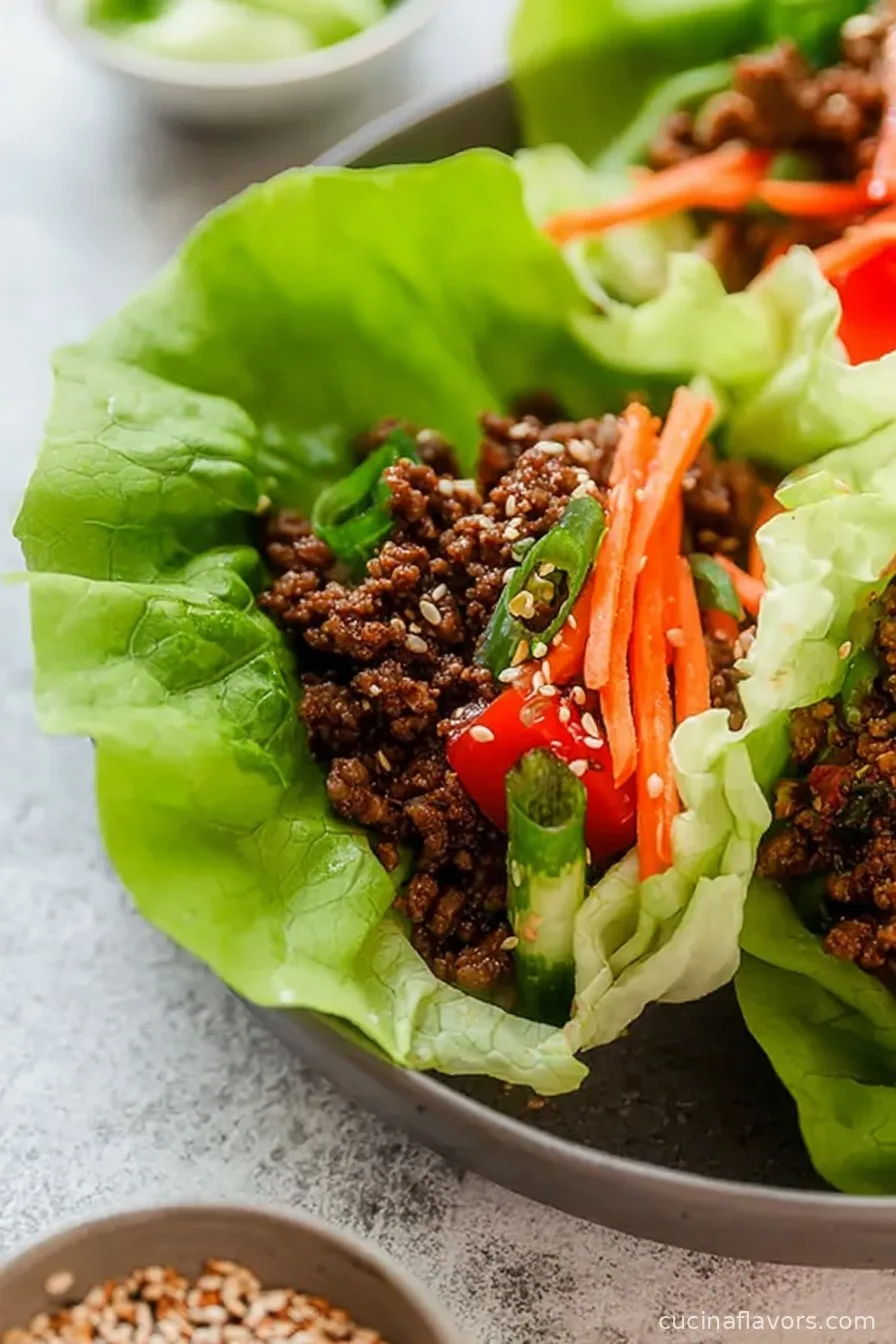
Korean Beef Lettuce Wraps are celebrated for their simplicity, versatility, and health-conscious approach, making them a popular choice for weeknight dinners, gatherings, and meal prepping.
Korean cuisine boasts a rich history, with grilling meats and sharing meals wrapped in leafy greens being an age-old tradition, particularly during Korean BBQs. These wraps not only embody Korea's communal eating culture, but they also emphasize balance – blending protein, vegetables, and flavorful sauces.
Modern adaptations like Korean Beef Lettuce Wraps allow you to enjoy the signature taste of Korea at home with minimal fuss.
Made with ground or thinly sliced beef glazed with sweet, salty, and mildly spicy gochujang-based sauce, these wraps are perfect for both busy home cooks and those new to Korean food.
Whether you're looking for a low-carb alternative or aiming to introduce your family to new tastes, Korean Beef Lettuce Wraps are an excellent, healthy, and utterly satisfying choice.
By bringing together high-quality steak or ground beef, crisp lettuce, and vibrant garnishes, you’re sure to impress with this easy and authentic recipe.
Ingredients
- 1 pound ground beef or thinly sliced sirloin
- 2 tablespoons soy sauce
- 1 tablespoon sesame oil
- 1 tablespoon gochujang (Korean chili paste)
- 1 tablespoon brown sugar
- 2 cloves garlic, minced
- 1 teaspoon fresh ginger, minced
- 1 tablespoon rice vinegar
- 1 tablespoon hoisin sauce (optional for extra sweetness)
- 1 teaspoon toasted sesame seeds
- 1 teaspoon black pepper
- 1 head butter lettuce or romaine leaves, washed and dried
- 1 cup cooked white or brown rice (optional)
- 1 small carrot, julienned
- ½ cucumber, thinly sliced
- 2 green onions, finely chopped
- Kimchi or pickled radish slices
- Fresh cilantro or parsley for garnish
Instructions
- In a medium bowl, mix together the soy sauce, sesame oil, gochujang, brown sugar, garlic, ginger, rice vinegar, hoisin sauce (if using), sesame seeds, and black pepper to create the marinade.
- Add the ground beef or thinly sliced beef to the marinade, stirring well to coat evenly. Let it marinate for 15-20 minutes while you prepare the other ingredients.
- Heat a large skillet or wok over medium-high heat. Once hot, add the marinated beef and cook, breaking up the meat with a spoon or spatula, until browned and fully cooked. This should take about 5-7 minutes. For thinly sliced beef, cook until just browned and caramelized, about 3-4 minutes.
- While the beef cooks, prepare the lettuce leaves by separating and washing them, then patting dry.
- Arrange lettuce leaves on a large platter. Prepare garnishes such as julienned carrots, sliced cucumbers, chopped green onions, kimchi, and herbs.
- When the beef is fully cooked, transfer it to a serving bowl. Sprinkle with extra sesame seeds for added flavor and presentation.
- To assemble, place a lettuce leaf in your hand, spoon a small amount of beef in the center, add rice if desired, and top with vegetables, kimchi, and garnishes.
- Fold the sides of the lettuce over the filling, creating a small wrap, and enjoy immediately.
- Repeat with remaining ingredients, assembling wraps as you eat for maximum freshness.
Nutritional Information
Korean Beef Lettuce Wraps offer a nutritious alternative to traditional carb-heavy wraps or sandwiches. Each serving of the basic recipe (using lean ground beef, vegetables, and lettuce, with minimal rice) delivers an excellent balance of macronutrients.
A typical serving contains approximately 280-350 calories, 20-25 grams of protein, 10-14 grams of fat, and 11-20 grams of carbohydrates, depending on the addition of rice and sauces. The beef provides a rich source of iron, zinc, and B vitamins, aiding in muscle health and energy production.
The abundant use of vegetables adds a generous dose of fiber, vitamins A and C, and antioxidants. Lettuce leaves not only serve as a low-calorie alternative to bread, but also support hydration and digestion.
The addition of kimchi or other fermented vegetables introduces beneficial probiotics, which support gut health and immune function. Gochujang and other aromatic spices not only infuse the wraps with flavor, but may also have metabolism-boosting properties.
For those seeking a lower calorie count, simply omit the rice or use extra vegetables. This recipe can easily adapt to gluten-free diets by choosing tamari instead of soy sauce.
With minimal saturated fat and plenty of fresh produce, Korean Beef Lettuce Wraps are both delicious and nourishing, perfect for anyone focused on wellness and dietary balance.

Wine and Beverage Pairings
Korean Beef Lettuce Wraps pair wonderfully with a range of beverages. For a truly authentic experience, serve them with chilled Korean soju or makgeolli (a slightly sweet rice wine). These traditional drinks complement both the spicy kick of the gochujang and the savory depth of the beef.
For a non-alcoholic option, barley tea (bori-cha) is light, refreshing, and helps cleanse the palate between bites. Crisp, lightly chilled white wines such as Sauvignon Blanc or Riesling offer a fruity, balanced contrast to the rich and spicy notes in the wraps.
A dry rosé or a light-bodied Pinot Noir can also be excellent choices, providing a nice interplay with the fresh vegetables. If you prefer beer, opt for a clean-tasting lager or a wheat beer to cut through the flavors and cleanse the palate.
Sparkling water with a squeeze of lime or lemon offers a simple, refreshing pairing for daytime meals.
Cooking Tips and Variations
To elevate your Korean Beef Lettuce Wraps, consider using high-quality steak such as ribeye or sirloin, sliced thinly against the grain for maximum tenderness. Marinating the meat for at least 20 minutes ensures deeper flavor penetration and better texture.
For extra umami, a splash of fish sauce or a touch of miso paste can be added to the marinade. If gochujang is unavailable or you'd prefer less heat, substitute with a mix of chili garlic sauce and a little honey.
For a vegetarian version, swap the beef for shiitake mushrooms, tofu, or tempeh and adjust cooking times accordingly. Meal-prepping? Cook the beef and chop the veggies ahead of time, then assemble the wraps just before eating for optimal crunch and freshness.
Traditional ssambap often includes ssamjang (a Korean dipping sauce); create your own by mixing miso, gochujang, sesame oil, and a splash of rice vinegar. For a fun dinner party, serve the beef in a hot skillet and lay out a variety of toppings so guests can personalize their wraps.
Experiment with additional fillings such as bean sprouts, avocado, or pickled daikon for unique flavor and texture combinations.

Serving Suggestions
Korean Beef Lettuce Wraps are best served fresh, with all ingredients attractively arranged for easy assembling at the table.
Lay out a large platter with rinsed and dried lettuce leaves, bowls of hot beef, a variety of sliced vegetables, rice, kimchi, and assorted garnishes such as fresh herbs, sesame seeds, and a light drizzle of sesame oil.
This interactive presentation makes the meal fun and customizable for each guest, encouraging sharing and conversation – a hallmark of Korean dining. For family-style dinners or gatherings, set up a wraps bar, allowing everyone to build their own perfect bite.
Offer additional sides like chilled cucumber salad, steamed edamame, or light egg pancakes for a complete Korean-inspired meal. If you’re packing lunch for work or school, keep the lettuce and fillings separate, assembling just before eating to maintain texture and freshness.
For a visually appealing platter, arrange colorful vegetables and kimchi around the beef, garnishing with extra green onions and cilantro. You can also include small ramekins of ssamjang or extra gochujang for more dipping options.
To enhance the experience, play Korean instrumental music in the background and serve with matching chopsticks or tongs for a fun, thematic touch. Whether enjoyed as a main course or part of a multi-course Korean meal, these wraps are sure to impress.
Health Benefits
Korean Beef Lettuce Wraps provide an impressive array of health benefits, making them a great choice for balanced, nutritious meals. Using lettuce instead of carbohydrate-heavy bread or tortillas significantly reduces overall calories and provides plenty of dietary fiber, which aids in digestion and can contribute to feeling full longer.
The lean beef offers a valuable dose of protein, supporting muscle repair and growth. It also supplies essential minerals such as iron and zinc, important for immune system function and metabolic health.
The wide variety of included vegetables ensures a high intake of essential vitamins, antioxidants, and phytochemicals, contributing to improved heart health and reduced inflammation. The addition of fermented vegetables like kimchi brings beneficial probiotics, promoting a healthy gut microbiome and boosting digestion.
The moderate use of healthy fats from the sesame oil supports heart and brain health without excessively raising saturated fat intake. By offering a versatile base, Korean Beef Lettuce Wraps can be easily adapted for gluten-free, dairy-free, and low-carb dietary needs, making them fitting for a range of nutritional preferences.
Ultimately, this dish promotes wholesome, mindful eating, connecting cultural appreciation with nutritional excellence.
Frequently Asked Questions
Yes. You can cook the beef and prepare the vegetables in advance, but for best texture, keep the lettuce and fillings separate until just before serving or eating.
Butter lettuce or romaine are the most popular choices due to their crisp texture and ability to cradle the fillings. Iceberg lettuce can also be used for extra crunch.
Absolutely! Replace beef with tofu, tempeh, or mushrooms, and use the same marinade for delicious vegetarian or vegan wraps.
The spice level depends on the amount of gochujang used. Adjust down for a milder flavor or increase for more heat. You can also omit gochujang or substitute with mild chili sauce.
Yes. You can use ground chicken, turkey, or pork as alternatives, making sure to adjust cooking times and seasoning to suit each meat.
Korean Beef Lettuce Wraps are a sensational meal that brings together the best of bold flavors, nutritious ingredients, and social dining. With easy preparation, endless customization options, and broad appeal, this dish is ideal for everything from quick weekday lunches to festive gatherings. The harmonious blend of savory, sweet, and spicy in every mouthful offers a true taste of Korean tradition customized for modern home cooks. By following this recipe and the helpful tips provided, you can master the art of Korean Beef Lettuce Wraps and impress your family or guests with a healthy, interactive, and incredibly satisfying meal. Dive into the world of Korean cuisine with this vibrant, adaptable recipe that is as enjoyable to make as it is to eat.
Ingredients
- 1 pound ground beef or thinly sliced sirloin
- 2 tablespoons soy sauce
- 1 tablespoon sesame oil
- 1 tablespoon gochujang (Korean chili paste)
- 1 tablespoon brown sugar
- 2 cloves garlic, minced
- 1 teaspoon fresh ginger, minced
- 1 tablespoon rice vinegar
- 1 tablespoon hoisin sauce (optional for extra sweetness)
- 1 teaspoon toasted sesame seeds
- 1 teaspoon black pepper
- 1 head butter lettuce or romaine leaves, washed and dried
- 1 cup cooked white or brown rice (optional)
- 1 small carrot, julienned
- ½ cucumber, thinly sliced
- 2 green onions, finely chopped
- Kimchi or pickled radish slices
- Fresh cilantro or parsley for garnish
Instructions
-
1In a medium bowl, mix together the soy sauce, sesame oil, gochujang, brown sugar, garlic, ginger, rice vinegar, hoisin sauce (if using), sesame seeds, and black pepper to create the marinade.
-
2Add the ground beef or thinly sliced beef to the marinade, stirring well to coat evenly. Let it marinate for 15-20 minutes while you prepare the other ingredients.
-
3Heat a large skillet or wok over medium-high heat. Once hot, add the marinated beef and cook, breaking up the meat with a spoon or spatula, until browned and fully cooked. This should take about 5-7 minutes. For thinly sliced beef, cook until just browned and caramelized, about 3-4 minutes.
-
4While the beef cooks, prepare the lettuce leaves by separating and washing them, then patting dry.
-
5Arrange lettuce leaves on a large platter. Prepare garnishes such as julienned carrots, sliced cucumbers, chopped green onions, kimchi, and herbs.
-
6When the beef is fully cooked, transfer it to a serving bowl. Sprinkle with extra sesame seeds for added flavor and presentation.
-
7To assemble, place a lettuce leaf in your hand, spoon a small amount of beef in the center, add rice if desired, and top with vegetables, kimchi, and garnishes.
-
8Fold the sides of the lettuce over the filling, creating a small wrap, and enjoy immediately.
-
9Repeat with remaining ingredients, assembling wraps as you eat for maximum freshness.
Approximate Information for One Serving
Nutrition Disclaimers
Number of total servings shown is approximate. Actual number of servings will depend on your preferred portion sizes.
Nutritional values shown are general guidelines and reflect information for 1 serving using the ingredients listed, not including any optional ingredients. Actual macros may vary slightly depending on specific brands and types of ingredients used.
To determine the weight of one serving, prepare the recipe as instructed. Weigh the finished recipe, then divide the weight of the finished recipe (not including the weight of the container the food is in) by the desired number of servings. Result will be the weight of one serving.
Did you make this recipe?
Please consider Pinning it!


Leave a Reply