
Salmon Salad is a classic and versatile dish beloved for its balance of rich flavors, creamy texture, and nutritious profile. Rooted in both the traditions of coastal cuisines and modern healthy eating trends, this recipe has captured the attention of food enthusiasts worldwide.
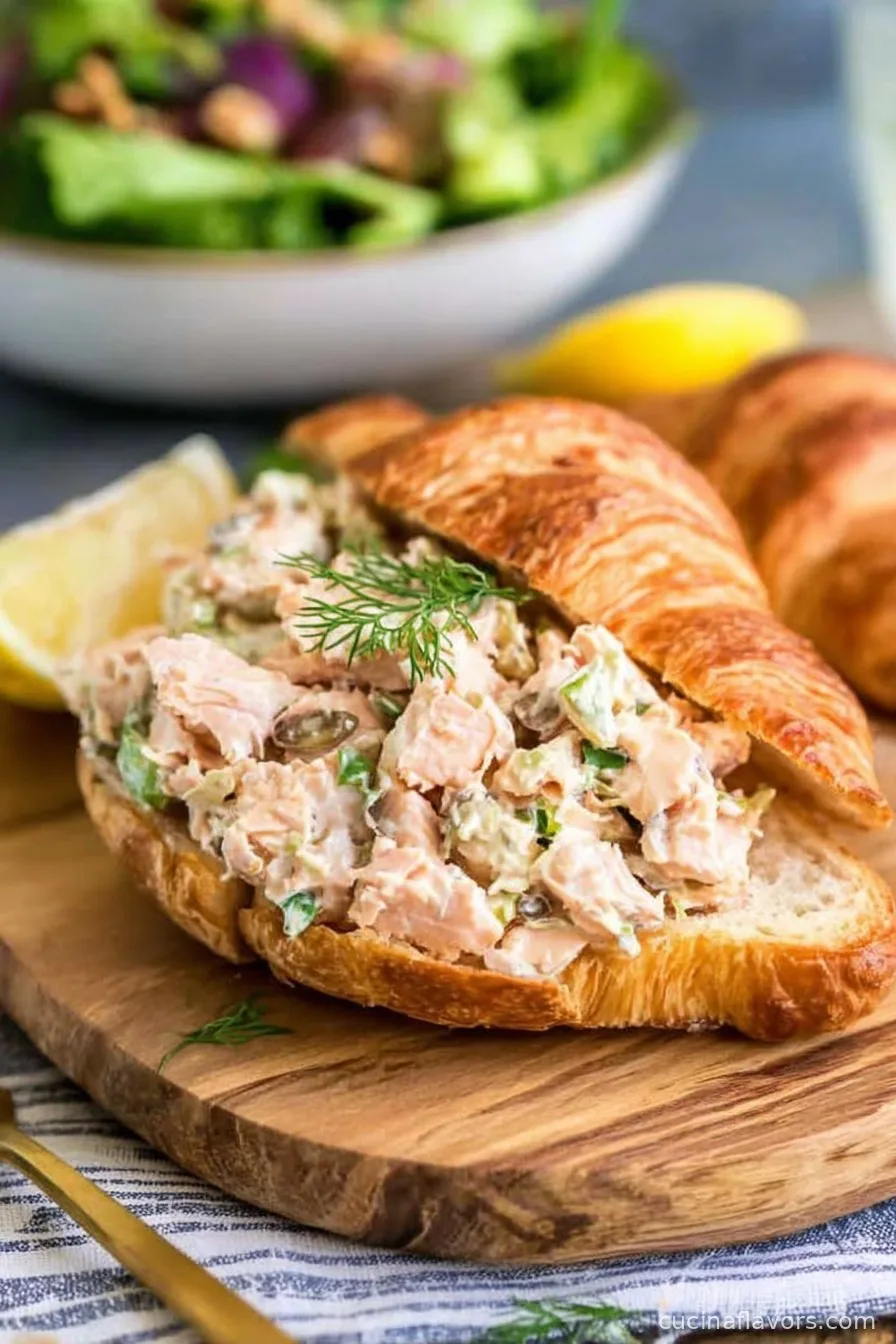
Whether crafted from freshly cooked Salmon or the convenience of canned salmon, this dish stands out as a lunchtime favorite or a delightful addition to dinner spreads.
Combining flaky, savory salmon with crisp vegetables like red onion and celery, bound together by a tangy, herb-infused mayonnaise dressing, Salmon Salad is easily adaptable to different palates and dietary needs.
Its origins can be traced back to regions where seafood is abundant, particularly in areas with historical ties to fishing communities. Over time, Salmon Salad’s popularity has surged, thanks to its quick preparation, heart-healthy benefits, and ability to fit seamlessly into sandwiches, wraps, or served simply atop greens.
This article will guide you through a step-by-step process to create the ultimate Salmon Salad at home, with kitchen tips to refine your technique, wine and beverage suggestions to complement its flavor, and ideas on how to serve it creatively for any occasion.
Ingredients
- 15 ounces salmon either canned or freshly cooked
- ½ small red onion, diced small
- 1 stalk celery, diced
- ½ cup mayonnaise (light mayonnaise can be used)
- 1 tablespoon lemon juice
- ½ tablespoon fresh dill or 1 teaspoon dry dill
- ½ teaspoon kosher salt (if using table salt, start with ¼ teaspoon)
- Black pepper to taste
Instructions
- Begin by placing the salmon in a large mixing bowl. If using canned salmon, ensure it is well drained and discard any skin or bones as preferred. For freshly cooked salmon, flake it gently with a fork to achieve bite-sized pieces. Add the finely diced red onion and diced celery. These ingredients contribute a pleasant crunch and burst of flavor, offering a refreshing contrast to the tender salmon.
- In a separate, smaller bowl, combine the mayonnaise, lemon juice, fresh or dried dill, and kosher salt. Whisk these together until the mixture is smooth and evenly blended. The lemon juice adds brightness while dill infuses the dressing with a classic herb aroma. Taste the dressing, then season with freshly ground black pepper and adjust salt if needed, keeping in mind your preference for savory or zesty notes.
- Pour the prepared dressing over the bowl of salmon, onion, and celery. Gently fold everything together with a large spoon or spatula, mixing just until all pieces are evenly coated and the salad has a creamy, cohesive texture. Take care not to break up the salmon too much; maintaining chunks will enhance the final mouthfeel.
- Once combined, the Salmon Salad can be served immediately or covered and refrigerated to allow the flavors to meld for at least 30 minutes. This chilling process enhances the taste and texture, making it ideal for meal prep. The salad can be stored in an airtight container in the refrigerator for up to four days.
Nutritional Information
Salmon Salad is not only flavorful but also delivers impressive nutritional benefits. A typical serving, based on the ingredients listed, provides a robust amount of high-quality protein from the salmon, supporting muscle repair and overall satiety.
Salmon is also renowned for its omega-3 fatty acids – essential fats known to aid heart health, boost brain function, and reduce inflammation. The vegetables – red onion and celery – supply valuable fiber, vitamins, and antioxidants while remaining low in calories.
The mayonnaise, especially when using a light variety, adds creaminess without excess saturated fats. Lemon juice brightens the dish with vitamin C and fresh dill contributes additional nutrients and antioxidants.
On average, a serving of this Salmon Salad includes approximately 250-300 calories, 15-18g protein, 14-18g fat (with a notable portion from healthy fats), and minimal carbohydrates. It also offers potassium, vitamin D, and B-vitamins. The salad is naturally gluten-free, making it suitable for those with gluten sensitivity.
Adjusting the type and amount of mayonnaise can further tailor the recipe to specific dietary preferences, such as lower fat or paleo adaptations. For an even healthier version, consider substituting part of the mayonnaise with plain Greek yogurt to increase protein and decrease fat and calories.

Wine and Beverage Pairings
The rich and refreshing flavors of Salmon Salad pair wonderfully with a wide variety of drinks. For a wine pairing, consider a crisp, unoaked white such as Sauvignon Blanc or Pinot Grigio; both offer bright acidity and citrus undertones that complement the salmon and the creamy dressing.
If you prefer sparkling wines, a dry Prosecco or even Champagne can elevate your meal, bringing an elegant touch to the experience. For those who enjoy beers, a light lager or a wheat beer will match the salad’s freshness without overpowering it.
Non-alcoholic options include sparkling mineral water with a squeeze of lemon, or a light iced green tea. These beverages help cleanse the palate and highlight the vibrant flavors of the salad.
Cooking Tips and Variations
To ensure your Salmon Salad stands out each time you prepare it, keep these helpful tips in mind. When choosing salmon, both freshly cooked fillets and canned varieties work well; if using canned, opt for wild-caught if available to maximize flavor and nutritional value.
If you prefer a lighter salad, use light mayonnaise or even substitute half the mayonnaise with plain Greek yogurt, which will still deliver creaminess while adding protein and cutting some fat. For added complexity, try mixing in a teaspoon of Dijon mustard to the dressing.
Fresh dill elevates the overall aroma and taste, but dried dill is a convenient alternative for pantry-friendly preparation. Including additional mix-ins like diced cucumber, capers, or chopped hard-boiled eggs can introduce new textures and flavors without overwhelming the core ingredients.
If you enjoy a hint of spice, sprinkle in a pinch of crushed red pepper flakes or a dash of hot sauce. Always adjust the seasoning to your taste after combining all the ingredients, as different brands of salmon and mayonnaise have varying salt content.
Finally, chilling the salad for at least 30 minutes before serving lets the flavors blend harmoniously, resulting in an even more satisfying dish.

Serving Suggestions
Salmon Salad is as versatile in presentation as it is in preparation. For a classic lunch, spoon generous helpings onto whole grain toast, rye bread, or inside a soft croissant for an elevated sandwich.
It also works beautifully scooped atop a bed of mixed greens or arugula, transforming the dish into a satisfying main-course salad bowl. Serve mini portions in endive leaves or on cucumber rounds for bite-sized hors d'oeuvres at parties and gatherings.
The salad can be tucked into wraps with lettuce and tomato for a convenient picnic or packed lunch option. For a heartier meal, pair it with a warm baked potato, or alongside a fresh quinoa or brown rice bowl topped with additional veggies.
Garnish your Salmon Salad with extra sprigs of dill or a light squeeze of lemon for a professional restaurant-style finish. No matter the presentation, the freshness and texture will shine, making it a crowd-pleaser for casual family meals or special occasions alike.
Preparing extra salad in advance is ideal for meal prepping, as the flavors continue to develop, making leftovers just as appealing.
Always serve chilled for optimal results, and remember that Salmon Salad stands up well to various serving ideas, allowing you to adapt it to suit your taste, dietary needs, and the occasion.
Health Benefits
Salmon Salad is an excellent choice for those seeking both flavor and nutrition. As the key ingredient, salmon delivers a high amount of omega-3 fatty acids, which are central in promoting heart health, supporting brain function, and helping to reduce inflammation in the body.
The lean protein content keeps you satisfied longer, potentially supporting weight management and balanced blood sugar levels. Further, the addition of celery and red onion supplies dietary fiber, vitamin C, and antioxidants that strengthen the immune system and aid digestion.
Using light mayonnaise or substituting some with Greek yogurt can further decrease saturated fats and calories, making the salad suitable for a wide range of eating plans including lower-fat and Mediterranean-style diets. Finally, dill contributes trace minerals, and lemon juice brightens the nutrient profile with extra vitamin C.
Naturally gluten-free, adaptable for paleo and low-carb lifestyles, and packed with beneficial nutrients, Salmon Salad is a prime example of how you can enjoy indulgent-tasting food while supporting your health goals.
Frequently Asked Questions
Yes, both fresh and canned salmon work wonderfully in this recipe. Fresh salmon offers a more delicate texture and flavor, while canned salmon provides convenience and is equally nutritious. Just be sure to drain canned salmon and remove any skin or bones as desired.
Salmon Salad can be stored in an airtight container in the refrigerator for up to four days. For the best taste and texture, consume it within this timeframe. Always refrigerate promptly after preparation.
Absolutely. Salmon Salad actually benefits from being made ahead, as chilling allows the flavors to meld. Prepare it a few hours in advance or even the night before for optimal results.
Yes! You can substitute part or all of the mayonnaise with plain Greek yogurt for a lighter, higher-protein dressing. You might also add a teaspoon of Dijon mustard for an extra boost of flavor.
Salmon Salad is incredibly versatile: serve it in sandwiches, wraps, atop greens as a salad, stuffed into pita pockets, on baked potatoes, or as appetizers using cucumber rounds or endive leaves.
Salmon Salad is a timeless culinary favorite that brings together convenience, exceptional flavor, and robust nutrition. Its ease of preparation means you can enjoy a nourishing meal whether you’re short on time or planning ahead for a special gathering. The combination of tender salmon, crisp vegetables, and a bright herbaceous dressing creates a dish you will return to again and again. With its adaptability in serving, endless customization possibilities, and proven health benefits, Salmon Salad deserves a prominent spot in your regular meal rotation. Give this recipe a try and savor the freshness and satisfaction in every bite.
Ingredients
- 15 ounces salmon either canned or freshly cooked
- ½ small red onion, diced small
- 1 stalk celery, diced
- ½ cup mayonnaise (light mayonnaise can be used)
- 1 tablespoon lemon juice
- ½ tablespoon fresh dill or 1 teaspoon dry dill
- ½ teaspoon kosher salt (if using table salt, start with ¼ teaspoon)
- Black pepper to taste
Instructions
-
1Begin by placing the salmon in a large mixing bowl. If using canned salmon, ensure it is well drained and discard any skin or bones as preferred. For freshly cooked salmon, flake it gently with a fork to achieve bite-sized pieces. Add the finely diced red onion and diced celery. These ingredients contribute a pleasant crunch and burst of flavor, offering a refreshing contrast to the tender salmon.
-
2In a separate, smaller bowl, combine the mayonnaise, lemon juice, fresh or dried dill, and kosher salt. Whisk these together until the mixture is smooth and evenly blended. The lemon juice adds brightness while dill infuses the dressing with a classic herb aroma. Taste the dressing, then season with freshly ground black pepper and adjust salt if needed, keeping in mind your preference for savory or zesty notes.
-
3Pour the prepared dressing over the bowl of salmon, onion, and celery. Gently fold everything together with a large spoon or spatula, mixing just until all pieces are evenly coated and the salad has a creamy, cohesive texture. Take care not to break up the salmon too much; maintaining chunks will enhance the final mouthfeel.
-
4Once combined, the Salmon Salad can be served immediately or covered and refrigerated to allow the flavors to meld for at least 30 minutes. This chilling process enhances the taste and texture, making it ideal for meal prep. The salad can be stored in an airtight container in the refrigerator for up to four days.
Approximate Information for One Serving
Nutrition Disclaimers
Number of total servings shown is approximate. Actual number of servings will depend on your preferred portion sizes.
Nutritional values shown are general guidelines and reflect information for 1 serving using the ingredients listed, not including any optional ingredients. Actual macros may vary slightly depending on specific brands and types of ingredients used.
To determine the weight of one serving, prepare the recipe as instructed. Weigh the finished recipe, then divide the weight of the finished recipe (not including the weight of the container the food is in) by the desired number of servings. Result will be the weight of one serving.
Did you make this recipe?
Please consider Pinning it!


Leave a Reply