
If you’re craving a velvety, creamy pasta sauce with a little fiery kick, the Easy Homemade Cajun Alfredo Sauce Recipe is your answer. Alfredo sauce, a beloved staple in Italian-American cuisine, originated in early 20th-century Rome and rapidly gained international acclaim for its luscious combination of cream, butter, and cheese.
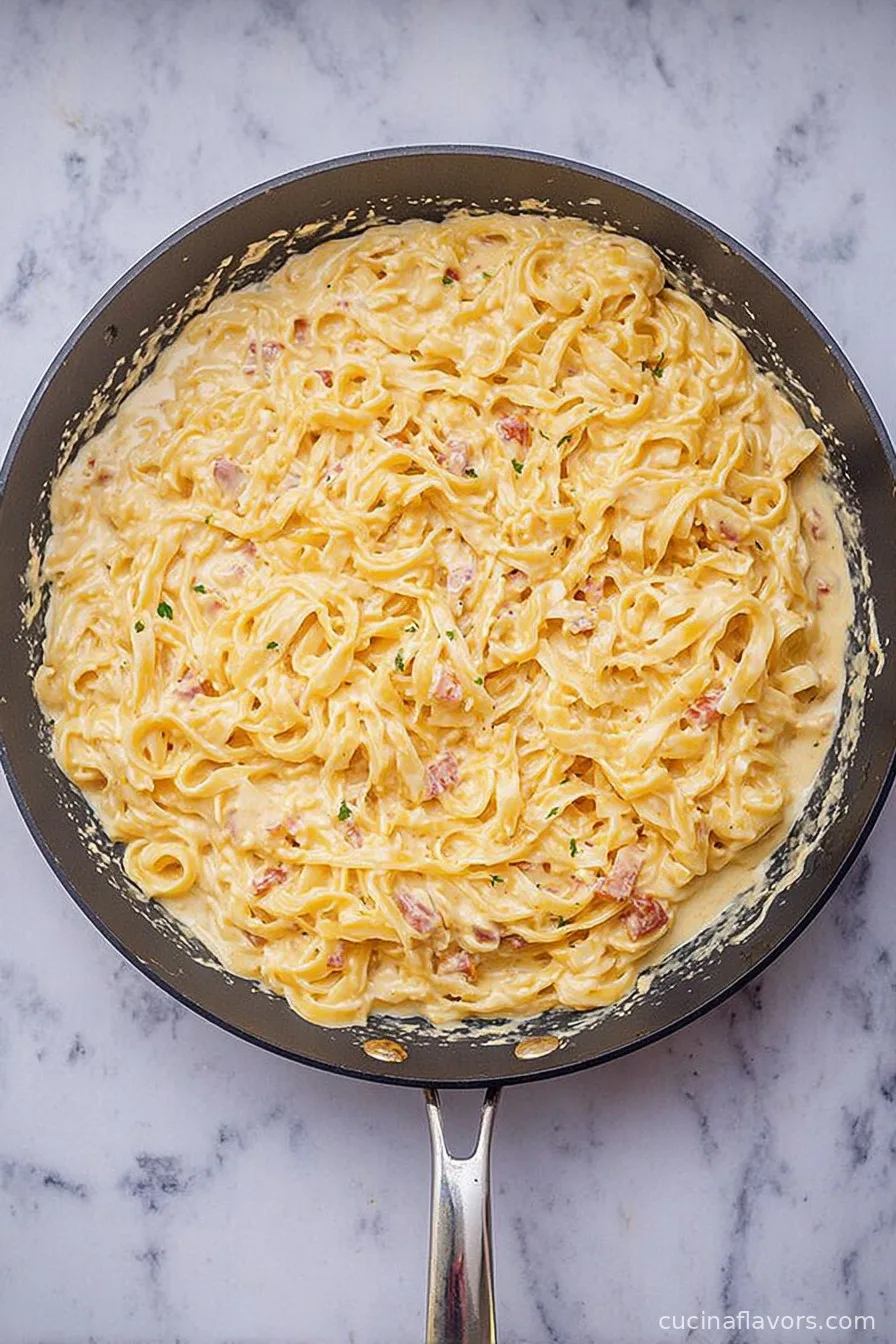
The classic Alfredo’s simplicity makes it the perfect canvas for bold new flavors, and the spicy transformation that is Cajun Alfredo is a modern favorite. Cajun cuisine, which hails from Louisiana’s French-speaking Acadian descendants, is known for its use of robust, peppery spices.
When you marry these two culinary traditions, you create a sauce with the best of both worlds: the smooth opulence of Alfredo melded with the spirited punch of traditional Cajun spices. In this recipe, we’ll guide you step-by-step in making the ultimate Easy Homemade Cajun Alfredo Sauce Recipe.
Not only does it pack deep, savory flavor, but it also comes together in about 20 minutes—ideal for busy weeknights, family gatherings, or even as a showstopping dinner party dish. The ingredients are straightforward and the cooking process is very accessible, making it perfect for beginners and experienced cooks alike.
Whether you’re looking to spice up your usual pasta night, impress your guests, or add a memorable sauce to your recipe repertoire, this Cajun Alfredo promises warmth, richness, and a flavor journey that will delight everyone at the table.
Ingredients
- 2 tablespoons unsalted butter
- 2 tablespoons olive oil
- 4 garlic cloves, minced
- 1 tablespoon Cajun seasoning (plus more to taste)
- 2 cups heavy cream
- 1 cup grated Parmesan cheese
- 1 teaspoon smoked paprika
- ½ teaspoon salt (adjust to taste)
- ½ teaspoon freshly ground black pepper
- ¼ teaspoon crushed red pepper flakes (optional for extra heat)
- 1 tablespoon chopped fresh parsley (for garnish)
- Zest of 1 lemon (optional for brightness)
Instructions
- In a large skillet over medium heat, melt the butter with the olive oil until foamy and combined.
- Add the minced garlic and sauté for 30-45 seconds, just until fragrant, taking care not to let it brown.
- Sprinkle in the Cajun seasoning, smoked paprika, salt, pepper, and red pepper flakes (if using). Toast the spices for 30 seconds so their flavors bloom.
- Reduce the heat to low and slowly pour in the heavy cream while whisking to prevent curdling.
- Simmer the mixture gently for 3-5 minutes, stirring occasionally, until the cream begins to slightly thicken.
- Stir in the grated Parmesan cheese gradually, allowing it to melt and fully incorporate into the sauce.
- Once the sauce is smooth, taste and adjust the seasonings, adding more Cajun seasoning for extra heat if desired.
- Let the sauce simmer for another 3-4 minutes until it reaches your preferred consistency. If it becomes too thick, add a tablespoon of milk or reserved pasta water to loosen.
- Remove the skillet from heat and stir in the lemon zest for a fresh note, if using.
- Serve immediately over hot pasta, grilled chicken, or seafood. Garnish with chopped fresh parsley.
Nutritional Information
Cajun Alfredo sauce offers indulgent flavor and creamy satisfaction, but understanding its nutrition is important for mindful dining. A typical serving (about ½ cup) of this sauce contains roughly 350-400 calories, primarily from the cream, butter, and cheese base, making it a rich treat best enjoyed in moderation.
It provides approximately 8 grams of protein, thanks to the generous helping of Parmesan cheese, alongside 33 grams of fat—most of which is saturated fat. The sauce also delivers a good amount of calcium and vitamin A from dairy sources, supporting bone and eye health.
However, the sodium content can be moderately high due to the Cajun seasoning and Parmesan. Those monitoring their sodium intake might consider using unsalted or lower-sodium alternatives.
While the sauce is not low-calorie or low-fat, it is free of added sugars and artificial preservatives, making it a superior choice to many store-bought Alfredo sauces.
Pairing Cajun Alfredo sauce with lean protein, whole grain pastas, or plenty of vegetables can help balance your meal and enhance its nutritional profile. As always, portion control and thoughtful side dishes can ensure you enjoy this Easy Homemade Cajun Alfredo Sauce Recipe as part of a wholesome, varied diet.
Wine and Beverage Pairings
Cajun Alfredo sauce’s creamy richness and spicy undertones pair exceptionally well with crisp, refreshing beverages that cleanse the palate. A zesty Sauvignon Blanc or Pinot Grigio complements the sauce’s peppery and tangy notes, while balancing its velvety mouthfeel.
If you prefer red wine, a light-bodied Pinot Noir offers fruity acidity without overpowering the sauce. Beer enthusiasts should consider a wheat ale or a light lager for a bubbly, cooling contrast to the spicy Cajun flavors.
For non-alcoholic options, iced sparkling lemonade or a herbal iced tea with lemon provides a lively, thirst-quenching accompaniment. These beverage choices elevate your Easy Homemade Cajun Alfredo Sauce Recipe and round out a memorable meal.
Cooking Tips and Variations
For the creamiest Cajun Alfredo sauce, always heat the cream slowly and whisk constantly to ensure a silky texture without scorching or splitting the dairy. Freshly grated Parmesan is recommended, as pre-shredded varieties often have anti-caking agents that affect smooth melting.
Adjust the Cajun seasoning gradually—every blend is a bit different in heat and saltiness, so taste as you go. For a lighter version, substitute half-and-half for a portion of the heavy cream, or use a blend of milk and Greek yogurt for added protein and lower fat.
To make the sauce gluten-free, confirm that your Cajun seasoning contains no fillers or wheat-based thickeners. To explore delicious variations, stir in sautéed mushrooms, sun-dried tomatoes, or spinach just before serving for extra nutrients and burst of color.
You can also add cooked shrimp, grilled chicken, or spicy sausage for a heartier one-pot meal. When reheating leftovers, do so gently over low heat with a splash of milk to restore creaminess. For a vegetarian version, simply omit meat additions or swap Parmesan for a vegetarian hard cheese.
These tips and twists ensure the Easy Homemade Cajun Alfredo Sauce Recipe comes out perfectly suited to your preferences every time.

Serving Suggestions
The Easy Homemade Cajun Alfredo Sauce Recipe is nothing if not versatile, opening up endless serving possibilities beyond classic pasta pairings. Toss the sauce with fettuccine, pappardelle, or penne for a creamy, restaurant-quality pasta dish that needs little else.
For a protein-packed meal, blanket the sauce over grilled chicken breasts, sautéed shrimp, or blackened fish. The sauce’s bold flavors also make it an exciting dip for garlic bread, roasted vegetables, or even crispy French fries at your next gathering.
Consider drizzling it over baked potatoes for a decadent twist, or spoon it onto warm, steamed rice for a comforting Cajun-inspired rice bowl. For a gourmet pizza night, use Cajun Alfredo as the sauce base, then layer on cooked chicken, bell peppers, red onions, and mozzarella.
When entertaining, serve the sauce as part of a build-your-own pasta bar, allowing guests to customize their proteins, vegetables, or spice level.
From family dinners to festive celebrations, the Easy Homemade Cajun Alfredo Sauce Recipe brings rich Southern flair to any table and pairs beautifully with both casual and elegant side dishes.
Health Benefits
While the Easy Homemade Cajun Alfredo Sauce Recipe is decadently rich, it does have some healthful properties, especially when enjoyed in moderation or customized to your dietary needs.
Dairy ingredients like Parmesan and cream provide calcium, essential for bone strength, along with protein and vitamin A which support muscle and immune function. Garlic and parsley lend antioxidants and anti-inflammatory compounds.
The Cajun seasoning, often featuring cayenne and paprika, can offer metabolism-boosting properties due to their capsaicin content, and may have heart-protective benefits when used judiciously. You can enhance the sauce’s nutritional value by using lighter creams, incorporating more vegetables, or swapping to whole wheat pasta as a serving base.
Additionally, making your own sauce from scratch ensures you control the sodium and fat content, avoiding the preservatives and sugar often found in jarred Alfredo sauces.
While not an “everyday” low-fat option, the Easy Homemade Cajun Alfredo Sauce Recipe can fit into a balanced diet as an occasional treat, especially when rounded out with lean proteins and plenty of vegetables.
Frequently Asked Questions
Yes, you can make the Easy Homemade Cajun Alfredo Sauce Recipe up to two days in advance. Store it in an airtight container in the refrigerator and reheat gently over low heat, adding a splash of milk if it thickens.
The recipe itself is gluten-free, but always check your Cajun seasoning for hidden gluten fillers. Serve with gluten-free pasta for a fully gluten-free meal.
For a bolder kick, increase the Cajun seasoning or add extra red pepper flakes to taste. Always add spices gradually and taste as you go.
Cream-based sauces can separate upon freezing, but if you wish to freeze, store in a freezer-safe container. Thaw slowly in the refrigerator and reheat gently, whisking to restore texture.
Grilled chicken, shrimp, blackened salmon, or spicy sausage complement the sauce’s robust flavors beautifully, offering extra protein and variety.
The Easy Homemade Cajun Alfredo Sauce Recipe is an irresistible fusion of creamy Italian comfort and bold Cajun zest. Effortless to prepare in any home kitchen, this sauce reinvents classic pasta night with spice, texture, and loads of character. Its exceptional versatility means it shines over pasta, chicken, seafood, vegetables, and much more, making it a favorite for both weeknight dinners and special gatherings. Whether you stick to the basics or explore creative variations, this sauce promises big flavor and crowd-pleasing results. Try it tonight and make your next meal unforgettable with this easy, spicy twist on a timeless favorite.
Ingredients
- 2 tablespoons unsalted butter
- 2 tablespoons olive oil
- 4 garlic cloves, minced
- 1 tablespoon Cajun seasoning (plus more to taste)
- 2 cups heavy cream
- 1 cup grated Parmesan cheese
- 1 teaspoon smoked paprika
- ½ teaspoon salt (adjust to taste)
- ½ teaspoon freshly ground black pepper
- ¼ teaspoon crushed red pepper flakes (optional for extra heat)
- 1 tablespoon chopped fresh parsley (for garnish)
- Zest of 1 lemon (optional for brightness)
Instructions
-
1In a large skillet over medium heat, melt the butter with the olive oil until foamy and combined.
-
2Add the minced garlic and sauté for 30-45 seconds, just until fragrant, taking care not to let it brown.
-
3Sprinkle in the Cajun seasoning, smoked paprika, salt, pepper, and red pepper flakes (if using). Toast the spices for 30 seconds so their flavors bloom.
-
4Reduce the heat to low and slowly pour in the heavy cream while whisking to prevent curdling.
-
5Simmer the mixture gently for 3-5 minutes, stirring occasionally, until the cream begins to slightly thicken.
-
6Stir in the grated Parmesan cheese gradually, allowing it to melt and fully incorporate into the sauce.
-
7Once the sauce is smooth, taste and adjust the seasonings, adding more Cajun seasoning for extra heat if desired.
-
8Let the sauce simmer for another 3-4 minutes until it reaches your preferred consistency. If it becomes too thick, add a tablespoon of milk or reserved pasta water to loosen.
-
9Remove the skillet from heat and stir in the lemon zest for a fresh note, if using.
-
10Serve immediately over hot pasta, grilled chicken, or seafood. Garnish with chopped fresh parsley.
Approximate Information for One Serving
Nutrition Disclaimers
Number of total servings shown is approximate. Actual number of servings will depend on your preferred portion sizes.
Nutritional values shown are general guidelines and reflect information for 1 serving using the ingredients listed, not including any optional ingredients. Actual macros may vary slightly depending on specific brands and types of ingredients used.
To determine the weight of one serving, prepare the recipe as instructed. Weigh the finished recipe, then divide the weight of the finished recipe (not including the weight of the container the food is in) by the desired number of servings. Result will be the weight of one serving.
Did you make this recipe?
Please consider Pinning it!

Leave a Reply