
Quick Mongolian Beef Bowls with Broccoli | Healthy Meal Prep bring the flavors of classic Mongolian cuisine straight into your kitchen, tailored for fast-paced, health-conscious lifestyles.
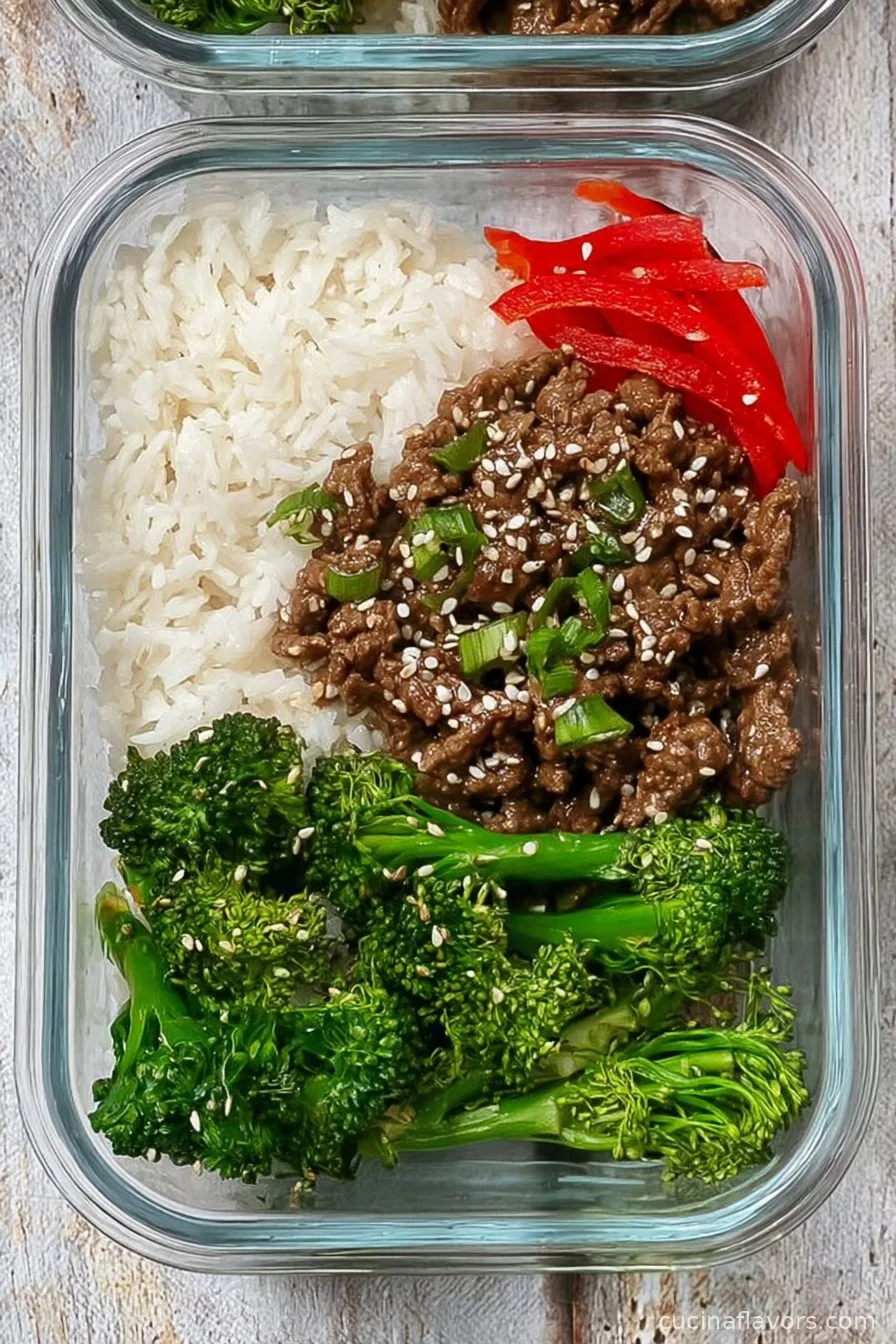
Rooted in the rich culinary traditions of Northern China rather than Mongolia itself, Mongolian beef is beloved in American-Chinese restaurants for its sweet-salty sauce, velvety beef slices, and crisp vegetables.
This updated recipe makes it suitable for healthy meal prep by emphasizing lean flank steak, fresh broccoli, and a lighter sauce. For busy families, students, or professionals, these bowls offer the perfect solution: a homemade, delicious meal ready much faster than takeout, yet packed with protein and colorful veggies.
The secret in preparing Quick Mongolian Beef Bowls with Broccoli | Healthy Meal Prep lies in balancing flavors—ginger, garlic, and green onions dancing through the dish, mingling with a slightly sweet soy-based sauce.
Serve it over brown rice, cauliflower rice, or whole-grain noodles for nutritionally balanced meal prep you can enjoy all week long. Whether you're new to Asian-inspired cooking or looking to refine your healthy repertoire, this recipe stands out for its simplicity, fresh taste, and adaptability.
Read on to discover how to master this mouth-watering dish, perfect for weeknight dinners or grab-and-go lunches that don't compromise on flavor or nutrition.
Ingredients
- 1 pound flank steak, thinly sliced against the grain
- 2 cups broccoli florets
- 1 tablespoon cornstarch
- 2 tablespoons low sodium soy sauce
- 2 tablespoons dark soy sauce
- 2 tablespoons brown sugar or coconut sugar
- 1 tablespoon oyster sauce (optional)
- 3 cloves garlic, minced
- 1- inch piece of ginger, minced
- 3 green onions, sliced and divided (white and green parts separated)
- 2 tablespoons toasted sesame oil, divided
- 1 tablespoon neutral oil (such as avocado or canola)
- ¼ cup water
- 1 teaspoon red pepper flakes (optional)
- Cooked rice, brown rice, or cauliflower rice, for serving
- Toasted sesame seeds, for garnish
Instructions
- Prepare the steak by tossing the thinly sliced beef in cornstarch until evenly coated. Set aside while prepping remaining ingredients.
- Blanch or steam the broccoli florets for 2 minutes until bright green and just tender. Drain and set aside.
- In a small bowl, whisk together low sodium soy sauce, dark soy sauce, brown sugar, oyster sauce (if using), and water. Set aside.
- Heat 1 tablespoon toasted sesame oil and neutral oil in a large skillet or wok over medium-high heat.
- Add the beef in a single layer and cook undisturbed for 1-2 minutes until browned. Flip and cook another 1-2 minutes. Remove beef and keep warm.
- Add remaining sesame oil to the pan. Sauté garlic, ginger, and the white parts of green onions until fragrant, about 30 seconds.
- Return the cooked beef to the skillet. Pour in the sauce, add red pepper flakes if using, and stir thoroughly.
- Simmer for 2-3 minutes until the sauce thickens and coats the beef.
- Stir in the steamed broccoli and toss to combine, allowing the broccoli to soak up the sauce for 1 minute.
- Serve the Mongolian beef and broccoli mix over your choice of rice. Garnish with green onions and toasted sesame seeds.
Nutritional Information
Each serving of Quick Mongolian Beef Bowls with Broccoli | Healthy Meal Prep delivers a well-balanced array of macronutrients and micronutrients, making it an excellent choice for those pursuing a healthy diet.
Lean flank steak is a superior source of high-quality protein, supporting muscle maintenance and growth with relatively low saturated fat compared to other cuts. Broccoli is nutrient-dense, providing ample vitamin C, vitamin K, fiber, and antioxidants that contribute to immune health, bone strength, and digestive regularity.
The strategic use of reduced-sodium soy sauce and a moderate amount of natural sweeteners means you can savor the signature Mongolian flavor without unnecessary sodium or empty calories.
One typical serving (when made with brown rice, and incorporating suggested quantities) contains approximately 380-420 calories, 32 grams protein, 13 grams fat (with most unsaturated), 38 grams carbohydrates (primarily from rice and brown sugar), 4-5 grams fiber, and less than 600 mg sodium.
Adjusting the recipe with cauliflower rice further reduces carbs for those on lower-carb or keto diets. Thanks to its high protein and fiber content, this meal is satiating and keeps energy levels steady throughout the day, supporting weight management and long-term health goals.

Wine and Beverage Pairings
A vibrant, aromatic beverage pairing can elevate your Quick Mongolian Beef Bowls with Broccoli | Healthy Meal Prep experience. For wine enthusiasts, a light-bodied and low-tannin red wine such as Pinot Noir complements the savory-sweet sauce without overwhelming the palate.
Alternatively, an off-dry Riesling or a Sauvignon Blanc balances the dish's umami flavors and adds a refreshing acidity. For non-alcoholic options, a cold jasmine green tea or sparkling water with a squeeze of lime enhances the meal’s freshness and cuts through the richness of the beef.
Lightly sweetened iced teas, such as peach or lemon, also pair beautifully with Asian-inspired flavors. Choose your favorite to suit the occasion and your preferences.
Cooking Tips and Variations
For the best texture in your Quick Mongolian Beef Bowls with Broccoli | Healthy Meal Prep, always slice steak thinly against the grain; this ensures tenderness and prevents chewiness.
If you’re short on time or meal-prepping in bulk, opt for pre-cut stir fry beef or even ground beef for ultimate convenience, though the classic texture comes from sliced steak.
Steaming or blanching the broccoli ahead keeps it brightly colored and slightly crisp, so it doesn’t turn mushy when tossed in with the sauce. Feel free to substitute in snap peas, bell peppers, or baby bok choy for a more colorful veggie mix.
To keep the dish gluten-free, swap soy sauce for tamari or coconut aminos and use a gluten-free oyster sauce if desired. If a lower-sugar version is preferred, reduce the brown sugar to 1 tablespoon or use a sugar substitute like monk fruit.
For a spicier kick, increase red pepper flakes or stir in a dash of chili garlic sauce at the end. This recipe works great for meal prep—simply portion into airtight containers with your grain of choice, refrigerate, and enjoy all week long.
To refresh the texture, add a splash of water before microwaving leftovers.

Serving Suggestions
Serve these Quick Mongolian Beef Bowls with Broccoli | Healthy Meal Prep hot, fresh from the skillet or as a make-ahead lunch.
For an attractive and practical presentation, scoop a perfect portion of brown rice or cauliflower rice into deep bowls, then spoon the glossy Mongolian beef and broccoli mixture over the top.
Finish with a sprinkle of green parts of the scallions and a scatter of toasted sesame seeds for texture and color. This dish also looks impressive over a bed of whole-grain noodles or mixed with additional sautéed vegetables for an even heartier bowl.
Accompany with a side of Asian-inspired pickled cucumbers, edamame, or miso soup to round out the nutrition and add variety to your meal prep.
For gatherings or family dinners, serve these beef bowls as part of a build-your-own bowl bar, allowing everyone to customize with optional toppings like shredded carrots, kimchi, or chili oil.
To keep your meal prep plan organized and appetizing, divide the beef, broccoli, and grains into individual containers and store in the fridge for up to four days. Add fresh garnishes just before serving to maintain crunch and vibrancy.
Health Benefits
Quick Mongolian Beef Bowls with Broccoli | Healthy Meal Prep offer a host of health advantages. The lean beef provides complete protein essential for muscle health, repair, and satiety.
Broccoli, a cruciferous powerhouse, supplies antioxidants, phytochemicals, and vitamins such as C, K, and folate, supporting everything from immune health to bone density. Using a moderate amount of healthy oils and the option for reduced-sodium soy sauce helps maintain heart health by keeping fats and sodium in check.
The fiber from broccoli and optional brown rice supports digestive wellness and blood sugar stabilization. Those looking to control calories or reduce carbs can substitute cauliflower rice, which further boosts vegetable intake and fiber without sacrificing satisfaction.
Compared to takeout or restaurant versions, this home-cooked version cuts unnecessary additives, preservatives, and excess sodium, making it suitable for weight management, diabetes, and general wellness plans.
Frequently Asked Questions
Absolutely. These bowls are ideal for meal prep. Cook as directed, portion into airtight containers with your grain of choice, and refrigerate for up to four days. Add garnishes like green onions and sesame seeds just before serving.
Yes, these bowls work well with chicken, turkey, tofu, or tempeh for a vegetarian or lighter option. Adjust cooking times as needed to ensure your protein is cooked through.
With a quick swap of tamari or coconut aminos for soy sauce and gluten-free oyster sauce, this dish becomes gluten-free. Serve with gluten-free grains for complete peace of mind.
Increase the red pepper flakes or stir in chili garlic sauce at the end. You can also add a dash of sriracha or use hot sesame oil for an extra kick.
While best enjoyed fresh or refrigerated, you can freeze the cooked beef and broccoli mixture (without rice) for up to 2 months. Thaw in the refrigerator and reheat before serving.
With bold flavors, hearty textures, and a focus on balanced nutrition, Quick Mongolian Beef Bowls with Broccoli | Healthy Meal Prep are the answer to busy weeknights and efficient lunches. This recipe elevates familiar takeout comforts while keeping your goals for health and convenience on track. Whether you're building your meal prep repertoire, catering to a busy family, or seeking craveable yet wholesome Asian-inspired dishes, this recipe covers all the bases. Make this your new go-to for quick, satisfying, and nourishing meals that everyone will love.
Ingredients
- 1 pound flank steak, thinly sliced against the grain
- 2 cups broccoli florets
- 1 tablespoon cornstarch
- 2 tablespoons low sodium soy sauce
- 2 tablespoons dark soy sauce
- 2 tablespoons brown sugar or coconut sugar
- 1 tablespoon oyster sauce (optional)
- 3 cloves garlic, minced
- 1- inch piece of ginger, minced
- 3 green onions, sliced and divided (white and green parts separated)
- 2 tablespoons toasted sesame oil, divided
- 1 tablespoon neutral oil (such as avocado or canola)
- ¼ cup water
- 1 teaspoon red pepper flakes (optional)
- Cooked rice, brown rice, or cauliflower rice, for serving
- Toasted sesame seeds, for garnish
Instructions
-
1Prepare the steak by tossing the thinly sliced beef in cornstarch until evenly coated. Set aside while prepping remaining ingredients.
-
2Blanch or steam the broccoli florets for 2 minutes until bright green and just tender. Drain and set aside.
-
3In a small bowl, whisk together low sodium soy sauce, dark soy sauce, brown sugar, oyster sauce (if using), and water. Set aside.
-
4Heat 1 tablespoon toasted sesame oil and neutral oil in a large skillet or wok over medium-high heat.
-
5Add the beef in a single layer and cook undisturbed for 1-2 minutes until browned. Flip and cook another 1-2 minutes. Remove beef and keep warm.
-
6Add remaining sesame oil to the pan. Sauté garlic, ginger, and the white parts of green onions until fragrant, about 30 seconds.
-
7Return the cooked beef to the skillet. Pour in the sauce, add red pepper flakes if using, and stir thoroughly.
-
8Simmer for 2-3 minutes until the sauce thickens and coats the beef.
-
9Stir in the steamed broccoli and toss to combine, allowing the broccoli to soak up the sauce for 1 minute.
-
10Serve the Mongolian beef and broccoli mix over your choice of rice. Garnish with green onions and toasted sesame seeds.
Approximate Information for One Serving
Nutrition Disclaimers
Number of total servings shown is approximate. Actual number of servings will depend on your preferred portion sizes.
Nutritional values shown are general guidelines and reflect information for 1 serving using the ingredients listed, not including any optional ingredients. Actual macros may vary slightly depending on specific brands and types of ingredients used.
To determine the weight of one serving, prepare the recipe as instructed. Weigh the finished recipe, then divide the weight of the finished recipe (not including the weight of the container the food is in) by the desired number of servings. Result will be the weight of one serving.
Did you make this recipe?
Please consider Pinning it!
Leave a Reply