
Teriyaki Chicken Meal Prep has become a staple for those seeking a balance between convenience, nutrition, and bold flavor. This delicious Japanese-inspired dish features tender chicken breast or thighs coated in a savory-sweet teriyaki sauce, served with sides such as fluffy steamed rice and crisp vegetables.
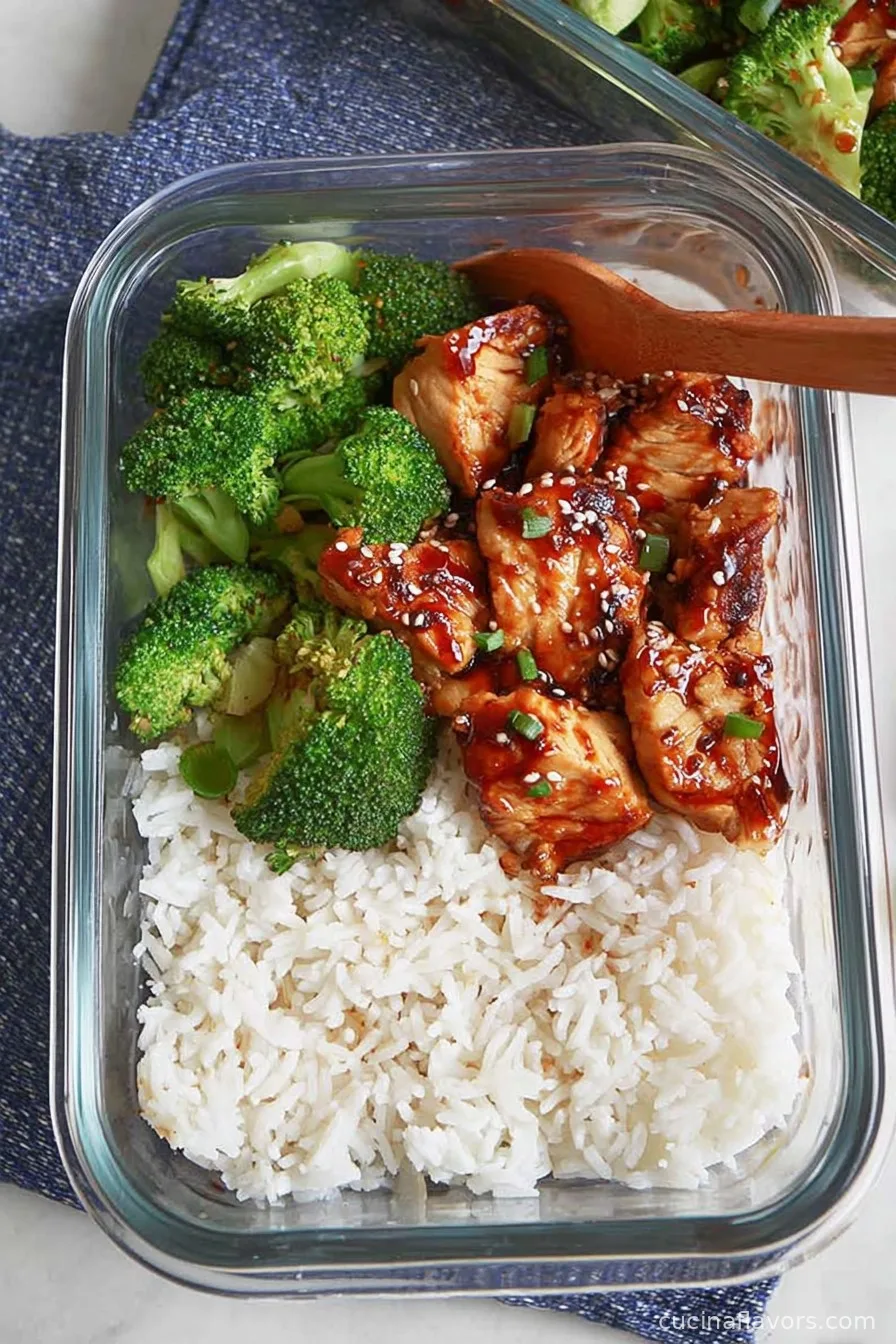
Popularized in the United States as part of Japanese cuisine's wave of international popularity, teriyaki chicken has adapted over time, blending traditional flavors with modern dietary and meal-prep trends.
Today, Teriyaki Chicken Meal Prep is renowned for its fantastic flavors, manageable ingredient list, and its ability to keep well, making it perfect for busy professionals, students, or anyone who seeks wholesome, prepared meals throughout the week.
Focusing on meal prep means you can enjoy a home-cooked, flavorful dish while saving both time and money. By making Teriyaki Chicken Meal Prep part of your weekly routine, you get to explore the deep umami notes and caramelized glaze of authentic teriyaki without resorting to takeout.
This dish is also easily customizable, allowing you to tailor sides and vegetables according to your preferences or dietary needs.
Whether you're new to meal prepping or seeking to add a crowd-pleasing recipe to your collection, this Teriyaki Chicken Meal Prep recipe offers step-by-step guidance to create restaurant-quality lunches or dinners right at home.
Ingredients
- 1.5 lbs (680g) boneless, skinless chicken breasts or thighs
- ½ cup low-sodium soy sauce
- ¼ cup mirin (Japanese sweet rice wine)
- ¼ cup honey or brown sugar
- 2 tablespoons rice vinegar
- 2 garlic cloves, minced
- 1 tablespoon fresh ginger, grated
- 1 tablespoon cornstarch
- 2 tablespoons water
- 2 tablespoons sesame oil or vegetable oil
- 3 cups steamed white or brown rice
- 2 cups broccoli florets
- 1 large carrot, sliced
- 1 red bell pepper, sliced
- 2 tablespoons sesame seeds (optional)
- 2 green onions, thinly sliced (optional)
Instructions
- Cut the chicken breasts or thighs into bite-sized pieces and lightly season with salt and pepper.
- In a small mixing bowl, whisk together soy sauce, mirin, honey, rice vinegar, minced garlic, and grated ginger to make the teriyaki sauce.
- Heat 1 tablespoon of oil in a large skillet or wok over medium-high heat. Add the chicken pieces and cook for 5-7 minutes until browned and cooked through. Remove chicken and set aside.
- In the same skillet, add another tablespoon of oil if needed. Add the broccoli florets, sliced carrots, and bell pepper, sautéing for about 3-4 minutes until vegetables are crisp-tender.
- Return the chicken to the skillet with the vegetables.
- Pour the teriyaki sauce over the chicken and vegetables. Stir well to combine and heat through.
- In a separate bowl, dissolve cornstarch in water to create a slurry. Add this mixture to the pan and stir continuously until the sauce thickens, about 2 minutes.
- Once the sauce is glossy and the chicken is well-coated, remove from heat.
- Divide cooked rice among four meal prep containers, then top each with equal portions of teriyaki chicken and vegetables.
- Garnish with sesame seeds and sliced green onions, if desired. Allow to cool before sealing and refrigerating.
Nutritional Information
Teriyaki Chicken Meal Prep is a well-balanced meal offering a wholesome combination of protein, complex carbohydrates, and fiber. A standard serving containing chicken breast, rice, and generous servings of vegetables typically provides approximately 400-500 calories, depending on the specific ingredients and portion sizes.
Each serving boasts around 35-40 grams of protein, which is crucial for muscle repair and satiety, making this recipe especially suitable for those tracking their macronutrients.
The inclusion of broccoli, carrots, and bell peppers provides essential vitamins, such as vitamin A, C, and K, along with minerals like potassium and calcium.
Thanks to the use of low-sodium soy sauce and natural sweeteners like honey, this recipe can be suitable for a heart-healthy diet compared to traditional takeout options, which often include excess sodium and added sugars.
The rice, whether you choose brown or white, offers carbohydrates necessary for fueling your body throughout the day. Choosing brown rice increases fiber and micronutrient content, further promoting digestive health.
The meal is moderate in healthy fats, especially if you opt for sesame oil, which contains beneficial omega fatty acids and a rich, nutty flavor profile.
By controlling the quality and quantity of each component, Teriyaki Chicken Meal Prep allows you to enjoy a nutritious meal without sacrificing taste or satisfaction.
Wine and Beverage Pairings
Pair Teriyaki Chicken Meal Prep with a light, crisp beverage to complement its savory-sweet notes. A chilled glass of dry Riesling or Sauvignon Blanc works well, balancing the richness of the teriyaki sauce while providing refreshing acidity.
Those who prefer non-alcoholic options can enjoy sparkling water infused with citrus or a milder green tea, both of which help cleanse the palate and enhance the meal’s flavors.
Japanese beers, such as Asahi or Sapporo, are excellent choices for a more traditional pairing, providing a subtle hop profile that complements the glossy glaze of the dish.
Cooking Tips and Variations
For the juiciest Teriyaki Chicken Meal Prep, marinate the chicken in the teriyaki sauce for 30 minutes to an hour before cooking to intensify the flavor. If you prefer dark meat, boneless skinless chicken thighs deliver more tenderness and richness, while chicken breast offers a leaner alternative.
If you love variety, try incorporating stir-fry vegetables like snap peas, snow peas, zucchini, or mushrooms. Swap white rice for brown rice or quinoa for a fiber boost. To make the meal gluten-free, substitute tamari or coconut aminos for soy sauce and ensure all other ingredient labels are gluten-free.
For a lower-sugar version, reduce the honey or replace it with a sugar substitute that suits your preference. Cooked chicken and sauce can also be portioned separately to maintain optimal texture; simply rewarm and combine before serving each day.
If meal prepping for the week, always allow all components to cool completely before sealing to avoid excess condensation and preserve freshness. For added heat, a drizzle of sriracha or a sprinkle of chili flakes can bring a pleasant kick without overpowering the teriyaki charm.

Serving Suggestions
Teriyaki Chicken Meal Prep is designed for easy portioning and convenient storage, making it ideal for busy weeknights or on-the-go lunches. Each prepped meal can be stored in airtight containers for up to four days in the refrigerator, ensuring freshness with minimal effort.
For the best results, allow the meal to cool completely before sealing to maintain texture and prevent sogginess. Warm each serving in the microwave or on the stovetop, adding a splash of water or extra sauce if needed to bring back moisture.
Garnishing with fresh green onions and sesame seeds right before serving enhances visual appeal and adds a slight crunch. For variety, rotate your sides — serve with a crisp cabbage slaw, pickled cucumbers, or a side of edamame for extra protein and flavor.
If you're serving to guests or for a family dinner, arrange the chicken and vegetables over a large platter of rice and sprinkle with a medley of colorful vegetable garnishes. For extra nutrition, add sliced avocado or a side of mixed greens.
This recipe adapts beautifully to different preferences, ensuring everyone can enjoy a hearty, satisfying meal. Individual portions make Teriyaki Chicken Meal Prep perfect for meal prep beginners and seasoned planners alike, making weekday meals as effortless as they are flavorful.
Health Benefits
Teriyaki Chicken Meal Prep not only delights your taste buds but also provides several health benefits. Lean chicken is an excellent source of high-quality protein, which is essential for maintaining muscle mass, supporting a healthy metabolism, and promoting fullness after meals.
Including ample vegetables like broccoli, carrots, and bell peppers supplies antioxidants, vitamins, and dietary fiber—supporting immune health, digestive function, and overall well-being. When prepared with low-sodium soy sauce, this meal reduces excessive sodium intake, helping to support healthy blood pressure levels.
Using natural sweeteners such as honey in moderation lowers the glycemic impact compared to refined sugar. Opting for brown rice over white adds additional fiber, vitamins, and minerals that benefit heart and gut health. Additionally, meal prepping encourages portion control and mindful eating, both crucial for maintaining a healthy lifestyle.
Making Teriyaki Chicken Meal Prep at home allows you to tailor ingredients to your nutritional goals, minimize processed additives, and ensure that every meal supports your wellness journey.
Frequently Asked Questions
Teriyaki Chicken Meal Prep, when stored properly in airtight containers, lasts up to four days in the refrigerator. Always allow meals to cool before sealing to maintain freshness.
Yes, Teriyaki Chicken and rice freeze well. Store in freezer-safe containers for up to two months. Reheat gently and add a splash of water or sauce to revive texture and flavor.
Yes, when prepared with lean chicken, plenty of vegetables, and a reasonable portion of rice. Use low-sodium soy sauce and moderate the sweetener for an even healthier version.
You can use store-bought teriyaki sauce for convenience, but homemade sauce allows more control over ingredients, flavor, and sodium content.
Broccoli, carrots, and bell peppers are classic, but you can add snap peas, zucchini, mushrooms, or any favorite stir-fry vegetables.
Teriyaki Chicken Meal Prep combines irresistible flavors and balanced nutrition, making it a standout choice for anyone seeking delicious, make-ahead weekday meals. With simple steps, customizable options, and storage tips, this recipe fits seamlessly into any meal planning routine. Whether you favor classic sides or creative vegetable variations, Teriyaki Chicken Meal Prep ensures each meal remains satisfying and packed with flavor. Adapt it to suit your needs and savor a homemade dish that’s conveniently within reach all week long.
Ingredients
- 1.5 lbs (680g) boneless, skinless chicken breasts or thighs
- ½ cup low-sodium soy sauce
- ¼ cup mirin (Japanese sweet rice wine)
- ¼ cup honey or brown sugar
- 2 tablespoons rice vinegar
- 2 garlic cloves, minced
- 1 tablespoon fresh ginger, grated
- 1 tablespoon cornstarch
- 2 tablespoons water
- 2 tablespoons sesame oil or vegetable oil
- 3 cups steamed white or brown rice
- 2 cups broccoli florets
- 1 large carrot, sliced
- 1 red bell pepper, sliced
- 2 tablespoons sesame seeds (optional)
- 2 green onions, thinly sliced (optional)
Instructions
-
1Cut the chicken breasts or thighs into bite-sized pieces and lightly season with salt and pepper.
-
2In a small mixing bowl, whisk together soy sauce, mirin, honey, rice vinegar, minced garlic, and grated ginger to make the teriyaki sauce.
-
3Heat 1 tablespoon of oil in a large skillet or wok over medium-high heat. Add the chicken pieces and cook for 5-7 minutes until browned and cooked through. Remove chicken and set aside.
-
4In the same skillet, add another tablespoon of oil if needed. Add the broccoli florets, sliced carrots, and bell pepper, sautéing for about 3-4 minutes until vegetables are crisp-tender.
-
5Return the chicken to the skillet with the vegetables.
-
6Pour the teriyaki sauce over the chicken and vegetables. Stir well to combine and heat through.
-
7In a separate bowl, dissolve cornstarch in water to create a slurry. Add this mixture to the pan and stir continuously until the sauce thickens, about 2 minutes.
-
8Once the sauce is glossy and the chicken is well-coated, remove from heat.
-
9Divide cooked rice among four meal prep containers, then top each with equal portions of teriyaki chicken and vegetables.
-
10Garnish with sesame seeds and sliced green onions, if desired. Allow to cool before sealing and refrigerating.
Approximate Information for One Serving
Nutrition Disclaimers
Number of total servings shown is approximate. Actual number of servings will depend on your preferred portion sizes.
Nutritional values shown are general guidelines and reflect information for 1 serving using the ingredients listed, not including any optional ingredients. Actual macros may vary slightly depending on specific brands and types of ingredients used.
To determine the weight of one serving, prepare the recipe as instructed. Weigh the finished recipe, then divide the weight of the finished recipe (not including the weight of the container the food is in) by the desired number of servings. Result will be the weight of one serving.
Did you make this recipe?
Please consider Pinning it!
Leave a Reply