
A coffee protein smoothie merges the rich flavors of your favorite morning brew with the nutritional punch of a protein shake, making it one of the most sought-after healthy breakfast options today.
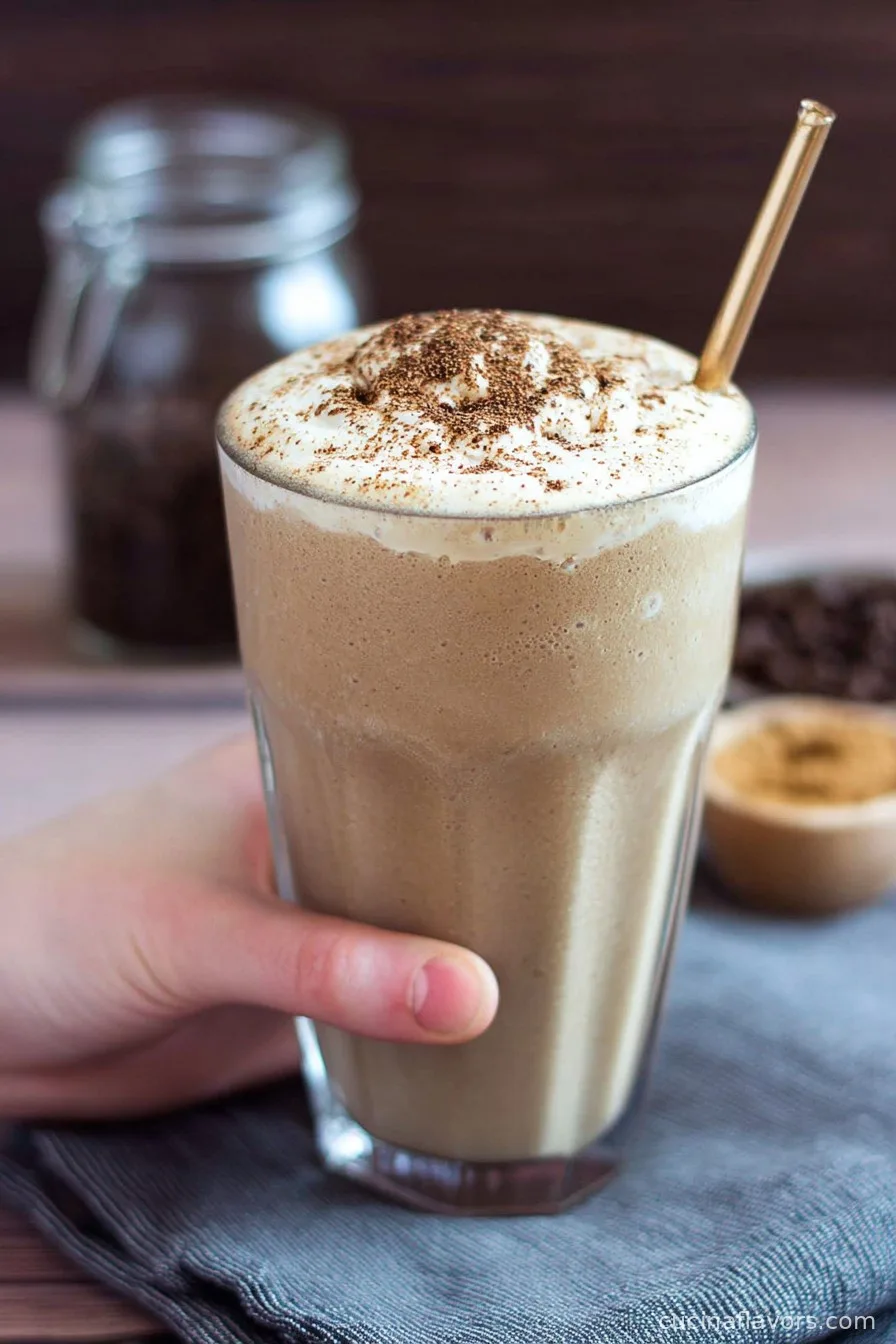
As more people embrace busy schedules and seek ways to fuel their bodies efficiently, the coffee protein smoothie has risen as a star in the world of nutritious beverages.
Combining protein powder, cold brew or chilled coffee, and a creamy base, this drink delivers both an energy boost and a satisfying, hunger-curbing meal. Its roots lie in the evolution of breakfast convenience, where shakes and smoothies became staples for athletes and on-the-go professionals alike.
Over the past decade, the popularity of coffee-based recipes has soared, thanks to their unique ability to provide both flavor and functionality.
Whether you’re an athlete needing pre- or post-workout fuel, a student cramming for exams, or simply a coffee enthusiast seeking a healthier alternative to sugary café drinks, this coffee protein smoothie recipe is a perfect addition to your morning routine.
Crafted to maximize flavor and nutrition, every serving offers a harmonious balance between the invigorating taste of coffee and the sustaining fullness from high-quality protein, ensuring that you start your day right.
Ingredients
- 1 cup cold brew coffee or chilled brewed coffee
- 1 scoop vanilla or chocolate protein powder
- 1 medium frozen banana
- ½ cup unsweetened almond milk (or milk of choice)
- 1 tablespoon natural almond or peanut butter
- ½ teaspoon pure vanilla extract
- 1 teaspoon honey or maple syrup (optional)
- ¼ teaspoon ground cinnamon (optional)
- ½ cup ice (more or less for desired thickness)
Instructions
- Add cold brew coffee, almond milk, and frozen banana to a high-speed blender.
- Scoop in the protein powder and add the nut butter of your choice.
- Pour in vanilla extract, and if desired, honey or maple syrup for sweetness.
- Sprinkle in ground cinnamon if you prefer a hint of spice.
- Add the ice last to help achieve a creamy, thick texture.
- Blend on high for 45–60 seconds, or until completely smooth and creamy.
- Taste and adjust sweetness or consistency, adding more milk to thin or more ice to thicken.
- Pour into a tall glass and serve immediately for best taste and texture.
Nutritional Information
The coffee protein smoothie is a balanced nutritional powerhouse designed to give your morning a strong start. Each serving, when prepared with almond milk, banana, protein powder, and nut butter, typically contains around 260-320 calories.
The smoothie offers 18–25 grams of high-quality protein, supporting muscle repair and promoting satiety throughout your morning. Thanks to the banana, you receive a boost of potassium, fiber, and natural sweetness without relying on processed sugars.
Nut butter adds heart-healthy fats and additional protein, while almond milk contributes very few calories, making this recipe suitable for those watching their calorie intake. The cold brew coffee contains moderate caffeine, usually about 70–120 mg per cup, to help enhance alertness and focus.
Carbohydrates in the smoothie are mostly from nutrient-rich sources, providing about 25–35 grams depending on the ingredients and serving size. For those monitoring dietary needs, this coffee protein smoothie can be made dairy-free, gluten-free, and easily adapted to vegan preferences by choosing a plant-based protein powder.
Its combination of macronutrients makes it ideal for breakfast, a midday snack, or a post-workout meal, supporting energy, muscle recovery, and overall well-being.

Wine and Beverage Pairings
As the coffee protein smoothie is itself a beverage, it pairs best with water or sparkling water to cleanse the palate and balance flavors.
If you desire an additional drink, consider a simple herbal tea or a small glass of fresh orange juice, as the vitamin C may help offset the slight bitterness of the coffee notes. Avoid pairing with another caffeinated drink to keep your total caffeine intake moderate.
For a luxurious twist, serve with a shot of almond milk foam on top or a sprinkle of cocoa powder.
Cooking Tips and Variations
For the best coffee protein smoothie experience, always use chilled coffee or cold brew to avoid melting the ice and diluting the flavor. If you prefer a stronger coffee taste, reduce the almond milk and add an extra shot of espresso or a tablespoon of instant coffee powder.
The choice of protein powder greatly affects the flavor, so opt for high-quality brands in vanilla, chocolate, or even coffee flavors for an added boost. To thicken the smoothie, use a frozen banana and adjust the amount of ice based on your preferred consistency.
Enhance nutrition by adding a handful of spinach or kale for fiber and micronutrients; the flavors blend seamlessly without overpowering the coffee taste. Consider incorporating chia or flax seeds for additional omega-3s and fiber.
If you’re following a vegan diet, simply switch to plant-based protein powder and a non-dairy milk alternative. For sweetness, natural options like dates, honey, or maple syrup work well, but keep added sugars minimal for maximum health benefits.
This smoothie is extremely versatile: try adding cacao nibs, coconut flakes, or Greek yogurt for extra texture and creaminess. Experiment with spices such as cinnamon, nutmeg, or even a dash of cardamom for personalized flavor profiles.

Serving Suggestions
Coffee protein smoothies are best served immediately after blending when their texture is at its creamiest and flavors are most pronounced. Pour into a tall glass or an insulated to-go cup if you are taking it on the road.
For an elegant presentation, garnish with a light dusting of ground cinnamon, a few cacao nibs, or a swirl of nut butter on top. This smoothie is also delicious poured over a handful of ice cubes for added chill.
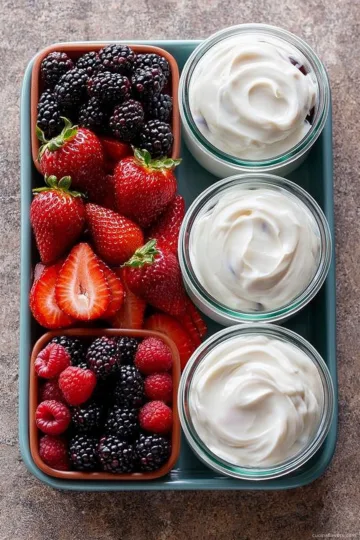
Pair it alongside a small bowl of mixed berries or a slice of whole-grain toast for a balanced, satisfying breakfast.
For a meal prep approach, you can portion out the dry ingredients and keep them in individual containers, then blend with your liquid and banana in the morning for a quick breakfast.
The coffee protein smoothie travels well, making it perfect for commutes, post-workout recovery, or as a healthy afternoon pick-me-up. Serve chilled to preserve its refreshing nature and invigorating taste.
Health Benefits
The coffee protein smoothie offers a range of health benefits due to its thoughtfully balanced ingredients. High-quality protein supports muscle maintenance and growth, while also helping to keep you fuller for longer, making it an excellent option for weight management and appetite control.
The caffeine from the coffee can enhance mental alertness and improve focus, particularly helpful for busy mornings. Bananas provide essential vitamins like B6 and C, as well as potassium, which regulates fluid balance and supports cardiovascular health. Nut butter contributes healthy monounsaturated fats, aiding heart health and satiety.
Almond milk offers a low-calorie, dairy-free base that is gentle on the digestive system and suitable for those with lactose sensitivity. With minimal added sugars and abundant natural nutrients, this smoothie fits well into many healthy eating plans, including high-protein, low-sugar, gluten-free, and dairy-free diets.
Additionally, the antioxidants present in both coffee and bananas may help combat inflammation and oxidative stress. Adjust the ingredients to suit your dietary needs, such as using plant-based protein for a vegan version, to ensure you receive the nutrition your body needs while still enjoying a delicious treat.
Frequently Asked Questions
Yes, you can substitute Greek yogurt, cottage cheese, or silken tofu for protein powder to maintain protein content while avoiding processed supplements.
It's best enjoyed fresh, but you can refrigerate the blended smoothie in an airtight container for up to 24 hours. Give it a good shake or stir before drinking, as separation may occur.
Both whey and plant-based protein powders work well. Choose vanilla, chocolate, or coffee flavors for the best taste integration with coffee.
Yes, its high protein content can promote satiety and help support weight management goals, especially when made with minimal added sugars.
Absolutely. Use a plant-based protein powder and your favorite non-dairy milk, such as almond, soy, or oat milk, to create a vegan coffee protein smoothie.
The coffee protein smoothie stands out as a nourishing, energizing, and incredibly versatile way to start your day or refuel after a workout. Its combination of invigorating coffee, satiating protein, and wholesome ingredients makes it a go-to breakfast or snack for anyone seeking improved energy, better nutrition, and remarkable convenience. Customizable for every taste and dietary need, this smoothie fits seamlessly into healthy lifestyles, offering a powerful blend of flavor, function, and satisfaction. Whether you prefer it sweet, rich, or with nutritious add-ins, the coffee protein smoothie will remain a staple in any wholesome diet for years to come.
Ingredients
- 1 cup cold brew coffee or chilled brewed coffee
- 1 scoop vanilla or chocolate protein powder
- 1 medium frozen banana
- ½ cup unsweetened almond milk (or milk of choice)
- 1 tablespoon natural almond or peanut butter
- ½ teaspoon pure vanilla extract
- 1 teaspoon honey or maple syrup (optional)
- ¼ teaspoon ground cinnamon (optional)
- ½ cup ice (more or less for desired thickness)
Instructions
-
1Add cold brew coffee, almond milk, and frozen banana to a high-speed blender.
-
2Scoop in the protein powder and add the nut butter of your choice.
-
3Pour in vanilla extract, and if desired, honey or maple syrup for sweetness.
-
4Sprinkle in ground cinnamon if you prefer a hint of spice.
-
5Add the ice last to help achieve a creamy, thick texture.
-
6Blend on high for 45–60 seconds, or until completely smooth and creamy.
-
7Taste and adjust sweetness or consistency, adding more milk to thin or more ice to thicken.
-
8Pour into a tall glass and serve immediately for best taste and texture.
Approximate Information for One Serving
Nutrition Disclaimers
Number of total servings shown is approximate. Actual number of servings will depend on your preferred portion sizes.
Nutritional values shown are general guidelines and reflect information for 1 serving using the ingredients listed, not including any optional ingredients. Actual macros may vary slightly depending on specific brands and types of ingredients used.
To determine the weight of one serving, prepare the recipe as instructed. Weigh the finished recipe, then divide the weight of the finished recipe (not including the weight of the container the food is in) by the desired number of servings. Result will be the weight of one serving.
Did you make this recipe?
Please consider Pinning it!
Leave a Reply