
Chocolate Cake Baked Donut Holes offer a delightful twist on the classic donut experience. These bite-sized treats are all about double chocolate decadence, blending the moist richness of chocolate cake with the nostalgic joy of donut holes.
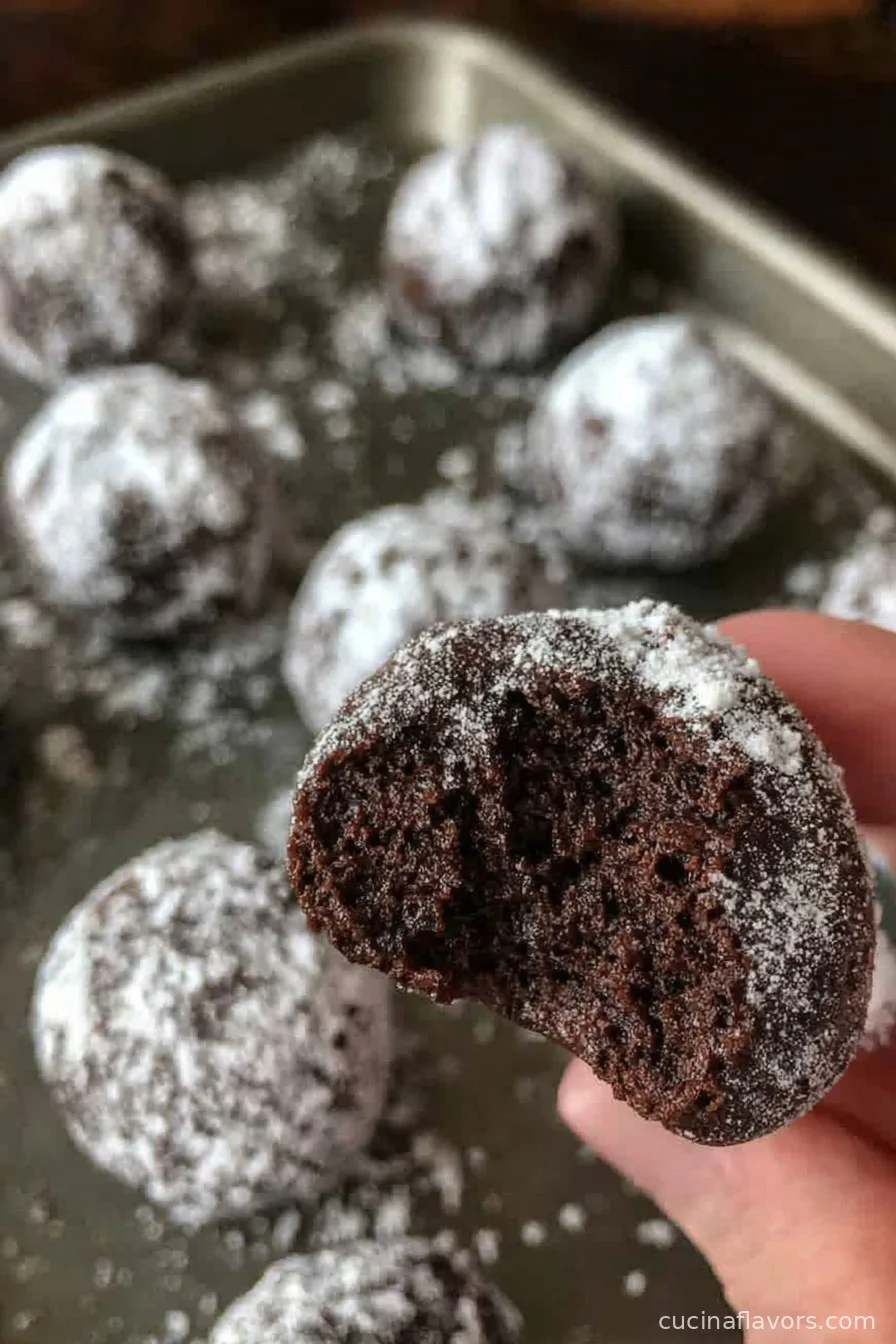
Perfect for breakfast, dessert, or snacks, they bring a gourmet touch to your everyday menu. While traditional donut holes are fried, baking provides a healthier alternative while maintaining that irresistible, tender crumb.
The history of chocolate cake itself is fascinating, tracing back to the 18th century, when innovations in baking powder allowed cakes to rise and become the fluffy delights we enjoy today. Donuts have their own storied past, beloved across cultures and often celebrated with family and friends.
Combining the best of both worlds, Chocolate Cake Baked Donut Holes appeal to the senses with their deep cocoa flavor, soft interior, and the option to coat them in a classic chocolate glaze or a dusting of powdered sugar.
Easy to prepare in your own kitchen, this recipe transforms basic pantry ingredients into crowd-pleasing morsels. Whether you're enjoying them with a warm cup of coffee or sharing them at a festive gathering, Chocolate Cake Baked Donut Holes are sure to create lasting memories and satisfy every sweet tooth.
Ingredients
- 1 cup all-purpose flour
- ⅓ cup unsweetened cocoa powder
- ½ teaspoon baking soda
- ½ teaspoon baking powder
- ¼ teaspoon salt
- ⅔ cup granulated sugar
- 1 large egg
- ½ cup buttermilk
- ¼ cup unsalted butter, melted
- 1 teaspoon vanilla extract
- ½ cup mini chocolate chips (optional)
- 2 tablespoons vegetable oil
- Topping: ½ cup chocolate chips, 2 tablespoons milk, or ¼ cup powdered sugar for dusting
Instructions
- Preheat your oven to 350°F (175°C) and grease a mini muffin tin or donut hole pan with vegetable oil.
- In a medium bowl, sift together the flour, unsweetened cocoa powder, baking soda, baking powder, and salt.
- In a separate large bowl, whisk the sugar and egg until well combined and slightly pale.
- Stir in the melted butter, buttermilk, and vanilla extract, mixing until smooth.
- Gradually add the dry ingredients to the wet mixture, stirring gently until just combined.
- Fold in the mini chocolate chips, if using, ensuring even distribution but not over-mixing.
- Spoon the batter evenly into the prepared mini muffin tin, filling each well about ¾ full.
- Bake for 10-12 minutes, or until a toothpick inserted into a donut hole comes out clean.
- Allow the donut holes to cool in the pan for 5 minutes, then transfer to a wire rack to cool completely.
- For the glaze, microwave the chocolate chips and milk together in a small bowl in 30-second bursts, stirring until smooth.
- Dip each donut hole into the glaze or roll in powdered sugar, coating thoroughly.
- Let the chocolate set before serving, or enjoy while warm for a gooey chocolate experience.
Nutritional Information
Chocolate Cake Baked Donut Holes offer a more mindful alternative to traditional fried donuts without sacrificing flavor. Each donut hole (assuming a batch makes 24) contains approximately 85 calories, 4 grams of fat, and 1.5 grams of saturated fat.
They are cholesterol-conscious, with about 13 mg per serving, and contain 11 grams of carbohydrates, mainly from the flour and sugar, plus roughly 1 gram of dietary fiber from the cocoa powder. Protein content stands at 1.5 grams per donut hole due to the egg and buttermilk.
When opting for a chocolate glaze, add about 25 calories and 1.5 grams of sugar per piece, whereas a simple dusting of powdered sugar increases the calorie count by 10 or less per donut hole.
Compared to deep-fried versions, baked donut holes significantly reduce total fat (up to 50% less) and contain less sodium, particularly if using unsalted butter. Substituting whole-wheat flour or using alternative sweeteners can further enhance their nutritional profile. For those with dietary restrictions, consider dairy-free milk or plant-based butter.
Overall, these Chocolate Cake Baked Donut Holes are a reasonable treat choice when enjoyed in moderation and can fit into a balanced lifestyle, especially when paired with fruit or a light protein-rich beverage.
Wine and Beverage Pairings
Pairing beverages with Chocolate Cake Baked Donut Holes enhances the overall tasting experience. For a classic combination, enjoy them alongside a rich cup of coffee or a creamy café mocha, where the bitterness of the coffee balances the sweet chocolate notes.
Hot chocolate with a hint of cinnamon or peppermint complements the donut holes' cocoa essence for those who prefer a non-caffeinated option. Milk—regular, almond, or oat—provides a refreshing counterpoint and is especially popular with kids.
For adult gatherings, consider serving the donut holes with a glass of ruby port, a sweet dessert wine that echoes the richness of chocolate, or a robust red wine like Zinfandel with fruit-forward undertones. Their bite-sized form makes them an adaptable companion for everything from picnics to festive brunches.
Cooking Tips and Variations
For the best Chocolate Cake Baked Donut Holes, start with high-quality cocoa powder for a richer chocolate flavor, and consider using dark chocolate chips for a more intense taste. Do not overmix the batter, as this can make the donut holes dense rather than fluffy.
If you prefer vegan options, substitute the egg with a flaxseed mixture, use plant-based milk and butter, and ensure your chocolate chips are dairy-free. Those who love a bit of crunch can roll the freshly glazed donut holes in finely chopped nuts or toasted coconut.
To create a stuffed version, insert a small piece of chocolate bar into the center of each batter portion before baking. Spice up the recipe with a pinch of cinnamon or espresso powder for unexpected depth.
These baked donut holes can be made in advance and stored in an airtight container for up to three days, or frozen (unglazed) for a month. When serving for special occasions, color the glaze with themed food coloring, or use festive sprinkles for added visual appeal.
Lastly, if you don’t own a mini muffin tin, use a standard muffin pan and cut baked pieces into halves or quarters to mimic the classic donut hole shape.

Serving Suggestions
Chocolate Cake Baked Donut Holes are best served slightly warm, either freshly baked or gently reheated. Display them on a tiered cake stand or arrange them in decorative bowls to create an inviting centerpiece on your dessert table.
For a brunch buffet, place them alongside other breakfast treats such as muffins and pastries. These donut holes also shine at children’s parties—simply skewer a few on colorful sticks or serve them in cupcake liners for easy grabbing.
If glazing, allow time for the chocolate to set, then dust lightly with cocoa powder or powdered sugar for a professional touch. For special occasions, top them with themed sprinkles or drizzle white chocolate for a visually appealing contrast.
To offer guests variety, set up a DIY dipping station with chocolate sauces, caramel, fruit preserves, or whipped cream. These versatile treats travel well, making them ideal for potlucks, picnics, or school snack boxes.
For holiday mornings, enjoy with a fruit platter and a warm beverage, making every bite a festive celebration. Great as edible gifts, wrap them in parchment and present in a charming bakery box tied with ribbon.
Health Benefits
Chocolate Cake Baked Donut Holes, though undeniably a sweet treat, have some surprising health advantages when compared to traditional fried donuts. Baking instead of frying eliminates excessive oils, reducing both total fat content and harmful trans fats.
Using cocoa powder not only imparts rich flavor but also adds antioxidants known as flavonoids, which may support heart health and lower inflammation. Buttermilk contributes calcium and probiotics, which aid digestion and bone health. Whole grain substitutions can add dietary fiber, supporting fullness and glycemic balance.
Dark chocolate chips, when used over milk chocolate, offer additional antioxidants and less sugar. For health-conscious bakers, reducing sugar and using alternative sweeteners can lower the glycemic impact, making the donut holes a smarter choice for those watching blood sugar.
While indulgent by nature, enjoying these donut holes mindfully, alongside nutrient-dense options such as fruit or protein-rich yogurt, can help maintain dietary balance. By controlling the ingredients and portion sizes at home, you make it easy to celebrate with chocolate cake baked donut holes without sacrificing well-being.
Frequently Asked Questions
Yes, substitute the all-purpose flour with a 1:1 gluten-free baking flour blend. Ensure your cocoa powder and chocolate chips are certified gluten-free as well for best results.
Keep the donut holes in an airtight container at room temperature for up to 3 days. For longer storage, freeze unglazed donut holes for up to a month and glaze after reheating.
You can use a standard muffin tin, fill the wells about half full, and after baking cut the muffins into smaller pieces to resemble traditional donut holes.
Yes, you can decrease the sugar slightly or use alternatives like coconut sugar or a 1:1 baking-safe stevia blend. The texture and sweetness may vary slightly depending on your choice.
With a few swaps—flaxseed egg instead of a regular egg, dairy-free milk and butter, and vegan-friendly chocolate chips—you can make a vegan version that’s just as delicious.
Chocolate Cake Baked Donut Holes are a must-try for anyone who loves chocolate desserts and easy baking projects. With their rich flavor and moist texture, these little bites promise joy in every mouthful—perfect for family gatherings, parties, or simply satisfying a chocolate craving at home. By baking instead of frying, you can enjoy them as a lighter, guilt-free indulgence that doesn’t compromise on taste. Customizable with your favorite add-ins or toppings, Chocolate Cake Baked Donut Holes truly fit any occasion. Whip up a batch, share with loved ones, and savor the happiness that only homemade chocolate treats can bring.
Ingredients
- 1 cup all-purpose flour
- ⅓ cup unsweetened cocoa powder
- ½ teaspoon baking soda
- ½ teaspoon baking powder
- ¼ teaspoon salt
- ⅔ cup granulated sugar
- 1 large egg
- ½ cup buttermilk
- ¼ cup unsalted butter, melted
- 1 teaspoon vanilla extract
- ½ cup mini chocolate chips (optional)
- 2 tablespoons vegetable oil
- Topping: ½ cup chocolate chips, 2 tablespoons milk, or ¼ cup powdered sugar for dusting
Instructions
-
1Preheat your oven to 350°F (175°C) and grease a mini muffin tin or donut hole pan with vegetable oil.
-
2In a medium bowl, sift together the flour, unsweetened cocoa powder, baking soda, baking powder, and salt.
-
3In a separate large bowl, whisk the sugar and egg until well combined and slightly pale.
-
4Stir in the melted butter, buttermilk, and vanilla extract, mixing until smooth.
-
5Gradually add the dry ingredients to the wet mixture, stirring gently until just combined.
-
6Fold in the mini chocolate chips, if using, ensuring even distribution but not over-mixing.
-
7Spoon the batter evenly into the prepared mini muffin tin, filling each well about ¾ full.
-
8Bake for 10-12 minutes, or until a toothpick inserted into a donut hole comes out clean.
-
9Allow the donut holes to cool in the pan for 5 minutes, then transfer to a wire rack to cool completely.
-
10For the glaze, microwave the chocolate chips and milk together in a small bowl in 30-second bursts, stirring until smooth.
-
11Dip each donut hole into the glaze or roll in powdered sugar, coating thoroughly.
-
12Let the chocolate set before serving, or enjoy while warm for a gooey chocolate experience.
Approximate Information for One Serving
Nutrition Disclaimers
Number of total servings shown is approximate. Actual number of servings will depend on your preferred portion sizes.
Nutritional values shown are general guidelines and reflect information for 1 serving using the ingredients listed, not including any optional ingredients. Actual macros may vary slightly depending on specific brands and types of ingredients used.
To determine the weight of one serving, prepare the recipe as instructed. Weigh the finished recipe, then divide the weight of the finished recipe (not including the weight of the container the food is in) by the desired number of servings. Result will be the weight of one serving.
Did you make this recipe?
Please consider Pinning it!
Leave a Reply