
Easy One-Pot Ricotta and Lemon Pasta is a delightful dish that captures the essence of Italian home cooking with minimal effort and maximum flavor. This pasta recipe embraces the concept of fuss-free, family-friendly meals without compromising taste or nutrition.
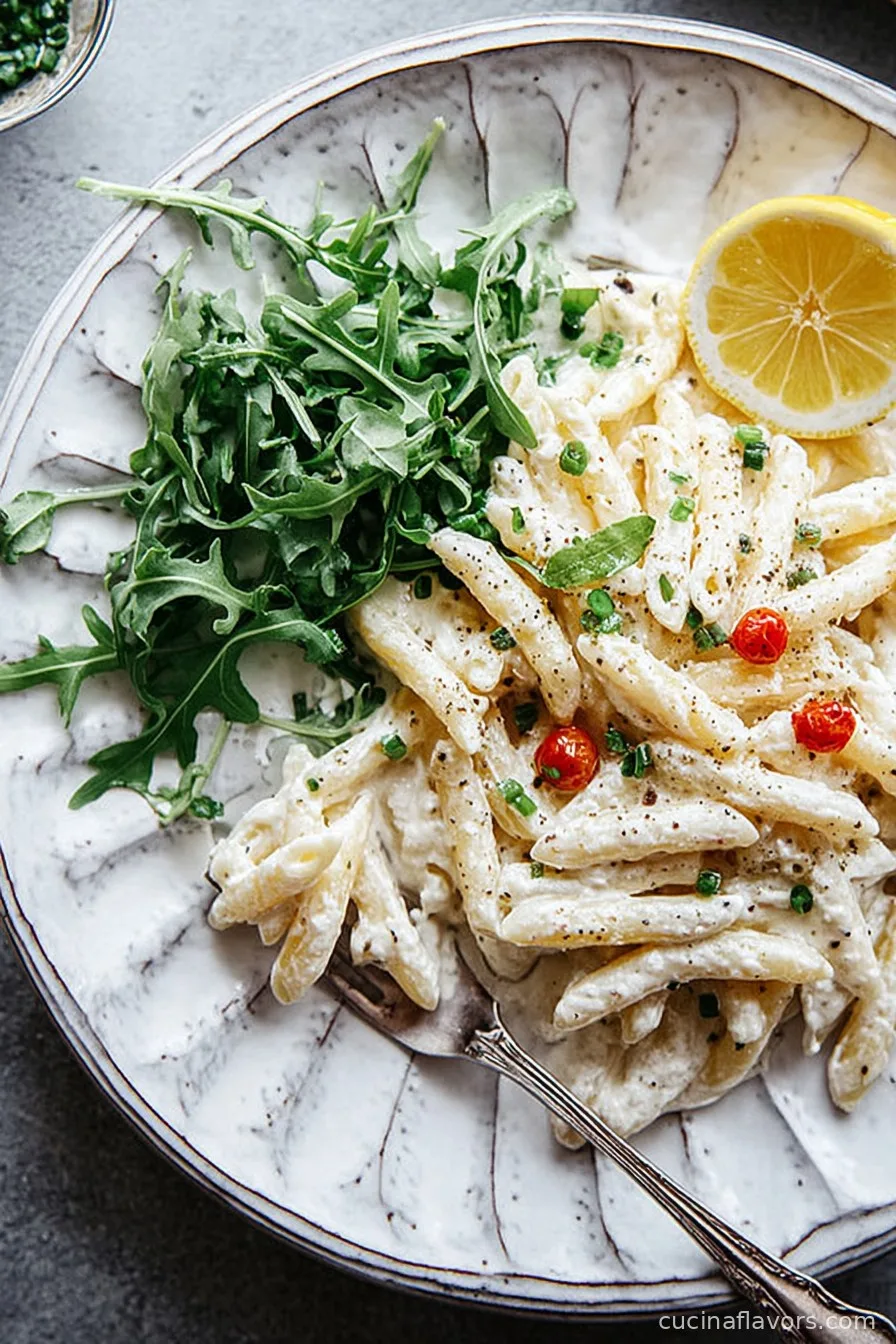
Pasta dishes have long held a special place in the culinary traditions of Italy, but their popularity reaches kitchens around the world for the same reasons: simplicity and versatility.
Ricotta cheese, with its creamy texture and mild flavor, is often used in many Italian classics, offering a luxurious yet light element to sauces and fillings. Lemon has its own celebrated history, particularly in southern Italian cuisine, where its fragrant zest and juice bring brightness and balance to many recipes.
Merging ricotta and lemon in a one-pot pasta is a modern evolution that makes weeknight cooking a breeze. Forget about multiple pans and complicated steps—this recipe unites the pasta, sauce, and aromatics in a single pot, resulting in easy preparation and even faster cleanup.
The result is a velvety, lemon-kissed ricotta sauce that clings perfectly to tender pasta.
With hints of garlic, freshness from parsley or basil, and optional touches of Parmesan, this meal is destined to become a favorite for both busy families and anyone seeking a satisfying vegetarian dinner in under 30 minutes.
Whether you’re an experienced home cook or just starting out, the ease and elegance of Easy One-Pot Ricotta and Lemon Pasta will have you coming back for seconds. This dish is not just about the convenience; it’s about capturing the sunshine and comfort of the Mediterranean with every bite.
Ingredients
- 12 oz (340 g) dried pasta (spaghetti, linguine, or penne)
- 4 cups (960 ml) water or low-sodium vegetable broth
- 1 cup (245 g) whole milk ricotta cheese
- 1 large lemon (zest and juice)
- 2 tablespoons olive oil
- 2 cloves garlic, minced
- ½ teaspoon salt (plus more to taste)
- ¼ teaspoon freshly ground black pepper
- ⅓ cup (30 g) grated Parmesan cheese, optional
- ¼ cup (7 g) chopped fresh parsley or basil
- Crushed red pepper flakes, for garnish
Instructions
- In a large, deep skillet or pot, heat the olive oil over medium heat. Add the minced garlic and sauté for about 1 minute until fragrant but not browned.
- Add the dried pasta, water or broth, salt, and black pepper to the pot. Stir to combine, ensuring the pasta is mostly submerged.
- Bring to a gentle boil, then reduce the heat to maintain a lively simmer. Cook uncovered, stirring frequently to prevent sticking, for 9-11 minutes or until the pasta is al dente and most of the liquid is absorbed.
- Lower the heat to very low. Add the ricotta cheese, lemon zest, and lemon juice. Gently stir until the ricotta is fully melted into a creamy sauce. If the sauce is too thick, add a splash of warm water or reserved pasta water.
- Stir in the Parmesan cheese (if using) and fresh herbs. Taste and adjust seasoning with more salt, pepper, or lemon juice as desired.
- Serve immediately in bowls, garnishing with more herbs, an extra dollop of ricotta, a sprinkle of Parmesan, and a pinch of red pepper flakes if desired.
Nutritional Information
Easy One-Pot Ricotta and Lemon Pasta offers a balanced and wholesome nutritional profile. A standard serving (about one-fourth of the recipe) typically provides around 400-480 calories, depending on pasta shape and whether Parmesan is included.
This meal features a moderate amount of protein, thanks to both the ricotta and Parmesan cheeses, with each serving offering roughly 15-18 grams of protein.
Carbohydrates come mainly from the pasta, giving energy for active days, and the presence of whole-milk ricotta adds creaminess with a low amount of saturated fats compared to some other cheeses.
Using vegetable broth enhances the flavor and keeps sodium levels manageable, while fresh lemon juice supplies a small boost of vitamin C and antioxidants. The olive oil offers healthy monounsaturated fats, further contributing to heart health.
Adding fresh herbs increases the dish’s vitamin K content, and choosing whole wheat pasta can boost fiber intake for better digestion and prolonged satiety. Overall, this pasta recipe is a satisfying vegetarian main that balances indulgence with positive nutritional qualities, making it suitable for regular inclusion in a well-rounded diet.

Wine and Beverage Pairings
Easy One-Pot Ricotta and Lemon Pasta pairs delightfully with a crisp white wine such as a Pinot Grigio, Sauvignon Blanc, or Vermentino, whose citrus notes and lively acidity complement both the creamy ricotta and zesty lemon highlights.
For those preferring non-alcoholic options, a sparkling lemonade, citrus-infused water, or a lightly brewed iced green tea will provide similar refreshing contrasts. The brightness from the lemon finds its perfect match in beverages that are clean, crisp, and not overly sweet, elevating the dining experience with each invigorating sip.
Cooking Tips and Variations
To ensure your Easy One-Pot Ricotta and Lemon Pasta shines with both flavor and texture, consider these helpful cooking tips and creative variations. First, choose good quality ricotta cheese—whole milk varieties offer the creamiest results, but part-skim can be used for a lighter version.
If you prefer a silkier sauce, whisk the ricotta with a splash of warm water before adding it to the pot. For extra lemony flavor, add more zest rather than juice to avoid excess tartness.
Try using different types of pasta, such as whole wheat or gluten-free, for increased nutrition or to meet dietary needs. If you want added depth, consider sautéing a pinch of red pepper flakes with the garlic for gentle heat.
Veggies like spinach, peas, or asparagus can be stirred in during the last few minutes of cooking for a boost of color and vitamins. For more protein, toss in cooked chicken or chickpeas. Experiment with fresh herbs—basil, parsley, chives, or dill all work beautifully.
Lastly, don’t hesitate to finish each serving with a drizzle of excellent olive oil or a sprinkle of toasted pine nuts for extra richness and texture. By embracing these suggestions, you can adapt Easy One-Pot Ricotta and Lemon Pasta to suit your preferences while keeping prep and cleanup delightfully simple.

Serving Suggestions
For an elevated yet effortless meal, present your Easy One-Pot Ricotta and Lemon Pasta in wide, shallow bowls to showcase the creaminess of the sauce and the vibrant flecks of zest and herbs.
A final sprinkle of freshly grated Parmesan, a crack of black pepper, and a few delicate herb leaves not only enhance the appearance but also intensify aroma and flavor.
This dish is filling enough to be served as a standalone main, but can also fit beautifully into a larger Italian-inspired spread.
Pair it with a simple arugula salad dressed with extra-virgin olive oil and a dash of lemon juice, or add roasted vegetables such as asparagus, zucchini, or cherry tomatoes to brighten the plate and introduce contrasting textures.
For heartier meals or special occasions, serve with a warm, crusty baguette or focaccia to mop up the luscious sauce. If you’re hosting, prepare a platter of marinated olives or antipasti for guests to enjoy beforehand.
This pasta transitions well between casual weeknights and more festive gatherings, making it a versatile favorite. Remember to offer lemon wedges on the side for those who enjoy an extra hit of citrus. The key is to keep the meal relaxed and let the fresh, creamy flavors shine.
Health Benefits
Easy One-Pot Ricotta and Lemon Pasta brings several health benefits by combining wholesome ingredients in a balanced, plant-based meal. Ricotta cheese is a notable source of high-quality protein and essential nutrients like calcium, vital for bone health.
The inclusion of olive oil provides heart-healthy fatty acids and antioxidants, supporting cardiovascular well-being. Lemon juice not only infuses the dish with brightness but also offers vitamin C, which supports immune function and skin health. Whole wheat pasta, if chosen, increases dietary fiber, promoting healthy digestion and longer-lasting fullness.
Fresh herbs contribute antioxidants and anti-inflammatory compounds, while a lower sodium approach can be achieved by using unsalted ricotta and broth. The overall mildness and digestibility of this dish make it suitable for a wide audience, including children and those seeking lighter fare.
Most importantly, it supports vegetarian eating patterns, which are associated with numerous long-term health advantages, from improved metabolic health to decreased risk of chronic disease when part of a varied diet.
Frequently Asked Questions
Yes, low-fat ricotta cheese can be used in Easy One-Pot Ricotta and Lemon Pasta. It will create a lighter, slightly less creamy sauce but still delivers excellent flavor.
To make the pasta gluten-free, simply substitute your favorite gluten-free pasta. Be sure to watch the cooking time as gluten-free varieties may require less time to cook.
Easy One-Pot Ricotta and Lemon Pasta is best served fresh, but leftovers can be stored in an airtight container in the refrigerator for up to 2 days. Add a splash of water or broth when reheating to loosen the sauce.
Spinach, peas, zucchini, asparagus, or cherry tomatoes are excellent additions. Stir quick-cooking veggies in during the last few minutes of simmering.
While this pasta is at its best when freshly made, it can work for meal prep. Store the sauce and pasta together and reheat gently, loosening with a splash of water or milk.
Easy One-Pot Ricotta and Lemon Pasta combines a streamlined cooking process with sunny Mediterranean flavors. This recipe is the embodiment of quick comfort food, offering creamy indulgence with a fresh, zesty twist. Whether you’re searching for an easy weeknight dinner or a vegetarian crowd-pleaser, this meal delivers on convenience, flavor, and nutrition. Its flexible nature means you can adapt it to suit dietary needs, seasonal produce, or what’s currently stocked in your kitchen. With just one pot and a handful of ingredients, you’ll create an impressive meal with minimal cleanup—ideal for anyone with a busy lifestyle who still wants to enjoy delicious, home-cooked food. Make this recipe once, and you’ll want it in regular rotation for its ease and irresistible taste.
Ingredients
- 12 oz (340 g) dried pasta (spaghetti, linguine, or penne)
- 4 cups (960 ml) water or low-sodium vegetable broth
- 1 cup (245 g) whole milk ricotta cheese
- 1 large lemon (zest and juice)
- 2 tablespoons olive oil
- 2 cloves garlic, minced
- ½ teaspoon salt (plus more to taste)
- ¼ teaspoon freshly ground black pepper
- ⅓ cup (30 g) grated Parmesan cheese, optional
- ¼ cup (7 g) chopped fresh parsley or basil
- Crushed red pepper flakes, for garnish
Instructions
-
1In a large, deep skillet or pot, heat the olive oil over medium heat. Add the minced garlic and sauté for about 1 minute until fragrant but not browned.
-
2Add the dried pasta, water or broth, salt, and black pepper to the pot. Stir to combine, ensuring the pasta is mostly submerged.
-
3Bring to a gentle boil, then reduce the heat to maintain a lively simmer. Cook uncovered, stirring frequently to prevent sticking, for 9-11 minutes or until the pasta is al dente and most of the liquid is absorbed.
-
4Lower the heat to very low. Add the ricotta cheese, lemon zest, and lemon juice. Gently stir until the ricotta is fully melted into a creamy sauce. If the sauce is too thick, add a splash of warm water or reserved pasta water.
-
5Stir in the Parmesan cheese (if using) and fresh herbs. Taste and adjust seasoning with more salt, pepper, or lemon juice as desired.
-
6Serve immediately in bowls, garnishing with more herbs, an extra dollop of ricotta, a sprinkle of Parmesan, and a pinch of red pepper flakes if desired.
Approximate Information for One Serving
Nutrition Disclaimers
Number of total servings shown is approximate. Actual number of servings will depend on your preferred portion sizes.
Nutritional values shown are general guidelines and reflect information for 1 serving using the ingredients listed, not including any optional ingredients. Actual macros may vary slightly depending on specific brands and types of ingredients used.
To determine the weight of one serving, prepare the recipe as instructed. Weigh the finished recipe, then divide the weight of the finished recipe (not including the weight of the container the food is in) by the desired number of servings. Result will be the weight of one serving.
Did you make this recipe?
Please consider Pinning it!

Leave a Reply