
Gluten Free Blueberry Muffins are a delightful, wholesome treat perfect for anyone craving a classic baked good without the worry of gluten. These delicious muffins originated from traditional blueberry muffins, a favorite in American households, especially in the Northeast where wild blueberries flourish.
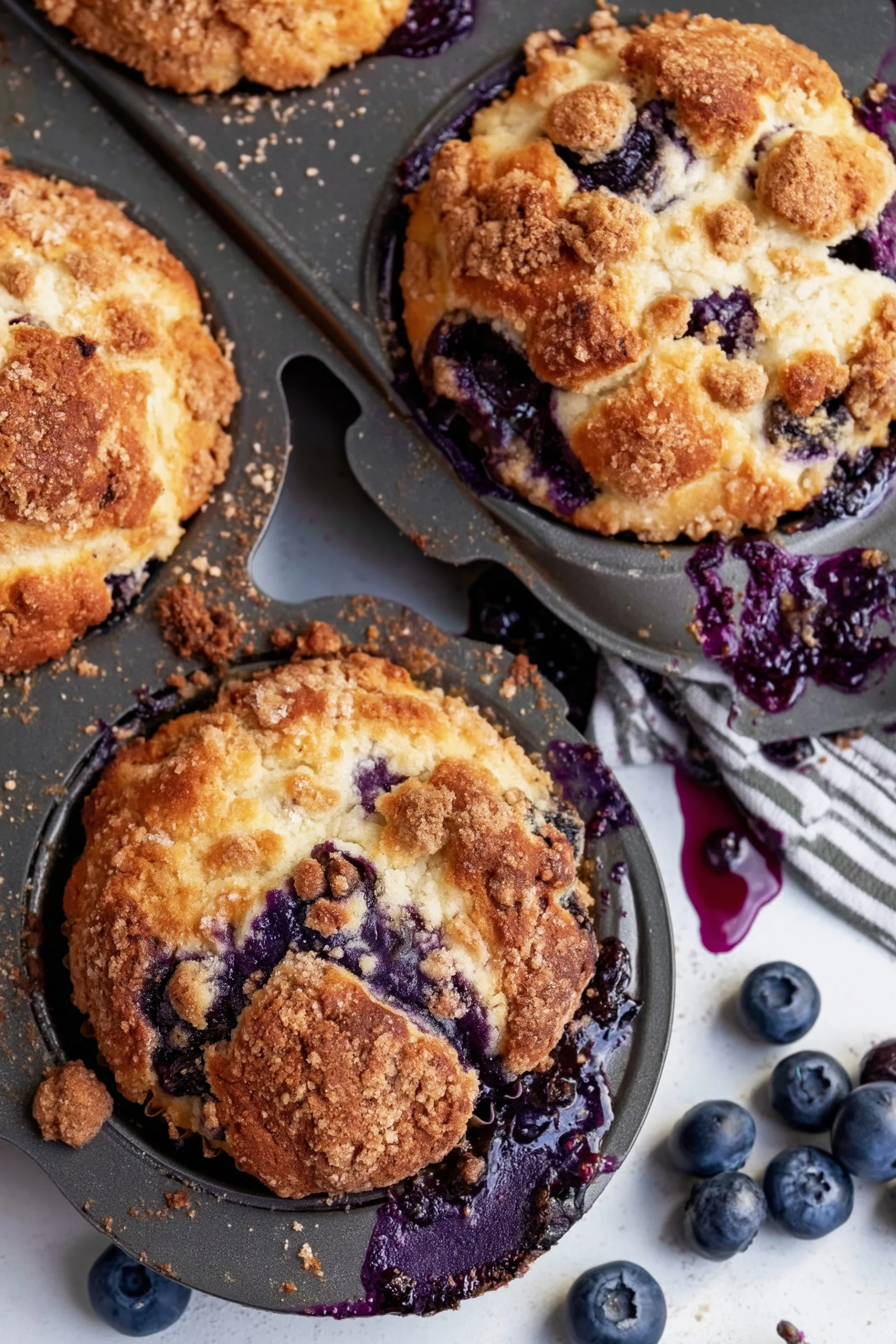
Over time, with the growing awareness of celiac disease and gluten sensitivities, bakers have crafted recipes that exclude wheat flour but retain the beloved soft, fluffy texture and vibrant blueberry flavor.
Gluten Free Blueberry Muffins have become a favorite not just for those with dietary restrictions, but for anyone seeking tasty, nutrient-packed snacks using alternative flours like almond, rice, or oat.
Packed with antioxidants from blueberries and created to cater to various dietary needs, these muffins are perfect for breakfast on-the-go, brunch spreads, or as an afternoon snack with tea or coffee.
Many home bakers love this recipe because it is simple, customizable, and consistently yields muffins that are moist, airy, and loaded with juicy berries.
Whether you are new to gluten free baking or an experienced gluten free homecook, this recipe will help you achieve bakery-quality blueberry muffins right at home, ensuring everyone can indulge in this classic treat.
Ingredients
- 2 cups gluten-free all-purpose flour blend (with xanthan gum)
- 1 ½ teaspoons baking powder
- ½ teaspoon baking soda
- ¼ teaspoon salt
- ½ teaspoon ground cinnamon
- 2 large eggs, room temperature
- ¾ cup granulated sugar
- ½ cup unsalted butter, melted and slightly cooled
- ⅓ cup milk (dairy or plant-based)
- ¼ cup plain yogurt or sour cream (gluten free)
- 2 teaspoons pure vanilla extract
- 1 ½ cups fresh blueberries (or frozen, unthawed)
- 1 tablespoon gluten free flour (for tossing blueberries)
Instructions
- Preheat your oven to 375°F (190°C) and line a 12-cup muffin tin with paper liners or lightly grease it.
- In a medium bowl, combine the gluten-free flour blend, baking powder, baking soda, salt, and ground cinnamon. Whisk thoroughly to ensure even distribution of leavening agents and spices.
- In a large bowl, beat together the eggs and granulated sugar until pale and slightly thickened. Add the melted butter, milk, yogurt (or sour cream), and vanilla extract. Mix well until all ingredients are fully incorporated.
- Gradually add the dry mixture to the wet ingredients, stirring gently just until a smooth, thick batter forms. Do not overmix, as this can make the muffins dense.
- In a small bowl, toss the blueberries with 1 tablespoon of gluten-free flour to help prevent them from sinking during baking. Gently fold the berries into the batter, taking care not to burst them.
- Divide the batter evenly among the prepared muffin cups, filling each about ¾ full. For a bakery-style look, you can sprinkle a little coarse sugar on top of each muffin.
- Bake in the preheated oven for 18-22 minutes or until the tops are golden brown and a toothpick inserted in the center comes out clean or with a few moist crumbs.
- Remove from the oven and let the muffins rest in the tin for 5 minutes. Carefully transfer them to a wire rack to cool completely before enjoying.
Nutritional Information
Gluten Free Blueberry Muffins are a nutritious and satisfying option for breakfast or a midday snack. Each standard-sized muffin provides approximately 180-210 calories, depending on the size and specific ingredients used. The gluten-free flour blend typically contributes complex carbohydrates, which offer sustained energy without spiking blood sugar like simple sugars.
With two large eggs and a portion of unsalted butter, you get a balance of healthy fats and protein that aids in fullness and muscle maintenance. Blueberries are a superfood, adding vitamin C, dietary fiber, and potent antioxidants that can help combat oxidative stress and support immune health.
Using yogurt or sour cream in the batter introduces beneficial probiotics and calcium, promoting digestive well-being. If you opt for plant-based milk and yogurt, the muffins can easily be made dairy-free while still offering similar nutritional profiles.
Each muffin contains about 3 grams of protein, 7-9 grams of fat (depending on the dairy alternatives used), and roughly 28-32 grams of carbohydrates. Blueberries’ natural sweetness means you can slightly reduce the sugar, keeping the recipe adaptable for lower-sugar diets.
These muffins are naturally gluten free, making them safe for those with celiac disease or gluten intolerance, and the use of wholesome ingredients keeps them light yet nutritious.

Wine and Beverage Pairings
Gluten Free Blueberry Muffins pair beautifully with a range of beverages depending on the occasion. For a comforting breakfast, enjoy them with a freshly brewed cup of coffee or a robust English breakfast tea. Herbal teas like chamomile or mint bring out the natural sweetness of the blueberries without overpowering.
For a more sophisticated touch, consider serving these muffins with a lightly oaked Chardonnay or a sparkling Prosecco, which complements the fruity undertones. If you’re planning a brunch, a berry smoothie or a glass of fresh orange juice can make for a vibrant, vitamin-rich combination.
For children or a dairy free option, serve with almond or oat milk chilled to create a delicious, wholesome snack.
Cooking Tips and Variations
Baking Gluten Free Blueberry Muffins to perfection involves a few helpful techniques. First, always use a gluten-free all-purpose flour blend that includes xanthan gum or guar gum. These stabilizers are crucial in replicating the structure of wheat-based muffins, ensuring you get that ideal, tender crumb.
If your blend lacks stabilizers, add ½ teaspoon xanthan gum per two cups of flour. For extra moisture and softness, include a mix of dairy and neutral-tasting oil or use coconut oil as a substitute for melted butter.
When using frozen blueberries, add them directly to the batter without thawing to prevent excess moisture and streaking. Rolling the berries in a bit of gluten-free flour, as included in the recipe, helps evenly distribute them throughout the muffins and prevents them from sinking.
Don't overmix the batter, as this can result in denser, tougher muffins; gently fold until just combined. For flavor variation, add a teaspoon of lemon zest or a sprinkle of nutmeg. If you enjoy a nutty twist, mix in ½ cup of chopped pecans or walnuts.
To make this recipe dairy free and vegan, use flax eggs (1 tablespoon ground flaxseed with 3 tablespoons water per egg), plant-based milk, and dairy free yogurt. Adjust sugar to taste or substitute with coconut sugar or maple syrup for a wholesome sweetness.

Serving Suggestions
There are many delightful ways to serve Gluten Free Blueberry Muffins that elevate their flavor and presentation. For breakfast, serve the muffins slightly warm with a pat of softened butter or a dollop of Greek yogurt on the side.
If you prefer, drizzle a little honey or top with extra fresh blueberries for a fruitier finish. For a special brunch or tea time, arrange the muffins on a tiered cake stand, garnished with mint leaves and a dusting of powdered sugar.
These muffins make convenient grab-and-go snacks when individually wrapped and packed in lunchboxes, making them perfect for school, work, or picnics. For dessert, split the muffins in half and toast lightly, then spread with mascarpone cheese or a light cream cheese frosting for an indulgent treat.
Serve alongside seasonal fruits such as sliced strawberries or peaches for added brightness and nutrition. If you’re hosting guests, pair muffins with a platter of cheeses, jams, and assorted nuts for a balanced, inviting spread.
Gluten Free Blueberry Muffins freeze well; wrap and store extras in an airtight bag for up to three months. Thaw at room temperature or reheat in the microwave for a quick snack any time of day.
Health Benefits
Gluten Free Blueberry Muffins offer a variety of health benefits, making them an excellent choice for many diets. By using gluten-free flour blends, these muffins are safe for individuals with celiac disease or gluten intolerance, preventing digestive discomfort and other related symptoms.
Blueberries are packed with essential nutrients like vitamin C, vitamin K, manganese, and antioxidants such as anthocyanins, which support cardiovascular and brain health. The eggs, milk, and yogurt (or dairy free substitutes) in this recipe contribute protein and healthy fats, crucial for muscle development and satiety.
With the option of adjusting sweetness levels or using plant-based milk and yogurt, these muffins can easily be tailored to lower sugar or lower fat diets. The fiber in both the flour and the blueberries supports digestive wellness and helps manage blood sugar spikes.
Moreover, home-baking these muffins allows you complete control over ingredient quality, ensuring you avoid artificial additives and preservatives often found in store-bought versions. By replacing some or all of the sugar with natural alternatives like maple syrup or coconut sugar, you further enhance the nutritional profile.
Enjoying Gluten Free Blueberry Muffins as part of a balanced diet provides wholesome energy, essential micronutrients, and delicious satisfaction without gluten.
Frequently Asked Questions
Yes, you can use frozen blueberries in this recipe. Add them directly to the batter without thawing to avoid adding extra moisture and prevent the batter from becoming watery or colored.
A gluten-free all-purpose flour blend containing xanthan gum works best. Popular blends include a mix of rice flour, potato starch, and tapioca starch. Ensure your blend has stabilizers for the best texture.
To make these muffins dairy free, substitute plant-based milk, dairy free yogurt, and use coconut oil or vegan butter instead of traditional dairy products. Also, check that all ingredients are certified gluten free.
Absolutely. Allow the muffins to cool completely, then wrap individually and freeze in an airtight container or bag for up to three months. Thaw at room temperature or reheat before serving.
Moisture comes from the right blend of eggs, fat, and dairy or non-dairy yogurt. Using ingredients like applesauce, mashed banana, or sour cream can also enhance moisture and softness.
Gluten Free Blueberry Muffins are a timeless classic reimagined for modern diets, offering all the taste, texture, and charm of conventional muffins without the gluten. With their pillowy crumb, bursts of juicy blueberries, and simple preparation, these muffins make an outstanding addition to any breakfast, brunch, or snack occasion. They’re easy to adapt for dairy-free or vegan needs and can be personalized with spices, zests, or nuts for added flavor. Rich in antioxidants, fiber, and wholesome ingredients, Gluten Free Blueberry Muffins allow everyone at the table to savor a comforting, homemade treat without worry. Whip up a batch today and discover just how delicious gluten-free baking can be.
Ingredients
- 2 cups gluten-free all-purpose flour blend (with xanthan gum)
- 1 ½ teaspoons baking powder
- ½ teaspoon baking soda
- ¼ teaspoon salt
- ½ teaspoon ground cinnamon
- 2 large eggs, room temperature
- ¾ cup granulated sugar
- ½ cup unsalted butter, melted and slightly cooled
- ⅓ cup milk (dairy or plant-based)
- ¼ cup plain yogurt or sour cream (gluten free)
- 2 teaspoons pure vanilla extract
- 1 ½ cups fresh blueberries (or frozen, unthawed)
- 1 tablespoon gluten free flour (for tossing blueberries)
Instructions
-
1Preheat your oven to 375°F (190°C) and line a 12-cup muffin tin with paper liners or lightly grease it.
-
2In a medium bowl, combine the gluten-free flour blend, baking powder, baking soda, salt, and ground cinnamon. Whisk thoroughly to ensure even distribution of leavening agents and spices.
-
3In a large bowl, beat together the eggs and granulated sugar until pale and slightly thickened. Add the melted butter, milk, yogurt (or sour cream), and vanilla extract. Mix well until all ingredients are fully incorporated.
-
4Gradually add the dry mixture to the wet ingredients, stirring gently just until a smooth, thick batter forms. Do not overmix, as this can make the muffins dense.
-
5In a small bowl, toss the blueberries with 1 tablespoon of gluten-free flour to help prevent them from sinking during baking. Gently fold the berries into the batter, taking care not to burst them.
-
6Divide the batter evenly among the prepared muffin cups, filling each about ¾ full. For a bakery-style look, you can sprinkle a little coarse sugar on top of each muffin.
-
7Bake in the preheated oven for 18-22 minutes or until the tops are golden brown and a toothpick inserted in the center comes out clean or with a few moist crumbs.
-
8Remove from the oven and let the muffins rest in the tin for 5 minutes. Carefully transfer them to a wire rack to cool completely before enjoying.
Approximate Information for One Serving
Nutrition Disclaimers
Number of total servings shown is approximate. Actual number of servings will depend on your preferred portion sizes.
Nutritional values shown are general guidelines and reflect information for 1 serving using the ingredients listed, not including any optional ingredients. Actual macros may vary slightly depending on specific brands and types of ingredients used.
To determine the weight of one serving, prepare the recipe as instructed. Weigh the finished recipe, then divide the weight of the finished recipe (not including the weight of the container the food is in) by the desired number of servings. Result will be the weight of one serving.
Did you make this recipe?
Please consider Pinning it!
Leave a Reply