
Are you looking for a tasty, crowd-pleasing meal that comes together in no time? The Korean Ground Beef Bowl is your perfect answer. This dish, with its sweet, savory, and slightly spicy profile, delivers maximum flavor with minimal effort.
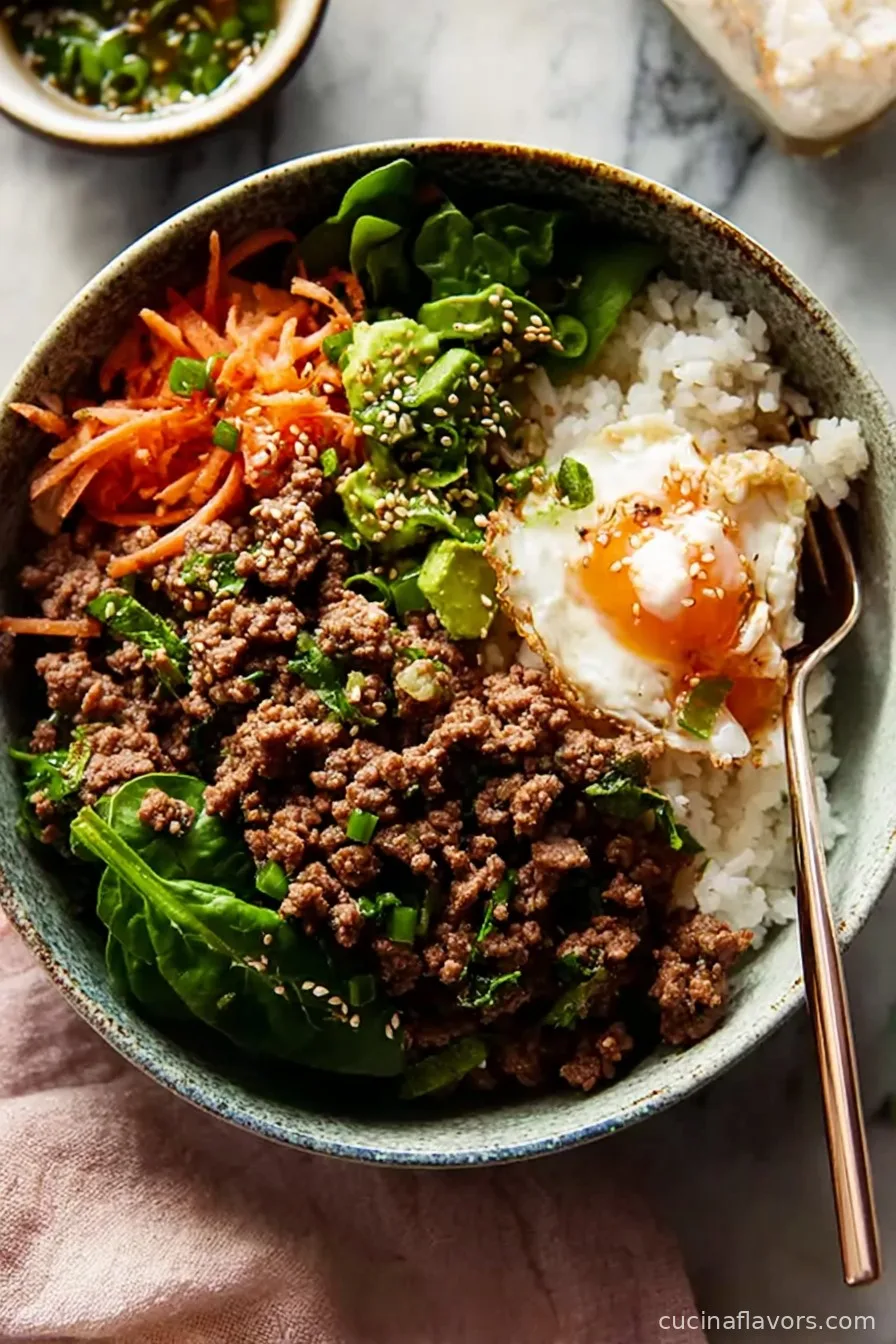
Its roots are inspired by the popular Korean bulgogi, a marinated, grilled beef usually prepared for special gatherings. However, the Korean Ground Beef Bowl transforms those classic bold flavors into a weeknight-friendly, one-pan dish using ground beef. This innovative twist beautifully balances time-saving convenience with authentic taste.
Traditional Korean cuisine is renowned for its harmony of flavors, textures, and colors. This bowl stays true to those principles, blending tender beef infused with soy sauce, garlic, ginger, sesame oil, and a hint of brown sugar.
Served over fluffy white rice and topped with fresh green onions and sesame seeds, it is as visually appealing as it is delicious. The Korean Ground Beef Bowl has gained popularity worldwide, not just for its irresistible taste but also for its adaptability.
It can be customized to suit various dietary needs, from low-carb to gluten-free, making it a great choice for almost any table. Whether you are new to Asian cooking or a seasoned home chef, this recipe is bound to become a staple in your kitchen.
Ingredients
- 1 pound (450g) lean ground beef
- 3 cups cooked white or brown rice
- 3 tablespoons low-sodium soy sauce
- 1.5 tablespoons brown sugar
- 1 tablespoon sesame oil
- 1 tablespoon freshly grated ginger
- 3 garlic cloves, minced
- 1 teaspoon crushed red pepper flakes (adjust to taste)
- 1 tablespoon vegetable or canola oil
- 1 cup shredded carrots (optional for extra veggies)
- 3 green onions, thinly sliced
- 1 tablespoon toasted sesame seeds
- Salt and black pepper, to taste
Instructions
- Heat the vegetable or canola oil in a large skillet or wok over medium-high heat.
- Add the ground beef to the pan, breaking it apart with a spoon. Cook until fully browned and no longer pink, about 5-7 minutes. Season with salt and black pepper as it cooks.
- Drain any excess fat from the skillet, then return the beef to the pan.
- Add minced garlic and grated ginger to the beef. Sauté for 1-2 minutes until fragrant.
- In a small bowl, mix together soy sauce, brown sugar, sesame oil, and crushed red pepper flakes.
- Pour the sauce over the beef mixture. Stir well to evenly coat the beef.
- Add shredded carrots (if using) and cook for another 2-3 minutes until just tender.
- Taste and adjust seasoning or spice level if needed.
- Serve the Korean ground beef hot over steamed rice.
- Garnish with sliced green onions and sprinkle with toasted sesame seeds before serving.
Nutritional Information
A standard serving of the Korean Ground Beef Bowl (based on four servings per batch) provides a well-balanced profile of macronutrients, thanks to the combination of lean beef, rice, and vegetables.
Each serving typically contains around 400-500 calories, depending on the exact portion sizes and whether you opt for white or brown rice. Lean ground beef is a great source of complete protein, delivers essential amino acids, and offers vital micronutrients such as iron, zinc, and vitamin B12.
White rice supplies energy-rich carbohydrates, while the use of brown rice further boosts dietary fiber and supporting minerals. Heart-healthy fats are present in modest amounts from sesame oil, and the addition of garlic and ginger not only infuses flavor but also brings antioxidant properties.
The bowl is relatively low in saturated fat, especially if you use lean beef or substitute with ground turkey. The sodium comes primarily from soy sauce, so opting for a low-sodium variety is recommended for those monitoring salt intake. Carrots introduce beta-carotene, vitamin A, and a pleasant crunch.
This dish, when balanced with a side of steamed veggies or a fresh salad, can be part of a wholesome meal suitable for a wide range of diets.
Wine and Beverage Pairings
The Korean Ground Beef Bowl pairs excellently with a crisp, clean beverage to balance its savory and slightly spicy notes. For wine lovers, a light and refreshing white wine such as a Riesling or Sauvignon Blanc complements the dish without overpowering it.
Both wines have subtle sweetness and acidity that enhance the flavors of soy sauce, garlic, and ginger. Alternatively, a fruity rosé or a chilled sake also works beautifully alongside the bowl.
Beer enthusiasts may enjoy a crisp lager or a Korean beer like Hite or Cass, both of which offer a cool complement to the dish’s bold flavors. For non-alcoholic pairings, try a mildly sweetened iced green tea or a sparkling water with a splash of lime.
These drinks offer a refreshing counterpoint and cleanse the palate between bites.
Cooking Tips and Variations
To make your Korean Ground Beef Bowl even better, consider a few handy cooking tips and creative variations. If aiming for a lighter dish, substitute lean ground beef with ground turkey or chicken, which have less saturated fat and fewer calories but still soak up the savory marinade beautifully.
For extra flavor depth, marinate the meat in the soy sauce mixture for 10-15 minutes before cooking. Spice lovers can bump up the heat by adding a teaspoon of gochujang (Korean red chili paste) or increase the amount of red pepper flakes.
For a gluten-free version, swap regular soy sauce for tamari or coconut aminos. Rice can also be replaced with cauliflower rice for a lower-carb option.
Do not hesitate to boost the nutrition profile with extra vegetables such as broccoli, spinach, snap peas, or bell peppers, stirring them in during the last few minutes of cooking.
To keep the beef extra tender, avoid overcooking; once it browns completely and absorbs the sauce, remove it from heat right away. For more authentic texture, sprinkle a pinch of roasted nori or serve with pickled vegetables.
Meal prep is simple with this dish; the beef mixture stores well in the refrigerator for up to four days and reheats quickly, making it ideal for fast, healthy lunches throughout the week.

Serving Suggestions
The Korean Ground Beef Bowl’s beauty lies in its versatility when it comes to serving options. The beef mixture is traditionally served hot, spooned generously over a bed of steaming white or brown rice.
For special presentations, consider using individual bowls for each serving, topped with artfully arranged green onions, a sprinkle of sesame seeds, and optional shredded carrots or cucumber ribbons for added color and texture.
This dish shines when paired with Korean side dishes, or 'banchan'—think kimchi, pickled radish, or sautéed greens—to round out the meal with extra layers of flavor and nutrition. For a more substantial spread, serve with a simple miso soup or a crisp Asian slaw.
Another creative presentation involves serving the beef mixture in lettuce wraps for a lighter, carb-conscious alternative. Simply spoon the warm beef into crisp lettuce leaves, add julienned veggies, and roll up for an interactive, hands-on dining experience.
You could even prepare a build-your-own bowl bar, enabling guests or family members to add their preferred toppings: sliced avocado, sautéed mushrooms, toasted seaweed strips, or a softly poached egg.
For meal prep, portion the beef and rice into airtight containers; they reheat well and make for satisfying lunches all week long. No matter how you plate it, the Korean Ground Beef Bowl guarantees a burst of flavor and a comforting, satisfying meal every time.
Health Benefits
The Korean Ground Beef Bowl offers a range of health benefits, thanks to its thoughtfully balanced ingredients. The key protein source—lean ground beef—contributes essential nutrients such as high-quality protein, iron, zinc, and vitamin B12, supporting energy, muscle development, and cognitive function.
By using leaner meat cuts or substituting with ground turkey or chicken, you can further reduce saturated fat intake, beneficial for cardiovascular health. Incorporating vegetables such as carrots and green onions adds vital vitamins and minerals, along with dietary fiber that supports digestion and satiety.
The presence of ginger and garlic brings more than delicious flavor; both have long histories in traditional medicine for their potential anti-inflammatory, antioxidant, and immune-boosting properties. Choosing low-sodium soy sauce helps manage sodium levels, making the dish suitable even for those with hypertension concerns.
Opting for brown rice or a vegetable substitute like cauliflower rice can significantly increase fiber while lowering overall carbohydrates, which may benefit blood sugar control.
The moderate calorie content, filling nature, and ability to tailor the bowl to specific diet preferences—from gluten-free to dairy-free—make the Korean Ground Beef Bowl a smart addition to your healthy meal rotation.
Frequently Asked Questions
Yes, ground turkey or chicken can be used instead of beef. Both alternatives absorb the Korean-inspired sauce well, creating a lighter but still flavorful bowl.
To make your Korean Ground Beef Bowl gluten-free, simply replace regular soy sauce with a gluten-free alternative like tamari or coconut aminos.
Absolutely. The beef mixture and rice can be prepared in advance, portioned out, and stored in airtight containers. They reheat well, making them ideal for meal prep.
Yes, the sweet and savory flavors are generally appealing to kids. You can adjust the spice level by reducing or omitting the red pepper flakes.
Popular toppings include a soft-boiled or fried egg, pickled vegetables, sliced avocado, sautéed mushrooms, or a sprinkle of roasted nori for extra texture and flavor.
The Korean Ground Beef Bowl is a testament to how a few simple, wholesome ingredients can come together to create a meal that is both quick and incredibly flavorful. This dish is perfect for busy weeknights, meal prep, or even entertaining, thanks to its adaptability and crowd-pleasing taste. With the warmth of traditional Korean seasonings, the comfort of a hearty rice bowl, and endless customization options, this recipe is sure to become a favorite in your home. Try it today and let the vibrant tastes of Korean cuisine elevate your dinner table.
Ingredients
- 1 pound (450g) lean ground beef
- 3 cups cooked white or brown rice
- 3 tablespoons low-sodium soy sauce
- 1.5 tablespoons brown sugar
- 1 tablespoon sesame oil
- 1 tablespoon freshly grated ginger
- 3 garlic cloves, minced
- 1 teaspoon crushed red pepper flakes (adjust to taste)
- 1 tablespoon vegetable or canola oil
- 1 cup shredded carrots (optional for extra veggies)
- 3 green onions, thinly sliced
- 1 tablespoon toasted sesame seeds
- Salt and black pepper, to taste
Instructions
-
1Heat the vegetable or canola oil in a large skillet or wok over medium-high heat.
-
2Add the ground beef to the pan, breaking it apart with a spoon. Cook until fully browned and no longer pink, about 5-7 minutes. Season with salt and black pepper as it cooks.
-
3Drain any excess fat from the skillet, then return the beef to the pan.
-
4Add minced garlic and grated ginger to the beef. Sauté for 1-2 minutes until fragrant.
-
5In a small bowl, mix together soy sauce, brown sugar, sesame oil, and crushed red pepper flakes.
-
6Pour the sauce over the beef mixture. Stir well to evenly coat the beef.
-
7Add shredded carrots (if using) and cook for another 2-3 minutes until just tender.
-
8Taste and adjust seasoning or spice level if needed.
-
9Serve the Korean ground beef hot over steamed rice.
-
10Garnish with sliced green onions and sprinkle with toasted sesame seeds before serving.
Approximate Information for One Serving
Nutrition Disclaimers
Number of total servings shown is approximate. Actual number of servings will depend on your preferred portion sizes.
Nutritional values shown are general guidelines and reflect information for 1 serving using the ingredients listed, not including any optional ingredients. Actual macros may vary slightly depending on specific brands and types of ingredients used.
To determine the weight of one serving, prepare the recipe as instructed. Weigh the finished recipe, then divide the weight of the finished recipe (not including the weight of the container the food is in) by the desired number of servings. Result will be the weight of one serving.
Did you make this recipe?
Please consider Pinning it!


Leave a Reply