
Baked Honey Dijon Salmon is a star addition to any dining table, combining the robust, savory notes of Dijon mustard with the sweet touch of honey—all together creating a harmonious glaze that complements the natural richness of salmon.
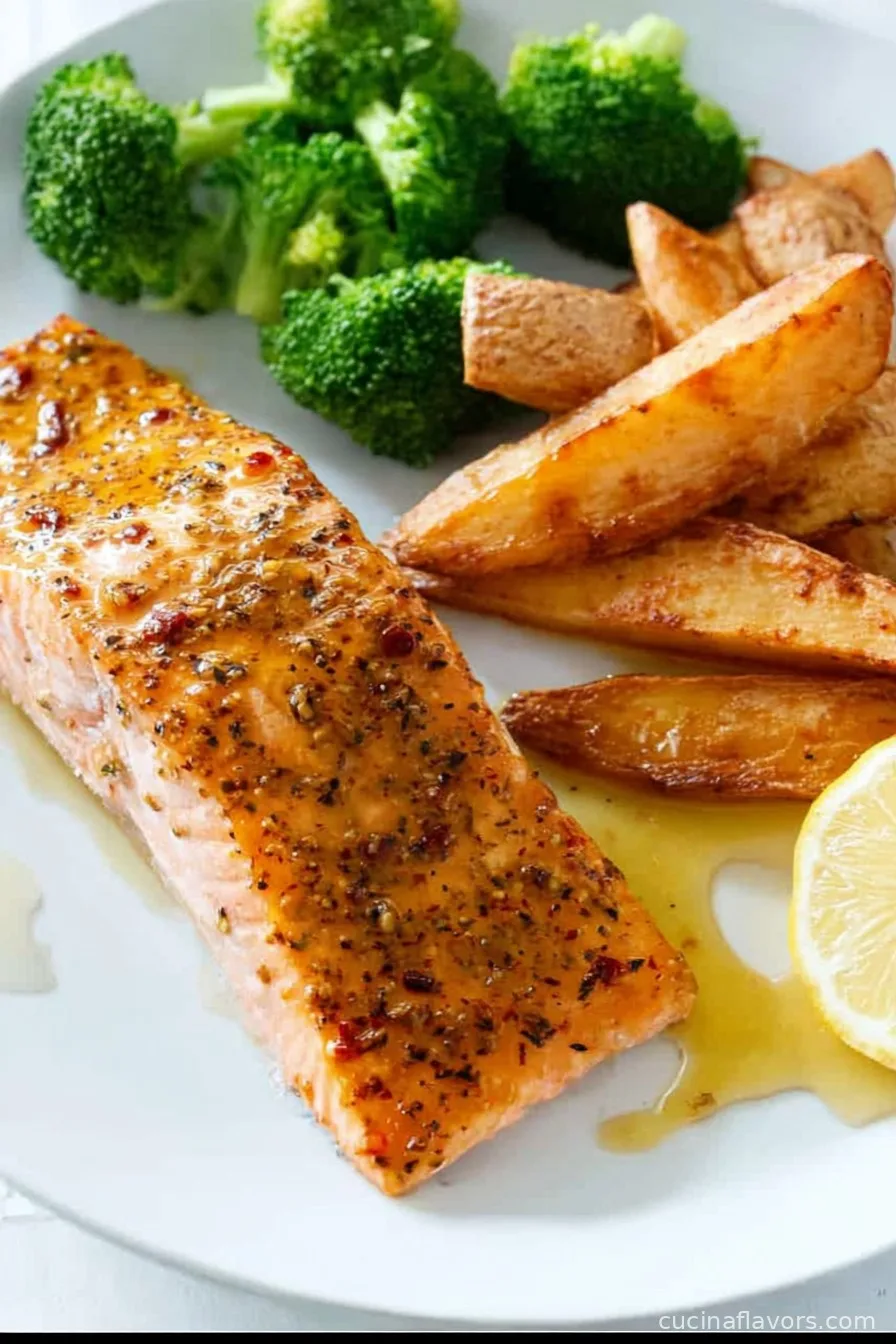
Salmon itself has been a favorite in culinary traditions for centuries, notably prized for its tender, flaky texture and versatile flavor profile. As home cooks and professionals alike look for nutritious, elegant, and effortless main dishes, Baked Honey Dijon Salmon continues to win hearts for its simplicity and gourmet appeal.
This dish traces some of its roots to French cuisine, where Dijon mustard brings sharpness to seafood preparations. When combined with honey, the flavors mellow into a sophisticated balance. Roasting salmon in the oven ensures not just ease but also consistent, melt-in-your-mouth results every time.
This Baked Honey Dijon Salmon recipe suits nearly any occasion, from a healthy family dinner to an impressive meal for entertaining guests. The classic pairing of honey and Dijon creates a glossy finish and caramelized crust that highlights the salmon’s natural oils.
For health-conscious eaters, salmon is lauded for its omega-3 fatty acids, lean protein, and ample vitamins, making Baked Honey Dijon Salmon both a nutritious and indulgent option. Let’s dive into the ingredients, step-by-step instructions, and all you need to know to master this delicious dish at home.
Ingredients
- 4 salmon fillets (about 6 oz each), skin-on or skinless
- 2 tablespoons Dijon mustard
- 2 tablespoons honey
- 1 tablespoon olive oil
- 2 teaspoons fresh lemon juice
- 2 cloves garlic, minced
- Salt and freshly ground black pepper, to taste
- 1 teaspoon dried thyme or fresh thyme leaves
- Lemon zest, optional, for garnish
- Chopped fresh parsley, for garnish
Instructions
- Preheat your oven to 400°F (200°C) and line a baking sheet with parchment paper or foil for easy cleanup.
- Pat salmon fillets dry with paper towels and place them skin-side down on the prepared baking sheet. Lightly season each fillet with salt and freshly ground black pepper.
- In a small mixing bowl, whisk together the Dijon mustard, honey, olive oil, lemon juice, and minced garlic until the mixture is smooth and well combined.
- Brush the honey Dijon mixture generously over each salmon fillet, covering the tops and sides. Sprinkle with dried or fresh thyme for added aroma and flavor.
- Transfer the baking sheet to the preheated oven and bake the salmon for 12-15 minutes, or until the salmon is just cooked through and flakes easily with a fork. Cooking time may vary depending on thickness.
- Remove the salmon from the oven and let it rest for 2-3 minutes. Garnish with lemon zest and chopped parsley before serving. Serve immediately with your favorite sides.
Nutritional Information
Baked Honey Dijon Salmon is not just flavorful but also packed with nutrients that are vital for a balanced meal. A single serving (approximately 6 oz of baked salmon with honey Dijon glaze) boasts about 330 calories, making it a light yet satisfying main dish.
Salmon serves as an excellent source of high-quality protein, which supports muscle growth and repair, providing around 34 grams per serving. The honey and Dijon mustard add minimal calories and virtually no fat while contributing antioxidants and flavor complexity.
Olive oil enhances the dish with heart-healthy monounsaturated fats, while garlic and lemon juice reinforce the immune-boosting benefits. Importantly, salmon is rich in omega-3 fatty acids—essential fats renowned for supporting cardiovascular health, reducing inflammation, and promoting brain function.
This recipe keeps saturated fat low, with the majority of fat content stemming from the salmon’s natural oils. Carbohydrates are minimal, mostly from honey, totaling around 8 grams per serving. The dish is also a good source of vitamins B6 and B12, vitamin D, selenium, and potassium.
For those mindful of sodium, using reduced-sodium Dijon mustard or moderating salt can help maintain healthy levels. Once paired with whole grains, leafy greens, or steamed vegetables, this Baked Honey Dijon Salmon recipe provides a well-rounded, nourishing meal for any lifestyle.
Wine and Beverage Pairings
To enhance the bright and savory flavors of Baked Honey Dijon Salmon, consider pairing it with a crisp white wine such as Sauvignon Blanc, which complements the tangy Dijon and the sweet honey without overwhelming the fish.
Chardonnay, especially unoaked styles, also provides a full-bodied contrast that works well with the salmon’s richness. If you prefer red wine, a light-bodied Pinot Noir offers the right acidity and fruit notes.
For non-alcoholic options, a sparkling water with a squeeze of lemon or a cold glass of herbal iced tea with a touch of honey make refreshing choices. These beverages cleanse the palate and accentuate the clean flavors of the salmon, giving you a well-rounded dining experience.
Cooking Tips and Variations
One of the best aspects of Baked Honey Dijon Salmon is its adaptability. For added depth, marinate the salmon in the honey Dijon mixture for up to 30 minutes before baking—this infuses the fillets with even more flavor.
For those who like a bit of crunch, top the glaze with a sprinkling of finely chopped pecans or walnuts before baking. If you prefer a spicier kick, add a pinch of cayenne pepper or a splash of sriracha to the glaze.
To make the dish dairy-free, rest easy knowing this recipe contains no butter or cream by default—olive oil gives just the right touch of richness and moisture. You can easily swap fresh garlic for garlic powder, or add a tablespoon of chopped shallot for a more nuanced taste.
For large gatherings, simply double or triple the recipe, arranging the fillets in a single layer to ensure even cooking. Leftovers can be stored in an airtight container in the refrigerator for up to 3 days; enjoy them cold in salads, sandwiches, or gently reheated. Vegetarian guests?
Try the same honey Dijon glaze on tofu or roasted vegetables. Gluten-sensitive diners will appreciate that the recipe is naturally gluten-free, provided the Dijon mustard and other condiments are free from additives.
Lastly, always keep an eye on your salmon as it bakes, as overcooking can lead to dryness—a perfectly baked fillet should be just opaque and flake under gentle pressure.

Serving Suggestions
Serving Baked Honey Dijon Salmon allows for creativity, elegance, and healthy balance at your table. This dish shines when plated alongside fluffy quinoa, wild rice, or garlicky roasted potatoes to soak up the extra glaze.
For a lighter meal, fresh salads such as arugula with cherry tomatoes and a lemon vinaigrette create a fresh counterpoint to the warm, flaky salmon. Roasted asparagus, green beans, or broccoli pair beautifully thanks to their natural sweetness and slight crunch.
For a summery touch, consider a chilled cucumber-dill salad or a medley of mixed greens with seasonal produce. When serving guests or marking a special occasion, garnish each fillet with a wedge of lemon, additional parsley, and perhaps a sprinkle of toasted seeds or nuts for texture.
Serve the salmon straight from the oven for the best texture and warmth. Leftovers can be flaked and mixed into pasta, tossed in a salad, or packed into wraps for next-day lunches, making Baked Honey Dijon Salmon a practical choice for meal prep.
For a family-style meal, present the glazed salmon on a platter with colorful sides arranged around it, inviting everyone to help themselves and enjoy. This approach transforms a healthy recipe into a festive centerpiece, perfect for weekday dinners or holiday celebrations.
Health Benefits
Salmon is renowned for being one of the healthiest sources of animal protein, and Baked Honey Dijon Salmon exemplifies how a simple recipe can deliver myriad health benefits.
The omega-3 fatty acids found in salmon are heart-protective, serving to lower bad cholesterol levels, improve arterial function, and decrease inflammation throughout the body. Consuming omega-3s regularly has also been linked to better brain health, improved mood, and lower risks of chronic disease.
The lean protein content helps maintain muscle mass and keeps you feeling satisfied, aiding in weight management. Honey, used in moderation, provides natural sweetness and offers trace antioxidants that can help combat oxidative stress.
Dijon mustard, primarily made from mustard seeds, delivers additional antioxidants and minerals such as selenium, which supports immune health. The olive oil in this recipe contributes healthy monounsaturated fats that supplement cholesterol control and cardiovascular well-being.
The inclusion of garlic and lemon juice not only elevates taste but also adds vitamin C, antimicrobial properties, and further antioxidants. This recipe is gluten-free and can be easily adjusted to be dairy-free, making it accessible for many dietary needs.
Altogether, Baked Honey Dijon Salmon is more than a delicious meal; it is a heart-healthy, nutrient-dense option that fits seamlessly into a balanced diet.
Frequently Asked Questions
Yes, you can use frozen salmon fillets. Make sure to thaw them completely in the refrigerator and pat them dry before applying the honey Dijon glaze and baking. This ensures even cooking and helps the flavors absorb well.
The salmon is fully cooked when it appears opaque and flakes easily when pressed with a fork. For perfect results, the internal temperature should reach 145°F (63°C). Be cautious not to overbake as this can lead to dryness.
Absolutely. To add heat, simply mix a pinch of cayenne pepper or a teaspoon of hot sauce, like sriracha, into the honey Dijon glaze before brushing it on the salmon.
You can prepare the honey Dijon glaze a day in advance and even marinate the salmon for up to 30 minutes in the refrigerator. However, for the best taste and texture, bake the salmon fresh right before serving.
Great side options include roasted or steamed vegetables, quinoa, wild rice, mashed potatoes, or a crisp green salad. These help balance the flavors and make for a well-rounded meal.
Baked Honey Dijon Salmon is the embodiment of a weeknight recipe that meets gourmet expectations while prioritizing nutrition and ease. With its irresistible honey mustard glaze, succulent salmon, and simple preparation steps, this dish fits seamlessly into busy routines without sacrificing flavor or quality. Whether you are looking to impress at a dinner party or simply elevate a Tuesday-night meal, Baked Honey Dijon Salmon offers reliability and deliciousness in every bite. Its versatility in side pairings, adaptability for special diets, and health benefits ensure it has a lasting place in any kitchen. For those seeking a fresh, vibrant, and wholesome main course, this recipe promises satisfaction and success time after time.
Ingredients
- 4 salmon fillets (about 6 oz each), skin-on or skinless
- 2 tablespoons Dijon mustard
- 2 tablespoons honey
- 1 tablespoon olive oil
- 2 teaspoons fresh lemon juice
- 2 cloves garlic, minced
- Salt and freshly ground black pepper, to taste
- 1 teaspoon dried thyme or fresh thyme leaves
- Lemon zest, optional, for garnish
- Chopped fresh parsley, for garnish
Instructions
-
1Preheat your oven to 400°F (200°C) and line a baking sheet with parchment paper or foil for easy cleanup.
-
2Pat salmon fillets dry with paper towels and place them skin-side down on the prepared baking sheet. Lightly season each fillet with salt and freshly ground black pepper.
-
3In a small mixing bowl, whisk together the Dijon mustard, honey, olive oil, lemon juice, and minced garlic until the mixture is smooth and well combined.
-
4Brush the honey Dijon mixture generously over each salmon fillet, covering the tops and sides. Sprinkle with dried or fresh thyme for added aroma and flavor.
-
5Transfer the baking sheet to the preheated oven and bake the salmon for 12-15 minutes, or until the salmon is just cooked through and flakes easily with a fork. Cooking time may vary depending on thickness.
-
6Remove the salmon from the oven and let it rest for 2-3 minutes. Garnish with lemon zest and chopped parsley before serving. Serve immediately with your favorite sides.
Approximate Information for One Serving
Nutrition Disclaimers
Number of total servings shown is approximate. Actual number of servings will depend on your preferred portion sizes.
Nutritional values shown are general guidelines and reflect information for 1 serving using the ingredients listed, not including any optional ingredients. Actual macros may vary slightly depending on specific brands and types of ingredients used.
To determine the weight of one serving, prepare the recipe as instructed. Weigh the finished recipe, then divide the weight of the finished recipe (not including the weight of the container the food is in) by the desired number of servings. Result will be the weight of one serving.
Did you make this recipe?
Please consider Pinning it!


Leave a Reply