
Roasted Carrot Cauliflower Quinoa Salad with Sunshine Dressing is not just a meal, but an experience packed with bold flavors, vibrant colors, and nourishing ingredients.
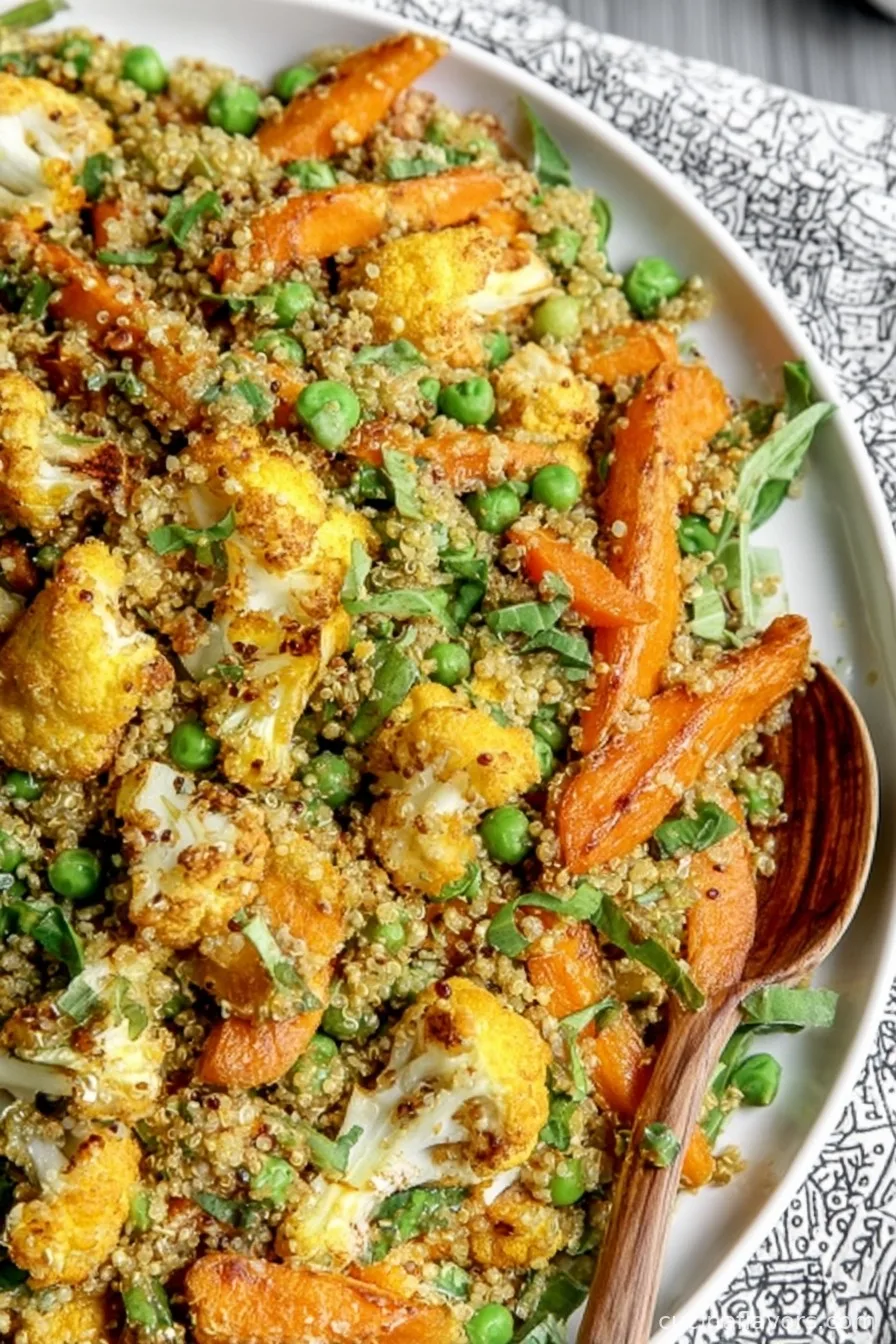
This salad brings together the sweet, caramelized essence of oven-roasted carrots and cauliflower, the complete protein and nutty taste of quinoa, and a zesty, creamy sunshine dressing made from wholesome pantry staples.
Combining root and cruciferous vegetables, plant-based protein, and a tangy, turmeric-infused dressing, this recipe has become a beloved dish among health-conscious eaters and foodies seeking both nutrition and flavor.
The Sunshine Dressing, known for its golden hue and zippy taste, draws inspiration from popular Buddha bowl dressings, featuring a blend of cashews, citrus, mustard, and spice—a true homage to sunshine in both look and taste.
More than a modern health trend, this dish echoes the roots of Mediterranean and Middle Eastern cuisine, where roasted vegetables and grains have long been staples. Today, recipes like this one allow you to bring those ancient traditions into your kitchen, adapted for vegan, gluten-free, or plant-forward lifestyles.
Whether searching for a satisfying lunch, a make-ahead meal prep option, or a side dish for dinner gatherings, Roasted Carrot Cauliflower Quinoa Salad with Sunshine Dressing is the perfect choice to brighten your table and delight your palate.
Ingredients
- 3 large carrots, peeled and sliced into half-moons
- 1 small head cauliflower, broken into florets
- 2 tablespoons olive oil (divided)
- 1 teaspoon ground cumin
- ½ teaspoon smoked paprika
- 1 cup uncooked quinoa, rinsed
- 2 cups vegetable broth or water
- ½ teaspoon sea salt (divided)
- ¼ teaspoon black pepper
- ½ red onion, finely diced
- ¼ cup fresh parsley, chopped
- ¼ cup fresh mint, chopped
- ¼ cup toasted sunflower seeds or pumpkin seeds
- ¼ cup golden raisins or dried cranberries (optional)
- For the Sunshine Dressing:
- ⅓ cup raw cashews (soaked for 30 minutes or boiled for 10)
- ¼ cup water
- 3 tablespoons freshly squeezed lemon juice
- 1 tablespoon olive oil
- 2 teaspoons maple syrup
- 1 teaspoon Dijon mustard
- ½ teaspoon ground turmeric
- 1 small garlic clove
- ½ teaspoon sea salt
- ¼ teaspoon ground black pepper
Instructions
- Preheat your oven to 400°F (200°C). Line a large baking sheet with parchment paper.
- In a bowl, toss the sliced carrots and cauliflower florets with 1 tablespoon olive oil, cumin, smoked paprika, ¼ teaspoon salt, and black pepper. Arrange in a single layer on the prepared baking sheet.
- Roast for 25-30 minutes, flipping once halfway through, until the vegetables are golden brown, tender, and slightly crispy at the edges.
- While the vegetables roast, add rinsed quinoa and 2 cups vegetable broth or water to a saucepan. Bring to a boil, then reduce to a simmer, cover, and cook for 15 minutes. Remove from heat and let sit, covered, for 5 minutes, then fluff with a fork.
- For the Sunshine Dressing, combine cashews, water, lemon juice, olive oil, maple syrup, Dijon mustard, turmeric, garlic, salt, and black pepper in a high-speed blender. Blend until completely smooth. Add a little more water for a thinner consistency if desired.
- In a large bowl, combine cooked quinoa, roasted carrots and cauliflower, diced red onion, chopped parsley and mint, toasted seeds, and golden raisins or cranberries if using.
- Pour over half of the Sunshine Dressing and toss gently until evenly coated. Add more dressing to taste.
- Season the salad with additional salt or pepper if needed.
- Serve at room temperature or chilled, garnished with extra herbs and seeds if desired. Store leftovers in an airtight container in the fridge for up to 4 days.
Nutritional Information
Roasted Carrot Cauliflower Quinoa Salad with Sunshine Dressing offers a nutrient-dense profile perfect for balanced, health-focused eating. A single generous serving provides an estimated 350-400 calories, depending on added raisins or seeds.
Quinoa is a complete protein source, supplying all essential amino acids for muscle repair and sustained energy, making this salad suitable for vegetarians and vegans.
The addition of roasted carrots delivers beta-carotene, a potent antioxidant supporting eye and immune health, while cauliflower brings in vitamin C and fiber for digestive support. The Sunshine Dressing includes cashews for heart-healthy monounsaturated fats, lemon juice for vitamin C, and turmeric known for its anti-inflammatory properties.
Olive oil in both the salad and the dressing adds further antioxidant and anti-inflammatory benefits.
With a healthy mix of macronutrients—protein from quinoa and nuts, slow-digesting carbohydrates from vegetables, and healthy fats—this salad helps stabilize blood sugar, keeps you feeling full, and supplies a variety of micronutrients critical to overall wellbeing.
This recipe is gluten-free, dairy-free, and high in fiber, making it suitable for many dietary preferences. For those monitoring sodium, consider reducing salt or using low-sodium vegetable broth.
Whether enjoyed as a light lunch, a vibrant side, or a plant-powered entrée, this recipe offers a balanced meal brimming with vitamins, minerals, and phytonutrients.

Wine and Beverage Pairings
This vibrant salad pairs beautifully with crisp, refreshing beverages. For wine lovers, a chilled Sauvignon Blanc or Pinot Grigio works well—they’re citrusy, light, and complement the bright flavors of the Sunshine Dressing.
If you prefer non-alcoholic options, sparkling water with a squeeze of lime, iced green tea, or a homemade lemonade accentuate the meal’s freshness.
For those keen on unique pairings, a turmeric latte (golden milk) can echo the notes of the dressing while providing a comforting, warming element, especially in cooler months. Kombucha in a ginger or citrus flavor can also harmonize with the salad’s tangy notes.
No matter your preference, look for drinks that refresh the palate and enhance the salad’s array of tastes.
Cooking Tips and Variations
To make your Roasted Carrot Cauliflower Quinoa Salad with Sunshine Dressing truly outstanding, consider the following tips and creative variations. First, for extra flavor depth, roast your vegetables until they're well-caramelized—browning equals sweetness. Chop the carrots and cauliflower into similar size pieces for even roasting.
Use parchment paper to prevent sticking and ease clean-up. You can substitute sweet potatoes, broccoli, or even Brussels sprouts for carrots or cauliflower, adapting to the seasons or what’s available in your pantry. For more crunch and color, add diced cucumber, shredded red cabbage, or bell peppers.
Vary the herbs—cilantro and basil are particularly refreshing. The Sunshine Dressing can be made nut-free by using sunflower seeds instead of cashews. If you want extra protein, toss in a can of drained chickpeas or top with baked tofu.
For added tang, finish with a sprinkle of crumbled feta or vegan cheese, although the salad is highly flavorful on its own. The quinoa can be replaced by cooked farro, millet, or brown rice to suit your grain preferences.
If serving guests, offer a toppings bar—extra toasted seeds, chopped nuts, and dried fruit let eaters customize their bowls. The salad and dressing can both be made in advance and stored separately to preserve freshness.
Finally, adjust the dressing’s thickness by tweaking water or lemon juice to suit your tastes—thicker for a dip, thinner for a drizzle. The beauty of this recipe lies in its adaptability and its ability to shine both as a main and a side dish.

Serving Suggestions
When serving Roasted Carrot Cauliflower Quinoa Salad with Sunshine Dressing, presentation is key to highlighting the salad’s rainbow of hues and textures. Arrange the salad on a wide, shallow serving platter so the roasted vegetables, herbs, and seeds are visible and easily accessible.
Drizzle a generous amount of Sunshine Dressing just before serving and garnish with extra fresh mint, parsley, or a sprinkle of toasted seeds for a professional finish.
This colorful salad makes a stunning centerpiece for any lunch or dinner buffet and pairs nicely with other Mediterranean-inspired dishes such as falafel, grilled pita, or mezze platters. For a meal, serve it in individual bowls, perhaps with a lemon wedge on the side for squeezing.
This salad also packs well for meal-prep or lunches, as the flavors deepen over time, making it equally delicious the next day. For gatherings, consider setting up a salad bar with various mix-ins—roasted chickpeas, sliced avocado, or even crumbled feta—so guests can personalize their bowls.
If serving alongside proteins, pair with grilled chicken, salmon, or baked tofu for added satiety. For picnics or potlucks, pack the dressing separately and toss just before serving to maintain freshness and avoid sogginess. However you enjoy it, this salad is sure to brighten your table and satisfy every guest.
Health Benefits
Roasted Carrot Cauliflower Quinoa Salad with Sunshine Dressing is an excellent choice for supporting a healthy lifestyle. Quinoa is a powerhouse grain—naturally gluten-free and packed with fiber and protein, making it ideal for those seeking sustained energy and digestive regularity.
Roasted carrots supply a rich dose of beta-carotene, which the body converts to vitamin A for strong vision, immunity, and skin health. Cauliflower is known for its high vitamin C content and compounds like sulforaphane, linked to reduced inflammation and potential anti-cancer properties.
The inclusion of fresh herbs, seeds, and dried fruit increases the phytonutrient and antioxidant profile, supporting cellular repair and defense against oxidative stress. Cashews in the Sunshine Dressing provide healthy fats for brain and heart health, while turmeric offers scientifically-backed anti-inflammatory and antimicrobial benefits.
The lemon juice in the dressing enhances iron absorption from the quinoa. This salad is entirely plant-based and free of common allergens like dairy and soy.
Ideal for weight management, the salad is satiating yet low in calories, with a satisfying combination of macros and flavors that help curb food cravings. Adding greens or additional vegetables can further boost its nourishing qualities.
This recipe is a true celebration of healthful eating that doesn’t sacrifice taste or enjoyment.
Frequently Asked Questions
Yes, you can prepare both the salad and the dressing in advance. Store them separately in airtight containers in the refrigerator. Toss the salad with the dressing just before serving for optimum freshness.
Absolutely! Roasted Carrot Cauliflower Quinoa Salad with Sunshine Dressing is naturally gluten-free, dairy-free, and 100% plant-based, making it suitable for vegans and anyone avoiding gluten.
Yes, you can use farro, millet, brown rice, or even couscous in place of quinoa. Adjust cooking times and liquid amounts accordingly based on your grain of choice.
If you have a nut allergy or want a nut-free version, try using raw sunflower seeds soaked and blended. The dressing will be just as creamy and flavorful.
This salad stays fresh in the fridge for up to 4 days. Store the dressing separately if possible and toss before eating to maintain texture and vibrancy.
Roasted Carrot Cauliflower Quinoa Salad with Sunshine Dressing is a celebration of wholesome ingredients, bold flavors, and visual appeal. Whether you are seeking a satisfying lunch, a colorful side for your dinner spread, or an easy meal-prep option, this recipe ticks all the boxes. With its foundation in plant-based nutrition and adaptable nature, it is as healthy as it is delicious. The Sunshine Dressing ties everything together with its bright, creamy zest, making each bite memorable. Try this recipe today to enjoy a taste of sunshine in every forkful—your body and taste buds will thank you.
Ingredients
- 3 large carrots, peeled and sliced into half-moons
- 1 small head cauliflower, broken into florets
- 2 tablespoons olive oil (divided)
- 1 teaspoon ground cumin
- ½ teaspoon smoked paprika
- 1 cup uncooked quinoa, rinsed
- 2 cups vegetable broth or water
- ½ teaspoon sea salt (divided)
- ¼ teaspoon black pepper
- ½ red onion, finely diced
- ¼ cup fresh parsley, chopped
- ¼ cup fresh mint, chopped
- ¼ cup toasted sunflower seeds or pumpkin seeds
- ¼ cup golden raisins or dried cranberries (optional)
- For the Sunshine Dressing:
- ⅓ cup raw cashews (soaked for 30 minutes or boiled for 10)
- ¼ cup water
- 3 tablespoons freshly squeezed lemon juice
- 1 tablespoon olive oil
- 2 teaspoons maple syrup
- 1 teaspoon Dijon mustard
- ½ teaspoon ground turmeric
- 1 small garlic clove
- ½ teaspoon sea salt
- ¼ teaspoon ground black pepper
Instructions
-
1Preheat your oven to 400°F (200°C). Line a large baking sheet with parchment paper.
-
2In a bowl, toss the sliced carrots and cauliflower florets with 1 tablespoon olive oil, cumin, smoked paprika, ¼ teaspoon salt, and black pepper. Arrange in a single layer on the prepared baking sheet.
-
3Roast for 25-30 minutes, flipping once halfway through, until the vegetables are golden brown, tender, and slightly crispy at the edges.
-
4While the vegetables roast, add rinsed quinoa and 2 cups vegetable broth or water to a saucepan. Bring to a boil, then reduce to a simmer, cover, and cook for 15 minutes. Remove from heat and let sit, covered, for 5 minutes, then fluff with a fork.
-
5For the Sunshine Dressing, combine cashews, water, lemon juice, olive oil, maple syrup, Dijon mustard, turmeric, garlic, salt, and black pepper in a high-speed blender. Blend until completely smooth. Add a little more water for a thinner consistency if desired.
-
6In a large bowl, combine cooked quinoa, roasted carrots and cauliflower, diced red onion, chopped parsley and mint, toasted seeds, and golden raisins or cranberries if using.
-
7Pour over half of the Sunshine Dressing and toss gently until evenly coated. Add more dressing to taste.
-
8Season the salad with additional salt or pepper if needed.
-
9Serve at room temperature or chilled, garnished with extra herbs and seeds if desired. Store leftovers in an airtight container in the fridge for up to 4 days.
Approximate Information for One Serving
Nutrition Disclaimers
Number of total servings shown is approximate. Actual number of servings will depend on your preferred portion sizes.
Nutritional values shown are general guidelines and reflect information for 1 serving using the ingredients listed, not including any optional ingredients. Actual macros may vary slightly depending on specific brands and types of ingredients used.
To determine the weight of one serving, prepare the recipe as instructed. Weigh the finished recipe, then divide the weight of the finished recipe (not including the weight of the container the food is in) by the desired number of servings. Result will be the weight of one serving.
Did you make this recipe?
Please consider Pinning it!


Leave a Reply