
Breakfast casserole has long been a beloved dish for households and brunch enthusiasts across the globe. This hearty, all-in-one meal combines a medley of flavorful ingredients— from eggs and cheese to sausage and vegetables—producing a comforting, satisfying breakfast that’s both versatile and easy to prepare.
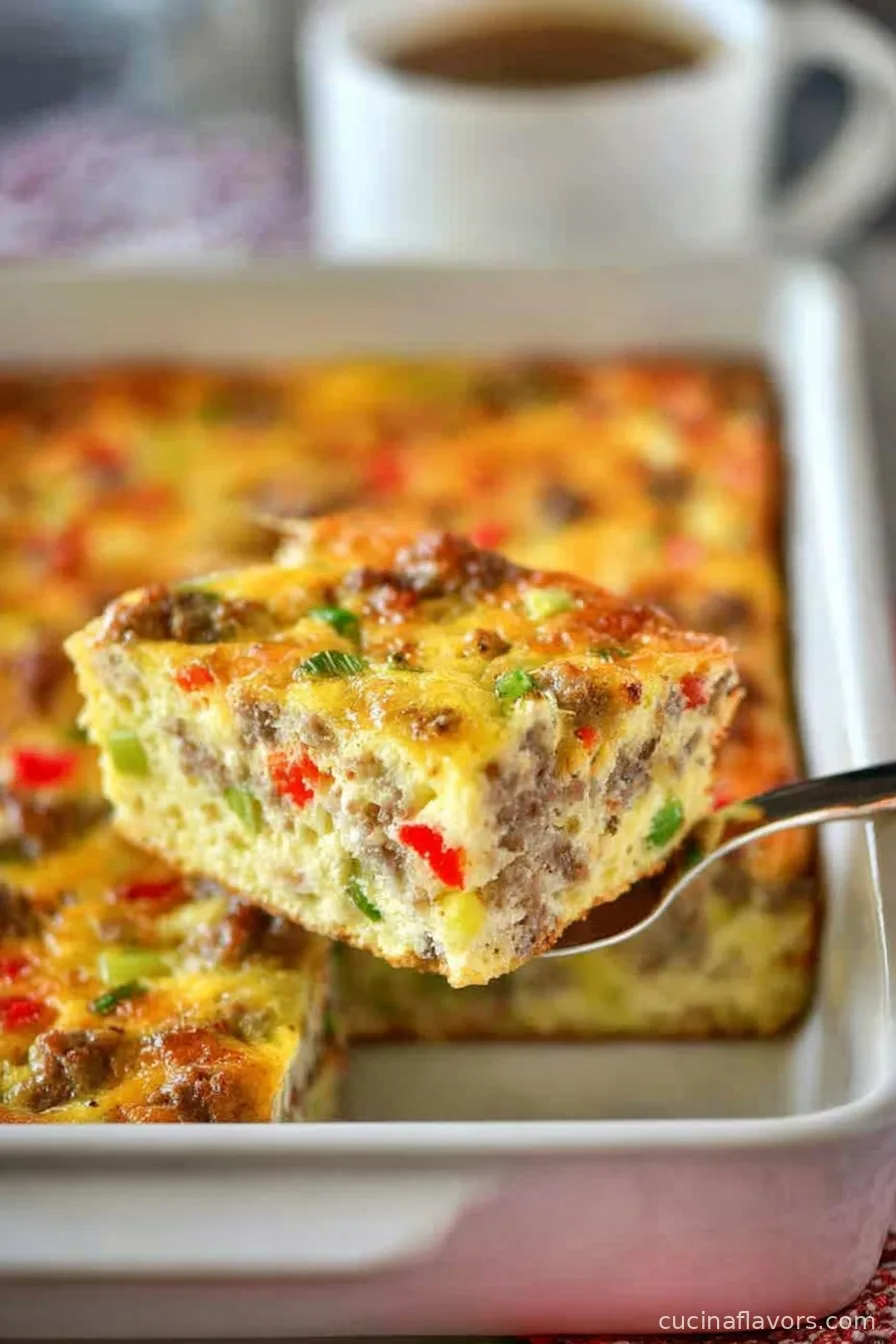
The term 'breakfast casserole' often refers to a layered or mixed dish that is assembled in advance, making it an ideal choice for busy mornings, family gatherings, or holiday brunches.
Its roots can be traced to the American Midwest, where families would craft large, shareable meals using pantry staples and seasonal produce. Over time, the breakfast casserole has evolved, incorporating global flavors and adapting to various dietary preferences.
Today, you’ll find breakfast casserole recipes featuring everything from spicy chorizo to gluten-free breads, catering to diverse palates. The appeal of a breakfast casserole lies not only in its robust taste and texture—the way fluffy eggs meld with crispy bacon, golden potatoes, and melted cheese—but also in its convenience.
Whether you’re feeding a crowd or planning for meal prep, breakfast casseroles offer a make-ahead solution that reheats beautifully. Furthermore, they are endlessly customizable, allowing home cooks to use what they have on hand.
In this comprehensive guide, we’ll walk you through a classic breakfast casserole recipe, explore nutritional benefits, offer serving suggestions, and provide tips for customizing this morning staple to suit your needs.
Ingredients
- 8 large eggs
- 2 cups whole milk
- 1 cup shredded cheddar cheese
- 1 cup shredded mozzarella cheese
- 1 pound breakfast sausage, cooked and crumbled
- 2 cups frozen hash brown potatoes, thawed
- 1 bell pepper, diced
- 1 medium onion, diced
- 1 teaspoon garlic powder
- ½ teaspoon smoked paprika
- Salt and black pepper to taste
- 2 tablespoons chopped fresh parsley (optional)
- Cooking spray or butter for greasing
Instructions
- Preheat your oven to 350°F (175°C) and grease a 9x13-inch baking dish with cooking spray or butter.
- In a large skillet over medium heat, cook the breakfast sausage until fully browned. Remove with a slotted spoon and set aside. Drain excess fat if necessary.
- In the same pan, sauté diced onion and bell pepper until soft and translucent, about 5 minutes.
- Spread thawed hash browns evenly in the prepared baking dish. Sprinkle cooked sausage, sautéed vegetables, and half of both cheeses on top of the potatoes.
- In a large mixing bowl, whisk together eggs, milk, garlic powder, smoked paprika, salt, and black pepper until well combined.
- Pour the egg mixture evenly over the layers in the baking dish. Gently shake the dish to ensure the liquid fills all gaps.
- Top with the remaining cheddar and mozzarella cheese for a perfect cheesy crust.
- Bake uncovered in the preheated oven for 40–45 minutes, or until the eggs are set and the top is golden brown. Insert a knife in the center to check—if it comes out clean, the casserole is done.
- Remove from the oven and allow to cool for 10 minutes. Sprinkle with fresh parsley if desired. Slice and serve warm.
Nutritional Information
A classic breakfast casserole offers a balanced blend of macronutrients and essential vitamins required to fuel your day. A single serving (approximately ⅛th of the casserole) generally provides around 300–350 calories, with a healthy combination of protein, carbohydrates, and fats.
The eggs contribute high-quality protein and vital nutrients like vitamin D, B12, and choline, which support brain function and energy metabolism. Sausage adds both protein and flavor, though it does increase the dish’s saturated fat and sodium content.
The inclusion of hash browns and vegetables such as onions and bell peppers enhances dietary fiber, vitamins C and A, and antioxidants important for immune health. Cheese supplies calcium for bone strength and gives the dish its signature creamy texture.
While this breakfast casserole is substantial, it can be made healthier by using leaner meats, low-fat cheese, or adding extra vegetables like spinach, tomatoes, or mushrooms. By monitoring portion sizes and pairing with lighter sides, you can enjoy this dish as part of an overall nutritious breakfast meal.

Wine and Beverage Pairings
Breakfast casserole pairs beautifully with a range of beverages, making it a versatile dish for many occasions. For an elegant brunch, a crisp sparkling wine such as Prosecco or Champagne complements the rich, cheesy flavors and savory sausage.
If you prefer non-alcoholic options, freshly squeezed orange juice, strong brewed coffee, or a frothy cappuccino each balance the dish's hearty qualities. For a lighter morning meal, herbal teas like mint or chamomile can refresh the palate between bites.
For those enjoying a relaxed weekend breakfast, a classic mimosa—champagne with orange juice—or an iced latte can also enhance the experience.
Cooking Tips and Variations
For those new to breakfast casseroles, several tips can help you perfect this classic dish and even adapt it for varying palates and dietary needs. First, consider prepping your ingredients the night before—cooking the sausage and prepping vegetables in advance means assembly is a breeze in the morning.
If pressed for time, opt for pre-cooked hash browns and shredded cheese. To prevent your casserole from becoming watery, ensure frozen hash browns are fully thawed and squeezed dry before layering. Experimenting with different cheeses such as Swiss, Monterey Jack, or pepper jack can add unique flavors.
For a lighter version, substitute turkey sausage or diced ham for pork sausage, incorporate egg whites, or switch to low-fat dairy options. Gluten-free bread cubes make an excellent substitute for hash browns if you have dietary restrictions.
If you wish to add a spicy kick, stir in diced jalapeños or use hot breakfast sausage. This recipe also works well with a variety of vegetables—try adding spinach, mushrooms, or even diced tomatoes for extra color and nutrition.
Don’t forget to let your casserole rest after baking; this helps it set and makes slicing easier. Finally, this dish freezes and reheats beautifully, so double the batch and store portions for a convenient, grab-and-go breakfast solution.

Serving Suggestions
Breakfast casserole is best served fresh from the oven, allowing the melty cheese and savory flavors to shine. For special occasions like holidays or family gatherings, present the casserole in the baking dish garnished with a sprinkle of fresh parsley or chives for added color.
To elevate the meal, pair it with complementary sides such as a crisp green salad, roasted tomatoes, or seasonal fruit salad, balancing the richness of the casserole with lighter flavors and textures.
Crusty bread or warm biscuits on the side can be the perfect vehicle for soaking up any delicious juices. For meal prep or quick weekday breakfasts, slice and portion the breakfast casserole into individual servings, then store in airtight containers in the refrigerator for up to four days.
Reheat individual slices in the microwave or oven until warmed through. For larger brunches, set up a breakfast bar with an array of toppings—like salsa, hot sauce, avocado slices, and sour cream—so guests can customize their servings.
No matter the occasion, breakfast casserole stands as a centerpiece for a satisfying, crowd-pleasing morning meal.
Health Benefits
Beyond its delicious taste and comforting appeal, breakfast casserole can be a healthy addition to your morning routine when prepared mindfully. Eggs, the star ingredient, are rich in complete protein, which helps maintain muscle mass and stabilize blood sugar levels throughout the morning.
The inclusion of bell peppers and onions supplies ample vitamins, minerals, and dietary fiber, supporting digestive health and immune defense. By choosing lean breakfast meats or omitting them in favor of more vegetables, you can reduce saturated fats and cholesterol. Low-fat cheese options further lighten the dish without sacrificing flavor.
Utilizing skim or plant-based milk can decrease calorie density for those watching their intake. Hash browns provide energy-boosting carbohydrates, and swapping in sweet potatoes can add even more fiber, potassium, and antioxidants.
Breakfast casseroles are also a clever way to sneak in extra veggies, making them a good choice for families with picky eaters. With thoughtful adjustments, you can enjoy breakfast casserole as a wholesome, energy-packed meal that supports overall health.
Frequently Asked Questions
Yes, breakfast casserole can be assembled the evening before. Simply cover and refrigerate overnight, then bake fresh the next morning.
Absolutely. Allow the casserole to cool completely, slice into portions, and store in freezer-safe containers. Reheat in the oven or microwave as needed.
For a vegetarian option, omit the sausage and replace with sautéed mushrooms, spinach, or other favorite vegetables. You can also use vegetarian sausage crumbles for a meatless alternative.
Properly stored in an airtight container, breakfast casserole will stay fresh in the refrigerator for up to 4 days.
A standard 9x13-inch baking dish is ideal for this recipe, ensuring even cooking and perfect portions.
Breakfast casserole remains a staple for good reason—its blend of flavors, textures, and nutrients create a dish that never goes out of style. Whether you’re planning a relaxed weekend brunch, prepping quick weekday breakfasts, or seeking a comforting meal to share with family and friends, a breakfast casserole delivers with ease and versatility. By mastering this classic recipe and exploring its many variations, you can tailor it to your taste preferences and dietary needs. With its hearty ingredients and make-ahead convenience, breakfast casserole signifies the best of home-cooked comfort and hospitality. Try this recipe today and discover why it continues to be a cherished favorite in kitchens everywhere.
Ingredients
- 8 large eggs
- 2 cups whole milk
- 1 cup shredded cheddar cheese
- 1 cup shredded mozzarella cheese
- 1 pound breakfast sausage, cooked and crumbled
- 2 cups frozen hash brown potatoes, thawed
- 1 bell pepper, diced
- 1 medium onion, diced
- 1 teaspoon garlic powder
- ½ teaspoon smoked paprika
- Salt and black pepper to taste
- 2 tablespoons chopped fresh parsley (optional)
- Cooking spray or butter for greasing
Instructions
-
1Preheat your oven to 350°F (175°C) and grease a 9x13-inch baking dish with cooking spray or butter.
-
2In a large skillet over medium heat, cook the breakfast sausage until fully browned. Remove with a slotted spoon and set aside. Drain excess fat if necessary.
-
3In the same pan, sauté diced onion and bell pepper until soft and translucent, about 5 minutes.
-
4Spread thawed hash browns evenly in the prepared baking dish. Sprinkle cooked sausage, sautéed vegetables, and half of both cheeses on top of the potatoes.
-
5In a large mixing bowl, whisk together eggs, milk, garlic powder, smoked paprika, salt, and black pepper until well combined.
-
6Pour the egg mixture evenly over the layers in the baking dish. Gently shake the dish to ensure the liquid fills all gaps.
-
7Top with the remaining cheddar and mozzarella cheese for a perfect cheesy crust.
-
8Bake uncovered in the preheated oven for 40–45 minutes, or until the eggs are set and the top is golden brown. Insert a knife in the center to check—if it comes out clean, the casserole is done.
-
9Remove from the oven and allow to cool for 10 minutes. Sprinkle with fresh parsley if desired. Slice and serve warm.
Approximate Information for One Serving
Nutrition Disclaimers
Number of total servings shown is approximate. Actual number of servings will depend on your preferred portion sizes.
Nutritional values shown are general guidelines and reflect information for 1 serving using the ingredients listed, not including any optional ingredients. Actual macros may vary slightly depending on specific brands and types of ingredients used.
To determine the weight of one serving, prepare the recipe as instructed. Weigh the finished recipe, then divide the weight of the finished recipe (not including the weight of the container the food is in) by the desired number of servings. Result will be the weight of one serving.
Did you make this recipe?
Please consider Pinning it!
Leave a Reply