
Cottage Cheese Eggs are quickly becoming a staple in kitchens around the world, celebrated for their creamy texture, high protein content, and delightful taste.
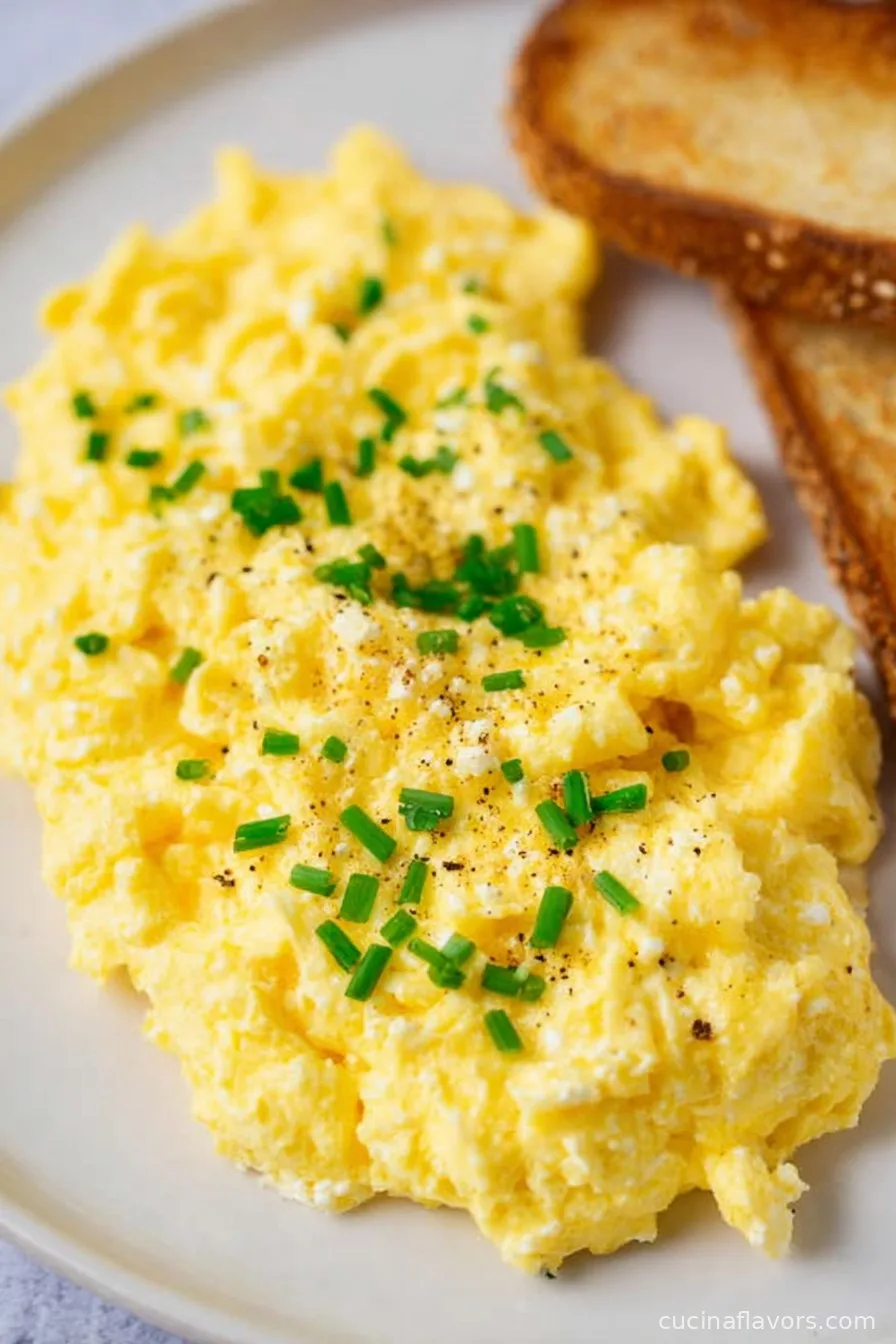
This unique breakfast option elevates regular scrambled or baked eggs by incorporating creamy, tangy cottage cheese, resulting in a dish that is both fluffy and rich in flavor.
The origins of combining eggs and cottage cheese can be traced back to Eastern European and American comfort food traditions, where combining dairy with eggs was a popular way to add nutrition and creaminess to simple meals.
Over recent years, food enthusiasts and health-conscious cooks have rediscovered the benefits of Cottage Cheese Eggs, making them a popular topic among breakfast lovers and fitness enthusiasts alike.
If you are searching for a meal that is easy, nutritious, and can be prepared in just a few minutes, this recipe is a perfect choice.
Cottage Cheese Eggs are incredibly versatile: whether you prefer them scrambled, baked, or even as a quick microwave meal, this combination delivers nourishment for any time of day. With bold, essential ingredients and minimal prep time, they’re great for meal prepping or satisfying a hunger pang in a hurry.
This comprehensive Cottage Cheese Eggs guide will walk you through every step, from gathering the freshest ingredients to serving and customizing your new favorite meal.
Whether you’re cooking for one or preparing a family breakfast, these fluffy, creamy eggs packed with protein and flavor are sure to become a regular dish at your table.
Ingredients
- 4 large eggs
- ½ cup cottage cheese (full-fat or low-fat, as preferred)
- 1 tablespoon unsalted butter or olive oil
- Salt, to taste
- Freshly ground black pepper, to taste
- 2 tablespoons chopped chives or green onions (optional)
- ¼ cup shredded cheese (cheddar, mozzarella, or Swiss for extra flavor, optional)
- A pinch of smoked paprika or chili flakes (optional)
Instructions
- Crack the eggs into a medium mixing bowl and whisk them until smooth and slightly frothy.
- Add the cottage cheese to the eggs and stir until just combined. For a smoother texture, you can blend the cottage cheese first.
- Season the mixture with salt, freshly ground black pepper, and any additional desired spices like smoked paprika or chili flakes.
- Heat a non-stick skillet over medium-low heat. Add the butter or olive oil and allow it to melt, coating the pan evenly.
- Pour the egg and cottage cheese mixture into the skillet. Let it sit undisturbed for about 30 seconds, then gently stir with a silicone spatula, lifting and folding the mixture as it cooks.
- Continue to cook, stirring gently and frequently, until the eggs are just set and creamy, about 3-5 minutes. Avoid overcooking to maintain a delicate, moist texture.
- If using, sprinkle in shredded cheese and most of the chopped chives or green onions just before the eggs finish cooking. Stir lightly to incorporate.
- Remove the skillet from the heat while the eggs are still slightly soft. Transfer to a plate and garnish with remaining herbs and any additional toppings. Serve immediately.
Nutritional Information
Cottage Cheese Eggs provide an ideal balance of protein, healthy fats, and essential vitamins to fuel your day. Each serving, based on a recipe prepared with 4 eggs and ½ cup low-fat cottage cheese, yields approximately 300-350 calories, depending on added ingredients.
You’ll enjoy roughly 25-30 grams of protein thanks to the combination of eggs and cottage cheese, making this dish ideal for those looking to maintain or build lean muscle mass.
The meal is relatively low in carbohydrates—about 4 grams per serving—while delivering key nutrients like vitamin D, calcium, selenium, vitamin B12, and choline, all important for metabolic health, bone strength, and brain function.
The inclusion of cottage cheese boosts the calcium and phosphorus content, supporting bone health, while eggs provide lutein and zeaxanthin to promote eye health.
If you opt for full-fat cottage cheese, the fat content will be slightly higher, offering richer flavor and greater satiety; use low-fat cottage cheese for a lighter version, which still delivers plenty of protein with reduced calories and fat.
For those watching sodium intake, consider choosing low-sodium cottage cheese and moderating the addition of salt. Overall, Cottage Cheese Eggs are an excellent source of long-lasting energy, keeping you satisfied and focused throughout the morning or day.
Wine and Beverage Pairings
Cottage Cheese Eggs pair beautifully with a variety of beverages, depending on your mood and the time of day. For a classic, morning-friendly option, freshly brewed coffee or a creamy latte complements the rich, savory flavor of the dish.
If you prefer tea, try a robust English breakfast or a light green tea to refresh the palate. For a brunch setting, a crisp glass of Prosecco or a dry sparkling wine can elevate your meal, balancing the creamy texture of the eggs.
Freshly squeezed orange juice or a cold-pressed vegetable juice provides a vitamin-rich, refreshing alternative that works well with the light tanginess of the cottage cheese.
For those seeking to enhance the flavor with wine, a light Chardonnay or Pinot Grigio offers the perfect subtle acidity to balance the dish's richness without overwhelming its flavors.
Cooking Tips and Variations
To achieve ultra-creamy Cottage Cheese Eggs, consider blending your cottage cheese before mixing it with the eggs, especially if you prefer a uniform, smooth texture. Always opt for fresh, high-quality eggs and cottage cheese to maximize flavor and nutrition.
If you’re making a larger batch, cook the eggs in smaller portions to prevent them from becoming watery or rubbery. For extra richness, add a splash of milk or cream to your eggs before whisking, or stir in a knob of cream cheese.
Those looking for added flavor can experiment with minced garlic, fresh herbs like parsley or dill, or a sprinkle of Parmesan at the end of cooking. Leftover vegetables such as spinach, bell peppers, or mushrooms make excellent additions—simply sauté them in the skillet before adding your egg mixture.
This recipe is also highly adaptable for different diets: use dairy-free cottage cheese and oil to make it lactose-free, swap eggs for an egg substitute for a plant-based result, or increase the proportion of vegetables for a more fiber-rich meal.
If you're in a rush, prepare the egg and cottage cheese mixture in advance and quickly reheat in the microwave for a hot breakfast in less than two minutes.
Baked Cottage Cheese Eggs are another delicious twist—pour the mixture into a greased baking dish, top with veggies and cheese, and bake at 350°F (175°C) until set for an easy frittata or casserole-style meal.

Serving Suggestions
Serve Cottage Cheese Eggs hot and fresh from the skillet for the best taste and texture. For a hearty breakfast, plate them alongside whole grain toast, roasted tomatoes, or sliced avocado for a well-rounded meal.
Adding a side of sautéed greens like spinach or Swiss chard can further boost the nutrient profile. If you’re aiming for a brunch spread, garnish the eggs with extra chopped herbs—such as dill, parsley, or basil—for a burst of color and flavor.
Try serving the eggs on top of a warm, toasted English muffin or in a wrap with smoked salmon and a sprinkle of capers for a gourmet twist. For meal-prepped workweek breakfasts, portion the Cottage Cheese Eggs into containers and add fresh vegetables or cooked grains for easy grab-and-go options.
On special occasions, try pairing the eggs with hash browns, a refreshing fruit salad, or baked beans for an English-inspired breakfast plate. Serve with an assortment of toppings on the side—such as salsa, hot sauce, or Greek yogurt—to let everyone customize their dish.
No matter the occasion, presenting Cottage Cheese Eggs with thoughtful sides and garnishes can transform this simple dish into a memorable meal.
Health Benefits
Cottage Cheese Eggs are a powerhouse when it comes to supporting a healthy lifestyle. The combination of eggs and cottage cheese delivers high-quality, complete proteins, supplying all essential amino acids necessary for tissue repair, muscle maintenance, and metabolic health.
Eggs are celebrated for their contributions to heart and brain health, offering choline, lutein, and B vitamins that support normal cognitive function and protect cells from oxidative damage.
Cottage cheese, especially when low-fat versions are used, adds a hefty dose of calcium and phosphorus to strengthen bones and teeth, along with probiotics in some varieties that help promote digestive health.
The low carbohydrate content makes this dish suitable for ketogenic, low-carb, and diabetic-friendly diets, while the high protein content keeps blood sugar stable and promotes feelings of fullness.
The customizable nature of this recipe allows you to further enhance its health benefits by incorporating fresh vegetables, leafy greens, or anti-inflammatory spices such as turmeric.
By avoiding processed additives and controlling the type of fat (using olive oil instead of butter or choosing low-sodium cottage cheese), you can easily tailor Cottage Cheese Eggs to suit specific dietary needs, ensuring a nourishing meal that supports your overall wellness goals.
Frequently Asked Questions
Yes, you can use fat-free cottage cheese for a lighter version. However, keep in mind that the texture may be slightly less creamy and the flavor less rich compared to full-fat or low-fat options.
Absolutely! Prepare and cool the eggs quickly after cooking, then store in an airtight container in the refrigerator for up to 3 days. Reheat gently in a microwave or on the stovetop over low heat to avoid overcooking.
Yes, Cottage Cheese Eggs are naturally low in carbohydrates and high in protein, making them ideal for low-carb, ketogenic, or diabetic diets.
Definitely! Sautéed vegetables like spinach, bell peppers, or mushrooms, as well as cooked meats such as ham, bacon, or smoked salmon, can be added for extra flavor and nutrition.
Yes, Cottage Cheese Eggs are an excellent choice for children, providing essential nutrients for growth and development. Just use mild seasonings and adjust the salt as needed.
Cottage Cheese Eggs represent a delicious and nutritious twist on traditional egg dishes, delivering a creamy texture and robust flavor that appeals to all ages. Whether you’re looking to boost your protein intake, experiment with new breakfast flavors, or simply enjoy a quick, wholesome meal, this versatile recipe is sure to become a favorite in your kitchen. With endless possibilities for customization and effortless preparation, Cottage Cheese Eggs make every meal both satisfying and nourishing. Next time you’re seeking a meal that combines convenience, health, and great taste, turn to this easy Cottage Cheese Eggs recipe and experience the uplifting comfort of this modern classic.
Ingredients
- 4 large eggs
- ½ cup cottage cheese (full-fat or low-fat, as preferred)
- 1 tablespoon unsalted butter or olive oil
- Salt, to taste
- Freshly ground black pepper, to taste
- 2 tablespoons chopped chives or green onions (optional)
- ¼ cup shredded cheese (cheddar, mozzarella, or Swiss for extra flavor, optional)
- A pinch of smoked paprika or chili flakes (optional)
Instructions
-
1Crack the eggs into a medium mixing bowl and whisk them until smooth and slightly frothy.
-
2Add the cottage cheese to the eggs and stir until just combined. For a smoother texture, you can blend the cottage cheese first.
-
3Season the mixture with salt, freshly ground black pepper, and any additional desired spices like smoked paprika or chili flakes.
-
4Heat a non-stick skillet over medium-low heat. Add the butter or olive oil and allow it to melt, coating the pan evenly.
-
5Pour the egg and cottage cheese mixture into the skillet. Let it sit undisturbed for about 30 seconds, then gently stir with a silicone spatula, lifting and folding the mixture as it cooks.
-
6Continue to cook, stirring gently and frequently, until the eggs are just set and creamy, about 3-5 minutes. Avoid overcooking to maintain a delicate, moist texture.
-
7If using, sprinkle in shredded cheese and most of the chopped chives or green onions just before the eggs finish cooking. Stir lightly to incorporate.
-
8Remove the skillet from the heat while the eggs are still slightly soft. Transfer to a plate and garnish with remaining herbs and any additional toppings. Serve immediately.
Approximate Information for One Serving
Nutrition Disclaimers
Number of total servings shown is approximate. Actual number of servings will depend on your preferred portion sizes.
Nutritional values shown are general guidelines and reflect information for 1 serving using the ingredients listed, not including any optional ingredients. Actual macros may vary slightly depending on specific brands and types of ingredients used.
To determine the weight of one serving, prepare the recipe as instructed. Weigh the finished recipe, then divide the weight of the finished recipe (not including the weight of the container the food is in) by the desired number of servings. Result will be the weight of one serving.
Did you make this recipe?
Please consider Pinning it!



Leave a Reply