
If you’re seeking a wholesome, protein-packed, and versatile bread substitute, the Cottage Cheese Flatbread Recipe stands out as a modern culinary favorite. Flatbreads have existed for centuries as staples in world cuisines, from Middle Eastern pita to Indian naan, and today’s health-conscious eaters are reinventing these classics using nutritious ingredients.
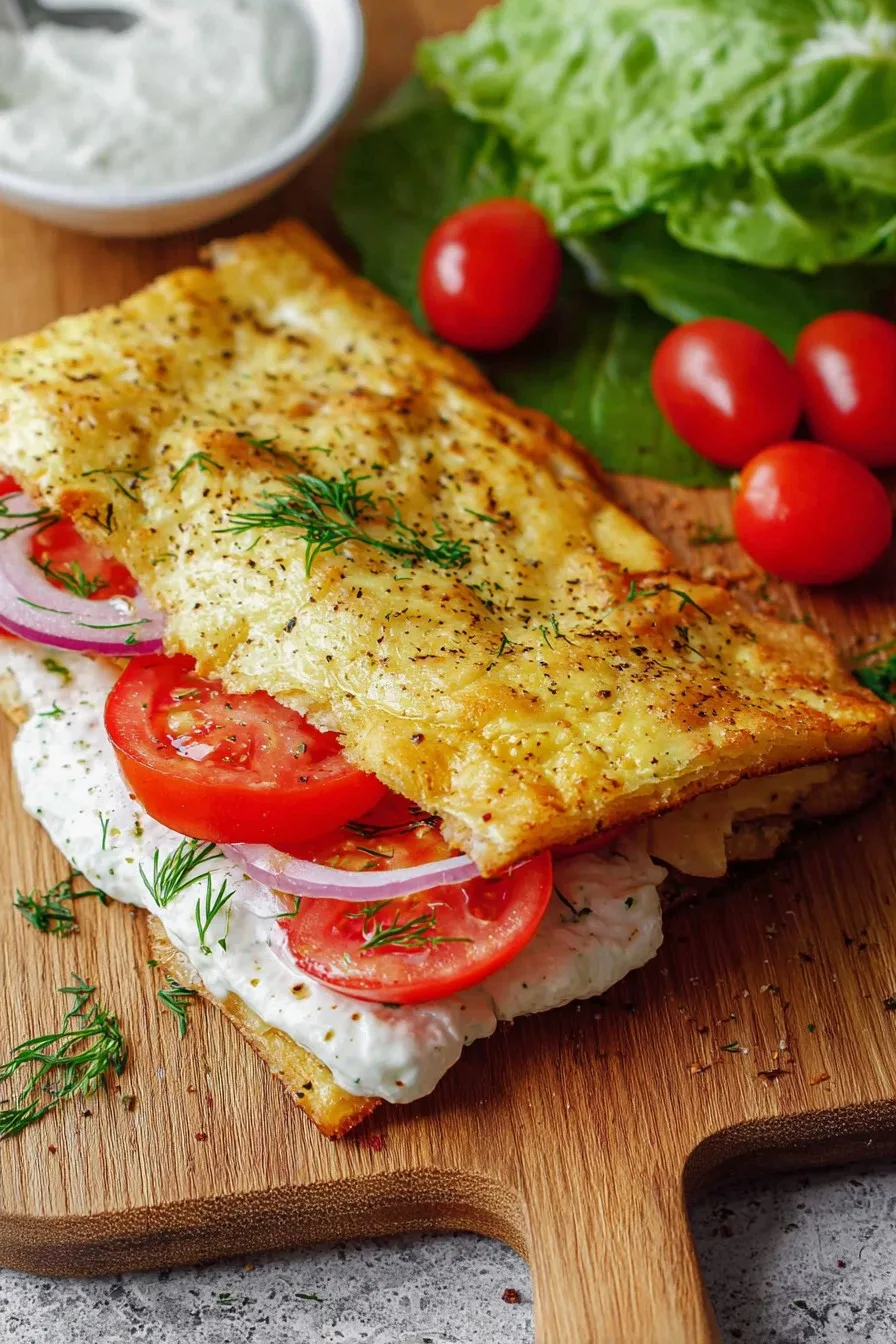
Cottage cheese, known for its high protein content and creamy texture, perfectly complements the quest for lighter, more nutritious bread alternatives. The Cottage Cheese Flatbread Recipe brings together the heritage of traditional flatbreads with the benefits of modern, health-aware cooking.
This easy-to-make, gluten-free option is soft, pliable, and subtly tangy, making it ideal for breakfast wraps, lunch sandwiches, pizzas bases, or simple dippers for your favorite dips. Not only is it rich in flavor and texture, but it is also loaded with essential nutrients.
Whether you’re meal prepping for the week, needing a quick snack, or crafting a nourishing meal for your family, this Cottage Cheese Flatbread Recipe is sure to become a kitchen staple.
Clear step-by-step instructions ensure success, even for beginner cooks, and numerous variations give you the freedom to personalize each batch. Embrace this contemporary spin on a global classic and enjoy health-conscious bread that doesn’t compromise on taste or satisfaction.
Ingredients
- 1 cup cottage cheese (full-fat or low-fat)
- 2 large eggs
- ½ cup oat flour (or any preferred flour such as whole wheat or almond flour)
- ½ teaspoon baking powder
- ¼ teaspoon salt
- 1 tablespoon olive oil (plus more for greasing skillet)
- 1 tablespoon chopped fresh herbs (such as parsley, chives, or dill, optional)
- Black pepper to taste
Instructions
- Place the cottage cheese in a food processor or blender and blend until smooth.
- In a large mixing bowl, whisk together the blended cottage cheese, eggs, and olive oil until thoroughly combined.
- Add oat flour, baking powder, salt, and black pepper. Mix until you have a thick, cohesive batter. If using fresh herbs, fold them in now.
- Preheat a non-stick skillet or griddle over medium heat. Lightly grease with olive oil.
- Spoon ¼ cup portions of batter onto the skillet, spreading each portion into a flat, round shape using the back of a spoon, about ¼-inch thick.
- Cook for 2-3 minutes until the edges begin to lift and the underside is golden brown. Flip carefully and cook the other side for another 2 minutes until cooked through.
- Transfer cooked flatbreads to a plate and cover loosely with a towel to keep warm while you finish the remaining batter.
- Serve warm as desired, or let cool and store in an airtight container in the refrigerator up to 4 days.
Nutritional Information
Cottage cheese flatbread is a nutrient-dense alternative to traditional bread, especially suitable for those seeking a higher protein intake without excessive carbohydrates.
Each flatbread (assuming this recipe yields about 4 large portions) contains approximately 110-130 calories, with around 8-10 grams of protein, 7-8 grams of carbohydrates, and 5-6 grams of fat, depending on the cottage cheese and flour used.
The cottage cheese itself is rich in casein—a slow-digesting protein that supports muscle repair and satiety. Using oat flour keeps the recipe gluten-free and provides additional fiber, aiding digestion and supporting heart health.
Unlike traditional bread recipes that may require added yeast or sugar, this flatbread relies on the natural creaminess of cheese and eggs, avoiding unnecessary additives. The healthy fats from olive oil contribute to better absorption of fat-soluble vitamins, while the optional fresh herbs enhance micronutrient content without adding calories.
For individuals monitoring their sodium intake, consider using a lower-sodium cottage cheese option. Overall, cottage cheese flatbread makes for a satisfying, balanced base for any meal, whether you’re following a high-protein, gluten-free, or simply a whole-food-based diet.

Wine and Beverage Pairings
Cottage cheese flatbread pairs well with a refreshing cucumber mint lemonade or a lightly sparkling water infused with citrus. For those who enjoy wine, a crisp Sauvignon Blanc or a cool glass of dry Riesling complements the delicate tang of the flatbread without overpowering its flavors.
For the morning, pair your flatbread with a fresh green smoothie or light herbal tea to kickstart your day.
Cooking Tips and Variations
For the best cottage cheese flatbread texture and flavor, be sure to blend your cottage cheese until completely smooth, as this ensures a delicate, cohesive batter. If you prefer a slightly tangier taste, opt for full-fat cottage cheese, but both full-fat and low-fat versions work well.
Adjust the flour type—whole wheat for more fiber, almond flour for lower carbs, or even chickpea flour for extra protein—to suit dietary needs. Adding chopped fresh herbs or a pinch of dried spices like garlic powder, smoked paprika, or cumin can instantly elevate the flavor.
To make your flatbreads extra pliable, avoid overcooking or making them too thick; keeping them thin ensures flexibility for wraps or rolls. If you want to experiment, try incorporating a sprinkle of grated parmesan or nutritional yeast into the batter for a cheesy punch.
These flatbreads can also be baked in the oven on lined trays at 375°F (190°C) for about 10 minutes per side for a hands-off approach. For those pressed for time, prepare the batter in advance and refrigerate for up to 24 hours.
Vegan variations can be attempted using plant-based cottage cheese alternatives and flax seeds as an egg substitute, though texture may vary.

Serving Suggestions
The beauty of the cottage cheese flatbread recipe lies in its versatility. Serve the flatbreads warm, rolled around fresh veggies and hummus for an energizing lunch wrap, or use them as dippers alongside your favorite soups and stews.
They make a soft, pliable base for breakfast burritos—just add scrambled eggs, avocado, and spinach for a filling start to the day. For elegant appetizers, cut the flatbreads into strips and top with smoked salmon, capers, and a dollop of Greek yogurt.
They can also serve as a gluten-free pizza base: simply add tomato sauce, cheese, and your favorite toppings, then bake until bubbly. If hosting brunch, create a platter with assorted cheeses, olives, and these flatbreads to let guests build their own bites.
For a sweet twist, top with almond butter and fresh berries, or drizzle with honey and sprinkle with cinnamon. No matter how you serve them, keep flatbreads covered to retain their softness and serve at room temperature or gently warmed in a skillet for best texture and flavor.
Health Benefits
The cottage cheese flatbread recipe is celebrated for its array of health benefits. As a low-glycemic, high-protein bread substitute, it helps maintain balanced blood sugar levels, which is especially beneficial for diabetics or anyone following a low-carb diet.
Cottage cheese is abundant in calcium, phosphorus, and B vitamins, all essential for bone health, energy metabolism, and cellular function. The eggs contribute high-quality protein and vital nutrients such as vitamin D and choline, which supports brain health.
Olive oil used in this recipe supplies heart-healthy monounsaturated fats that have anti-inflammatory properties. Oat flour grants additional fiber, supporting digestive wellness and contributing to a feeling of fullness, which may assist with weight management.
The overall macronutrient distribution of cottage cheese flatbread makes it well-suited for active individuals, those looking for muscle repair or growth, and families seeking healthier versions of everyday staples. Additionally, the recipe is naturally gluten-free when using gluten-free flours, making it accessible for those with celiac disease or gluten sensitivities.
Frequently Asked Questions
Store-bought cottage cheese is perfectly suitable for this recipe. Make sure to use a plain, unflavored variety and select either full-fat or low-fat based on your preference.
Once cooled, store leftover cottage cheese flatbreads in an airtight container in the refrigerator for up to four days. For longer storage, freeze flatbreads separated by parchment paper for up to two months.
You can experiment with plant-based cottage cheese alternatives and use flaxseed gel as an egg substitute, but the texture and flavor may be different from the traditional version.
If you use almond flour and full-fat cottage cheese in this recipe, the flatbreads can be adapted to fit a keto or low-carb lifestyle.
Yes, you can bake the flatbread on a baking sheet lined with parchment paper at 375°F (190°C) for about 10 minutes on each side, or until golden and set.
Cottage cheese flatbread recipe offers a smart and satisfying alternative to traditional bread, effortlessly balancing taste, nutrition, and convenience. Its tender texture, mild tang, and ability to pair beautifully with a wide variety of dishes make it a valuable addition to any kitchen. Whether you’re seeking a protein-rich option for meal prep, a creative vessel for your favorite toppings, or a health-forward bread substitute, this recipe delivers. Embrace the simplicity and nourishment of homemade flatbread and make cottage cheese flatbread a regular part of your culinary repertoire. Savor each bite knowing you’re nourishing your body deliciously.
Ingredients
- 1 cup cottage cheese (full-fat or low-fat)
- 2 large eggs
- ½ cup oat flour (or any preferred flour such as whole wheat or almond flour)
- ½ teaspoon baking powder
- ¼ teaspoon salt
- 1 tablespoon olive oil (plus more for greasing skillet)
- 1 tablespoon chopped fresh herbs (such as parsley, chives, or dill, optional)
- Black pepper to taste
Instructions
-
1Place the cottage cheese in a food processor or blender and blend until smooth.
-
2In a large mixing bowl, whisk together the blended cottage cheese, eggs, and olive oil until thoroughly combined.
-
3Add oat flour, baking powder, salt, and black pepper. Mix until you have a thick, cohesive batter. If using fresh herbs, fold them in now.
-
4Preheat a non-stick skillet or griddle over medium heat. Lightly grease with olive oil.
-
5Spoon ¼ cup portions of batter onto the skillet, spreading each portion into a flat, round shape using the back of a spoon, about ¼-inch thick.
-
6Cook for 2-3 minutes until the edges begin to lift and the underside is golden brown. Flip carefully and cook the other side for another 2 minutes until cooked through.
-
7Transfer cooked flatbreads to a plate and cover loosely with a towel to keep warm while you finish the remaining batter.
-
8Serve warm as desired, or let cool and store in an airtight container in the refrigerator up to 4 days.
Approximate Information for One Serving
Nutrition Disclaimers
Number of total servings shown is approximate. Actual number of servings will depend on your preferred portion sizes.
Nutritional values shown are general guidelines and reflect information for 1 serving using the ingredients listed, not including any optional ingredients. Actual macros may vary slightly depending on specific brands and types of ingredients used.
To determine the weight of one serving, prepare the recipe as instructed. Weigh the finished recipe, then divide the weight of the finished recipe (not including the weight of the container the food is in) by the desired number of servings. Result will be the weight of one serving.
Did you make this recipe?
Please consider Pinning it!


Leave a Reply