
The Cream Cheese Danish Recipe is a classic favorite among pastry lovers, renowned for its flaky, buttery layers and soft, luscious cream cheese filling.
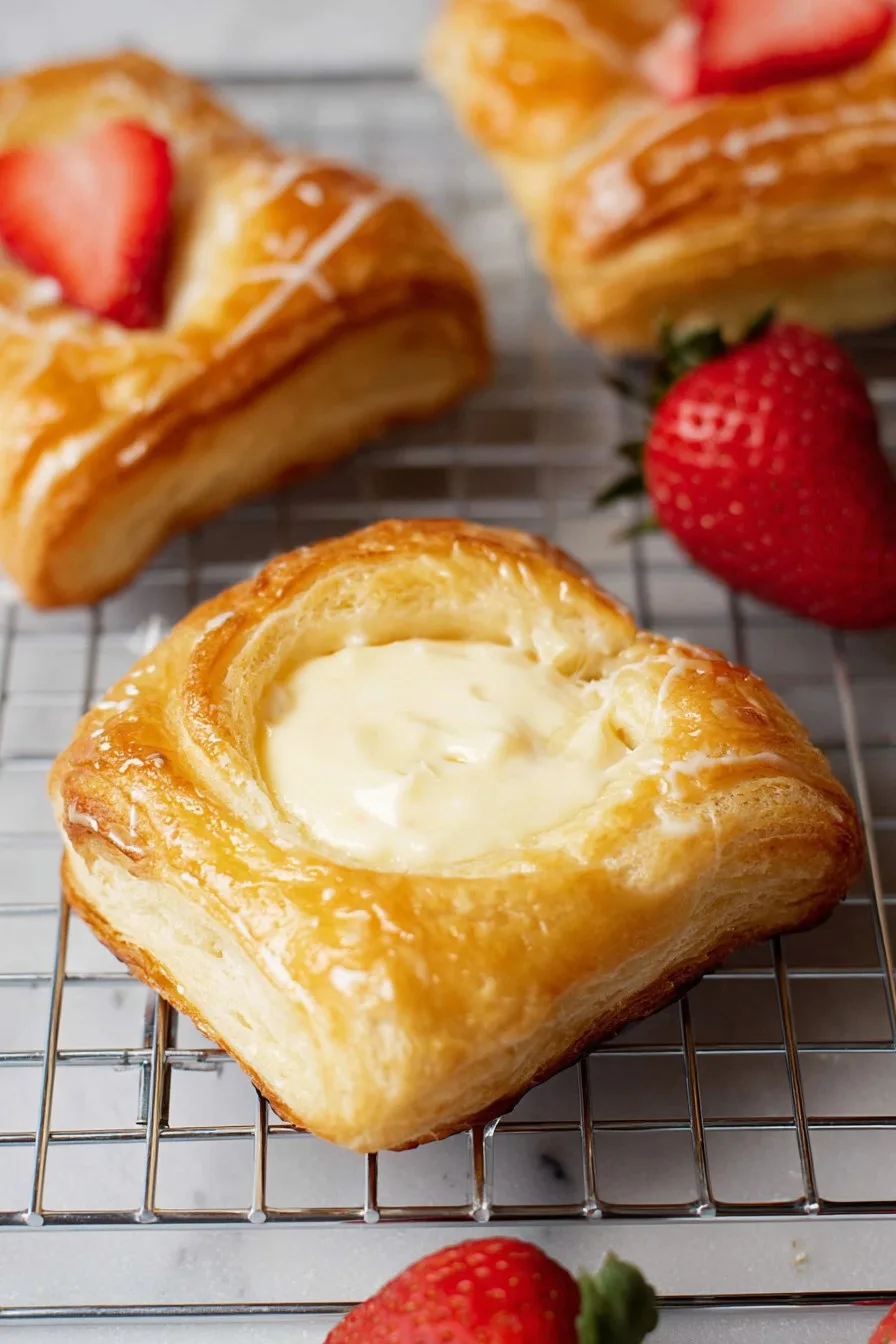
Originating from the rich culinary traditions of Denmark, funnily enough, the modern Danish pastry, or "Danish," became famous after being popularized in Austria and then introduced to Denmark by Austrian bakers in the 19th century.
Over the years, this delightful pastry has transformed into numerous variants, but the essence remains: a delicate, laminated dough encasing sweet, tangy cream cheese. In bakeries across the world, the Cream Cheese Danish is often the first to disappear from pastry trays thanks to its irresistible flavor and melt-in-the-mouth texture.
This Cream Cheese Danish Recipe brings the indulgence of a bakery pastry to your home kitchen using easy-to-find ingredients and simple techniques. Whether enjoyed with morning coffee, as a brunch treat, or as a satisfying dessert, this pastry consistently wins hearts.
The recipe incorporates the primary keyphrase, "Cream Cheese Danish Recipe," and provides detailed guidance to help you achieve beautifully golden, rich, and creamy pastries every time. You'll also learn about the nutritional profile, helpful tips, scrumptious variations, serving ideas, and more to make your Cream Cheese Danish Recipe truly memorable.
So, whether you're new to baking or a seasoned pro, this step-by-step guide will inspire you to master an all-time favorite.
Ingredients
- 1 sheet frozen puff pastry, thawed
- 4 ounces cream cheese, softened
- ¼ cup granulated sugar
- 1 large egg yolk
- 1 teaspoon pure vanilla extract
- Zest of 1 lemon (optional, for brightness)
- 1 tablespoon all-purpose flour
- 1 tablespoon milk (for brushing)
- Powdered sugar, for dusting (optional)
- 1 tablespoon apricot jam or honey (for glazing, optional)
Instructions
- Preheat your oven to 400°F (200°C). Line a baking sheet with parchment paper.
- Unfold the thawed puff pastry and gently roll it on a lightly floured surface to a 10 x 10-inch square.
- Cut the sheet into 4 equal squares. Place them on the prepared baking sheet, spacing them apart.
- In a medium bowl, beat the cream cheese until smooth. Add granulated sugar, egg yolk, vanilla extract, lemon zest (if using), and flour. Beat until fully combined and creamy.
- Spoon about 1-2 tablespoons of the cream cheese mixture into the center of each pastry square, spreading slightly but leaving a generous border.
- Fold the corners of each square towards the center, partly covering the filling, and gently press to seal. Alternatively, you can keep the corners open for a more classic look.
- Brush the exposed pastry edges with milk for a golden finish during baking.
- Bake in the preheated oven for 15-18 minutes or until the pastry is puffed and golden brown.
- If desired, heat apricot jam or honey in the microwave for 10 seconds and brush over the baked pastries for a shiny glaze.
- Allow the Cream Cheese Danishes to cool for 10-15 minutes. Dust lightly with powdered sugar before serving, if desired.
Nutritional Information
A homemade Cream Cheese Danish Recipe delivers a balanced combination of indulgence and nutrients, making it a delightful treat in moderation. Each Danish pastry provides approximately 280-320 calories, with variations depending on precise filling size and any added toppings or glazes.
The pastries are rich in carbohydrates, mainly from puff pastry and sugar, which contribute to quick energy. The cream cheese core introduces a moderate amount of protein and fat, promoting satiety and giving the Danish its signature creamy texture.
Puff pastry, made from layers of butter and flour, increases the fat content, most of which are saturated fats due to the butter. Including lemon zest and natural vanilla offers flavor without additional calories or sugar.
When enjoyed occasionally, Cream Cheese Danish can be a part of a balanced diet, especially if paired with fresh fruit or a lighter breakfast. To further adjust the nutritional profile, you might choose reduced-fat cream cheese or opt for a sugar substitute.
Be mindful that, like most pastries, Danishes are best enjoyed in moderation, particularly if you are monitoring calorie or fat intake. A single pastry generally contains about 3-4 grams of protein, around 18 grams of fat (mainly from butter and cream cheese), and 25-30 grams of carbohydrates.
This sense of indulgence pairs perfectly with an active lifestyle or as an occasional morning picker-upper, ensuring you get the best of taste with a thoughtful approach to nutrition. The Cream Cheese Danish Recipe stands out not only in flavor but in its ability to satisfy with quality, real ingredients.
Wine and Beverage Pairings
The Cream Cheese Danish Recipe shines when served alongside thoughtfully selected beverages. For a classic pairing, freshly brewed coffee—be it espresso, cappuccino, or a pour-over blend—perfectly complements the richness of the cream cheese filling and the buttery pastry crust.
If you prefer tea, opt for an Earl Grey or a lightly flavored black tea that won’t overwhelm the delicate flavors of the Danish.
For a special breakfast or brunch occasion, a chilled glass of sparkling wine or Prosecco can elevate the experience, especially when served as part of a festive spread. Freshly squeezed orange juice or a tart cranberry spritzer also make refreshing non-alcoholic options that balance out the sweetness of the pastry.
Children and those seeking comfort might enjoy a warm cup of milk or hot chocolate paired with their Danish. No matter the choice, the goal is to harmonize with the subtle flavors of the Cream Cheese Danish while adding a touch of luxury to your table.
Cooking Tips and Variations
Achieving pastry perfection with the Cream Cheese Danish Recipe is all about attention to detail and thoughtful substitutions. For a truly flaky pastry, ensure your puff pastry remains cool before baking. Over-handling or working with warm dough can cause the butter layers to melt, leading to less lift and crunch.
If the kitchen is warm, chill the assembled pastries for 10-15 minutes before baking. When it comes to filling, flavor can be tailored to personal preference by incorporating lemon or orange zest for brightness, or almond extract for a rich, aromatic twist.
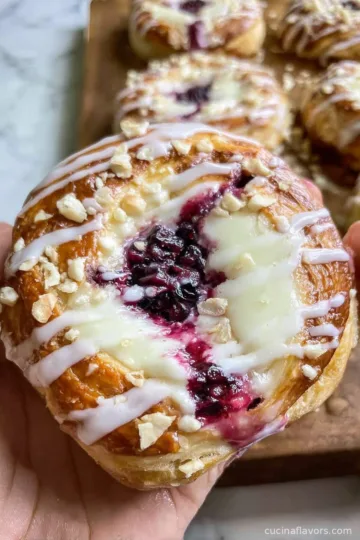
Consider adding a swirl of fruit preserves—like raspberry, blueberry, or cherry—on top of the cream cheese for a fruit Danish variation. For an added crunch, sprinkle slivered almonds or coarse sugar onto the pastry before baking.
If you don't have puff pastry, crescent roll dough makes a quick and tasty substitute. For a healthier spin, opt for reduced-fat cream cheese or experiment with a Greek yogurt blend in the filling.
And don’t skip the egg yolk in the filling—it ensures a rich, custardy result that’s still easy to work with.
To avoid a soggy bottom, make sure the pastries are baked on the middle rack so the heat circulates well, and consider using a preheated baking steel or stone underneath for extra browning. With these adaptations and expert techniques, your Cream Cheese Danish Recipe will come out bakery-perfect every time.
The real secret is practice—don't hesitate to try different shapes, fillings, or toppings until you find your signature Danish look and taste.

Serving Suggestions
When it comes to serving your homemade Cream Cheese Danish, presentation and accompaniments can truly enhance the experience. For breakfast, arrange freshly baked Danishes on a tiered stand or wooden board alongside bowls of fresh berries, sliced fruit, and a selection of jams or honey.
This allows guests to personalize their Danish and enjoy additional flavors. Drizzle the pastries with a simple powdered sugar icing or a light glaze while still slightly warm for extra sweetness and sheen.
For brunch gatherings, Cream Cheese Danish Danishes pair splendidly with a champagne mimosa bar, fruit salads, and savory quiches, providing a balance of sweet and savory on your table.
If serving as a dessert, try plating individual Danishes with a scoop of vanilla ice cream or a dollop of whipped cream, garnished with mint and a few pretty berries.
Kids especially love bite-sized Danishes—cut the puff pastry into smaller squares before filling and baking for mini treats that are perfect for little hands or party platters.
When preparing in advance, bake as directed and store cooled pastries in an airtight container; simply reheat in a 325°F (163°C) oven until warmed through and enjoy as if fresh-baked.
The Cream Cheese Danish Recipe adapts for all occasions, whether it’s a quiet breakfast, a celebratory brunch, or a sweet finish to dinner. Its charming appearance and irresistible taste make it suitable for holiday spreads, family weekends, or simply spoiling yourself with a little homemade bakery-style luxury.
Health Benefits
While primarily an indulgence, the Cream Cheese Danish Recipe does offer a few redeeming nutritional qualities. The eggs and cream cheese provide a source of protein and calcium, both essential for muscle maintenance and bone health.
Lemon zest, when included, adds a dose of vitamin C, while vanilla extract supplies antioxidants with each fragrant bite. By substituting reduced-fat or light cream cheese, you can lessen the overall saturated fat content, making the pastry a tad lighter without sacrificing flavor.
Whole grain puff pastry, though less common, can be substituted for added fiber. For those monitoring sugar intake, using a sugar substitute or reducing the filling’s sweetness is an easy way to align the recipe with personal dietary needs.
Even with these smarter swaps, it's important to consider portion sizes, as traditional pastries are rich in fats and carbs, providing ample energy but potentially contributing to excess calorie intake if not enjoyed in moderation.
Pairing the Danish with fresh fruits or a glass of vitamin-rich juice can offer additional nutrients, while the pleasure and comfort derived from a homemade treat adds emotional wellbeing that’s not to be underestimated.
In essence, this Cream Cheese Danish Recipe can be a charming part of a balanced lifestyle, especially when treated as an occasional reward and enjoyed mindfully.
Frequently Asked Questions
Yes, you can assemble the pastries and refrigerate them for up to 12 hours before baking. Alternatively, bake and then store the cooled Danish pastries in an airtight container; rewarm in the oven just before serving for that freshly baked taste.
Absolutely! Once completely cooled, wrap each Danish individually in plastic wrap and place them in a freezer-safe bag. To serve, thaw overnight in the refrigerator and reheat gently in the oven until crisp and warm.
If puff pastry is unavailable, crescent roll dough is an excellent substitute, offering a slightly different texture but a similarly delicious result. Just cut and shape as instructed, and bake according to dough directions.
Yes! Reduce the amount of sugar in the filling to your taste or replace it with a natural sugar substitute. You can also opt out of glazes and powdered sugar for a more subtly sweet flavor profile.
Popular additions include fruit preserves, fresh berries, or nuts. Swirl in raspberry, blueberry, or apricot preserves with the cream cheese before baking, or top with sliced almonds for extra crunch.
Mastering the Cream Cheese Danish Recipe offers a slice of bakery luxury in your own kitchen, with soft, creamy filling encased in golden, flaky pastry layers. Whether you’re serving a crowd or just craving a sweet treat, this recipe adapts to any setting and satisfies with each mouthful. Thanks to straightforward ingredients and abundant customization, you can craft Danishes perfectly tailored to your preferences and dietary needs. Remember to enjoy your pastries mindfully, savoring not only the taste but the joy of homemade baking. With this comprehensive Cream Cheese Danish Recipe, you’re ready to bring delicious, timeless flavor to your breakfast table, brunch spread, or dessert menu—impressing family, friends, and yourself with every delicious bite.
Ingredients
- 1 sheet frozen puff pastry, thawed
- 4 ounces cream cheese, softened
- ¼ cup granulated sugar
- 1 large egg yolk
- 1 teaspoon pure vanilla extract
- Zest of 1 lemon (optional, for brightness)
- 1 tablespoon all-purpose flour
- 1 tablespoon milk (for brushing)
- Powdered sugar, for dusting (optional)
- 1 tablespoon apricot jam or honey (for glazing, optional)
Instructions
-
1Preheat your oven to 400°F (200°C). Line a baking sheet with parchment paper.
-
2Unfold the thawed puff pastry and gently roll it on a lightly floured surface to a 10 x 10-inch square.
-
3Cut the sheet into 4 equal squares. Place them on the prepared baking sheet, spacing them apart.
-
4In a medium bowl, beat the cream cheese until smooth. Add granulated sugar, egg yolk, vanilla extract, lemon zest (if using), and flour. Beat until fully combined and creamy.
-
5Spoon about 1-2 tablespoons of the cream cheese mixture into the center of each pastry square, spreading slightly but leaving a generous border.
-
6Fold the corners of each square towards the center, partly covering the filling, and gently press to seal. Alternatively, you can keep the corners open for a more classic look.
-
7Brush the exposed pastry edges with milk for a golden finish during baking.
-
8Bake in the preheated oven for 15-18 minutes or until the pastry is puffed and golden brown.
-
9If desired, heat apricot jam or honey in the microwave for 10 seconds and brush over the baked pastries for a shiny glaze.
-
10Allow the Cream Cheese Danishes to cool for 10-15 minutes. Dust lightly with powdered sugar before serving, if desired.
Approximate Information for One Serving
Nutrition Disclaimers
Number of total servings shown is approximate. Actual number of servings will depend on your preferred portion sizes.
Nutritional values shown are general guidelines and reflect information for 1 serving using the ingredients listed, not including any optional ingredients. Actual macros may vary slightly depending on specific brands and types of ingredients used.
To determine the weight of one serving, prepare the recipe as instructed. Weigh the finished recipe, then divide the weight of the finished recipe (not including the weight of the container the food is in) by the desired number of servings. Result will be the weight of one serving.
Did you make this recipe?
Please consider Pinning it!

Leave a Reply