
Lemon drizzle cake is a British classic, beloved for its light, tender crumb and the vibrant kick of fresh lemon flavor. Over time, this cake has crossed international borders, finding its place on dessert tables around the world.
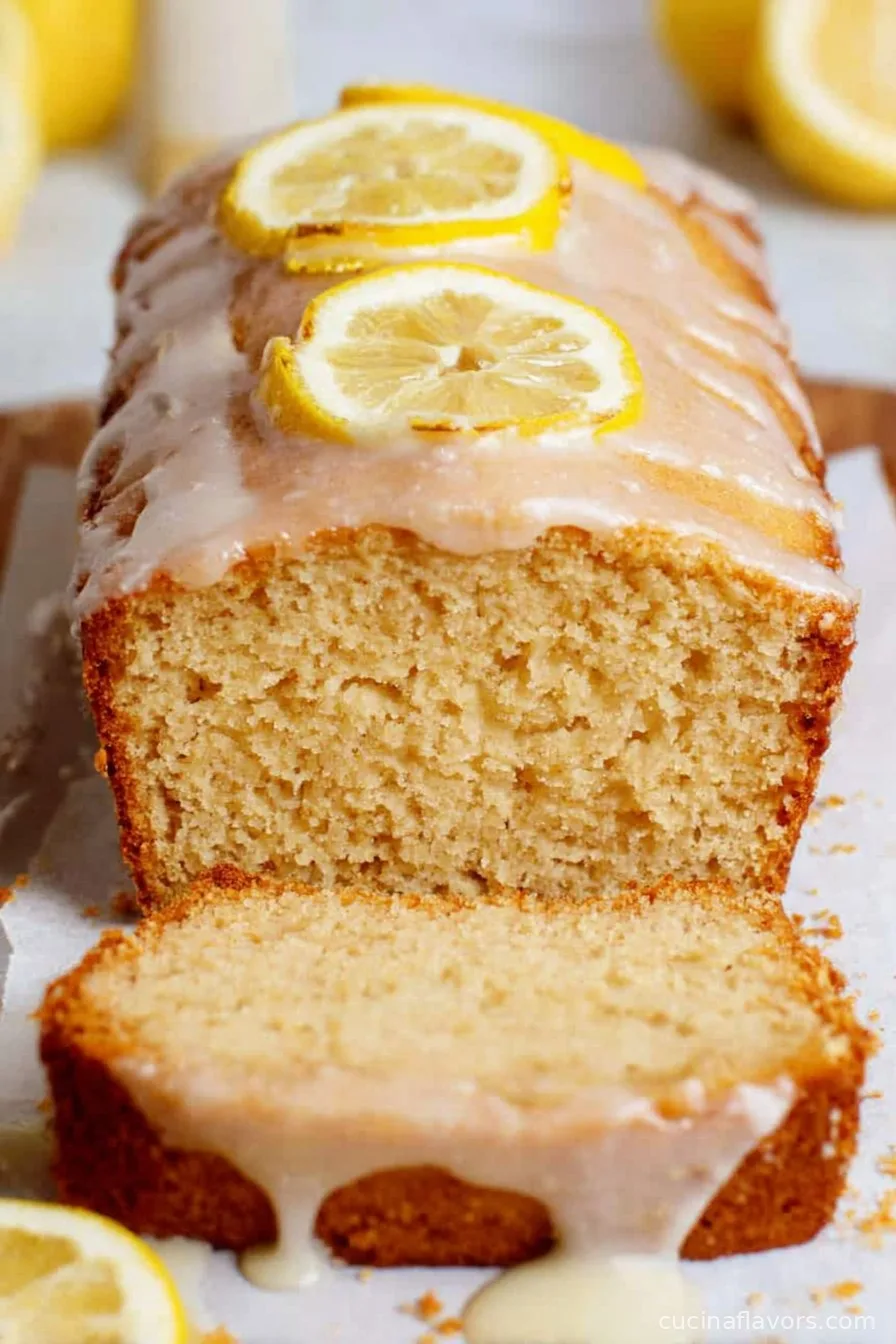
In the modern era, dietary requirements and lifestyle choices have inspired many bakers to opt for gluten-free alternatives, ensuring everyone can indulge in this citrusy treat. Our Gluten-Free Lemon Drizzle Cake Recipe combines tradition with inclusivity, providing a moist, flavorful, and satisfying cake that caters to those avoiding gluten.
Gluten-free baking can sometimes feel daunting, given the challenges of recreating the texture and taste of traditional wheat-based cakes. However, with the right ingredients and techniques, you can whip up a gluten-free lemon drizzle cake that rivals its classic counterpart.
By blending naturally gluten-free flours with the zesty freshness of lemons, you get a cake that's not only delicious but also suitable for those with gluten sensitivities or coeliac disease.
This Gluten-Free Lemon Drizzle Cake Recipe ensures that no one misses out, whether it's served at afternoon tea, as a dessert after a meal, or just as a special treat with a cup of tea or coffee.
In this comprehensive guide, we’ll walk you through everything you need to know to make the perfect gluten-free lemon drizzle cake, including the best flours to use, handy baking tips, serving suggestions, and the health benefits of choosing a gluten-free version.
Whether you’re a seasoned baker or a culinary novice, our Gluten-Free Lemon Drizzle Cake Recipe makes homemade citrus cake achievable, flavorful, and memorable for all occasions.
Ingredients
- 185g (1 ½ cups) gluten-free plain flour blend
- 200g (1 cup) caster sugar
- 170g (¾ cup) unsalted butter, softened
- 3 large eggs, room temperature
- 2 medium lemons, zested and juiced
- 1 teaspoon gluten-free baking powder
- ½ teaspoon xanthan gum (if not in your flour blend)
- ¼ teaspoon salt
- 3 tablespoons milk (dairy or non-dairy alternative)
- 100g (¾ cup) powdered sugar, for icing
- 2 tablespoons fresh lemon juice, for icing
Instructions
- Preheat your oven to 180°C (350°F). Grease and line a 2lb (900g) loaf tin with parchment paper.
- In a medium bowl, whisk together the gluten-free flour, baking powder, xanthan gum (if using), and salt.
- In a large bowl, cream the softened butter and caster sugar together until light and fluffy using an electric mixer.
- Beat in the eggs one at a time, mixing well after each addition. Add the lemon zest and juice and mix until incorporated.
- Gradually fold the dry ingredients into the wet mixture, alternating with the milk. Mix until you have a smooth, lump-free batter.
- Pour the batter into the prepared loaf tin and gently smooth the top.
- Bake for 45-50 minutes, or until a skewer inserted into the center comes out clean.
- Allow the cake to cool in the tin for 10 minutes before transferring to a wire rack.
- While the cake is still slightly warm, mix the powdered sugar with lemon juice to make the icing.
- Drizzle the lemon icing evenly over the warm cake, allowing some to drip down the sides.
- Allow the cake to cool completely before slicing and serving for the best texture.
Nutritional Information
A single slice (assuming the cake is cut into 12 servings) of this Gluten-Free Lemon Drizzle Cake typically provides approximately 210-230 calories. The majority of calories come from the healthy fats in the butter and the carbohydrates from the gluten-free flours and sugar.
There are roughly 3-5 grams of protein per slice, coming mainly from the eggs. This cake contains no gluten, making it suitable for those with gluten intolerance or celiac disease. If a dairy-free version is desired, using non-dairy butter and milk alternatives can make this cake completely lactose-free.
The cake offers a moderate amount of sugar per serving, so those monitoring their sugar intake may wish to use less icing or opt for sugar substitutes. Each slice contains around 10-12 grams of fat, of which about 6% is saturated fat.
Fiber content varies depending on the gluten-free flour blend used but generally ranges from 1-2 grams per slice. The lemon provides natural vitamin C and antioxidants, supporting the immune system.
Overall, this Gluten-Free Lemon Drizzle Cake Recipe is a lighter, wholesome dessert option compared to heavy chocolate cakes, while still delivering flavor and satisfaction.

Wine and Beverage Pairings
The zesty profile of a Gluten-Free Lemon Drizzle Cake pairs beautifully with both hot and cold beverages. For a classic tea-time treat, serve the cake with a pot of Earl Grey or English Breakfast tea—the floral notes accentuate the citrus flavor.
If you prefer coffee, a light roast or single-origin brew creates a pleasant contrast with the cake's tanginess without overpowering the palate. For wine pairings, aim for crisp and aromatic whites like a chilled Sauvignon Blanc, Pinot Grigio, or a sparkling Prosecco.
These wines have lively acidity that mirrors the refreshing notes of lemon. If you want a non-alcoholic option, try pairing with elderflower cordial, lemonade, or iced green tea to keep the experience light and palate-cleansing.
For an elegant afternoon tea spread, offer the cake with a range of herbal infusions, such as chamomile or lemon verbena.
Cooking Tips and Variations
For the perfect Gluten-Free Lemon Drizzle Cake, start by selecting a high-quality gluten-free flour blend containing rice, potato, and tapioca flours—the best for a light, fluffy crumb. If your blend doesn’t include xanthan gum or guar gum, add half a teaspoon to give your cake structure and prevent crumbling.
Freshly squeezed lemon juice and finely grated zest impart vibrant flavor, so avoid bottled alternatives. Room temperature eggs and butter ensure proper emulsification—cold ingredients can cause the batter to split. Swap out butter for dairy-free alternatives and use plant-based milk to make this cake entirely dairy-free.
For a poppy seed twist, add a tablespoon of poppy seeds to the batter. You can make this recipe nut-free by choosing a nut-free gluten-free flour blend.
To reduce calories, use a low-calorie sweetener in place of caster sugar, and replace part of the sugar in the drizzle with pureed fruit for sweetness. For extra moisture, add a couple of tablespoons of yogurt or sour cream to the batter.
Consider doubling the icing for a thicker, sweeter topping, or drizzle the cake with a lemon syrup (made by heating lemon juice and sugar) prior to applying the glaze for extra moistness. Always allow the cake to cool before slicing to prevent it from crumbling or sticking to the knife.

Serving Suggestions
Gluten-Free Lemon Drizzle Cake shines whether served as an elegant dessert, a sweet snack, or as the star of an afternoon tea spread. Arrange thick slices on a cake stand and garnish with extra lemon zest or thin slices of lemon for a visually stunning presentation.
To bring a touch of decadence, accompany each serving with a dollop of whipped cream (dairy or coconut), a scoop of vanilla ice cream, or a spoonful of Greek-style yogurt.
For special occasions, consider dusting the cake with a sprinkle of powdered sugar and adding edible flowers for a pop of color and sophistication. If you’re hosting an event, mini loaf cakes or cupcakes made using the same batter can be distributed as party favors or served as individual treats.
This cake also pairs marvelously with spring and summer fruit, especially fresh berries like raspberries or blueberries. Simply arrange fruit alongside each slice for added color, nutrition, and flavor contrast.
When serving to guests with multiple dietary preferences, be sure to label the cake as gluten-free, and ensure all serving utensils are clean to avoid cross-contamination. Leftovers can be kept in an airtight container at room temperature for up to three days, or refrigerated if the weather is warm.
For a longer shelf-life, wrap slices individually and freeze for up to a month, then thaw at room temperature before serving.
Health Benefits
Choosing gluten-free baking options like this Gluten-Free Lemon Drizzle Cake Recipe has several health benefits for those with gluten intolerance or celiac disease. By eliminating wheat flour, this cake reduces digestive discomfort and inflammation for gluten-sensitive individuals.
The inclusion of fresh lemons in the recipe not only imparts bright flavor but also provides a dose of vitamin C, an essential antioxidant that supports immunity, collagen production, and skin health.
Gluten-free flour blends often incorporate rice, potato, and tapioca flours, which are lower in calories and easier to digest for many people.
Using plant-based milk and butter substitutes can make this cake suitable for those who follow a dairy-free diet or are lactose intolerant, reducing saturated fat intake and supporting heart health. Despite being a dessert, this cake offers a relatively moderate amount of sugar and fat compared to many traditional cakes.
Making mindful adjustments—such as using reduced-sugar or natural sweeteners—can make it a more nutritious choice for those managing their sugar intake. Additionally, the cake is naturally free from nuts (provided the flour blend has no nut flours), making it a safe option for those with certain allergies.
Enjoying a gluten-free treat like this in moderation can help foster a balanced approach to healthy eating, ensuring that dietary restrictions never mean missing out on sweet, satisfying moments.
Frequently Asked Questions
While almond flour adds moisture and flavor, it behaves differently from a typical gluten-free blend. For best results, use a commercial gluten-free flour blend, as it mimics wheat flour’s texture more closely. Almond flour alone may create a dense, crumbly cake unless combined with other gluten-free flours.
Store the cooled cake in an airtight container at room temperature for up to three days. For longer storage, refrigerate it or freeze individual slices for up to a month. Always let the cake return to room temperature before serving for best texture.
Yes, you can substitute eggs with flaxseed or chia egg replacers, use dairy-free butter, and plant milk to create a vegan version. The texture may vary slightly, but the cake will still be delicious and citrusy.
Gluten-free cakes can be crumbly if there isn’t enough binding agent. Ensure your flour blend includes xanthan gum or add it separately. Let the cake cool completely before slicing to help it hold together better.
Yes, as long as your chosen gluten-free flour blend is nut-free, this recipe is suitable for those with nut allergies. Always check ingredient labels for potential allergens.
Our Gluten-Free Lemon Drizzle Cake Recipe proves that delicious desserts are possible for everyone, regardless of dietary needs. By combining fresh lemons, a thoughtful blend of gluten-free flours, and a classic British baking technique, you get a cake that’s moist, zesty, and crowd-pleasing. Whether served at a special gathering, afternoon tea, or enjoyed as a simple sweet treat at home, this cake brings a burst of sunshine to any day. With easy variations and clever substitutions, this recipe adapts to dairy-free, nut-free, and even vegan diets—making it a reliable, go-to treat. Embrace gluten-free baking and delight family and friends with this classic, reimagined in an inclusive way. Bake, share, and savor every slice of this vibrant Gluten-Free Lemon Drizzle Cake.
Ingredients
- 185g (1 ½ cups) gluten-free plain flour blend
- 200g (1 cup) caster sugar
- 170g (¾ cup) unsalted butter, softened
- 3 large eggs, room temperature
- 2 medium lemons, zested and juiced
- 1 teaspoon gluten-free baking powder
- ½ teaspoon xanthan gum (if not in your flour blend)
- ¼ teaspoon salt
- 3 tablespoons milk (dairy or non-dairy alternative)
- 100g (¾ cup) powdered sugar, for icing
- 2 tablespoons fresh lemon juice, for icing
Instructions
-
1Preheat your oven to 180°C (350°F). Grease and line a 2lb (900g) loaf tin with parchment paper.
-
2In a medium bowl, whisk together the gluten-free flour, baking powder, xanthan gum (if using), and salt.
-
3In a large bowl, cream the softened butter and caster sugar together until light and fluffy using an electric mixer.
-
4Beat in the eggs one at a time, mixing well after each addition. Add the lemon zest and juice and mix until incorporated.
-
5Gradually fold the dry ingredients into the wet mixture, alternating with the milk. Mix until you have a smooth, lump-free batter.
-
6Pour the batter into the prepared loaf tin and gently smooth the top.
-
7Bake for 45-50 minutes, or until a skewer inserted into the center comes out clean.
-
8Allow the cake to cool in the tin for 10 minutes before transferring to a wire rack.
-
9While the cake is still slightly warm, mix the powdered sugar with lemon juice to make the icing.
-
10Drizzle the lemon icing evenly over the warm cake, allowing some to drip down the sides.
-
11Allow the cake to cool completely before slicing and serving for the best texture.
Approximate Information for One Serving
Nutrition Disclaimers
Number of total servings shown is approximate. Actual number of servings will depend on your preferred portion sizes.
Nutritional values shown are general guidelines and reflect information for 1 serving using the ingredients listed, not including any optional ingredients. Actual macros may vary slightly depending on specific brands and types of ingredients used.
To determine the weight of one serving, prepare the recipe as instructed. Weigh the finished recipe, then divide the weight of the finished recipe (not including the weight of the container the food is in) by the desired number of servings. Result will be the weight of one serving.
Did you make this recipe?
Please consider Pinning it!

Leave a Reply