
Katsu Curry (Japanese Curry with Chicken Cutlet) is a sensational fusion dish that has captured the hearts of food lovers across the globe. Marrying the rich, velvety flavors of Japanese curry with the crispy, golden crunch of breaded chicken cutlet, Katsu Curry perfectly exemplifies the innovative spirit of Japanese cuisine.
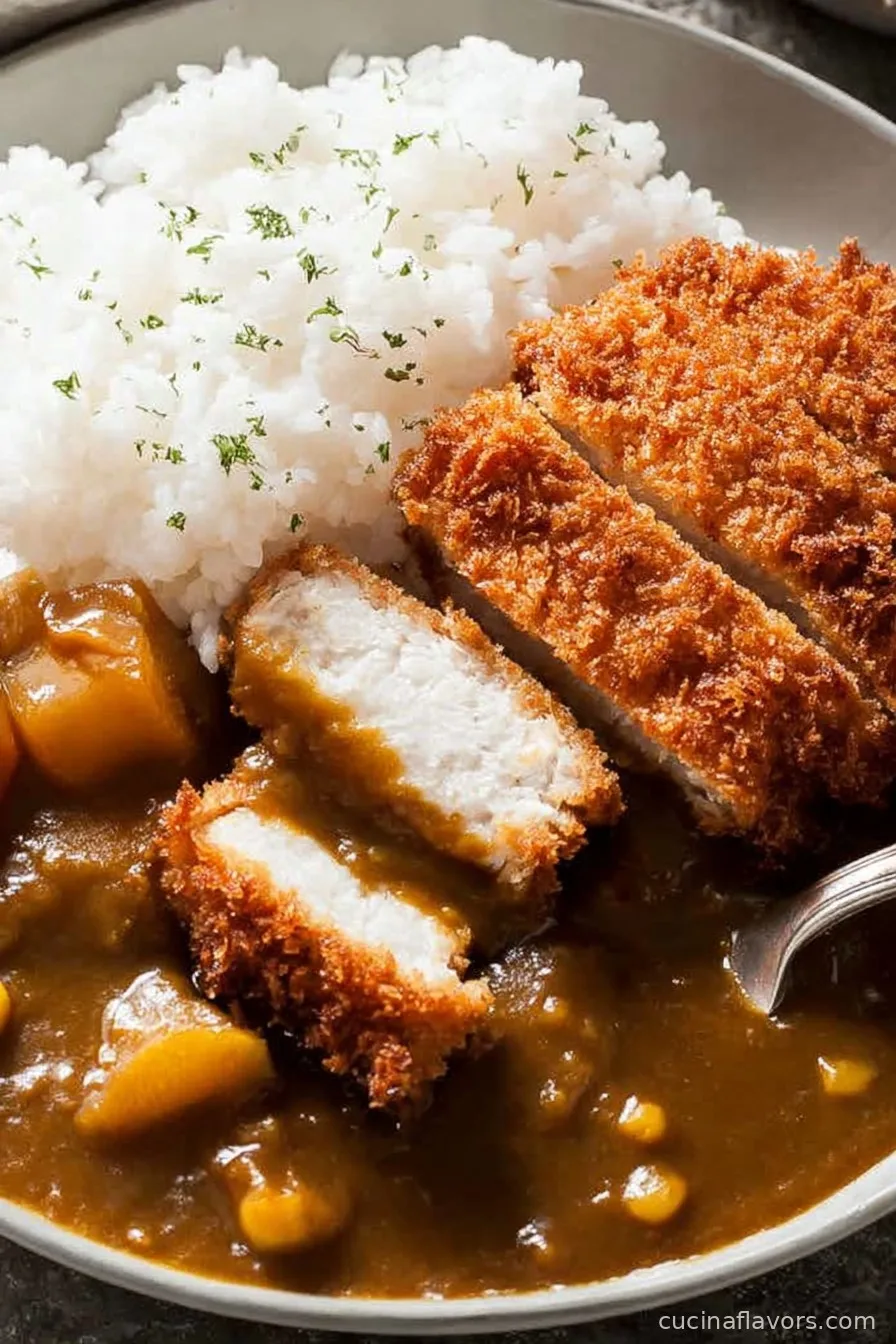
Its roots date back to the early 20th century when curry, introduced by the British during the Meiji era, quickly gained popularity in Japan. Originally served simply over rice, Japanese curry eventually met 'katsu' or 'cutlet,' leading to the beloved dish we know today.
The savory depth of the curry sauce, often simmered with onions, carrots, and potatoes, is beautifully complemented by the texture of perfectly fried chicken. As Japanese curry differs from other Asian curries by being milder and slightly sweet, it's accessible to all ages and palates.
Whether served in specialized curry shops, home kitchens, or school cafeterias across Japan, Katsu Curry has become a staple of comfort food. Today, making Katsu Curry at home allows you to savor this popular Japanese dish with fresh ingredients and personalized touches.
This detailed guide will lead you through everything you need to know to prepare authentic Katsu Curry, making your kitchen feel like a Japanese restaurant.
Ingredients
- 2 boneless, skinless chicken breasts
- Salt and freshly ground black pepper, to taste
- 1 cup all-purpose flour
- 2 large eggs, beaten
- 1 ½ cups panko breadcrumbs
- Vegetable oil, for frying
- 1 large onion, finely sliced
- 2 medium carrots, peeled and chopped
- 2 medium potatoes, peeled and cubed
- 3 cups low-sodium chicken or vegetable broth
- 1 apple, grated
- 2 tablespoons curry powder
- 2 tablespoons garam masala
- 3 tablespoons all-purpose flour (for curry roux)
- 3 tablespoons unsalted butter (for curry roux)
- 2 tablespoons Worcestershire sauce
- 2 tablespoons soy sauce
- 1 tablespoon ketchup
- 2 teaspoons sugar
- Steamed Japanese short-grain rice, for serving
- Chopped parsley or scallions, for garnish (optional)
Instructions
- Season the chicken breasts with salt and pepper, then pound them gently to an even thickness for even cooking.
- Prepare three shallow bowls: one with flour, one with the beaten eggs, and one with panko breadcrumbs.
- Dredge each chicken breast in flour, then dip into the beaten egg, and finally coat thoroughly with panko breadcrumbs. Set aside.
- In a large skillet or saucepan, heat 2-3 tablespoons of vegetable oil over medium heat. Add the sliced onion and sauté until softened, about 5 minutes.
- Add the chopped carrots and potatoes to the onion, stirring for another 2-3 minutes.
- Pour in the chicken or vegetable broth, then add the grated apple, curry powder, and garam masala. Stir to combine.
- Bring the mixture to a boil, then reduce heat to low and simmer, covered, for 20-25 minutes until the vegetables are tender.
- Meanwhile, in a separate small saucepan, melt the butter over medium heat. Add 3 tablespoons flour and cook, stirring constantly, until the roux turns golden, about 3-4 minutes.
- Add the curry roux to the simmering curry sauce, mixing well to thicken.
- Stir in Worcestershire sauce, soy sauce, ketchup, and sugar. Adjust seasoning as needed, and keep curry sauce warm while you fry the chicken.
- In a deep skillet or saucepan, heat about 1 inch of vegetable oil to 350°F (175°C). Fry the breaded chicken cutlets until golden brown and cooked through, about 3-4 minutes per side.
- Transfer the cutlets to a paper towel-lined plate to drain excess oil, then slice into strips.
- To serve, place steamed rice on a plate, ladle generous curry sauce with vegetables over the rice, and arrange the sliced chicken cutlet on top.
- Garnish with chopped parsley or scallions if desired. Serve immediately for best taste and texture.
Nutritional Information
Katsu Curry (Japanese Curry with Chicken Cutlet) is indulgent and filling, making it a perfect comfort meal. One serving typically provides approximately 750-850 calories, with a balanced mix of carbohydrates, protein, and fats.
The breaded chicken cutlet is a significant source of protein, offering essential amino acids to support muscle growth and repair.
Thanks to the panko coating and frying process, the dish also contains higher fat content, but you can use lighter frying oils or an air fryer to reduce the overall calories. The curry sauce, brimming with onions, carrots, potatoes, and apple, offers dietary fiber, vitamins A and C, and potassium.
The Japanese short-grain rice provides energy through complex carbohydrates and complements the meal's heartiness. Additionally, home preparation allows for control over sodium and fat levels; you can use low-sodium broth, reduce added sauces, or opt for leaner cuts of meat.
While it is a satisfying, balanced meal, moderation is key due to the dish's relatively high sodium and fat content typical of curry sauces and panko-fried foods. Pairing Katsu Curry with a fresh side salad can further enhance its nutritional profile.
Wine and Beverage Pairings
Katsu Curry (Japanese Curry with Chicken Cutlet) pairs wonderfully with a variety of beverages. For those who enjoy alcohol, a chilled Japanese lager, such as Sapporo or Asahi, complements the savory richness and cuts through the creaminess of the curry sauce.
A light, crisp white wine like Sauvignon Blanc or a fruity Riesling also balances the dish's spices and fried notes. For non-alcoholic options, unsweetened iced green tea or oolong tea offers a refreshing contrast to the hearty flavors, cleansing the palate with each sip.
Even lightly sparkling water with a twist of lemon can be a delightful, simple pairing. For a Japanese touch, try serving with cold barley tea (mugicha), which is mild and cooling.
Cooking Tips and Variations
Achieving the best Katsu Curry (Japanese Curry with Chicken Cutlet) at home is all about attention to detail and personal preferences. For maximum crispiness, press the panko breadcrumbs gently but firmly onto the chicken for a thick, even coating.
Always let breaded cutlets rest for a few minutes before frying; this helps the coating adhere and improve texture. Maintain the oil temperature at 350°F (175°C) to prevent greasy cutlets or overbrowning. If you're calorie-conscious, try air-frying or oven-baking instead of deep-frying—the results are lighter yet still delicious.
You can replace chicken with pork, beef, or tofu for different katsu variations while maintaining the iconic curry base. Add seasonal vegetables like bell peppers or peas to the curry for extra nutrition and color.
To make the dish spicier or create a rich umami flavor, adjust the ratio of curry powder and garam masala, or add a touch of grated ginger. For a homemade curry roux, blend flour and butter until thoroughly golden, which brings a deep, nutty flavor to the sauce.
Katsu Curry is also great for meal prep, as the curry sauce can be made ahead and refrigerated for up to three days. Just fry fresh cutlets when ready to eat for the ultimate experience.

Serving Suggestions
Serving Katsu Curry (Japanese Curry with Chicken Cutlet) can transform an everyday meal into a memorable occasion. Traditionally, the dish is presented on a wide, shallow plate, with a generous mound of steamed Japanese short-grain rice as the base.
Pour the aromatic curry sauce with tender vegetable chunks over the rice, then lay strips of the freshly fried chicken cutlet on top, ensuring the crispy coating is preserved until the last moment.
Garnish with a sprinkle of chopped parsley, scallions, or even fukujinzuke pickles for an extra pop of color and tang. For a family meal, set up a Katsu Curry station: keep the components separate so everyone can build their own plate, customizing rice, sauce, and cutlet portions.
Consider offering small side dishes such as a crisp cabbage salad with sesame dressing, lightly pickled cucumbers, or miso soup, which provide contrast and balance. If serving for a party, assemble the curry in individual bowls for easy eating, or serve as a donburi-style rice bowl.
Leftover curry sauce can be refrigerated and enjoyed the next day, making it ideal for meal prep or lunchboxes. Katsu Curry is sure to be a showstopper at dinner parties, potlucks, or casual weeknight dinners, bringing warmth and comfort with every hearty bite.
Health Benefits
While Katsu Curry (Japanese Curry with Chicken Cutlet) is a hearty and somewhat indulgent dish, it can be part of a balanced diet when enjoyed in moderation and prepared thoughtfully. The chicken cutlet provides lean, high-quality protein that supports muscle health and satiety.
Using skinless chicken breast and limiting excessive frying oil helps lower the dish's saturated fat content. The curry sauce's vegetables—onion, carrot, potato, and apple—are packed with essential vitamins, minerals, and dietary fiber, contributing to digestive and immune health.
By making the curry sauce at home, you control the sodium level, steering clear of overly processed premade sauces. Including a side of fresh salad or additional steamed vegetables boosts nutrient intake and aids digestion.
For a lighter version, try using an air fryer for the cutlet, skip butter in the roux in favor of olive oil, or serve the curry over brown rice for more fiber.
Moderation is key due to the panko's carbohydrate load and oil content, but with mindful ingredient choices, Katsu Curry can be a satisfying meal that brings comfort and nutrition together.
Frequently Asked Questions
Absolutely. Traditional katsu is often made with pork (tonkatsu), but beef katsu is also popular. The cooking and breading process remains the same; just ensure the meat is cooked through before serving.
Yes, the curry sauce can be made up to three days ahead and stored in the refrigerator. Simply reheat gently on the stove before serving with freshly fried cutlet.
To make a gluten-free Katsu Curry, use gluten-free flour and panko breadcrumbs for the cutlet. Also, ensure all sauces and broth are certified gluten-free.
Japanese short-grain rice is the traditional and best choice because of its slightly sticky texture, which pairs perfectly with curry and cutlet. If unavailable, use sushi or Calrose rice as substitutes.
Yes, an air fryer is an excellent, healthier alternative for preparing the chicken cutlet. Spray the breaded cutlets with a little oil and air fry at 375°F (190°C) for about 12-14 minutes, flipping halfway, until golden and cooked through.
Katsu Curry (Japanese Curry with Chicken Cutlet) is the epitome of comfort food, bringing a touch of Japan's culinary charm to any table. With its winning combination of tender, crispy chicken and thick, aromatic curry sauce, this dish satisfies cravings for both texture and flavor. Home-cooked Katsu Curry is not only fresher and healthier than restaurant versions, but it also allows customization to suit dietary needs or preferences. Whether you stick to tradition or try creative variations, making Katsu Curry at home is a rewarding experience that will surely become a favorite in your meal rotation. Enjoy the process, savor the taste, and share the joy of authentic Japanese curry with friends and family.
Ingredients
- 2 boneless, skinless chicken breasts
- Salt and freshly ground black pepper, to taste
- 1 cup all-purpose flour
- 2 large eggs, beaten
- 1 ½ cups panko breadcrumbs
- Vegetable oil, for frying
- 1 large onion, finely sliced
- 2 medium carrots, peeled and chopped
- 2 medium potatoes, peeled and cubed
- 3 cups low-sodium chicken or vegetable broth
- 1 apple, grated
- 2 tablespoons curry powder
- 2 tablespoons garam masala
- 3 tablespoons all-purpose flour (for curry roux)
- 3 tablespoons unsalted butter (for curry roux)
- 2 tablespoons Worcestershire sauce
- 2 tablespoons soy sauce
- 1 tablespoon ketchup
- 2 teaspoons sugar
- Steamed Japanese short-grain rice, for serving
- Chopped parsley or scallions, for garnish (optional)
Instructions
-
1Season the chicken breasts with salt and pepper, then pound them gently to an even thickness for even cooking.
-
2Prepare three shallow bowls: one with flour, one with the beaten eggs, and one with panko breadcrumbs.
-
3Dredge each chicken breast in flour, then dip into the beaten egg, and finally coat thoroughly with panko breadcrumbs. Set aside.
-
4In a large skillet or saucepan, heat 2-3 tablespoons of vegetable oil over medium heat. Add the sliced onion and sauté until softened, about 5 minutes.
-
5Add the chopped carrots and potatoes to the onion, stirring for another 2-3 minutes.
-
6Pour in the chicken or vegetable broth, then add the grated apple, curry powder, and garam masala. Stir to combine.
-
7Bring the mixture to a boil, then reduce heat to low and simmer, covered, for 20-25 minutes until the vegetables are tender.
-
8Meanwhile, in a separate small saucepan, melt the butter over medium heat. Add 3 tablespoons flour and cook, stirring constantly, until the roux turns golden, about 3-4 minutes.
-
9Add the curry roux to the simmering curry sauce, mixing well to thicken.
-
10Stir in Worcestershire sauce, soy sauce, ketchup, and sugar. Adjust seasoning as needed, and keep curry sauce warm while you fry the chicken.
-
11In a deep skillet or saucepan, heat about 1 inch of vegetable oil to 350°F (175°C). Fry the breaded chicken cutlets until golden brown and cooked through, about 3-4 minutes per side.
-
12Transfer the cutlets to a paper towel-lined plate to drain excess oil, then slice into strips.
-
13To serve, place steamed rice on a plate, ladle generous curry sauce with vegetables over the rice, and arrange the sliced chicken cutlet on top.
-
14Garnish with chopped parsley or scallions if desired. Serve immediately for best taste and texture.
Approximate Information for One Serving
Nutrition Disclaimers
Number of total servings shown is approximate. Actual number of servings will depend on your preferred portion sizes.
Nutritional values shown are general guidelines and reflect information for 1 serving using the ingredients listed, not including any optional ingredients. Actual macros may vary slightly depending on specific brands and types of ingredients used.
To determine the weight of one serving, prepare the recipe as instructed. Weigh the finished recipe, then divide the weight of the finished recipe (not including the weight of the container the food is in) by the desired number of servings. Result will be the weight of one serving.
Did you make this recipe?
Please consider Pinning it!
Leave a Reply