
Lobster Ravioli is an exquisite dish that brings the flavors of fine dining into your home kitchen. Known for its delicate, tender pasta pockets filled with a creamy, flavorful lobster mixture, this ravioli epitomizes gourmet Italian cuisine with an irresistible seafood twist.
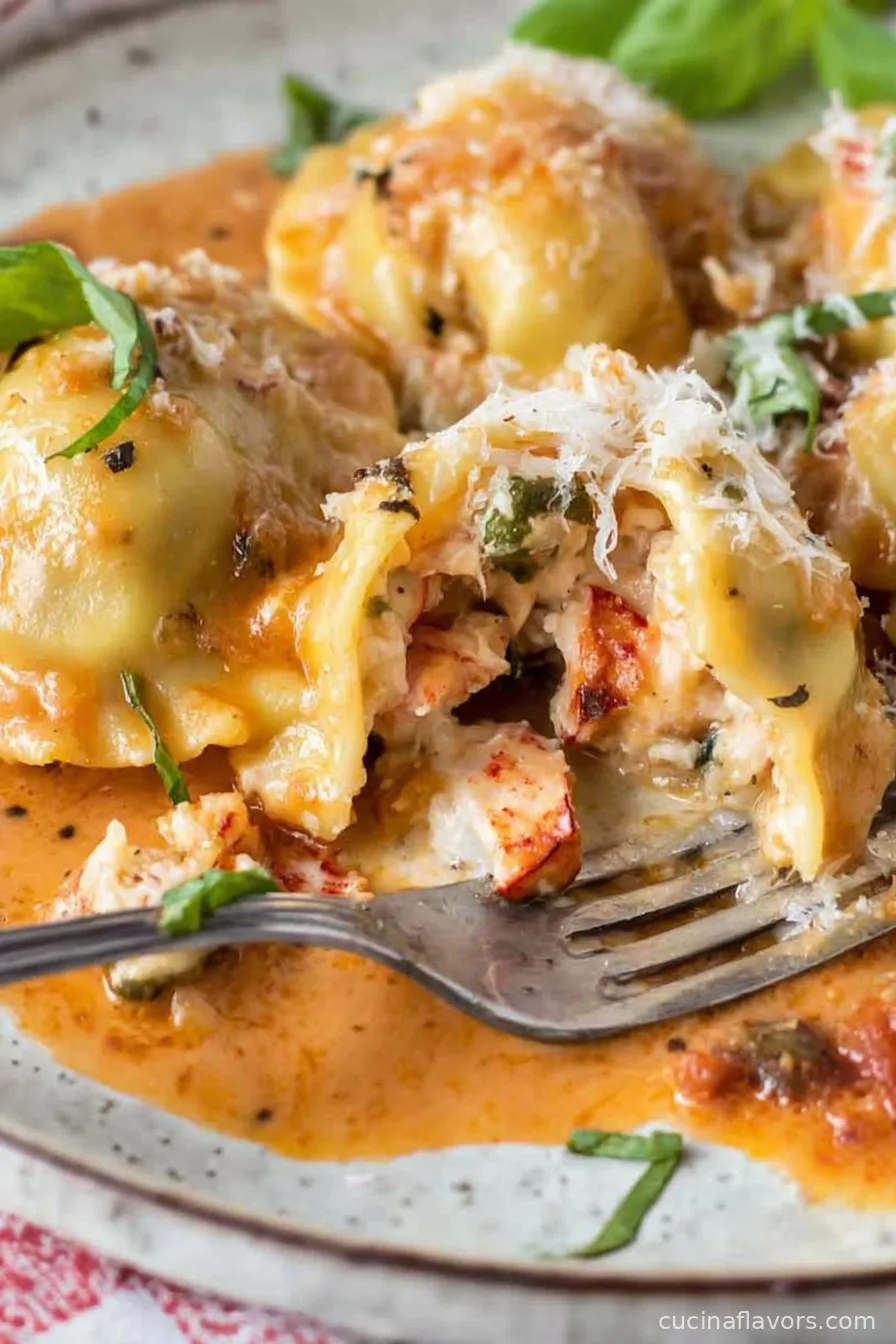
The origins of ravioli can be traced back to medieval Italy, where these stuffed pasta pillows quickly became popular across many regions. Traditionally paired with rich sauces like a light tomato or a luscious cream, Lobster Ravioli has gained immense appreciation for its balance of luxurious taste and comforting texture.
The lobster filling elevates this classic Italian favorite into a special occasion meal often served in upscale restaurants, yet it can be crafted at home with surprisingly accessible ingredients and step-by-step guidance.
Whether you are looking to impress guests or treat yourself, Lobster Ravioli offers an indulgent culinary experience, blending the sweet, buttery richness of lobster with fragrant herbs and mild cheeses. As more food lovers seek to recreate restaurant-quality dishes at home, this Lobster Ravioli recipe stands out as a must-try.
When made fresh, the dish’s flavors and textures are unmatched, making it a wonderful introduction to homemade pasta. Dive into this article to explore the complete process, nutritional details, serving suggestions, expert tips, and more, all optimized for creating the ultimate Lobster Ravioli from scratch.
Let’s embark on a culinary adventure that brings Italian tradition and world-class seafood to your dining table.
Ingredients
- 2 cups all-purpose flour, plus extra for dusting
- 3 large eggs
- 1 tablespoon olive oil
- ½ teaspoon salt
- 1 pound cooked lobster meat, finely chopped
- ½ cup ricotta cheese
- ¼ cup mascarpone cheese
- 2 tablespoons grated Parmesan cheese
- 2 tablespoons chopped fresh parsley
- 1 teaspoon lemon zest
- 1 small shallot, finely minced
- 1 garlic clove, minced
- 1 tablespoon unsalted butter
- Salt and freshly ground black pepper, to taste
- For serving: 2 tablespoons unsalted butter
- 6-8 fresh sage leaves
- ½ cup heavy cream (optional, for cream sauce)
- Freshly grated Parmesan, for garnish
Instructions
- Prepare the pasta dough by mounding the flour on a clean surface, creating a well in the center. Crack the eggs into the well, add the olive oil and salt, and begin incorporating the flour into the eggs using a fork. Knead the dough for 8-10 minutes until smooth and elastic. Wrap in plastic and refrigerate for at least 30 minutes.
- For the lobster filling, melt 1 tablespoon butter in a pan over medium heat. Sauté the minced shallot and garlic until translucent, about 2 minutes. Remove from heat and let cool.
- In a medium bowl, combine the chopped lobster meat, ricotta cheese, mascarpone cheese, Parmesan, parsley, lemon zest, sautéed shallot and garlic, salt, and pepper. Mix until well combined, ensuring a creamy but not runny texture.
- Divide the rested pasta dough in half. Roll each half into thin sheets using a pasta machine or rolling pin, aiming for about 1/16-inch thickness.
- Place teaspoons of the lobster filling at 2-inch intervals along one sheet of dough. Lightly brush around the filling mounds with water to help seal.
- Place the second pasta sheet over the filling, pressing gently around each mound to eliminate air pockets. Cut out individual ravioli using a fluted cutter or knife.
- Press edges firmly to seal and transfer ravioli to a floured tray. Bring a large pot of salted water to a gentle boil.
- Cook the ravioli in batches for 3-4 minutes, until they float to the surface and the pasta is tender. Remove gently with a slotted spoon.
- For the sage butter sauce, melt 2 tablespoons butter in a skillet over medium heat. Add sage leaves and cook until butter is slightly browned and aromatic. Optionally, stir in heavy cream for a richer sauce.
- Toss the cooked ravioli gently in the sage butter sauce. Serve warm, garnished with freshly grated Parmesan and additional parsley if desired.
Nutritional Information
Lobster Ravioli is a rich and indulgent dish, but it also delivers impressive nutritional value thanks to its balanced combination of proteins, carbohydrates, and healthy fats.
A serving of lobster ravioli (about five to six pieces with sauce) typically contains approximately 400 to 500 calories, with most of the energy coming from the homemade pasta and creamy filling. The lobster provides high-quality protein, essential for muscle health and maintaining a feeling of fullness.
Lobster is naturally low in fat and contains beneficial omega-3 fatty acids, known to support heart and brain health. The ricotta and mascarpone add some saturated fat and calcium, which are vital for bone strength, while the Parmesan delivers both protein and a boost of flavor.
The use of fresh herbs such as parsley and lemon zest increases the dish's micronutrient content, offering vitamin A, vitamin C, and antioxidants.
While the butter sauce brings additional fat and calories, you can control the portion for a lighter meal or opt for an olive oil-based sauce as a lower-calorie variation.
Overall, lobster ravioli is a satisfying option that supplies a wealth of essential nutrients, making it an occasional treat that doesn’t have to be completely off-limits for those watching their diet. Adjusting the sauce and using part-skim cheeses can further improve its nutritional profile without compromising on flavor.
Wine and Beverage Pairings
Lobster Ravioli pairs exceptionally well with light to medium-bodied white wines that have good acidity and complement the rich, creamy flavors of the filling and sauce. Classic choices include a crisp Pinot Grigio, which refreshes the palate, or a lightly oaked Chardonnay that mirrors the buttery notes of the dish.
Sauvignon Blanc, with its herbal notes and bright citrus, also works beautifully, as does an Italian Vermentino. If you prefer a non-alcoholic option, sparkling water with a slice of lemon or cucumber is refreshing and keeps the meal feeling elegant.
Sparkling wines, like Prosecco or Champagne, provide a luxurious match for this special dish, adding celebratory bubbles and cutting through the richness.
Cooking Tips and Variations
When preparing lobster ravioli, the quality of your ingredients is key. Use the freshest lobster you can find, as the natural sweetness and texture make a significant difference in the final dish. Leftover lobster from a seafood boil or freshly steamed lobster tails both work well.
For the pasta dough, ensure the surface is well-floured to prevent sticking and roll it as thin as possible without tearing. If you don’t have a pasta machine, a rolling pin and patience will suffice.
Don’t overfill the ravioli; too much filling makes them hard to seal and more likely to burst when cooking. Always press out any air around the filling before sealing to avoid air pockets, which can cause ravioli to open during boiling.
Try different sauces such as a light tomato cream, a roasted garlic butter, or even a lemony olive oil for varied flavors. For convenience, you can assemble the ravioli ahead and freeze them individually before boiling—no need to thaw, just add them straight to the boiling water.
You can also substitute shrimp or crab for lobster if desired, or add a touch of spice with a dash of cayenne pepper to the filling. Each of these tips and variations will help you perfect homemade lobster ravioli, making it suitable for weeknight dinner or holiday celebration alike.
Serving Suggestions
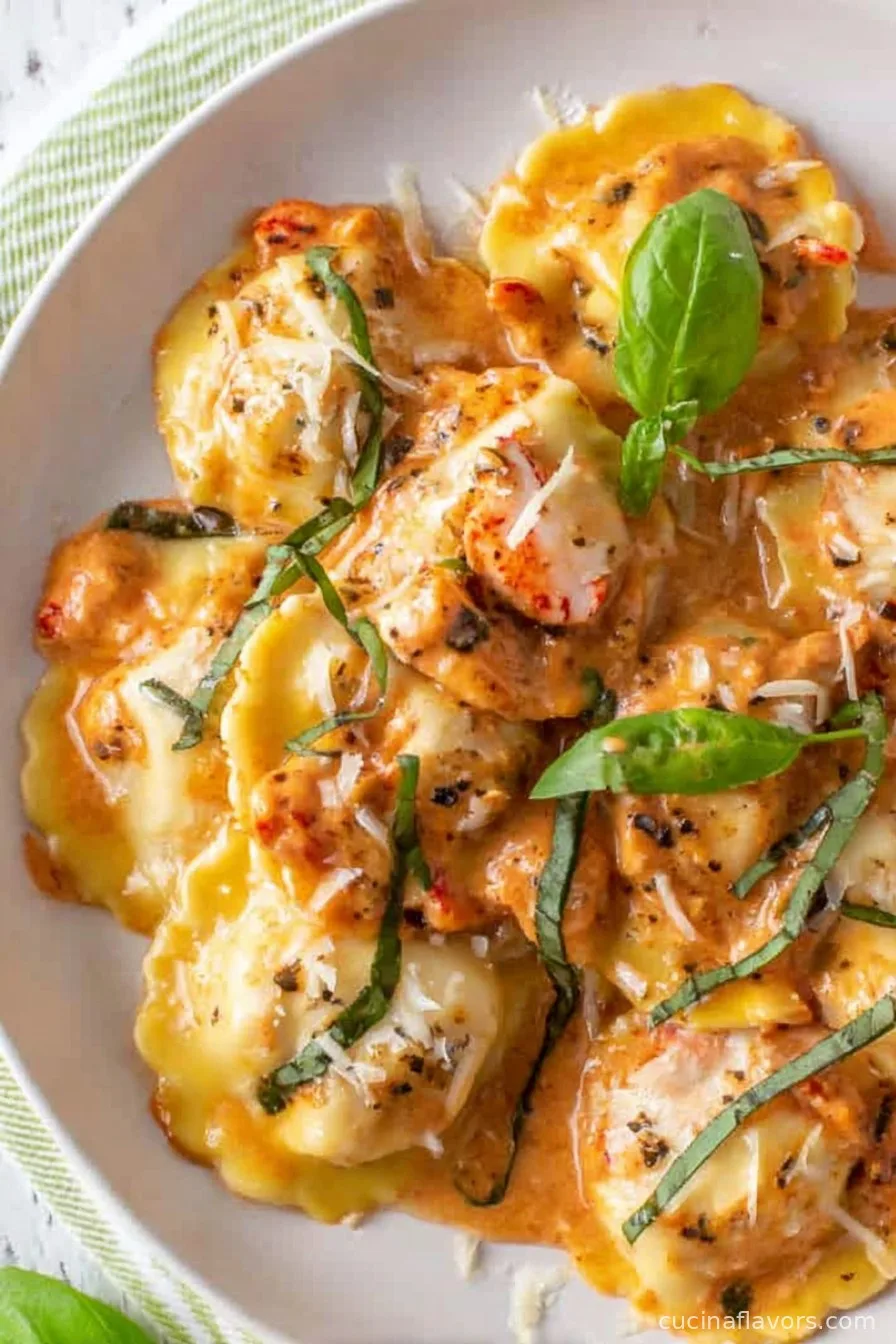
Presenting Lobster Ravioli can turn any meal into a memorable occasion. Serve the ravioli immediately after tossing them in your preferred sauce to ensure optimal flavor and texture.
For a restaurant-style finish, arrange four to six ravioli in the center of each plate, spoon over the sage butter sauce, and garnish with finely grated Parmesan and a sprinkle of fresh parsley or chives.
A few lemon zest curls on top bring a burst of color and bright flavor that ties everything together. If desired, serve with a side of simply dressed mixed greens or a lightly roasted vegetable medley to balance the meal.
To make your dinner even more special, plate the ravioli on warm dishes and serve alongside toasted baguette slices or focaccia for mopping up extra sauce. This dish is perfect for romantic dinners, holiday feasts, or as a sophisticated starter for a multi-course party.
Remember, Lobster Ravioli is rich and filling, so serving slightly smaller portions as an appetizer course is ideal for larger gatherings. The attention to detail in serving not only enhances the enjoyment but turns homemade Lobster Ravioli into a culinary event guests will remember.
Health Benefits
Lobster Ravioli, when thoughtfully prepared, can be a part of a balanced diet with several health benefits. Lobster is a lean source of protein, providing all essential amino acids for muscle repair and sustained energy.
It is also rich in omega-3 fatty acids, which have been linked to reduced inflammation and improved cardiovascular health. Lobster contains vital minerals such as selenium, zinc, and copper, supporting immune function and metabolism.
The use of fresh parsley and lemon zest adds antioxidants and vitamin C, enhancing the body’s defense against free radicals. Ricotta and mascarpone, while rich, offer calcium and vitamin D, important for bone and dental health.
You can lower saturated fat by choosing part-skim ricotta and reducing the amount of butter in the sauce. Homemade pasta is free from preservatives and additives often found in store-bought alternatives.
Additionally, making Lobster Ravioli at home allows you to control the amount of salt and avoid excess sodium, making this elegant dish not only indulgent but also a nourishing choice in moderation.
Frequently Asked Questions
Yes, you can assemble the ravioli ahead of time and freeze them on a baking sheet. Once frozen individually, transfer them to an airtight container or freezer bag. Cook straight from frozen, adding an extra minute or two to the boiling time.
If you prefer a different seafood or want a more budget-friendly option, shrimp, crab, or even a mixture of seafood can replace lobster. Make sure to chop the seafood finely and cook it before combining with the other filling ingredients.
To keep ravioli intact, don’t overfill them and make sure to press out any air before sealing the edges tightly. Cook the ravioli in gently simmering water rather than a rolling boil to avoid breakage.
A simple sage brown butter or a light lemon cream sauce enhances the delicate flavors of the lobster without overpowering it. Tomato-based sauces can also work if kept light and fresh.
Absolutely. While homemade pasta yields the best taste and texture, store-bought fresh pasta sheets make the process quicker and still deliver excellent results for Lobster Ravioli.
Lobster Ravioli is the ultimate marriage of classic Italian technique and sumptuous seafood flavor. By following this step-by-step recipe, you can recreate a gourmet dining experience in your own kitchen, impressing family or guests with each delicious bite. Whether for a special occasion or to simply treat yourself, this dish stands as a testament to culinary passion and creativity. With various sauce options, cooking tips, and helpful answers to common questions, making Lobster Ravioli at home becomes approachable and rewarding. Enjoy the richness, elegance, and unmistakable taste of lobster paired with tender, homemade pasta—and savor an extraordinary meal you’ll want to revisit again and again.
Ingredients
- 2 cups all-purpose flour, plus extra for dusting
- 3 large eggs
- 1 tablespoon olive oil
- ½ teaspoon salt
- 1 pound cooked lobster meat, finely chopped
- ½ cup ricotta cheese
- ¼ cup mascarpone cheese
- 2 tablespoons grated Parmesan cheese
- 2 tablespoons chopped fresh parsley
- 1 teaspoon lemon zest
- 1 small shallot, finely minced
- 1 garlic clove, minced
- 1 tablespoon unsalted butter
- Salt and freshly ground black pepper, to taste
- For serving: 2 tablespoons unsalted butter
- 6-8 fresh sage leaves
- ½ cup heavy cream (optional, for cream sauce)
- Freshly grated Parmesan, for garnish
Instructions
-
1Prepare the pasta dough by mounding the flour on a clean surface, creating a well in the center. Crack the eggs into the well, add the olive oil and salt, and begin incorporating the flour into the eggs using a fork. Knead the dough for 8-10 minutes until smooth and elastic. Wrap in plastic and refrigerate for at least 30 minutes.
-
2For the lobster filling, melt 1 tablespoon butter in a pan over medium heat. Sauté the minced shallot and garlic until translucent, about 2 minutes. Remove from heat and let cool.
-
3In a medium bowl, combine the chopped lobster meat, ricotta cheese, mascarpone cheese, Parmesan, parsley, lemon zest, sautéed shallot and garlic, salt, and pepper. Mix until well combined, ensuring a creamy but not runny texture.
-
4Divide the rested pasta dough in half. Roll each half into thin sheets using a pasta machine or rolling pin, aiming for about 1/16-inch thickness.
-
5Place teaspoons of the lobster filling at 2-inch intervals along one sheet of dough. Lightly brush around the filling mounds with water to help seal.
-
6Place the second pasta sheet over the filling, pressing gently around each mound to eliminate air pockets. Cut out individual ravioli using a fluted cutter or knife.
-
7Press edges firmly to seal and transfer ravioli to a floured tray. Bring a large pot of salted water to a gentle boil.
-
8Cook the ravioli in batches for 3-4 minutes, until they float to the surface and the pasta is tender. Remove gently with a slotted spoon.
-
9For the sage butter sauce, melt 2 tablespoons butter in a skillet over medium heat. Add sage leaves and cook until butter is slightly browned and aromatic. Optionally, stir in heavy cream for a richer sauce.
-
10Toss the cooked ravioli gently in the sage butter sauce. Serve warm, garnished with freshly grated Parmesan and additional parsley if desired.
Approximate Information for One Serving
Nutrition Disclaimers
Number of total servings shown is approximate. Actual number of servings will depend on your preferred portion sizes.
Nutritional values shown are general guidelines and reflect information for 1 serving using the ingredients listed, not including any optional ingredients. Actual macros may vary slightly depending on specific brands and types of ingredients used.
To determine the weight of one serving, prepare the recipe as instructed. Weigh the finished recipe, then divide the weight of the finished recipe (not including the weight of the container the food is in) by the desired number of servings. Result will be the weight of one serving.
Did you make this recipe?
Please consider Pinning it!



Leave a Reply