
Bagels have long been a breakfast favorite, originating from the Jewish communities of Poland in the 17th century. Traditionally, bagels are made with yeast dough that is boiled and baked, creating their signature chewy crust. As health-conscious eating has evolved, so have traditional recipes.
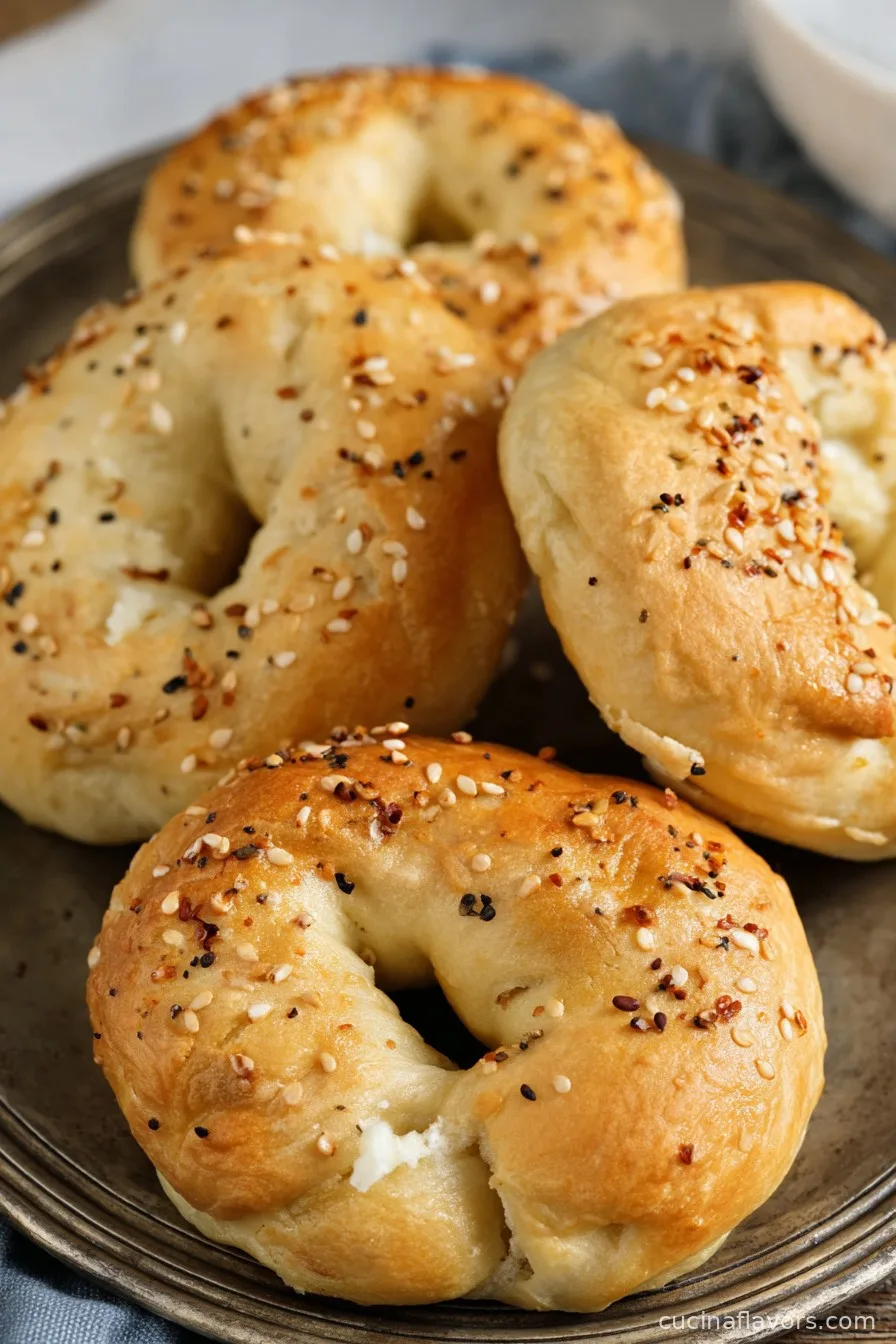
Protein Bagels are a modern twist on this classic comfort food, offering both the satisfying taste and texture of traditional bagels with a significant boost of protein.
What sets Protein Bagels apart is the use of thick, creamy Greek yogurt, which not only increases protein content but also creates a tender crumb and moist texture.
Such recipes have skyrocketed in popularity because they are quick to prepare, require no yeast or lengthy rising times, and fit perfectly into high-protein, low-fat, or balanced diets.
People seeking nutritious breakfast or snack options that fuel their active lifestyles turn to recipes like Protein Bagels not just for taste, but for their ability to support muscle maintenance and overall wellness.
Whether you top them with everything bagel seasoning, seeds, or a sprinkle of cheese, these homemade Protein Bagels are incredibly versatile. Within minutes, you can enjoy warm, fluffy bagels straight from your oven—perfect for meal prep, a quick breakfast, or a post-workout snack.
Discover all the benefits and easy steps involved in making Protein Bagels in your own kitchen, and enjoy a delicious, health-conscious start to your day.
Ingredients
- 1½ cups all-purpose flour
- 2 teaspoons baking powder
- ½ teaspoon kosher salt
- 1½ cups plain Greek yogurt
- 1 egg (optional, for egg wash)
- Toppings (optional: everything bagel seasoning, sesame seeds, poppy seeds, shredded cheese)
Instructions
- Begin by preheating your oven to 375°F (190°C). Prepare a large baking sheet by lining it with parchment paper or a silicone baking mat. This not only prevents sticking but also makes cleanup much easier.
- In a large mixing bowl, thoroughly combine the all-purpose flour, baking powder, and kosher salt. Use a whisk to ensure the baking powder and salt are evenly distributed throughout the flour, which will help the dough rise evenly and enhance the flavor.
- Add the plain Greek yogurt to the dry ingredients. Using a sturdy spatula or wooden spoon, mix until the ingredients begin to form a dough. The mixture will look shaggy and may seem sticky, which is completely normal.
- Transfer the dough onto a lightly floured surface. Divide it into 4 equal portions using a bench scraper or knife. Roll each piece gently into a smooth ball. Then, using your hands, roll each ball into a long rope about 6 to 7 inches in length. Carefully join the ends of each rope to form a classic bagel shape, pinching the seams gently to secure.
- Place each formed bagel onto the prepared baking sheet, spacing them evenly apart. Allow them to rest at room temperature for about 10 minutes. This step helps relax the gluten, making them less likely to crack while baking.
- While the bagels rest, prepare the optional egg wash by whisking together 1 egg and 1 teaspoon of water in a small bowl. This wash will give the finished bagels a glossy appearance and help the toppings adhere.
- Brush the tops of each bagel lightly with the prepared egg wash. If you like, generously sprinkle your chosen toppings such as everything bagel seasoning, sesame seeds, poppy seeds, or shredded cheese over each bagel for added flavor and texture.
- Bake the bagels in the preheated oven for 20 to 25 minutes, or until they are puffed and golden brown on top. For an extra-crisp finish, turn the oven to broil for the last 1-2 minutes, keeping a close eye to avoid burning. Allow the bagels to cool for a few minutes before serving, as this helps set their structure and eases slicing.
Nutritional Information
Protein Bagels are an excellent choice for those seeking a nutritious start to the day without sacrificing taste or convenience. Each homemade Protein Bagel contains a balance of macronutrients, thanks to the combination of all-purpose flour and protein-packed Greek yogurt.
On average, each bagel provides approximately 12-14 grams of protein, owing primarily to the Greek yogurt, and around 210-240 calories per serving (depending on the specific toppings used).
They are also relatively low in fat, especially if you opt for nonfat Greek yogurt, and are a good source of calcium and essential B vitamins. The carbohydrate content offers fuel for active lifestyles, while the high protein content contributes to longer-lasting satiety and muscle repair.
Unlike store-bought bagels, which can be laden with sugar and preservatives, these homemade Protein Bagels use simple, wholesome ingredients. The optional toppings such as seeds and cheese can add healthy fats, additional minerals, and flavor variety.
For anyone monitoring sodium intake, the use of kosher salt is moderate, but feel free to adjust according to dietary preferences. Ultimately, Protein Bagels are a smart, balanced breakfast or snack option for individuals focused on health, wellness, and fitness.
Wine and Beverage Pairings
Protein Bagels pair wonderfully with a variety of beverages. For a classic breakfast combination, enjoy your bagel with a cup of robust hot coffee or creamy café latte—the coffee's deep flavors complement the mild tang of the Greek yogurt bagel.
For those who prefer tea, an English Breakfast or green tea adds a gentle contrast. If serving for brunch, a glass of freshly squeezed orange juice or a green smoothie brings a refreshing and nutrient-rich counterpoint.
For an elegant touch, a light and bubbly Prosecco makes an excellent brunch companion, especially if your bagels are topped with cheese or served with lox and capers.
For a post-workout snack, pair your Protein Bagel with a protein shake or a bottle of cold, unsweetened almond milk for extra refueling.
Cooking Tips and Variations
For the best Protein Bagel results, use thick, strained Greek yogurt rather than a runny or regular-style yogurt; this ensures the dough holds together and bakes up fluffy. If your dough feels too sticky to handle, lightly dust your hands and work surface with extra flour.
Handling the dough gently prevents overworking, which can make bagels tough. For a gluten-free variation, you can substitute a gluten-free all-purpose flour blend—but check if your blend contains xanthan gum for structural support.
The egg wash is entirely optional but gives the bagels a beautiful sheen and helps toppings adhere; for a vegan version, you can brush the bagels with a bit of plant-based milk instead.
Experiment with different toppings beyond the classics—sunflower seeds, pumpkin seeds, or even a dusting of Parmesan cheese add delightful crunch and flavor. For extra cheesy bagels, fold a small handful of shredded cheese directly into the dough.
You can also scale the recipe up or down to suit your meal prep needs, making them ahead and refrigerating or freezing for later use. When reheating, slice the bagels and toast for best texture and flavor.

Serving Suggestions
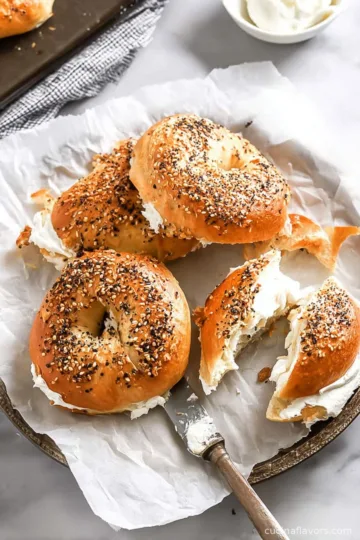
Protein Bagels are incredibly versatile and can be enjoyed at any time of day. For a wholesome breakfast, slice the bagel and spread with whipped cream cheese, natural nut butter, or a dollop of Greek yogurt and fresh berries.
Create a savory breakfast sandwich by adding scrambled eggs, sliced avocado, and smoked salmon. For lunch, Protein Bagels can be transformed into filling sandwiches: layer with turkey, spinach, sliced cucumber, and a thin smear of hummus for a nutrient-packed meal.
Serve as an open-faced snack topped with cottage cheese, tomato slices, cracked black pepper, and a drizzle of olive oil. These bagels also make an ideal base for mini pizzas—simply split, top with marinara and grated cheese, and broil until bubbly.
If entertaining, arrange sliced bagels with an assortment of spreads, cheeses, and cured meats for a build-your-own bagel board. Kids will love mini bagel bites with their favorite toppings for after-school snacks.
To store, keep leftover bagels in an airtight container at room temperature for up to 2 days, or freeze them for longer shelf life. Reheat in the toaster or oven for a fresh-baked experience every time.
Health Benefits
Protein Bagels offer several health benefits that set them apart from traditional bakery options. At the core of their nutritional value is Greek yogurt, which increases protein while adding probiotics that support digestive health.
Higher-protein breakfasts, like these bagels, are scientifically proven to help control appetite, reduce carb cravings, and maintain stable energy levels throughout the morning. Compared to conventional bagels, Protein Bagels provide more sustained satiety, making them beneficial for weight management or those aiming to meet daily protein goals.
The moderate use of all-purpose flour delivers necessary carbohydrates that fuel intense activities and proper brain function. Optional seed toppings, such as sesame or poppy seeds, provide healthy fats, fiber, and important micronutrients like magnesium and calcium.
By making Protein Bagels at home, you have full control over the ingredients, salt content, and portion sizes, helping to minimize processed additives and excess sodium commonly found in store-bought varieties.
Incorporating these bagels into your diet supports muscle maintenance, bone health, and balanced nutrition when paired with fruits, veggies, or lean proteins. Whether you are an athlete, busy parent, or health-conscious eater, Protein Bagels are a convenient, wholesome, and versatile choice.
Frequently Asked Questions
Yes, you can substitute whole wheat flour for all-purpose flour; however, the texture will be denser and more rustic. Use about 1 cup whole wheat flour and ½ cup all-purpose flour to retain some lightness, and check if additional Greek yogurt is needed if the dough seems dry.
Allow the bagels to cool completely, then keep them in an airtight container at room temperature for up to 2 days. For longer storage, freeze the bagels individually. When ready to enjoy, thaw and reheat in a toaster or oven.
Absolutely. The egg wash is only for gloss and helping toppings stick. If you prefer, brush the bagels with milk, plant-based milk, or simply skip this step altogether.
It is best to use plain Greek yogurt to avoid unwanted sweetness or added sugar. Flavored yogurts will alter the taste and may affect how the dough rises.
While these bagels are higher in protein than traditional versions, they still use all-purpose flour and are not considered low-carb or keto-friendly. However, they are a more balanced option for those who want extra protein without completely eliminating carbs.
Protein Bagels are a delicious, modern adaptation of a beloved classic, tailored for those who want more nutrition and satisfaction from their breakfast or snack. With just a handful of simple ingredients and no need for lengthy proofing or special equipment, anyone can master homemade bagels that are fluffy, flavorful, and packed with protein. The addition of Greek yogurt ensures a soft texture and sustained energy throughout your day, while versatile toppings invite endless customization. Whether you’re meal prepping for a busy week, searching for post-workout fuel, or trying to create a crowd-pleasing brunch, these Protein Bagels are sure to become a regular feature in your kitchen. Enjoy the pleasure of warm, freshly baked bagels any time you crave comfort food that supports your healthy lifestyle goals.
Ingredients
- 1½ cups all-purpose flour
- 2 teaspoons baking powder
- ½ teaspoon kosher salt
- 1½ cups plain Greek yogurt
- 1 egg (optional, for egg wash)
- Toppings (optional: everything bagel seasoning, sesame seeds, poppy seeds, shredded cheese)
Instructions
-
1Begin by preheating your oven to 375°F (190°C). Prepare a large baking sheet by lining it with parchment paper or a silicone baking mat. This not only prevents sticking but also makes cleanup much easier.
-
2In a large mixing bowl, thoroughly combine the all-purpose flour, baking powder, and kosher salt. Use a whisk to ensure the baking powder and salt are evenly distributed throughout the flour, which will help the dough rise evenly and enhance the flavor.
-
3Add the plain Greek yogurt to the dry ingredients. Using a sturdy spatula or wooden spoon, mix until the ingredients begin to form a dough. The mixture will look shaggy and may seem sticky, which is completely normal.
-
4Transfer the dough onto a lightly floured surface. Divide it into 4 equal portions using a bench scraper or knife. Roll each piece gently into a smooth ball. Then, using your hands, roll each ball into a long rope about 6 to 7 inches in length. Carefully join the ends of each rope to form a classic bagel shape, pinching the seams gently to secure.
-
5Place each formed bagel onto the prepared baking sheet, spacing them evenly apart. Allow them to rest at room temperature for about 10 minutes. This step helps relax the gluten, making them less likely to crack while baking.
-
6While the bagels rest, prepare the optional egg wash by whisking together 1 egg and 1 teaspoon of water in a small bowl. This wash will give the finished bagels a glossy appearance and help the toppings adhere.
-
7Brush the tops of each bagel lightly with the prepared egg wash. If you like, generously sprinkle your chosen toppings such as everything bagel seasoning, sesame seeds, poppy seeds, or shredded cheese over each bagel for added flavor and texture.
-
8Bake the bagels in the preheated oven for 20 to 25 minutes, or until they are puffed and golden brown on top. For an extra-crisp finish, turn the oven to broil for the last 1-2 minutes, keeping a close eye to avoid burning. Allow the bagels to cool for a few minutes before serving, as this helps set their structure and eases slicing.
Approximate Information for One Serving
Nutrition Disclaimers
Number of total servings shown is approximate. Actual number of servings will depend on your preferred portion sizes.
Nutritional values shown are general guidelines and reflect information for 1 serving using the ingredients listed, not including any optional ingredients. Actual macros may vary slightly depending on specific brands and types of ingredients used.
To determine the weight of one serving, prepare the recipe as instructed. Weigh the finished recipe, then divide the weight of the finished recipe (not including the weight of the container the food is in) by the desired number of servings. Result will be the weight of one serving.
Did you make this recipe?
Please consider Pinning it!



Leave a Reply