
The Salted Caramel Cheesecake Recipe is the epitome of dessert indulgence, seamlessly blending the irresistible appeal of creamy cheesecake with the bold sophistication of salted caramel. Renowned for its luxurious texture and vibrant flavor, this dessert has become a modern classic in the world of sweet treats.
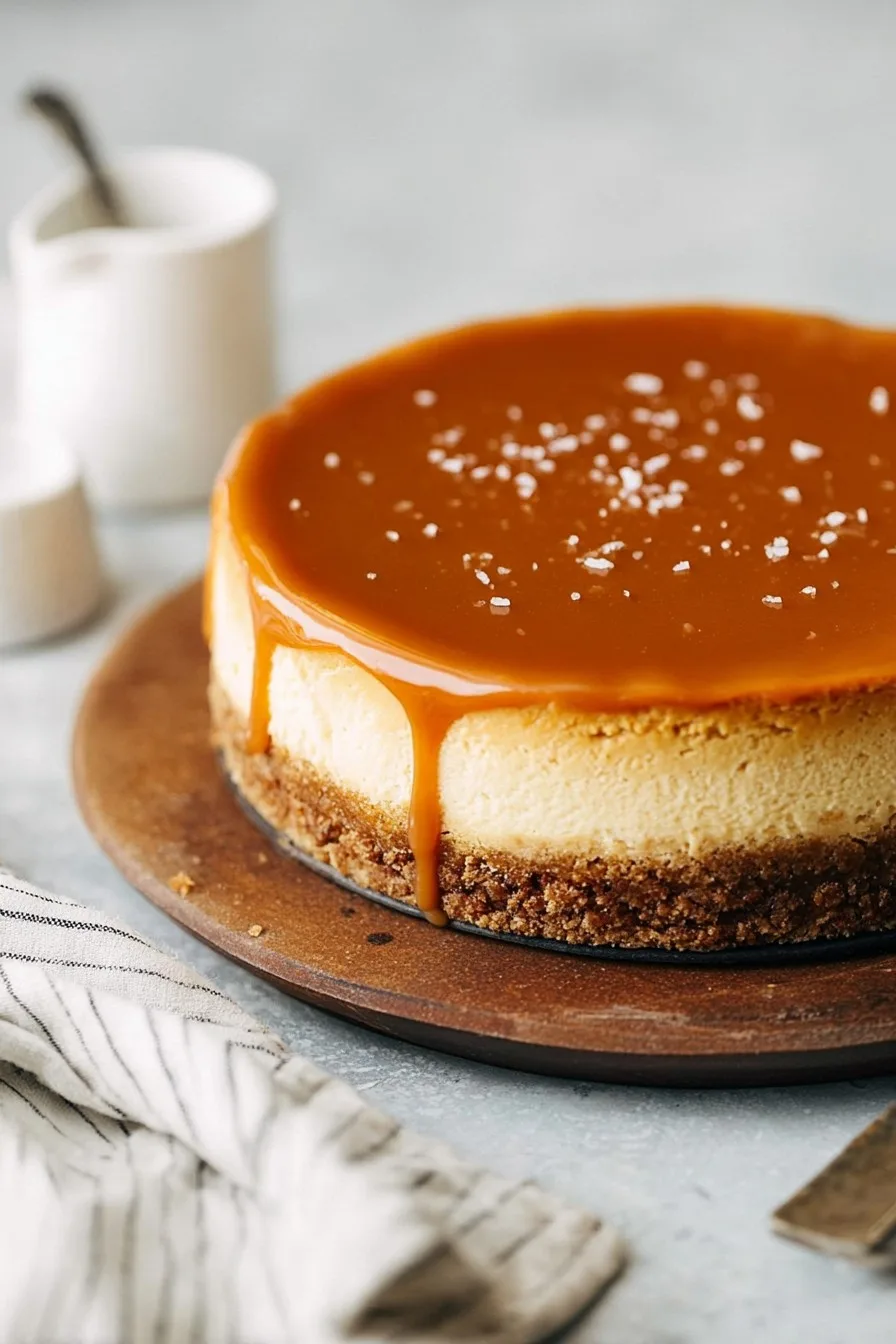
Originating from the traditional American cheesecake that evolved from European baked cheese desserts, the Salted Caramel Cheesecake rises above with its innovative pairing of salty and sweet. Cheesecake itself has a centuries-old history, dating back to ancient Greece, where cheese-based cakes were made for celebrations.
Over time, the New York-style cheesecake gained massive popularity, characterized by its dense, creamy filling. The inclusion of salted caramel, a trend that began in France in the late 20th century, transforms the classic cheesecake into a gourmet masterpiece.
This delightful combination strikes a perfect balance; the salty undertones in the caramel accentuate the rich, tangy cream cheese, while the buttery crust provides a perfect foundation. Whether served at family gatherings, festive celebrations, or as a show-stopping holiday dessert, the Salted Caramel Cheesecake Recipe never fails to impress.
With detailed, step-by-step instructions, attainable ingredients, and insightful tips for mastering the art of cheesecake baking, this guide will help you create a dessert that’s both visually spectacular and absolutely delicious. Explore this tried-and-true recipe to delight your loved ones and satisfy even the most discerning sweet tooth.
Ingredients
- 1 and ½ cups graham cracker crumbs
- ¼ cup granulated sugar
- 6 tablespoons unsalted butter, melted
- 24 ounces (680g) cream cheese, softened
- 1 cup granulated sugar
- 1 teaspoon pure vanilla extract
- 3 large eggs, room temperature
- 1 cup sour cream, room temperature
- ¼ cup all-purpose flour
- ¼ teaspoon salt
- For salted caramel sauce:
- 1 cup granulated sugar
- 6 tablespoons unsalted butter, cut into cubes
- ½ cup heavy cream, room temperature
- 1 teaspoon flaky sea salt (plus extra for garnish)
Instructions
- Preheat your oven to 325°F (163°C). Lightly grease a 9-inch springform pan and wrap the bottom in aluminum foil to prevent leaks.
- In a medium bowl, combine graham cracker crumbs, ¼ cup granulated sugar, and melted butter. Mix until the crumbs look like wet sand. Press firmly into the bottom and slightly up the sides of the prepared pan to form an even crust. Bake the crust for 10 minutes. Let it cool while you prepare the filling.
- In a large mixing bowl, beat softened cream cheese on medium speed until completely smooth and creamy, about 3 minutes. Gradually add 1 cup granulated sugar, beating until incorporated and scraping down the sides of the bowl.
- Add vanilla extract and mix well. Beat in the eggs one at a time, ensuring each is fully incorporated before adding the next.
- Stir in the sour cream, flour, and salt. Mix until the batter is smooth—avoid over-mixing.
- Pour the filling over the cooled crust, smoothing the top with a spatula. Place the springform pan in a large roasting pan and add hot water to the roasting pan until it reaches halfway up the sides of the springform pan (water bath).
- Bake for 55-65 minutes, or until the edges look set and the center is slightly jiggly. Turn off the oven, crack the door, and let cheesecake cool inside for 1 hour. Remove from oven and water bath, cool to room temperature, then refrigerate for at least 6 hours (preferably overnight).
- To make salted caramel sauce, heat 1 cup granulated sugar in a medium saucepan over medium heat, stirring constantly until it melts into an amber-colored liquid. Carefully add butter (the mixture will bubble up), stirring until melted. Slowly pour in the heavy cream while stirring. Allow to boil for 1 minute, then remove from heat and stir in flaky sea salt. Let cool to room temperature.
- Once the cheesecake is set, remove from the pan and transfer to a serving plate. Pour cooled salted caramel sauce over the top, letting it gently drip down the sides. Sprinkle with extra sea salt if desired.
- Slice with a sharp, hot knife, cleaning between cuts, and enjoy your decadent Salted Caramel Cheesecake.
Nutritional Information
The Salted Caramel Cheesecake Recipe offers a rich, indulgent treat, but being aware of its nutritional profile can help you enjoy it mindfully. One standard slice (based on 12 servings) provides approximately 420 to 480 calories, making it a dessert best savored in moderation.
The cheesecake is high in fats, particularly due to the cream cheese, butter, and heavy cream used in the filling and caramel sauce, accounting for around 30 grams of fat per slice. Of this, about 18 grams are saturated fats, while cholesterol levels range from 100 to 130 milligrams.
The sugar content, primarily from the caramel sauce and base, is about 35 to 45 grams per serving, contributing sweetness and energy. It also supplies a moderate amount of protein due to the eggs and dairy base, typically around 6 grams per slice.
While low in dietary fiber, this dessert does offer small amounts of calcium and vitamin A, supporting bone and eye health. Keep in mind that nutritional values can vary depending on ingredient brands and portion sizes.
Those watching their sodium intake should note the salted caramel and sea salt garnish increase the sodium content. To lighten the recipe, you can substitute low-fat cream cheese or Greek yogurt for part of the full-fat ingredients, though this will alter the texture and flavor.
Overall, the Salted Caramel Cheesecake Recipe provides a sumptuous slice to be enjoyed as an occasional treat within a balanced diet.

Wine and Beverage Pairings
Pairing a rich Salted Caramel Cheesecake Recipe with the right beverage elevates the entire dessert experience. A classic option is a late-harvest Riesling or a sweet Sauternes; the vibrant acidity and honeyed notes in these wines provide a refreshing contrast to the cheesecake's creamy richness.
For a less sweet but equally compelling choice, try a nutty Oloroso Sherry or a smooth Tawny Port, both of which boast caramel and toasted flavors that mirror the dessert's complexity. If you prefer coffee, a robust espresso or a cappuccino balances the sweetness and offers a complementary bitterness.
For those seeking a non-alcoholic pairing, opt for a chai latte or a freshly brewed black tea; their spice and tannins will cut through the dessert's richness. Even a vanilla almond milk or salted caramel-flavored hot cocoa can be a fun, thematic choice.
Ultimately, the best drink is one that resonates with your palate and enhances the moment of indulgence.
Cooking Tips and Variations
Mastering the Salted Caramel Cheesecake Recipe is all about attention to detail and knowing a few tricks of the trade. First, always ensure your cream cheese and eggs are at room temperature before blending. This minimizes lumps and helps create the velvety-smooth texture that defines a great cheesecake.
When mixing your batter, avoid over-whipping once the eggs are added – just enough so everything is incorporated, as excess air can lead to cracks. The water bath (bain-marie) is another critical step: it keeps oven moisture high and temperature even, preventing the top from splitting.
If leaks worry you, double-wrap your springform pan with heavy-duty foil. For the graham cracker crust, pressing firmly into the pan and using the base of a glass to ensure an even layer pays off with a sturdy, crisp bottom.
If you're short on time, the base can also be made with digestive biscuits or chocolate cookies for a twist. The salted caramel sauce requires careful attention: always add the butter and cream slowly since the hot syrup can splatter.
If you prefer a darker caramel, let the sugar turn a deep amber, but watch closely to prevent bitterness. For those seeking alternatives, the filling can be swirled with chocolate, or the topping exchanged for fruit compote for a lighter take.
A dash of bourbon or espresso in the caramel gives a complex twist, while toffee bits or roasted nuts make a crunchy garnish. With patience, practice, and a spirit of experimentation, your Salted Caramel Cheesecake Recipe will turn into a signature showpiece at any gathering.

Serving Suggestions
For an unforgettable presentation and maximum enjoyment of your Salted Caramel Cheesecake Recipe, consider these serving suggestions. Always ensure the cheesecake is fully chilled—overnight refrigeration not only firms up the filling but also develops deeper flavors.
Before slicing, dip a sharp knife in hot water and wipe it dry between cuts; this guarantees each piece is clean and picture-perfect. Arrange slices on dessert plates and drizzle a little more salted caramel sauce over each, creating an elegant cascade.
For special occasions, add a sprinkle of flaky sea salt or a scattering of toasted nuts, such as pecans or hazelnuts, for texture and visual impact. Fresh berries, like raspberries or strawberries, add a pop of color and refreshing tartness, providing a lovely palate contrast.
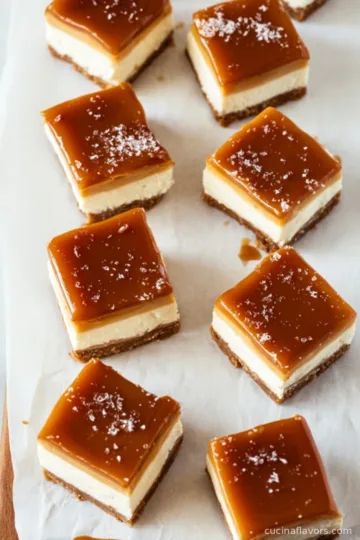
If serving at a party, ramekin-sized portions or cheesecake bars are convenient and allow for easy sharing. Pair the cake with complementary dessert sauces—dark chocolate or berry compote both shine alongside the caramel theme.
For an extra layer of indulgence, a dollop of lightly sweetened whipped cream or a scoop of vanilla bean ice cream brings a touch of classic comfort. Finally, always present the Salted Caramel Cheesecake Recipe on a chic cake stand or platter—aesthetics heighten the experience almost as much as taste.
Whether you’re celebrating a holiday, birthday, or just craving something special, these serving ideas will make your cheesecake the centerpiece of any dessert table.
Health Benefits
The Salted Caramel Cheesecake Recipe, while decadent, can be enjoyed as part of a balanced lifestyle thanks to mindful portioning and thoughtful ingredient tweaks. Cheesecake is a good source of high-quality protein and calcium, both of which support strong muscles and bones.
The use of eggs in the filling also provides essential amino acids and vitamins like B12. The small but significant doses of vitamin A from cream cheese and butter contribute to healthy skin and vision.
For those seeking healthier alternatives, consider reducing the sugar in the filling or swapping full-fat cream cheese for light versions or part-skim ricotta. Incorporating Greek yogurt instead of sour cream can also increase protein content while lowering fat.
The heart-healthy benefits of sea salt, when used judiciously, include trace minerals not found in regular table salt. However, because this is a calorie-dense dessert, moderation is key, especially for those monitoring blood sugar or cholesterol.
Pairing the Salted Caramel Cheesecake with berries adds natural antioxidants and boosts fiber, helping offset some of the dessert’s richness. Ultimately, enjoying a slice as an occasional treat—especially when made from scratch and shared with loved ones—aligns with a holistic view of health that values pleasure and balance.
Frequently Asked Questions
Absolutely! This cheesecake is actually best when made a day ahead, giving time for the flavors to meld and the texture to set. Prepare and bake the cheesecake as directed, refrigerate overnight, and add the caramel topping just before serving for optimal freshness.
To avoid cracks, ensure your ingredients are at room temperature and do not over-mix. Baking the cheesecake in a water bath keeps humidity high and heat even, which minimizes the risk of cracking. Letting it cool gradually in the oven with the door ajar also helps prevent sudden temperature changes.
Yes, the cheesecake (without the caramel topping) freezes beautifully. After chilling, wrap it tightly with plastic wrap and foil before freezing for up to two months. Thaw overnight in the refrigerator and add fresh salted caramel sauce before serving.
Definitely! Simply substitute gluten-free graham crackers or cookies for the crust and ensure all other ingredients, such as flour, are certified gluten-free. The rest of the recipe remains unchanged.
You can use quality store-bought salted caramel sauce in a pinch. However, making your own from scratch yields a fresher taste and allows you to tailor the saltiness to your preference.
The Salted Caramel Cheesecake Recipe is a testament to the unparalleled harmony of smooth, tangy cheesecake and irresistible salted caramel. Whether baked for a special celebration or simply as an indulgent treat, this dessert is guaranteed to make a lasting impression on family and friends. With a buttery crust, creamy filling, and silky homemade caramel sauce, each bite offers a delightful balance of flavor and texture. By following the detailed instructions, tips, and variations provided, you can confidently master this luscious dessert at home. Don’t hesitate to experiment with toppings and twists to make it uniquely yours. Enjoy this classic-with-a-twist as the centerpiece of your next gathering, and watch as it becomes a requested favorite for years to come.
Ingredients
- 1 and ½ cups graham cracker crumbs
- ¼ cup granulated sugar
- 6 tablespoons unsalted butter, melted
- 24 ounces (680g) cream cheese, softened
- 1 cup granulated sugar
- 1 teaspoon pure vanilla extract
- 3 large eggs, room temperature
- 1 cup sour cream, room temperature
- ¼ cup all-purpose flour
- ¼ teaspoon salt
- For salted caramel sauce:
- 1 cup granulated sugar
- 6 tablespoons unsalted butter, cut into cubes
- ½ cup heavy cream, room temperature
- 1 teaspoon flaky sea salt (plus extra for garnish)
Instructions
-
1Preheat your oven to 325°F (163°C). Lightly grease a 9-inch springform pan and wrap the bottom in aluminum foil to prevent leaks.
-
2In a medium bowl, combine graham cracker crumbs, ¼ cup granulated sugar, and melted butter. Mix until the crumbs look like wet sand. Press firmly into the bottom and slightly up the sides of the prepared pan to form an even crust. Bake the crust for 10 minutes. Let it cool while you prepare the filling.
-
3In a large mixing bowl, beat softened cream cheese on medium speed until completely smooth and creamy, about 3 minutes. Gradually add 1 cup granulated sugar, beating until incorporated and scraping down the sides of the bowl.
-
4Add vanilla extract and mix well. Beat in the eggs one at a time, ensuring each is fully incorporated before adding the next.
-
5Stir in the sour cream, flour, and salt. Mix until the batter is smooth—avoid over-mixing.
-
6Pour the filling over the cooled crust, smoothing the top with a spatula. Place the springform pan in a large roasting pan and add hot water to the roasting pan until it reaches halfway up the sides of the springform pan (water bath).
-
7Bake for 55-65 minutes, or until the edges look set and the center is slightly jiggly. Turn off the oven, crack the door, and let cheesecake cool inside for 1 hour. Remove from oven and water bath, cool to room temperature, then refrigerate for at least 6 hours (preferably overnight).
-
8To make salted caramel sauce, heat 1 cup granulated sugar in a medium saucepan over medium heat, stirring constantly until it melts into an amber-colored liquid. Carefully add butter (the mixture will bubble up), stirring until melted. Slowly pour in the heavy cream while stirring. Allow to boil for 1 minute, then remove from heat and stir in flaky sea salt. Let cool to room temperature.
-
9Once the cheesecake is set, remove from the pan and transfer to a serving plate. Pour cooled salted caramel sauce over the top, letting it gently drip down the sides. Sprinkle with extra sea salt if desired.
-
10Slice with a sharp, hot knife, cleaning between cuts, and enjoy your decadent Salted Caramel Cheesecake.
Approximate Information for One Serving
Nutrition Disclaimers
Number of total servings shown is approximate. Actual number of servings will depend on your preferred portion sizes.
Nutritional values shown are general guidelines and reflect information for 1 serving using the ingredients listed, not including any optional ingredients. Actual macros may vary slightly depending on specific brands and types of ingredients used.
To determine the weight of one serving, prepare the recipe as instructed. Weigh the finished recipe, then divide the weight of the finished recipe (not including the weight of the container the food is in) by the desired number of servings. Result will be the weight of one serving.
Did you make this recipe?
Please consider Pinning it!


Leave a Reply