
Discover the irresistible flavors of Slow Cooker Thai Basil Chicken Curry, a dish that brings the vibrant culinary traditions of Thailand right into your kitchen.
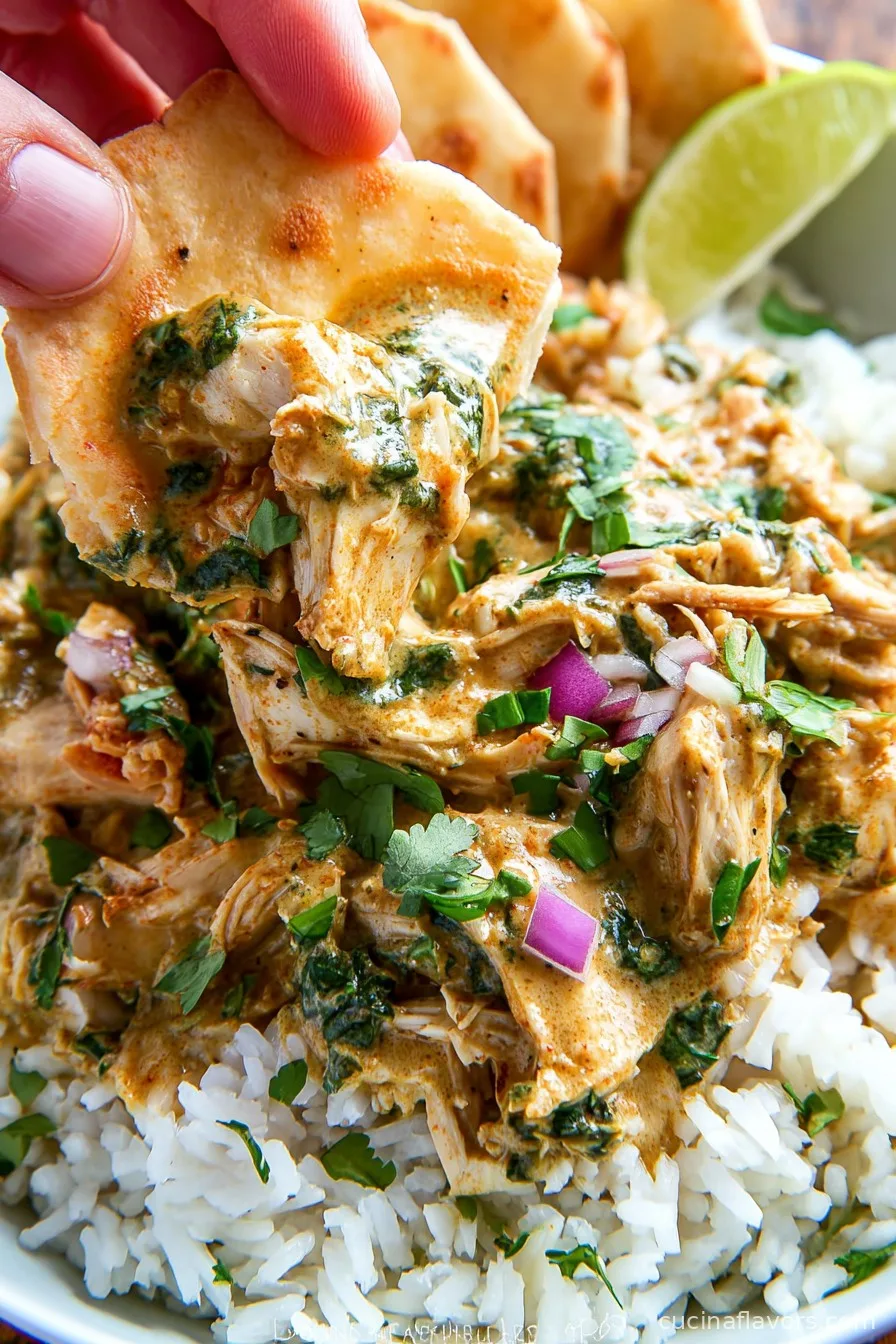
Known for its aromatic blend of spices, tender chicken, coconut milk, and fresh Thai basil, this curry is a true testament to the rich history and complexity of Thai cuisine. Curry as a concept was introduced to Thailand through interactions with Indian traders centuries ago.
Over time, the Thai people adapted it to suit their local tastes, integrating Southeast Asian herbs, native chili varieties, and, eventually, coconut milk for a creamier consistency.
The use of basil in Thai curries distinguishes them from other Asian curries, notably imparting a sweet, slightly peppery aroma that tantalizes the senses. As global interest in slow cooker meals has grown, more home cooks are discovering the convenience of making authentic Thai dishes with minimal hands-on effort.
By utilizing a slow cooker, the complex flavors of the Slow Cooker Thai Basil Chicken Curry have ample time to meld, deepening the dish’s layers while keeping the chicken utterly succulent.
Whether you are new to Thai cooking or a seasoned enthusiast, this recipe is designed to guide you step-by-step to a delicious, stress-free dinner.
Packed with bold flavors and nutritional goodness, Slow Cooker Thai Basil Chicken Curry is perfect for family meals, meal prepping, or entertaining guests who appreciate a touch of exotic flair.
Ingredients
- 2 pounds boneless, skinless chicken thighs, cut into bite-sized pieces
- 2 tablespoons Thai red curry paste
- 1 tablespoon fish sauce
- 1 tablespoon soy sauce
- 1 tablespoon brown sugar
- 1 can (14 ounces) coconut milk (full-fat)
- 1 large onion, thinly sliced
- 3 cloves garlic, minced
- 1-inch piece fresh ginger, grated
- 2 red bell peppers, sliced
- 1 cup baby carrots, chopped
- 1 cup snap peas, trimmed
- 1 cup fresh Thai basil leaves, packed
- 1 tablespoon lime juice
- 1 tablespoon vegetable oil
- Fresh red chili, sliced (optional, for extra heat)
- Salt and black pepper to taste
- Cooked jasmine rice, for serving
- Lime wedges, for garnish
Instructions
- Prepare the chicken by cutting it into bite-sized pieces. Set aside.
- In a medium bowl, combine the Thai red curry paste, fish sauce, soy sauce, and brown sugar. Mix well.
- Heat the vegetable oil in a skillet over medium heat. Add the onions and sauté for 2-3 minutes until translucent, then add garlic and ginger, stirring for another minute until fragrant.
- Add the chicken pieces to the skillet and brown them lightly for 3-4 minutes. This step adds flavor but is optional if you prefer to add the chicken directly to the slow cooker.
- Transfer the sautéed onions, garlic, ginger, and chicken into the slow cooker.
- Pour in the coconut milk and the pre-mixed curry paste mixture over the chicken and vegetables.
- Add sliced red bell peppers, chopped carrots, and snap peas to the slow cooker.
- Season with salt and black pepper. Stir well, ensuring everything is coated in the curry sauce.
- Cover and cook on low for 5-6 hours or high for 2.5-3 hours, until the chicken is tender and the vegetables are cooked but not mushy.
- About 20 minutes before serving, stir in the fresh Thai basil leaves and lime juice. Taste and adjust seasoning as needed.
- If you prefer a thicker curry, remove the lid during the last 30 minutes of cooking to allow the sauce to reduce slightly.
- Serve hot over steamed jasmine rice, garnished with extra basil leaves, lime wedges, and fresh red chili slices.
Nutritional Information
Slow Cooker Thai Basil Chicken Curry provides a balanced meal packed with macronutrients and essential vitamins. Protein content is high thanks to the lean chicken thighs, which support muscle repair and satiety. Coconut milk, while adding tropical creaminess, supplies beneficial medium-chain triglycerides (MCTs) that can aid metabolism.
The inclusion of various vegetables such as bell peppers, carrots, and snap peas boosts each serving’s dietary fiber, vitamins A and C, and antioxidants. Thai basil, rich in vitamin K and manganese, brings not just flavor, but also phytonutrients that support overall health.
Each average serving without rice provides about 320 calories, containing roughly 24 grams of protein, 18 grams of fat (mostly from coconut milk), and 12 grams of carbohydrates, mainly from vegetables and a touch of sugar.
Adding a serving of jasmine rice increases the carbohydrate content, fueling your body with extra energy. This curry is relatively low in added sugars, and using light coconut milk or reducing the oil can make it even lighter if you wish.
Additionally, Slow Cooker Thai Basil Chicken Curry can fit nicely into various dietary plans, being naturally gluten-free when made with gluten-free soy sauce.
Wine and Beverage Pairings
Pair Slow Cooker Thai Basil Chicken Curry with a crisp, aromatic white wine such as Riesling or Gewürztraminer. These wines offer a touch of sweetness and enough acidity to cut through the curry's richness, enhancing the dish’s fragrant spices.
For non-alcoholic pairings, Thai iced tea or a lightly sparkling yuzu soda are excellent choices. Jasmine green tea also beautifully complements the curry’s herbal and spicy notes, providing a refreshing balance.
Cooking Tips and Variations
For the best Slow Cooker Thai Basil Chicken Curry, use fresh Thai basil instead of sweet or Italian basil, as its unique flavor defines this dish. If Thai basil is unavailable, a mix of sweet basil and fresh mint can mimic the taste.
Adjust the heat level by varying the amount of red curry paste or adding fresh red chili. Using chicken thighs instead of breasts keeps the meat moist and flavorful even after hours of slow cooking.
Brown the chicken before placing it in the slow cooker to add depth of flavor, although this step is optional for busy days. For added variety, substitute chicken with tofu or shrimp, making it suitable for vegetarians or pescatarians. Try adding other vegetables like bamboo shoots, baby corn, or zucchini.
If you prefer a creamier texture, add an extra half can of coconut milk or finish with a splash of coconut cream. For a lighter curry, use light coconut milk and cut back on the oil.
Don't skip the final addition of fresh basil and lime juice; these ingredients brighten up the curry, balancing the richness with fresh, aromatic top notes.

Serving Suggestions
Slow Cooker Thai Basil Chicken Curry is best served piping hot over a generous mound of fluffy jasmine rice, which absorbs the savory sauce and balances out the curry’s spiciness.
For extra color and crunch, garnish each plate with a few fresh Thai basil leaves, slivers of fresh red chili, and a lime wedge on the side. This curry also pairs wonderfully with a crisp cucumber salad or a quick Thai-style slaw, offering a cooling contrast to the aromatic heat.
For a more festive meal, present the curry alongside other Thai dishes such as spring rolls or papaya salad, allowing guests to sample a broader array of flavors. When meal prepping, portion the curry and rice into individual containers for easy, delicious lunches throughout the week.
If you’re entertaining, serve the curry in a large ceramic bowl at the center of the table, surrounded by condiments like chopped peanuts, cilantro, and extra lime for guests to customize each bite.
Whether for an casual family meal or a special occasion, Slow Cooker Thai Basil Chicken Curry delivers both comfort and excitement to the table.
Health Benefits
Slow Cooker Thai Basil Chicken Curry is as nourishing as it is flavorful. The lean protein from chicken thighs aids muscle development and supports a healthy immune system.
Coconut milk, while rich, carries beneficial fats that may help manage cholesterol and promote a feeling of fullness, making this curry a satisfying yet wholesome choice. Thai basil offers potent antioxidants and essential vitamins, including vitamin K, which is crucial for bone health.
The colorful bell peppers and carrots add fiber, vitamins, and minerals, supporting digestion and eye health. By minimizing added sugars and using minimal oil, this curry remains lighter on calories than many takeout alternatives. If sodium is a dietary concern, opt for low-sodium soy sauce and use less fish sauce.
For those on gluten-free or dairy-free diets, this recipe is naturally adaptable, simply by ensuring all your sauces are gluten-free. Overall, Slow Cooker Thai Basil Chicken Curry demonstrates that authentic international flavors and good nutrition can go hand-in-hand.
Frequently Asked Questions
Yes, chicken breast can be used, but chicken thighs tend to stay more tender and juicy during slow cooking. If using breast, avoid overcooking to prevent dryness.
Absolutely. Substitute the chicken with firm tofu or tempeh, and use soy sauce or a vegetarian fish sauce alternative. You may also add extra vegetables for heartiness.
The heat depends mainly on the amount of red curry paste and fresh chili used. Start with less if you prefer mild, and adjust upward to taste. Red curry paste typically has medium heat.
Yes, this curry freezes well. Cool completely, then store in airtight containers for up to three months. Thaw and reheat gently before serving.
If Thai basil is unavailable, substitute with a mixture of regular sweet basil and fresh mint for a similar flavor profile.
Bringing together the warmth of homemade cooking with the robust flavors of Thailand, Slow Cooker Thai Basil Chicken Curry is your ticket to a satisfying, aromatic meal. With its simple slow cooker method and flexible ingredients, it has become a cherished staple for weeknights and special occasions alike. Whether served on its own or as part of a larger Thai-inspired spread, this dish impresses with its vibrant colors, inviting aromas, and complex flavors. Try it once, and you’ll find yourself returning to this comforting recipe again and again.
Ingredients
- 2 pounds boneless, skinless chicken thighs, cut into bite-sized pieces
- 2 tablespoons Thai red curry paste
- 1 tablespoon fish sauce
- 1 tablespoon soy sauce
- 1 tablespoon brown sugar
- 1 can (14 ounces) coconut milk (full-fat)
- 1 large onion, thinly sliced
- 3 cloves garlic, minced
- 1-inch piece fresh ginger, grated
- 2 red bell peppers, sliced
- 1 cup baby carrots, chopped
- 1 cup snap peas, trimmed
- 1 cup fresh Thai basil leaves, packed
- 1 tablespoon lime juice
- 1 tablespoon vegetable oil
- Fresh red chili, sliced (optional, for extra heat)
- Salt and black pepper to taste
- Cooked jasmine rice, for serving
- Lime wedges, for garnish
Instructions
-
1Prepare the chicken by cutting it into bite-sized pieces. Set aside.
-
2In a medium bowl, combine the Thai red curry paste, fish sauce, soy sauce, and brown sugar. Mix well.
-
3Heat the vegetable oil in a skillet over medium heat. Add the onions and sauté for 2-3 minutes until translucent, then add garlic and ginger, stirring for another minute until fragrant.
-
4Add the chicken pieces to the skillet and brown them lightly for 3-4 minutes. This step adds flavor but is optional if you prefer to add the chicken directly to the slow cooker.
-
5Transfer the sautéed onions, garlic, ginger, and chicken into the slow cooker.
-
6Pour in the coconut milk and the pre-mixed curry paste mixture over the chicken and vegetables.
-
7Add sliced red bell peppers, chopped carrots, and snap peas to the slow cooker.
-
8Season with salt and black pepper. Stir well, ensuring everything is coated in the curry sauce.
-
9Cover and cook on low for 5-6 hours or high for 2.5-3 hours, until the chicken is tender and the vegetables are cooked but not mushy.
-
10About 20 minutes before serving, stir in the fresh Thai basil leaves and lime juice. Taste and adjust seasoning as needed.
-
11If you prefer a thicker curry, remove the lid during the last 30 minutes of cooking to allow the sauce to reduce slightly.
-
12Serve hot over steamed jasmine rice, garnished with extra basil leaves, lime wedges, and fresh red chili slices.
Approximate Information for One Serving
Nutrition Disclaimers
Number of total servings shown is approximate. Actual number of servings will depend on your preferred portion sizes.
Nutritional values shown are general guidelines and reflect information for 1 serving using the ingredients listed, not including any optional ingredients. Actual macros may vary slightly depending on specific brands and types of ingredients used.
To determine the weight of one serving, prepare the recipe as instructed. Weigh the finished recipe, then divide the weight of the finished recipe (not including the weight of the container the food is in) by the desired number of servings. Result will be the weight of one serving.
Did you make this recipe?
Please consider Pinning it!



Leave a Reply