
High-protein chicken noodle soup is a wholesome and satisfying dish that brings together the classic comfort of chicken soup with the nutritional advantage of a protein-rich meal.
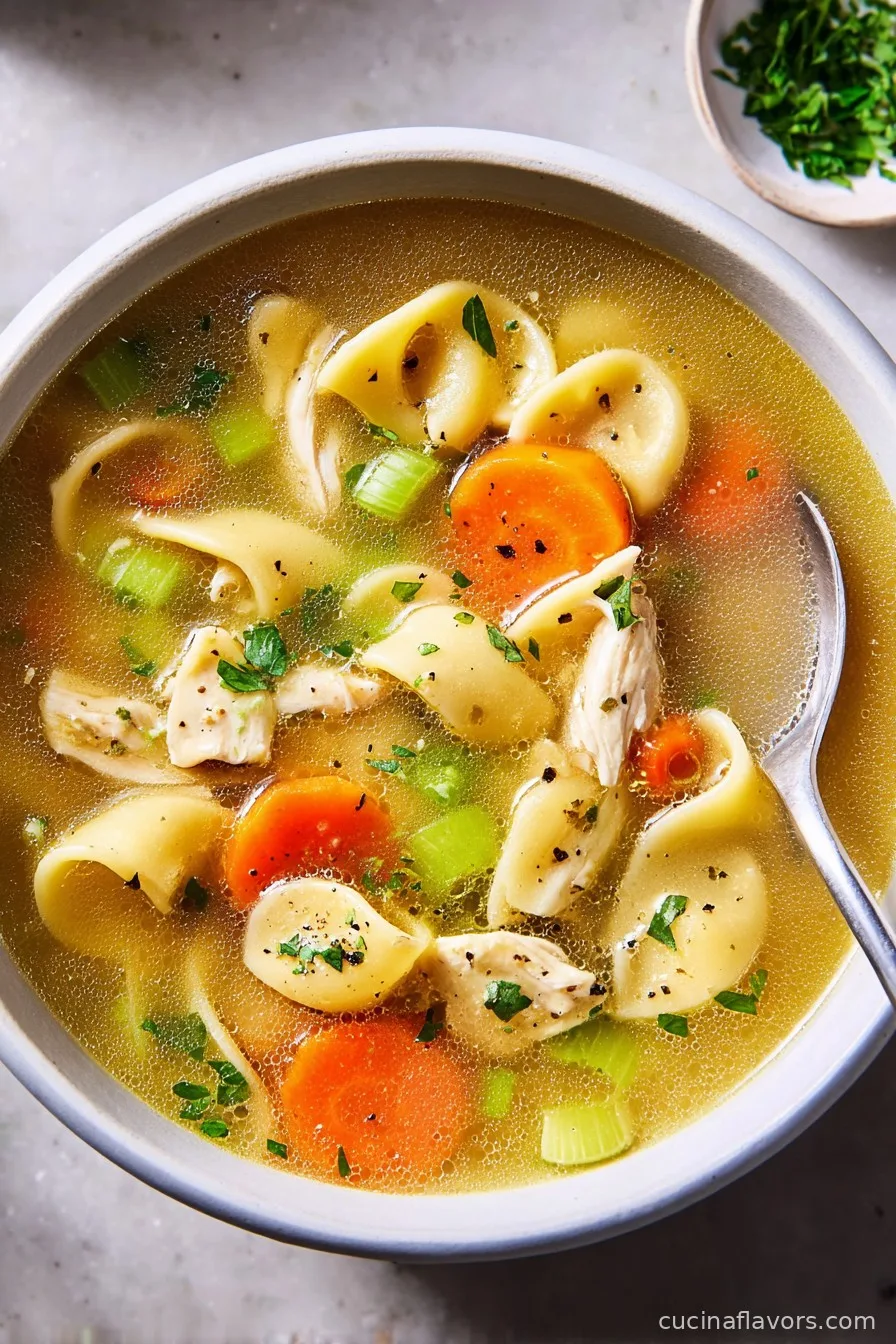
This version of chicken noodle soup has become increasingly popular among fitness enthusiasts, athletes, and those looking to fuel their bodies with nourishing, balanced meals.
Chicken soup, often touted as a miracle remedy for colds and a comfort food across generations, originated centuries ago and has been adapted in countless ways worldwide. The traditional broth-based soup with tender chicken, noodles, and vegetables is beloved for its flavorful, revitalizing qualities.
By focusing on high-protein ingredients and whole grains, this recipe turns the traditional favorite into a powerhouse meal ideal for supporting an active lifestyle, building muscle, or aiding post-workout recovery.
With rising interest in health-conscious cooking, high-protein chicken noodle soup has secured its reputation as both a satisfying comfort food and a smart choice for meal prep and busy families. Whether enjoyed in winter or year-round, this nutritious soup is sure to become a staple in your weekly rotation.
Packed with lean chicken breast, protein-rich noodles, and vibrant vegetables, high-protein chicken noodle soup demonstrates that healthy eating doesn't have to compromise on taste or comfort.
Ingredients
- 2 large boneless, skinless chicken breasts (about 1.5 pounds)
- 8 cups low-sodium chicken broth
- 2 cups water
- 2 teaspoons olive oil
- 1 large onion, diced
- 3 medium carrots, peeled and sliced
- 3 celery stalks, sliced
- 3 garlic cloves, minced
- 1 cup shelled edamame or green peas (for extra protein)
- 8 ounces whole wheat or chickpea noodles
- 1 teaspoon dried thyme
- 1 teaspoon dried parsley
- 1 bay leaf
- Salt and freshly ground black pepper to taste
- Juice of 1 lemon (optional, for brightness)
- Chopped fresh parsley, for garnish
Instructions
- Place the chicken breasts in a large pot with the chicken broth and water. Bring to a gentle boil over medium-high heat, then reduce to a simmer.
- Skim any foam or impurities that rise to the top of the broth for a clear soup.
- While the chicken is poaching, heat olive oil in a skillet over medium heat. Add the diced onion, carrots, celery, and garlic. Sauté until vegetables are softened and fragrant, about 5-7 minutes.
- Transfer the sautéed vegetables into the simmering pot with the chicken.
- Add the edamame or peas, dried thyme, dried parsley, bay leaf, and season with salt and pepper.
- Continue to simmer for 18-20 minutes, until the chicken is cooked through and tender.
- Remove the chicken breasts from the pot. Shred or dice the chicken using two forks or a knife.
- Return the shredded chicken to the pot. Discard the bay leaf.
- Add the whole wheat or chickpea noodles to the soup and cook according to package instructions, about 7-9 minutes, until al dente.
- Taste and adjust seasoning. Add more salt, pepper, or lemon juice if desired.
- Remove from heat and stir in half of the chopped fresh parsley.
- Ladle the soup into bowls, garnish with remaining fresh parsley, and serve hot.
Nutritional Information
High-protein chicken noodle soup stands out not just for its comforting flavor but also for its exceptional nutritional profile. A single serving (about 2 cups) delivers approximately 300–350 calories, making it a light yet filling option for lunch or dinner.
The protein content is one of its main highlights, boasting around 30–35 grams per serving, primarily derived from lean chicken breast and optional protein-rich additions like edamame or chickpea noodles.
Whole wheat or chickpea noodles not only contribute extra grams of protein per serving but also add fiber, aiding in digestion and prolonged satiety. The vegetables offer an impressive array of vitamins such as A, C, and K, along with potassium and antioxidants that support immune function and overall well-being.
As the soup uses minimal oil and relies on lean protein, it is low in saturated fat and cholesterol when compared to traditional creamy soups. With reduced sodium broth and loads of fresh veggies, this recipe aligns well with heart-healthy and weight management meal plans.
Whether you are looking to refuel post-workout, manage weight, or support muscle repair and immune health, high-protein chicken noodle soup delivers nourishment in every bowl.

Wine and Beverage Pairings
Pair your high-protein chicken noodle soup with a light white wine such as Sauvignon Blanc or Pinot Grigio, whose crisp acidity complements the savory, herby broth without overpowering the subtle flavors of the soup.
For an alcohol-free pairing, enjoy the soup with freshly brewed iced green tea or sparkling lemon water for a refreshing and palate-cleansing experience. A mild green herbal tea also works beautifully, enhancing the warming, comforting quality of the dish.
Cooking Tips and Variations
To achieve maximum flavor and nutrition in high-protein chicken noodle soup, select high-quality, skinless chicken breasts for lean protein that cooks tenderly in the broth. If you want even more protein, consider adding extra edamame, chickpea pasta, or white beans.
Cooking the vegetables separately before adding them to the broth enhances their flavor and ensures an appealing, vibrant color in the soup. For a gluten-free alternative, opt for gluten-free chickpea or lentil noodles, which are not only celiac-friendly but also raise the protein content further.
Experiment with seasonal vegetables such as spinach, kale, or bell peppers for added nutrients and variety. You can make the soup in advance and store leftovers in the refrigerator for up to 4 days, or freeze portions for convenient meal prep.
To prevent noodles from absorbing too much broth when storing, cook and keep them separately, adding to bowls just before serving. Slow cooker and Instant Pot versions are perfect for hands-off cooking and infusing the soup with deep flavor.
Don't shy away from adding fresh herbs or a squeeze of lemon at the end for an aromatic, tangy finish.

Serving Suggestions
High-protein chicken noodle soup is best served hot, freshly ladled into deep bowls and garnished with chopped fresh parsley for a burst of color and freshness. Accompany the soup with a slice of toasted whole grain or gluten-free bread to soak up the flavorful broth.
For a more complete meal, consider serving the soup with a side salad featuring baby greens, cherry tomatoes, and a simple vinaigrette.
If you are entertaining guests, present the soup as a hearty starter before a lighter main course, or place it center-stage as a nourishing main dish, perfect for family dinners or meal prepping for the week ahead.
To create a comforting meal on a chilly evening, pair the soup with roasted vegetables or steamed broccoli on the side. For busy workdays, pour the soup into a thermos for an excellent on-the-go lunch or nourishing recovery meal post-workout.
Sprinkle the finished bowls with extra black pepper, chili flakes, or a hint of grated Parmesan for a personalized touch. No matter the occasion, high-protein chicken noodle soup is versatile enough to adapt to any menu or season.
Health Benefits
High-protein chicken noodle soup offers a remarkable array of health benefits beyond its hearty flavor and comforting warmth. The lean chicken breast provides all essential amino acids, crucial for muscle building, repair, and maintenance, making this an ideal meal for athletes and those with increased protein needs.
The abundant vegetables deliver fiber, which supports digestive health, regulates blood sugar, and promotes satiety, making it easier to manage weight. Beta-carotene from carrots, antioxidants from onions and garlic, and phytonutrients from added greens boost immune function and help combat inflammation.
Using lower-sodium broth keeps the soup heart-friendly, while the minimal use of oil reduces unnecessary fats. The soup’s high protein and moderate carbohydrate content provide lasting energy, support metabolism, and help keep hunger at bay, which can contribute to healthy eating patterns.
For those seeking gluten-free or dairy-free options, easy substitutions are available without sacrificing taste or nutrition, ensuring that high-protein chicken noodle soup fits seamlessly into a range of health-conscious diets.
Frequently Asked Questions
Yes, you can prepare this soup in advance. To keep noodles from absorbing too much broth, store them separately and add before serving. The soup keeps well in the refrigerator for up to 4 days or can be frozen for longer storage.
For a gluten-free version of high-protein chicken noodle soup, use gluten-free chickpea noodles, lentil noodles, or rice noodles. These alternatives are not only gluten-free but can also increase the soup’s protein content.
In addition to using chicken breast and chickpea noodles, you can add shelled edamame, white beans, or extra chicken to boost the protein content. Using a high-protein broth can also contribute additional grams of protein per serving.
Absolutely. High-protein chicken noodle soup is perfect for meal prep as it stores well in the fridge and reheats easily. Just remember to store the noodles and soup separately for the best texture.
High-protein chicken noodle soup combines rich flavor, classic comfort, and substantial nutrition, making it a standout choice for family meals, meal prep, or recovery from strenuous activity. Its adaptability ensures that anyone can tailor the recipe to their dietary needs, whether that means increasing the protein content, going gluten-free, or adding extra veggies for a nutritional boost. This healthful soup satisfies on chilly days, supports active lifestyles, and keeps you feeling energized and full. By choosing high-protein chicken noodle soup, you are not just treating yourself to a delicious meal but also embracing a recipe that honors both tradition and modern nutritional wisdom. Enjoy the warmth, flavor, and lasting satisfaction in every nourishing bowl.
Ingredients
- 2 large boneless, skinless chicken breasts (about 1.5 pounds)
- 8 cups low-sodium chicken broth
- 2 cups water
- 2 teaspoons olive oil
- 1 large onion, diced
- 3 medium carrots, peeled and sliced
- 3 celery stalks, sliced
- 3 garlic cloves, minced
- 1 cup shelled edamame or green peas (for extra protein)
- 8 ounces whole wheat or chickpea noodles
- 1 teaspoon dried thyme
- 1 teaspoon dried parsley
- 1 bay leaf
- Salt and freshly ground black pepper to taste
- Juice of 1 lemon (optional, for brightness)
- Chopped fresh parsley, for garnish
Instructions
-
1Place the chicken breasts in a large pot with the chicken broth and water. Bring to a gentle boil over medium-high heat, then reduce to a simmer.
-
2Skim any foam or impurities that rise to the top of the broth for a clear soup.
-
3While the chicken is poaching, heat olive oil in a skillet over medium heat. Add the diced onion, carrots, celery, and garlic. Sauté until vegetables are softened and fragrant, about 5-7 minutes.
-
4Transfer the sautéed vegetables into the simmering pot with the chicken.
-
5Add the edamame or peas, dried thyme, dried parsley, bay leaf, and season with salt and pepper.
-
6Continue to simmer for 18-20 minutes, until the chicken is cooked through and tender.
-
7Remove the chicken breasts from the pot. Shred or dice the chicken using two forks or a knife.
-
8Return the shredded chicken to the pot. Discard the bay leaf.
-
9Add the whole wheat or chickpea noodles to the soup and cook according to package instructions, about 7-9 minutes, until al dente.
-
10Taste and adjust seasoning. Add more salt, pepper, or lemon juice if desired.
-
11Remove from heat and stir in half of the chopped fresh parsley.
-
12Ladle the soup into bowls, garnish with remaining fresh parsley, and serve hot.
Approximate Information for One Serving
Nutrition Disclaimers
Number of total servings shown is approximate. Actual number of servings will depend on your preferred portion sizes.
Nutritional values shown are general guidelines and reflect information for 1 serving using the ingredients listed, not including any optional ingredients. Actual macros may vary slightly depending on specific brands and types of ingredients used.
To determine the weight of one serving, prepare the recipe as instructed. Weigh the finished recipe, then divide the weight of the finished recipe (not including the weight of the container the food is in) by the desired number of servings. Result will be the weight of one serving.
Did you make this recipe?
Please consider Pinning it!



Leave a Reply