
Shakshuka is a vibrant, aromatic dish featuring eggs poached in a spicy tomato and pepper sauce. Known for its roots in North African and Middle Eastern cuisine, shakshuka is enjoyed as a staple breakfast, brunch, or even dinner across the world today.
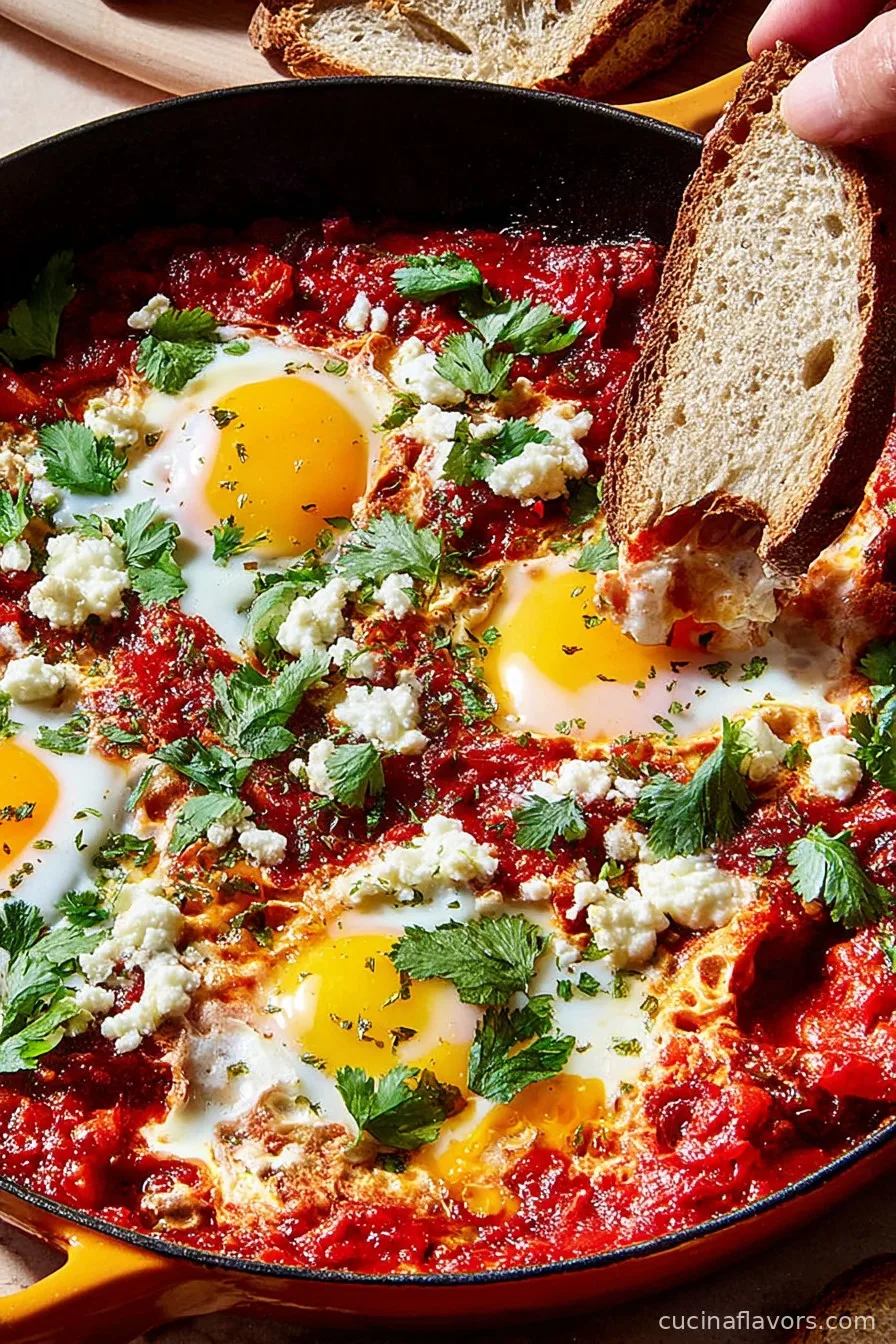
The name shakshuka means 'a mixture' in Arabic, which pays homage to the delicious, rustic medley of ingredients found bubbling in a single skillet. Its bold flavors and comforting textures make shakshuka the perfect centerpiece for sharing with friends and family.
Originally popularized by Jewish communities in Tunisia and Libya, shakshuka became a classic Israeli dish and spread in popularity across Europe and beyond. The dish highlights the use of simple, affordable ingredients such as tomatoes, onions, peppers, and eggs, seasoned with earthy spices like cumin, paprika, and chili flakes.
Today, shakshuka is heralded as both a nourishing, easy-to-prepare recipe and a canvas for creative adaptations. Whether served with warm bread for mopping up the sauce, or as a main course paired with fresh salads and cheese, shakshuka offers endless possibilities for customization.
From spicier Tunisian versions to herby Mediterranean interpretations, this iconic dish continues to inspire creativity in kitchens worldwide. This comprehensive shakshuka recipe will guide you step-by-step through the process, from sourcing the best ingredients to plating the dish for optimal enjoyment.
Alongside the classic method, you'll also discover health benefits, serving suggestions, and creative twists to make shakshuka your own.
Ingredients
- 2 tablespoons olive oil
- 1 large onion, finely chopped
- 1 red bell pepper, diced
- 1 green bell pepper, diced
- 3 garlic cloves, minced
- 1 teaspoon ground cumin
- 1 teaspoon smoked paprika
- ¼ teaspoon chili flakes (optional)
- ½ teaspoon ground coriander
- 1 can (400g) crushed tomatoes (or 4 fresh ripe tomatoes, chopped)
- 2 tablespoons tomato paste
- Salt and black pepper to taste
- 4-6 large eggs
- 1 small bunch fresh parsley, chopped
- 1 small bunch fresh cilantro, chopped
- Crumbled feta cheese for garnish (optional)
- Warm crusty bread or pita, for serving
Instructions
- Heat olive oil in a large skillet or frying pan over medium heat. Add the chopped onion and sauté for about 5 minutes, or until translucent.
- Add both diced bell peppers to the pan and continue to cook for another 5-7 minutes, until softened.
- Stir in the minced garlic, ground cumin, smoked paprika, chili flakes (if using), and ground coriander. Sauté for 1 minute until fragrant.
- Pour in the crushed tomatoes and stir in the tomato paste. Season the sauce generously with salt and black pepper. Reduce heat to low, cover, and simmer for 10-15 minutes, stirring occasionally, until the sauce thickens.
- Taste and adjust the seasoning as needed. If the sauce becomes too thick, add a splash of water to reach your desired consistency.
- Use a spoon to create small wells in the sauce. Crack the eggs one at a time into each well. Cover the skillet and cook for 6-8 minutes, or until egg whites are set but yolks remain runny. For firmer yolks, cook an additional 2-3 minutes.
- Sprinkle chopped parsley, cilantro, and crumbled feta cheese (if desired) over the shakshuka. Remove from heat.
- Serve immediately, straight from the pan, with warm crusty bread or pita for dipping.
Nutritional Information
Shakshuka packs a nutritional punch, balancing protein, healthy fats, and an array of vitamins and minerals. A typical serving of shakshuka using the provided ingredient list (with four eggs and feta cheese) delivers approximately 250-300 calories.
The eggs offer high-quality protein, iron, and essential amino acids, making it a filling and energizing meal. Tomatoes and bell peppers are rich in vitamin C, potassium, antioxidants like lycopene, and other phytonutrients that support immune health and reduce inflammation.
Garlic and onions contribute beneficial compounds, such as allicin and quercetin, which are known for their heart-protective and anti-inflammatory effects. The olive oil provides a source of monounsaturated fats, aiding in absorption of fat-soluble nutrients and supporting heart health.
Shakshuka also offers dietary fiber, promoting healthy digestion when enjoyed with whole-grain bread or pita. The addition of feta cheese introduces calcium and probiotics, though it is optional for those watching sodium intake.
Overall, this dish is well-suited for balanced diets, supporting regular energy levels and essential nutrient intake without excess saturated fats or processed ingredients. Those on gluten-free diets can simply pair shakshuka with gluten-free bread or omit the bread entirely.
It is adaptable to vegetarian diets and can be made vegan if eggs are replaced by tofu or chickpea flour scramble. Always adjust serving sizes and accompaniments to fit your dietary needs.
Wine and Beverage Pairings
Shakshuka’s robust and spicy flavors pair beautifully with a variety of beverages. A light, refreshing sparkling wine or dry Prosecco cuts through the tomato sauce’s acidity. For red wine lovers, a fruit-forward Grenache or Pinot Noir, served slightly chilled, makes an excellent match.
Non-alcoholic options include citrusy mint lemonade, iced herbal teas (like hibiscus or mint), or even a tall glass of cold-brew coffee for brunch. In North African tradition, a strong, sweetened black tea with fresh mint is often served alongside shakshuka to balance the dish's spices.
Choose your pairing based on the time of day and your desired flavor profile for a complete and satisfying meal.
Cooking Tips and Variations
For perfectly authentic shakshuka, use ripe, in-season tomatoes for a deeper, naturally sweet sauce. Canned tomatoes work well for convenience, but you can blend them with a fresh tomato or two for extra brightness.
Sauté the onions and peppers slowly to bring out their natural sweetness, serving as the flavor foundation of the entire dish. Don't rush this step. For extra depth, lightly toast your cumin and coriander before adding them to the pan.
Spice level can be adjusted to your preference—Tunisian shakshuka tends to be spicier, so add more chili if desired. For a richer sauce, stir in a tablespoon of harissa paste or sprinkle in some sumac for tanginess.
You can also add vegetables like zucchini, spinach, or eggplant to increase fiber and flavor. For a dairy-free version, simply skip the feta or use a plant-based cheese. To achieve runny egg yolks, cover the skillet only partially and monitor closely; for more set yolks, cover tightly and extend cooking.
If making for a crowd, shakshuka can easily be doubled—use a larger pan and distribute eggs evenly throughout the sauce. Leftovers refrigerate well, but eggs are best eaten fresh.
Lastly, shakshuka is delicious for breakfast, brunch, lunch, or dinner—its versatility and one-pan preparation make it ideal for busy days or relaxed weekends.

Serving Suggestions
Shakshuka is traditionally enjoyed family-style, with the skillet placed in the center of the table and everyone dipping in with fresh bread or pita. To serve, garnish the dish with a generous sprinkle of chopped fresh parsley, cilantro, and optional feta cheese.
Offer a basket of warm, sliced rustic bread, multigrain rolls, or soft pita for scooping up every last bit of sauce. For a full brunch spread, serve your shakshuka alongside crisp cucumber and tomato salad, marinated olives, or a dollop of creamy labneh or Greek yogurt.
Shakshuka also pairs beautifully with roasted potatoes or a finely shredded cabbage slaw for added texture. Transform your shakshuka into a main course by adding accompaniments like avocado slices, grilled halloumi, or a handful of arugula on the side.
For an elegant presentation, spoon individual servings into wide bowls and set a wedge of lemon on the side for squeezing over the top. The dish is typically served hot, straight from the pan, but leftovers make a satisfying, cold breakfast or lunch when paired with crusty bread.
Regardless of how you present it, shakshuka is meant to be shared, making it a convivial and festive addition to any occasion.
Health Benefits
Shakshuka stands out not only for its rich flavors but also for its substantial health benefits. Eggs are an excellent source of high-quality protein as well as key nutrients like vitamin D, B12, selenium, and choline, which contribute to energy production, brain function, and maintenance of healthy red blood cells.
The tomato sauce, filled with garlic, onions, and bell peppers, supplies antioxidants such as lycopene, flavonoids, and vitamin C, all of which play vital roles in reducing oxidative stress and supporting immune health.
Olive oil is rich in monounsaturated fats, which have been linked to lower cholesterol and a decreased risk of heart disease. Thanks to its combination of proteins and slow-digesting carbs (when served with whole-grain bread), shakshuka helps stabilize blood sugar and lends a prolonged sense of fullness.
The use of fresh herbs like cilantro and parsley not only enhances flavor but also introduces vitamins, minerals, and plant compounds that promote detoxification and digestive comfort. The dish is naturally gluten-free if enjoyed without bread and easily adapts to vegetarian and dairy-free diets.
With its anti-inflammatory ingredients and absence of highly processed components, shakshuka is a wholesome choice to support overall wellness.
Frequently Asked Questions
You can prepare the sauce in advance and refrigerate it for up to 2 days. When ready to serve, reheat the sauce, make wells, and add fresh eggs to poach just before serving for optimal texture.
Shakshuka can be as mild or as spicy as you prefer. Adjust the amount of chili flakes and add harissa or hot sauce according to your taste for extra heat.
Absolutely! Popular additions include spinach, zucchini, eggplant, and even chickpeas. For extra protein, try adding sausage, merguez, or tofu if desired.
Watch the pan closely once you add eggs. Cover the skillet to cook the whites but aim to keep the yolks runny by checking doneness after about six minutes and removing from heat promptly.
It’s best to freeze the sauce without eggs. For make-ahead meals, freeze the tomato-pepper base in a container for up to 2 months, then thaw, reheat, and add eggs fresh when serving.
Shakshuka is a celebration of simple, wholesome ingredients transformed through the alchemy of spices and gentle poaching. Its comforting flavors, rich colors, and nourishing qualities make it a versatile recipe that works for breakfast, brunch, lunch, or dinner. Ideal for sharing, shakshuka brings people together around the table and invites creative twists to suit any palate. Whether you stick to the classic version or experiment with new additions, this dish will quickly become a favorite in your kitchen. Embrace the warm, communal spirit of shakshuka and savor every bite of this timeless culinary treasure.
Ingredients
- 2 tablespoons olive oil
- 1 large onion, finely chopped
- 1 red bell pepper, diced
- 1 green bell pepper, diced
- 3 garlic cloves, minced
- 1 teaspoon ground cumin
- 1 teaspoon smoked paprika
- ¼ teaspoon chili flakes (optional)
- ½ teaspoon ground coriander
- 1 can (400g) crushed tomatoes (or 4 fresh ripe tomatoes, chopped)
- 2 tablespoons tomato paste
- Salt and black pepper to taste
- 4-6 large eggs
- 1 small bunch fresh parsley, chopped
- 1 small bunch fresh cilantro, chopped
- Crumbled feta cheese for garnish (optional)
- Warm crusty bread or pita, for serving
Instructions
-
1Heat olive oil in a large skillet or frying pan over medium heat. Add the chopped onion and sauté for about 5 minutes, or until translucent.
-
2Add both diced bell peppers to the pan and continue to cook for another 5-7 minutes, until softened.
-
3Stir in the minced garlic, ground cumin, smoked paprika, chili flakes (if using), and ground coriander. Sauté for 1 minute until fragrant.
-
4Pour in the crushed tomatoes and stir in the tomato paste. Season the sauce generously with salt and black pepper. Reduce heat to low, cover, and simmer for 10-15 minutes, stirring occasionally, until the sauce thickens.
-
5Taste and adjust the seasoning as needed. If the sauce becomes too thick, add a splash of water to reach your desired consistency.
-
6Use a spoon to create small wells in the sauce. Crack the eggs one at a time into each well. Cover the skillet and cook for 6-8 minutes, or until egg whites are set but yolks remain runny. For firmer yolks, cook an additional 2-3 minutes.
-
7Sprinkle chopped parsley, cilantro, and crumbled feta cheese (if desired) over the shakshuka. Remove from heat.
-
8Serve immediately, straight from the pan, with warm crusty bread or pita for dipping.
Approximate Information for One Serving
Nutrition Disclaimers
Number of total servings shown is approximate. Actual number of servings will depend on your preferred portion sizes.
Nutritional values shown are general guidelines and reflect information for 1 serving using the ingredients listed, not including any optional ingredients. Actual macros may vary slightly depending on specific brands and types of ingredients used.
To determine the weight of one serving, prepare the recipe as instructed. Weigh the finished recipe, then divide the weight of the finished recipe (not including the weight of the container the food is in) by the desired number of servings. Result will be the weight of one serving.
Did you make this recipe?
Please consider Pinning it!

Leave a Reply