
High Protein Mujadara (Lentils and Rice) is a beloved Middle Eastern staple that has nourished families across generations. Traditionally made from lentils, rice, and caramelized onions, mujadara is simple yet deeply satisfying.
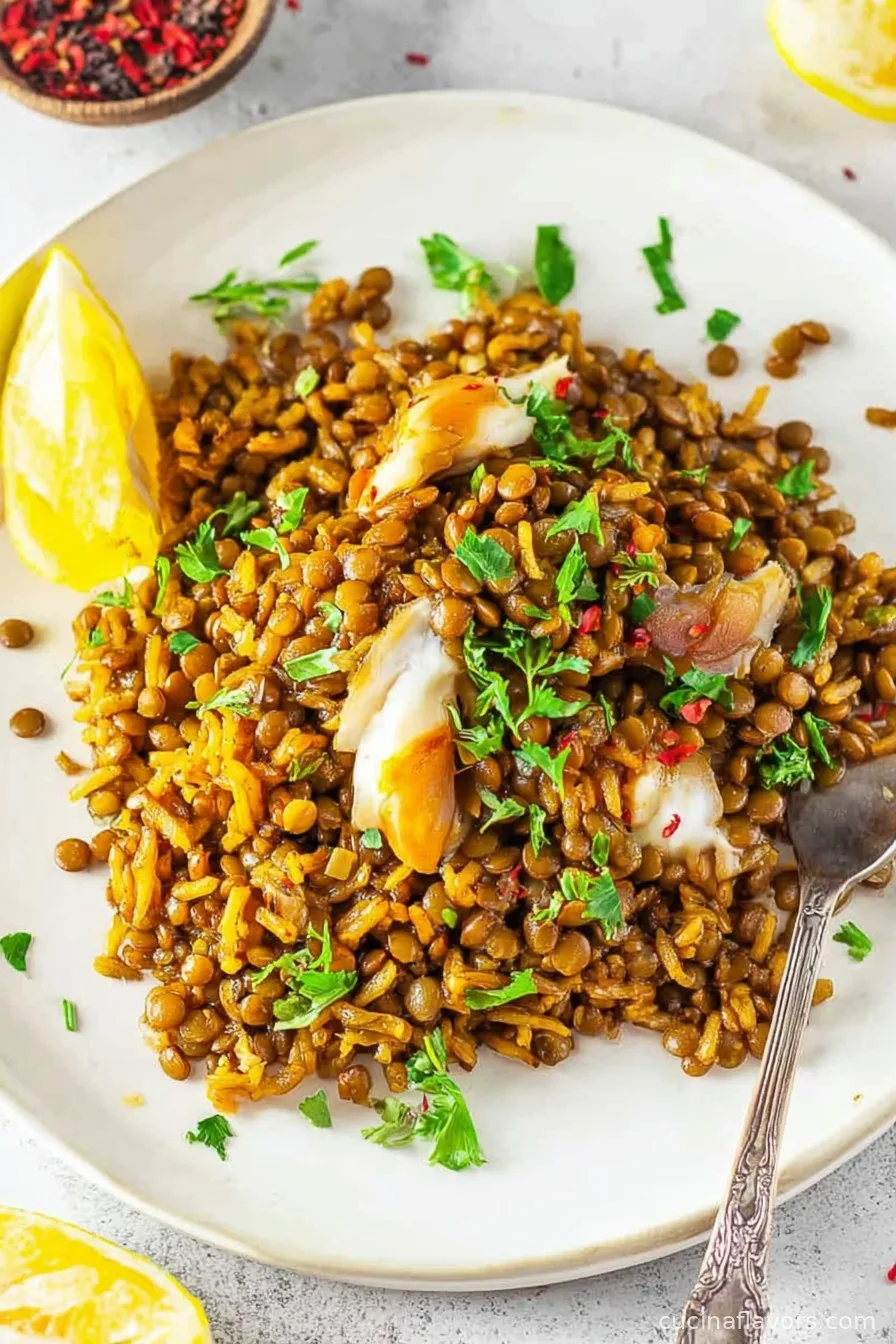
Lentils and rice come together to create a hearty, wholesome meal that is naturally vegan, high in protein, and full of fiber. In this updated, high protein version of mujadara, we enhance the classic recipe by selecting protein-rich lentils, adding more aromatic spices, and incorporating nutritious garnishes.
This ensures a hearty dish that is both a complete protein source and incredibly flavorful. Historically, mujadara has its roots in the Levant region, enjoyed in countries such as Lebanon, Syria, Palestine, and Jordan. Its principal ingredients were chosen for their affordability, sustenance, and remarkable nutritional profile.
This simple yet versatile dish was commonly eaten during times of fasting or on meatless days, becoming an essential comfort food for many. Its reputation as a 'dish for kings and peasants alike' highlights its universal appeal.
Whether you are prioritizing plant-based protein, looking for a meal prep-friendly recipe, or exploring classic Middle Eastern flavors, High Protein Mujadara (Lentils and Rice) is an excellent choice. Aromatic cumin, coriander, and cinnamon add depth, while crispy, caramelized onions provide a rich umami punch.
This recipe is easy to prepare, suitable for weeknight dinners, and even better the next day. Served warm or at room temperature, it promises to become a staple in your kitchen, catering to modern dietary needs while celebrating time-honored culinary traditions.
Ingredients
- 1 cup brown or green lentils, rinsed and drained
- ¾ cup long-grain brown rice (or basmati rice for a lighter texture)
- 3 large yellow onions, thinly sliced
- 3 tablespoons olive oil, divided
- 1 teaspoon ground cumin
- ½ teaspoon ground coriander
- ½ teaspoon ground cinnamon
- ½ teaspoon black pepper
- 1 teaspoon sea salt, or to taste
- 4 cups low-sodium vegetable broth (or water)
- 1 bay leaf
- 1 cup cooked chickpeas (optional for added protein)
- ¼ cup fresh parsley, finely chopped
- ¼ cup fresh cilantro, chopped (optional)
- 1 lemon, cut into wedges for serving
Instructions
- Heat 2 tablespoons of olive oil in a large skillet or heavy-bottomed saucepan over medium heat. Add the sliced onions and a pinch of salt. Cook, stirring often, for 20-30 minutes until the onions are deeply caramelized and golden brown. Remove half of the onions for garnishing later.
- Add the remaining tablespoon of olive oil to the same pan. Stir in the cumin, coriander, cinnamon, and ground black pepper to bloom the spices for 30 seconds.
- Add the rinsed lentils and stir to coat them evenly in the spices and oil. Pour in the vegetable broth and add the bay leaf. Bring to a boil, then reduce the heat, cover, and simmer for 10-12 minutes.
- Stir in the rice. Replace the lid and continue simmering for 25-30 minutes or until both the lentils and rice are tender and the liquid is absorbed. If using, stir in cooked chickpeas for extra protein during the last 5 minutes of cooking.
- Taste and adjust salt as needed. Discard the bay leaf.
- Let the mujadara rest, covered, for 5 minutes before fluffing with a fork.
- Transfer to a serving platter. Top with reserved caramelized onions, chopped parsley, cilantro if using, and lemon wedges on the side.
- Serve warm or at room temperature for best flavor.
Nutritional Information
High Protein Mujadara (Lentils and Rice) is a powerhouse of plant-based nutrition, making it an excellent choice for those prioritizing health and sustainability.
A single serving (about 1.5 cups) provides an estimated 320-340 calories, featuring 14-18 grams of protein (especially if chickpeas are included), 60 grams of complex carbohydrates, and only 5-7 grams of fat.
The combination of lentils and rice offers a complete protein source, as the amino acids in each ingredient complement one another. Lentils are also a great source of iron, folate, potassium, and magnesium, all of which contribute to cardiovascular and metabolic health.
The onions, especially when caramelized, add a subtle, nutritious sweetness and are rich in antioxidants. The olive oil used for sautéing provides healthy monounsaturated fats, which are beneficial for maintaining optimal cholesterol levels.
This recipe is cholesterol-free, has no trans fats, and is rich in dietary fiber, with each serving containing up to 12 grams of fiber, aiding in digestion and promoting a lasting feeling of fullness. The spices, such as cumin and cinnamon, offer anti-inflammatory properties and essential phytonutrients.
Preparing High Protein Mujadara (Lentils and Rice) requires minimal processed ingredients, making it a clean, wholesome choice compared to traditional comfort foods. All of this adds up to a dish that is as good for your body as it is satisfying for your palate, supporting holistic wellness and balanced nutrition.

Wine and Beverage Pairings
High Protein Mujadara (Lentils and Rice) pairs beautifully with fresh, vibrant beverages that echo its Middle Eastern origins. For a traditional experience, serve with mint tea, either hot or iced, as its herbal notes complement the earthy flavors of lentils and spices.
For wine enthusiasts, a crisp and aromatic white such as Sauvignon Blanc or a dry Riesling provides a refreshing contrast to the dish’s savory depth. Dry roses with herbal undertones also work well, as do light-bodied reds like Pinot Noir, which accentuate the spices without overwhelming the palate.
Non-alcoholic options include a cucumber-yogurt drink (ayran) or a simple lemon water garnished with fresh mint. This array of pairings ensures there is a beverage to suit every occasion, from casual lunches to festive gatherings.
Cooking Tips and Variations
To perfect your High Protein Mujadara (Lentils and Rice), use high-quality brown or green lentils, as these varieties hold their shape better during cooking. Soaking lentils for 20-30 minutes before cooking can slightly reduce cooking time and ensure even texture.
If you prefer a lighter texture, opt for long-grain basmati rice and rinse it thoroughly before use. Adding cooked chickpeas in the final stage not only boosts the protein content but also creates a heartier dish.
For extra depth of flavor, toast the spices briefly in the pan before adding the lentils and rice—this step unlocks their essential oils and fragrance. If you love a smoky taste, consider adding a touch of smoked paprika or a cinnamon stick during simmering.
Customize the garnish to your liking; fresh mint or a dollop of unsweetened plant yogurt can provide a refreshing finish. For convenience, prepare the caramelized onions in advance or make a larger batch to use across multiple recipes.
You can scale the recipe for meal prep, as it reheats well and tastes even more robust the next day. For a nutty crunch, top your mujadara with toasted pine nuts or slivered almonds.
Lastly, always adjust salt to taste, especially if using store-bought broth which can vary in sodium levels. This flexibility ensures High Protein Mujadara (Lentils and Rice) suits every palate and dietary need.

Serving Suggestions
Serving High Protein Mujadara (Lentils and Rice) is as versatile as the recipe itself. Traditionally, it is laid out on a large platter and sprinkled generously with the crispy, caramelized onions and fresh herbs, inviting everyone to dig in family-style.
This communal way of serving not only honors the Levantine spirit of sharing but also makes it perfect for gatherings and potlucks.
For a balanced meal, serve mujadara alongside crisp cucumber-tomato salad dressed with lemon and olive oil, or tangy pickled vegetables, which cut through the richness of the caramelized onions. Add a dollop of plant-based yogurt or labneh on the side for extra creaminess and probiotic benefits.
Lemon wedges are essential; a good squeeze over each serving brings brightness and enhances the dish’s natural flavors. When serving as meal prep, pack mujadara with roasted seasonal vegetables or fresh greens for a wholesome, portable lunch.
For a heartier dinner, pair with warm pita bread and a mezze platter including hummus or baba ghanoush. Since the dish is equally delicious at room temperature or slightly chilled, it’s also a great option for picnics and box lunches.
The flavors mature as it rests, so leftovers are even more flavorful the next day. With its ability to adapt to every serving scenario, High Protein Mujadara (Lentils and Rice) is truly a staple meant for sharing and savoring.
Health Benefits
High Protein Mujadara (Lentils and Rice) is celebrated not only for its exceptional taste but also its substantial health benefits. Lentils are a powerhouse of plant protein, essential for muscle repair, growth, and overall metabolic function.
Combining lentils with rice yields a complete protein, important for those following vegan or vegetarian diets. The high fiber content aids digestive health, maintains blood sugar stability, and promotes satiety, supporting healthy weight management.
Additionally, lentils are rich in iron, which is vital for energy and healthy blood function, while olive oil offers heart-friendly unsaturated fats that can help maintain optimal cholesterol levels.
The spices, including cumin and cinnamon, deliver antioxidant and anti-inflammatory properties that support immune health and may reduce the risk of chronic diseases. Onions, both as a base and garnish, are packed with flavonoids that bolster cardiovascular wellbeing and are beneficial for gut microbiota.
For those seeking lower glycemic-index meals, mujadara is ideal, especially when prepared with brown rice. Its dairy-free, gluten-free, and vegan profile makes it suitable for a wide range of diets, including individuals managing allergies or intolerances.
By choosing whole, minimally processed ingredients, High Protein Mujadara (Lentils and Rice) delivers a nourishing, balanced meal designed to support long-term wellness, proving that comfort food can be both satisfying and powerfully health-promoting.
Frequently Asked Questions
Yes, you can use long-grain brown rice, white basmati, or even short-grain rice. Adjust the simmering time according to the rice variety to ensure both lentils and rice are perfectly cooked.
Store leftovers in an airtight container in the refrigerator for up to 5 days. Mujadara reheats well in the microwave or on the stovetop with a splash of water to loosen it up.
Absolutely. Freeze portions in freezer-safe containers for up to 3 months. Defrost overnight in the refrigerator and reheat as usual. Garnish with fresh herbs after reheating for best flavor.
While traditional mujadara is made with olive oil for caramelizing onions, you can make an oil-free version by sautéing onions in a nonstick pan with water or vegetable broth. Texture will differ, but you'll keep the dish low-fat.
High Protein Mujadara pairs well with Middle Eastern salads, pickles, flatbreads, and dishes like hummus or baba ghanoush, making a flavorful and balanced feast.
High Protein Mujadara (Lentils and Rice) bridges the gap between culinary heritage and modern nutrition. Combining the humble yet nutrient-rich lentil with savory rice, aromatic spices, and golden caramelized onions, this dish is as flavorful as it is filling. The added protein content makes it ideal for vegans, vegetarians, athletes, and anyone in search of a wholesome, plant-focused meal. Its simple ingredients and straightforward preparation mean it's accessible for any home cook, while its versatility ensures it shines in both casual and formal settings. With each bite, you’ll experience the warmth of traditional flavors and the confidence of nourishing your body. Let High Protein Mujadara (Lentils and Rice) become a favorite in your repertoire—a dish you’ll revisit again and again for its taste, nutrition, and ability to bring people together.
Ingredients
- 1 cup brown or green lentils, rinsed and drained
- ¾ cup long-grain brown rice (or basmati rice for a lighter texture)
- 3 large yellow onions, thinly sliced
- 3 tablespoons olive oil, divided
- 1 teaspoon ground cumin
- ½ teaspoon ground coriander
- ½ teaspoon ground cinnamon
- ½ teaspoon black pepper
- 1 teaspoon sea salt, or to taste
- 4 cups low-sodium vegetable broth (or water)
- 1 bay leaf
- 1 cup cooked chickpeas (optional for added protein)
- ¼ cup fresh parsley, finely chopped
- ¼ cup fresh cilantro, chopped (optional)
- 1 lemon, cut into wedges for serving
Instructions
-
1Heat 2 tablespoons of olive oil in a large skillet or heavy-bottomed saucepan over medium heat. Add the sliced onions and a pinch of salt. Cook, stirring often, for 20-30 minutes until the onions are deeply caramelized and golden brown. Remove half of the onions for garnishing later.
-
2Add the remaining tablespoon of olive oil to the same pan. Stir in the cumin, coriander, cinnamon, and ground black pepper to bloom the spices for 30 seconds.
-
3Add the rinsed lentils and stir to coat them evenly in the spices and oil. Pour in the vegetable broth and add the bay leaf. Bring to a boil, then reduce the heat, cover, and simmer for 10-12 minutes.
-
4Stir in the rice. Replace the lid and continue simmering for 25-30 minutes or until both the lentils and rice are tender and the liquid is absorbed. If using, stir in cooked chickpeas for extra protein during the last 5 minutes of cooking.
-
5Taste and adjust salt as needed. Discard the bay leaf.
-
6Let the mujadara rest, covered, for 5 minutes before fluffing with a fork.
-
7Transfer to a serving platter. Top with reserved caramelized onions, chopped parsley, cilantro if using, and lemon wedges on the side.
-
8Serve warm or at room temperature for best flavor.
Approximate Information for One Serving
Nutrition Disclaimers
Number of total servings shown is approximate. Actual number of servings will depend on your preferred portion sizes.
Nutritional values shown are general guidelines and reflect information for 1 serving using the ingredients listed, not including any optional ingredients. Actual macros may vary slightly depending on specific brands and types of ingredients used.
To determine the weight of one serving, prepare the recipe as instructed. Weigh the finished recipe, then divide the weight of the finished recipe (not including the weight of the container the food is in) by the desired number of servings. Result will be the weight of one serving.
Did you make this recipe?
Please consider Pinning it!

Leave a Reply