
High Protein Lentil Curry is a delicious and satisfying dish that has been delighting taste buds across the globe for centuries.
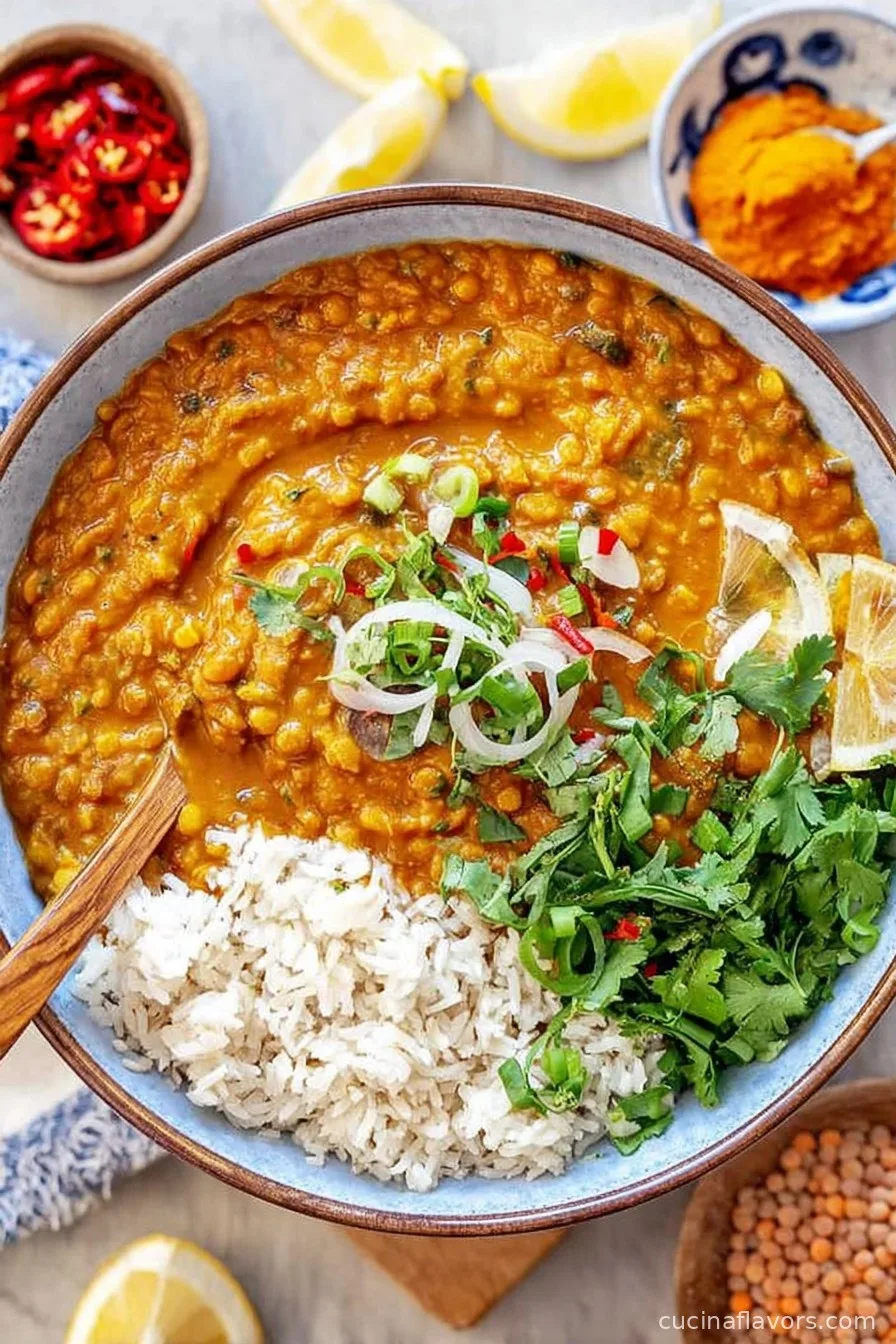
Lentil curry, commonly known as dal in South Asian cuisine, is an integral part of Indian food culture but has since found its way into global kitchens due to its remarkable taste, versatility, and nutritional benefits.
This recipe for High Protein Lentil Curry is designed for those seeking a filling, plant-based meal that supports muscle growth, satiety, and overall wellness. Lentils, the star of the dish, are celebrated for their high protein content, dietary fiber, and essential micronutrients.
They serve as an excellent alternative to animal protein, making this curry a go-to for vegetarians, vegans, and anyone looking to add more plant-based proteins to their diet. The primary keyphrase, High Protein Lentil Curry, embodies the essence of this meal—nutrient-dense, flavorful, and deeply satisfying.
Aromatic spices, hearty tomatoes, and wholesome vegetables combine to create a symphony of flavors that are both comforting and energizing. Throughout history, lentil curries have served not only as a staple comfort food but also as a nutritious meal for those requiring sustaining energy.
Today, this protein-rich recipe offers an easy, customizable way to enjoy the health benefits of legumes, all while savoring an enticing fusion of flavors.
Whether you're meal prepping for the week, looking to fuel post-workout recovery, or simply craving a comforting dish, this High Protein Lentil Curry promises to deliver on both taste and nutrition.
Ingredients
- 1 cup dry brown or green lentils, rinsed and drained
- 1 medium onion, finely chopped
- 3 garlic cloves, minced
- 1-inch piece of fresh ginger, grated
- 2 medium tomatoes, diced
- 1 large carrot, chopped
- 1 bell pepper, chopped
- 2 cups fresh spinach or kale, roughly chopped
- 1 tablespoon olive oil or coconut oil
- 1 teaspoon cumin seeds
- 1 teaspoon ground turmeric
- 1 teaspoon ground coriander
- 1 teaspoon ground cumin
- 1 teaspoon garam masala
- ½ teaspoon chili powder (adjust to taste)
- ¼ teaspoon ground black pepper
- ½ teaspoon salt (or more to taste)
- 3 to 4 cups water or low-sodium vegetable broth
- 1 cup light coconut milk (optional for creaminess)
- Juice of 1 lemon
- Fresh cilantro, chopped, for garnish
Instructions
- Heat the olive oil in a large pot over medium heat. Add the cumin seeds and toast them for about 30 seconds until fragrant.
- Add the chopped onions and sauté for 3-4 minutes until they turn golden and translucent.
- Mix in the minced garlic and grated ginger, stirring for another minute to release their aromas.
- Add the chopped carrots and bell pepper, cooking for 2-3 minutes to soften them slightly.
- Stir in the diced tomatoes and all the ground spices: turmeric, coriander, cumin, garam masala, chili powder, black pepper, and salt. Sauté for about 5 minutes until the tomatoes break down and the mixture turns saucy.
- Add the rinsed lentils and pour in 3 cups of water or vegetable broth. Stir well to combine all ingredients.
- Bring the mixture to a gentle boil, then reduce the heat to a simmer. Cover the pot and cook for 25-30 minutes, stirring occasionally, until the lentils are tender and the curry thickens. Add more water if needed to reach your desired consistency.
- Once the lentils are cooked, add the chopped spinach or kale. Stir and let them wilt into the curry for about 3 minutes.
- For a creamy texture, pour in the coconut milk, stirring gently to combine. Allow the curry to simmer for an additional 2-3 minutes.
- Finish by adding the lemon juice for brightness. Taste and adjust seasonings if needed.
- Garnish with fresh chopped cilantro before serving.
Nutritional Information
High Protein Lentil Curry is a nutritional powerhouse, making it an excellent choice for healthy meals and balanced diets. One serving (roughly one cup) offers approximately 270 to 320 calories, depending on the specific ingredients and portion sizes used.
Each serving provides around 15-18 grams of protein, derived primarily from lentils and optional vegetables. Lentils are rich in essential amino acids, offering a complete protein profile when paired with grains, such as rice or whole wheat bread.
The dish is also abundant in dietary fiber, with 9-12 grams per serving, which helps support digestive health and promotes satiety. This curry is low in saturated fat, especially when prepared with olive oil and light coconut milk, and contains heart-healthy fats.
Vitamins A, C, K, and B-complex are provided by the carrots, spinach, and bell peppers, while minerals such as iron, magnesium, potassium, and zinc contribute to overall vitality. The robust mix of spices adds powerful antioxidants and anti-inflammatory compounds, enhancing the dish's health benefits.
The absence of gluten and use of whole, unprocessed ingredients makes the curry suitable for gluten-free diets. Those watching their sodium intake can opt for low-sodium broth and salt alternatives.
Overall, High Protein Lentil Curry is a well-balanced, nourishing option that delivers sustained energy, fuels muscle recovery, and supports comprehensive health.
Wine and Beverage Pairings
A hearty High Protein Lentil Curry pairs beautifully with a variety of beverages. For a traditional touch, consider serving it with a refreshing glass of unsweetened lassi or coconut water, both of which help balance the warmth of the spices.
If you prefer non-alcoholic options, a citrus-infused iced green tea complements the savory notes and aids digestion. For wine enthusiasts, a light, fruity white wine such as Riesling or Gewürztraminer works well, offering a subtle sweetness that contrasts the curry's rich spices.
Alternatively, a medium-bodied red like Pinot Noir can also shine with this dish, especially when the curry is served with earthy grains. For a cozy winter pairing, enjoy the curry with a cup of spiced chai or ginger tea to enhance the robust flavors.
Ultimately, choose beverages that refresh the palate and harmonize with the curry’s aromatic profile.
Cooking Tips and Variations
To create the most delicious High Protein Lentil Curry, there are several tips and possible variations to consider. Firstly, choosing the right lentils is key—brown, green, or black lentils are best for retaining shape and a hearty texture.
For an even higher protein content, consider adding a cup of cooked chickpeas or diced, firm tofu near the end of cooking. To introduce unique flavors, experiment with spice blends such as curry leaves, fennel seeds, or a touch of smoked paprika for depth.
For those who prefer a spicier kick, include a chopped green chili or increase the chili powder amount. If a creamier consistency is desired without coconut milk, blend a portion of the cooked curry and stir it back in.
Additionally, you can incorporate seasonal vegetables, such as zucchini, sweet potatoes, or peas, to boost nutrient variety. For a milder curry, omit the chili powder and use sweet paprika. Pre-soaking lentils for 1-2 hours can reduce cooking time and enhance digestibility.
Those seeking a lower-fat version can prepare the curry without any oil, opting to sauté the base with a splash of vegetable broth. Batch cooking and freezing portions ensure quick meals throughout the week, and this curry's flavor deepens after a day’s rest in the refrigerator.
Finally, for those with nut allergies, skip garnishes like cashews and stick to fresh herbs.

Serving Suggestions
High Protein Lentil Curry is an incredibly versatile dish that can be served in numerous ways to suit every occasion and palate. Traditionally, it is enjoyed with steamed basmati rice or brown rice, which creates a classic and satisfying pairing.
For a balanced, protein-complete meal, consider serving the curry alongside whole grain flatbreads such as chapati, naan, or gluten-free roti. Add a simple cucumber and tomato salad, or a dollop of dairy-free yogurt, to cool the palate and complement the warming spices.
This curry makes an excellent centerpiece for a family-style meal or buffet, where each guest can personalize their plate with assorted garnishes like fresh cilantro, lemon wedges, or sliced green chilies. For those keeping an eye on carbohydrates, try pairing the curry with cauliflower rice or spiralized zucchini.
High Protein Lentil Curry also works wonderfully as a meal prep option; simply portion it into containers with a side of seasoned quinoa or farro for a week’s worth of easy lunches or dinners.
For a vibrant presentation, serve the curry in shallow bowls, garnished generously with fresh herbs, a sprinkle of toasted seeds, and a wedge of lemon on the side. Whether enjoyed as a nourishing solo dish or as part of a larger spread, this satisfying curry remains a crowd-pleaser for all.
Health Benefits
One of the standout qualities of High Protein Lentil Curry is its numerous health benefits, which stem from the combination of whole-food ingredients and protein-rich lentils.
Lentils are a nutritional powerhouse, supplying not only significant plant-based protein but also iron, potassium, manganese, and folate—nutrients that are essential for metabolic health, red blood cell production, and nervous system function.
The fiber content in lentils and vegetables aids in stabilizing blood sugar levels, promoting gut health, and reducing cholesterol. The addition of spices such as turmeric, cumin, and coriander not only enhances flavor but also contributes antioxidant and anti-inflammatory properties, supporting the immune system and aiding digestion.
The curry's low saturated fat content supports heart health, while the inclusion of leafy greens like spinach or kale delivers vitamins A, C, and K, plus magnesium and calcium for bone strength. High Protein Lentil Curry is naturally gluten-free, making it suitable for those with celiac disease or gluten sensitivities.
Moreover, its vegan composition means it is free from cholesterol and lactose, reducing common allergens. Regular consumption of dishes like this curry can help maintain a healthy weight, support muscle maintenance, and improve overall vitality, all while providing a deeply satisfying and delicious meal.
Frequently Asked Questions
Yes, High Protein Lentil Curry freezes very well. Allow the curry to cool completely, then transfer it to airtight, freezer-safe containers. It will maintain its flavor and texture for up to 3 months in the freezer. Reheat gently on the stovetop, adding a splash of water or broth to adjust the consistency as needed.
Absolutely. This recipe is both vegan and gluten-free as written. Just ensure you use gluten-free vegetable broth and check that any additional ingredients, such as bread or grains served alongside, are also gluten-free if needed.
To further boost the protein content, add cooked chickpeas, black beans, or diced firm tofu in the last 10 minutes of simmering. You can also serve the curry with a side of quinoa or pair it with seeds and nuts, if preferred.
Red lentils can be used, but they cook faster and tend to break down, resulting in a thicker, softer texture. If you prefer a chunkier curry, stick with brown or green lentils, but red lentils work great for a creamier finish.
The spice level is easily adjustable. The recipe provides mild to medium heat, but you can reduce or omit the chili powder for a milder curry, or add fresh green chilies for extra heat based on your preference.
In summary, High Protein Lentil Curry is the perfect fusion of flavor, nutrition, and versatility. It serves as an outstanding plant-based meal for anyone looking to increase their protein intake in a tasty, wholesome way. The combination of lentils, vibrant vegetables, and aromatic spices delivers an irresistibly hearty dish that suits a wide range of dietary needs, from vegan to gluten-free. Its health benefits are abundant, supporting overall wellness and making it a smart addition to your weekly meal rotation. Easy to prepare, meal prep-friendly, and customizable, this curry is sure to become a staple in your kitchen. Give this High Protein Lentil Curry a try, and enjoy the robust flavors and nutritional perks it brings to your table.
Ingredients
- 1 cup dry brown or green lentils, rinsed and drained
- 1 medium onion, finely chopped
- 3 garlic cloves, minced
- 1-inch piece of fresh ginger, grated
- 2 medium tomatoes, diced
- 1 large carrot, chopped
- 1 bell pepper, chopped
- 2 cups fresh spinach or kale, roughly chopped
- 1 tablespoon olive oil or coconut oil
- 1 teaspoon cumin seeds
- 1 teaspoon ground turmeric
- 1 teaspoon ground coriander
- 1 teaspoon ground cumin
- 1 teaspoon garam masala
- ½ teaspoon chili powder (adjust to taste)
- ¼ teaspoon ground black pepper
- ½ teaspoon salt (or more to taste)
- 3 to 4 cups water or low-sodium vegetable broth
- 1 cup light coconut milk (optional for creaminess)
- Juice of 1 lemon
- Fresh cilantro, chopped, for garnish
Instructions
-
1Heat the olive oil in a large pot over medium heat. Add the cumin seeds and toast them for about 30 seconds until fragrant.
-
2Add the chopped onions and sauté for 3-4 minutes until they turn golden and translucent.
-
3Mix in the minced garlic and grated ginger, stirring for another minute to release their aromas.
-
4Add the chopped carrots and bell pepper, cooking for 2-3 minutes to soften them slightly.
-
5Stir in the diced tomatoes and all the ground spices: turmeric, coriander, cumin, garam masala, chili powder, black pepper, and salt. Sauté for about 5 minutes until the tomatoes break down and the mixture turns saucy.
-
6Add the rinsed lentils and pour in 3 cups of water or vegetable broth. Stir well to combine all ingredients.
-
7Bring the mixture to a gentle boil, then reduce the heat to a simmer. Cover the pot and cook for 25-30 minutes, stirring occasionally, until the lentils are tender and the curry thickens. Add more water if needed to reach your desired consistency.
-
8Once the lentils are cooked, add the chopped spinach or kale. Stir and let them wilt into the curry for about 3 minutes.
-
9For a creamy texture, pour in the coconut milk, stirring gently to combine. Allow the curry to simmer for an additional 2-3 minutes.
-
10Finish by adding the lemon juice for brightness. Taste and adjust seasonings if needed.
-
11Garnish with fresh chopped cilantro before serving.
Approximate Information for One Serving
Nutrition Disclaimers
Number of total servings shown is approximate. Actual number of servings will depend on your preferred portion sizes.
Nutritional values shown are general guidelines and reflect information for 1 serving using the ingredients listed, not including any optional ingredients. Actual macros may vary slightly depending on specific brands and types of ingredients used.
To determine the weight of one serving, prepare the recipe as instructed. Weigh the finished recipe, then divide the weight of the finished recipe (not including the weight of the container the food is in) by the desired number of servings. Result will be the weight of one serving.
Did you make this recipe?
Please consider Pinning it!




Leave a Reply