
Butter Cake is a beloved classic in the world of baking, renowned for its rich flavor, buttery aroma, and tender crumb. This timeless dessert has graced family gatherings, birthdays, and tea tables for generations.
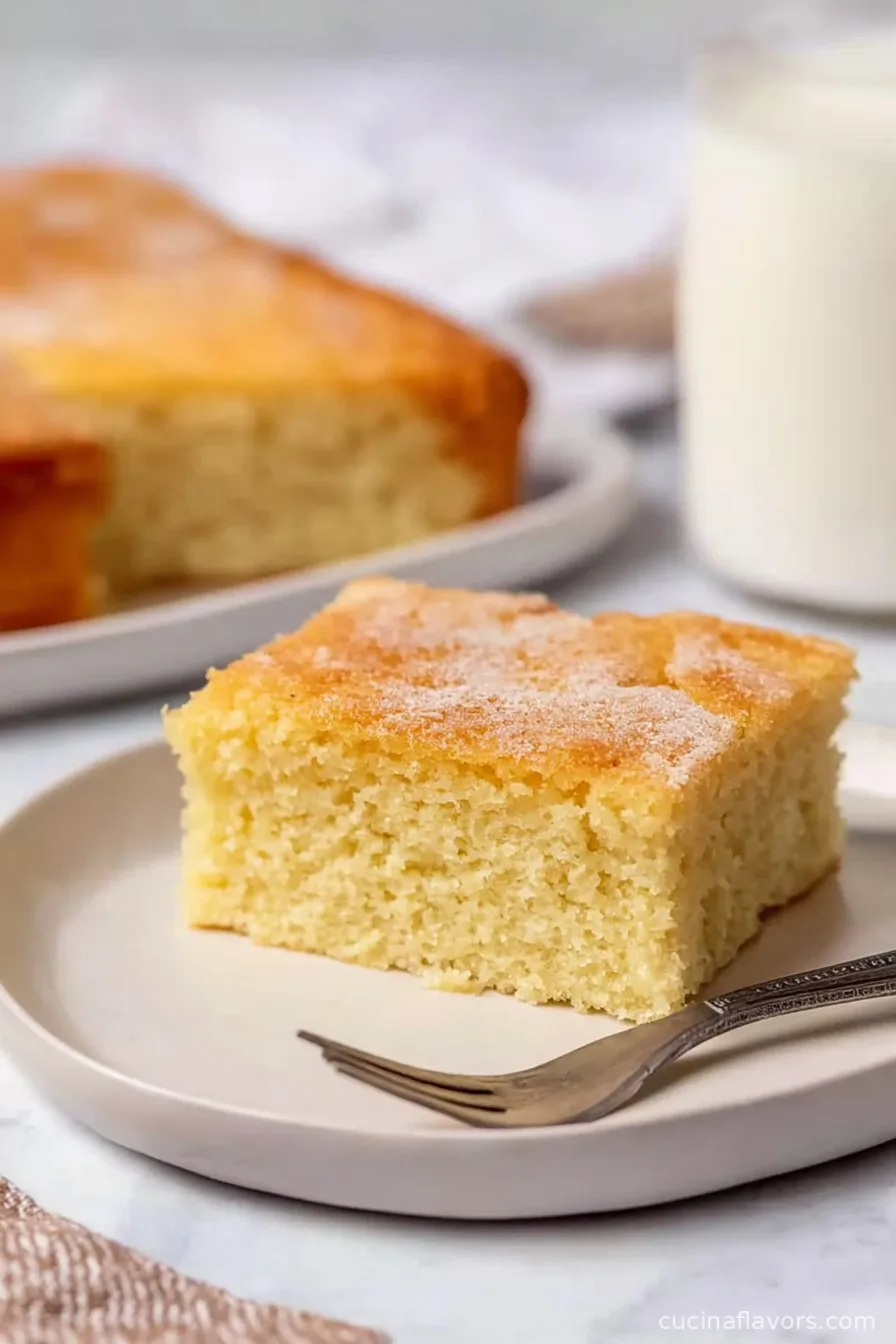
Originating in England and popularized in the United States in the 19th century, Butter Cake symbolizes comfort and hospitality. Its straightforward ingredients and simple technique have made it a staple for home bakers and expert pastry chefs alike.
The heart of a traditional Butter Cake lies in the high-quality butter, which imparts a distinct richness and depth to every bite. Whether enjoyed plain, with a light dusting of powdered sugar, or adorned with creamy frosting, a well-made Butter Cake is versatile enough to suit any occasion.
Variations across cultures have emerged, but the essential qualities—moist texture, subtle sweetness, and a golden crust—remain the same. Baking Butter Cake at home allows you to experience the warmth and pleasure that only a homemade cake can offer.
In this article, you’ll learn how to prepare a perfect Butter Cake step by step, explore historical context, and discover why this cake continues to charm generations.
By following these expertly curated instructions and handy tips, you’ll master the art of creating a flawless Butter Cake that will delight your friends and family.
Ingredients
- 2 ½ cups (315g) all-purpose flour
- 2 teaspoons baking powder
- ½ teaspoon salt
- 1 cup (226g) unsalted butter, room temperature
- 2 cups (400g) granulated sugar
- 4 large eggs, room temperature
- 1 teaspoon pure vanilla extract
- 1 cup (240ml) whole milk, room temperature
Instructions
- Preheat your oven to 350°F (175°C). Grease and flour a 9x13-inch cake pan or two 8-inch round pans.
- In a medium bowl, whisk together the all-purpose flour, baking powder, and salt. Set aside.
- In a large mixing bowl, cream the unsalted butter and granulated sugar together until light and fluffy, about 3-5 minutes, using an electric mixer on medium speed.
- Add eggs one at a time to the butter-sugar mixture, beating well after each addition. Mix in the pure vanilla extract.
- With the mixer on low speed, add the flour mixture in three parts, alternating with the milk. Begin and end with the flour mixture. Mix just until combined and smooth. Do not overmix.
- Pour the batter evenly into the prepared pan(s) and smooth the top with a spatula.
- Bake for 30-35 minutes, or until a toothpick inserted into the center of the cake comes out clean and the top is golden.
- Remove the cake from the oven and let it cool in the pan for 10 minutes. Then, turn out onto a wire rack to cool completely before slicing or frosting as desired.
Nutritional Information
A classic Butter Cake is undoubtedly indulgent but can fit into a balanced diet when enjoyed in moderation. For a typical serving size (1/12 of a 9x13-inch cake), you can expect approximately 330-370 calories, with most calories coming from healthy fats and carbohydrates.
Each slice provides about 17g of fat, of which 10g are saturated fats derived from butter, making it rich and satisfying. The carbohydrates mainly come from flour and sugar, totaling around 45g per serving, including approximately 25g of sugars.
Protein content stands at about 5g per slice, thanks to the wholesome eggs and milk. In terms of micronutrients, Butter Cake offers small amounts of calcium, iron, and vitamin A. However, due to its sugar and fat content, it’s best enjoyed as an occasional treat rather than a daily staple.
For those wishing to reduce calories or fat, you can experiment with lower-fat dairy or butter substitutes, though the signature moistness and flavor partly rely on real butter.
People with dietary restrictions, such as lactose intolerance or gluten sensitivity, should consider appropriate substitutions to ensure everyone at your table can enjoy this classic delight.

Wine and Beverage Pairings
Butter Cake pairs wonderfully with a variety of beverages that highlight its rich, buttery flavor. For those seeking an elegant pairing, opt for a lightly sweet white wine such as Moscato d’Asti or a crisp Chardonnay, which complements the cake’s richness without overpowering it.
A cold glass of sparkling wine can also add a festive touch. If you prefer non-alcoholic options, classic choices like fresh-brewed coffee or robust black tea provide a perfect counterpoint to the cake’s sweetness.
For a refreshing twist, serve Butter Cake with a chilled glass of milk or a light herbal tea, such as chamomile or lemon verbena. These beverages not only enhance the cake’s flavor but also provide a pleasing contrast, making each bite more enjoyable.
For special occasions, consider a dessert wine like Sauternes, which will amplify the cake’s creamy undertones and make your gathering even more memorable.
Cooking Tips and Variations
Creating the perfect Butter Cake requires attention to detail and a few tried-and-true techniques. First, always use room-temperature ingredients. This allows the butter and eggs to blend more easily, producing a smoother batter and more even rise.
Creaming the butter and sugar is a vital step—beat them together until the mixture is pale and fluffy, which helps trap air for a lighter cake texture. Avoid overmixing the batter after adding the flour; doing so can develop too much gluten and lead to a dense cake.
For an extra tender crumb, sift the dry ingredients before adding them in intervals. Variations on Butter Cake abound: for a citrus twist, add the zest of a lemon or orange to the batter.
You can substitute some of the milk with buttermilk for a slight tang or add almond extract for a new flavor dimension. If you prefer a richer cake, fold in a quarter cup of sour cream or creme fraiche.
Butter Cake can also serve as a versatile base for layering with fruit, chocolate chips, or flavored syrups. To accommodate different diets, consider using gluten-free flour blends or plant-based milk alternatives. Remember, the key to a beautiful Butter Cake lies in balancing tradition with your personal touches.

Serving Suggestions
Butter Cake shines as a dessert centerpiece, but its appeal extends far beyond the end of a meal. Serve slices of Butter Cake slightly warm or at room temperature, ideally within a few hours of baking to enjoy the full aroma and texture.
For an elegant presentation, dust each piece with powdered sugar, top with a dollop of freshly whipped cream, or drizzle with a simple vanilla glaze. In spring and summer, Butter Cake pairs beautifully with a medley of fresh berries or a spoonful of fruit compote.
For a truly decadent treat, consider serving it with a scoop of vanilla ice cream or a swirl of caramel sauce. If hosting a celebratory brunch, incorporate Butter Cake as part of a dessert buffet alongside fruit tarts and pastries.
Leftovers can be transformed into exquisite trifles or used to create layered parfaits with yogurt and fruit. Remember to use a sharp serrated knife for clean, even slices, and store any unused portions in an airtight container at room temperature for up to three days.
For longer storage, wrap slices well and freeze for up to two months. Whether for a celebratory occasion or a simple tea break, Butter Cake offers endless possibilities and memorable enjoyment for you and your guests.
Health Benefits
While Butter Cake is not considered a health food due to its high sugar and saturated fat content, enjoying it occasionally can have a positive impact on overall well-being when shared with friends and family, fostering social connection and happiness.
Butter provides fat-soluble vitamins like vitamin A, which is important for vision and immune health. Eggs contribute protein and choline, aiding brain function and muscle development. Milk in the recipe offers calcium for strong bones.
If you are mindful of your intake, consider enjoying smaller portions or replacing some ingredients with lower-fat or alternative options. Substituting whole wheat or gluten-free flour, reducing sugar by one-third, or using plant-based butter can help tailor Butter Cake to your dietary needs.
Remember, the act of baking and sharing a homemade Butter Cake can be emotionally rewarding, nurturing both the mind and body in moderation.
Frequently Asked Questions
Yes, Butter Cake can be made a day ahead and stored in an airtight container at room temperature. You can also freeze it for up to two months; thaw at room temperature before serving.
You can substitute salted butter in this recipe, but omit the added salt in the ingredients to balance the flavors.
Ensure you do not overbake the cake and use room-temperature ingredients. Storing the cake covered helps retain moisture.
Absolutely! Popular additions include grated citrus zest, almond extract, or a swirl of chocolate or fruit preserves.
Yes. Use plant-based butter and milk alternatives to adapt the recipe for a dairy-free version while maintaining a tender texture.
Butter Cake remains a timeless favorite that continues to delight dessert lovers around the world. Its simplicity in both preparation and ingredients belies the depth of flavor and comfort it brings. Whether you serve it at a celebratory gathering, a cozy family dinner, or as an afternoon tea treat, Butter Cake promises to be a memorable highlight. By following this comprehensive recipe and incorporating expert baking tips, you can create a Butter Cake that’s moist, flavorful, and perfectly tender every time. Don’t hesitate to add your creative spin by experimenting with flavors and serving styles. Savor each slice and enjoy the warm appreciation from your loved ones as they taste the care and tradition baked into this classic dessert.
Ingredients
- 2 ½ cups (315g) all-purpose flour
- 2 teaspoons baking powder
- ½ teaspoon salt
- 1 cup (226g) unsalted butter, room temperature
- 2 cups (400g) granulated sugar
- 4 large eggs, room temperature
- 1 teaspoon pure vanilla extract
- 1 cup (240ml) whole milk, room temperature
Instructions
-
1Preheat your oven to 350°F (175°C). Grease and flour a 9x13-inch cake pan or two 8-inch round pans.
-
2In a medium bowl, whisk together the all-purpose flour, baking powder, and salt. Set aside.
-
3In a large mixing bowl, cream the unsalted butter and granulated sugar together until light and fluffy, about 3-5 minutes, using an electric mixer on medium speed.
-
4Add eggs one at a time to the butter-sugar mixture, beating well after each addition. Mix in the pure vanilla extract.
-
5With the mixer on low speed, add the flour mixture in three parts, alternating with the milk. Begin and end with the flour mixture. Mix just until combined and smooth. Do not overmix.
-
6Pour the batter evenly into the prepared pan(s) and smooth the top with a spatula.
-
7Bake for 30-35 minutes, or until a toothpick inserted into the center of the cake comes out clean and the top is golden.
-
8Remove the cake from the oven and let it cool in the pan for 10 minutes. Then, turn out onto a wire rack to cool completely before slicing or frosting as desired.
Approximate Information for One Serving
Nutrition Disclaimers
Number of total servings shown is approximate. Actual number of servings will depend on your preferred portion sizes.
Nutritional values shown are general guidelines and reflect information for 1 serving using the ingredients listed, not including any optional ingredients. Actual macros may vary slightly depending on specific brands and types of ingredients used.
To determine the weight of one serving, prepare the recipe as instructed. Weigh the finished recipe, then divide the weight of the finished recipe (not including the weight of the container the food is in) by the desired number of servings. Result will be the weight of one serving.
Did you make this recipe?
Please consider Pinning it!
Leave a Reply