
Delight in the delectable world of classic desserts with this Cream Cheese Pound Cake Recipe. Known for its rich, dense texture and subtle tang, this cake stands out as a favorite in Southern baking traditions and is cherished worldwide.
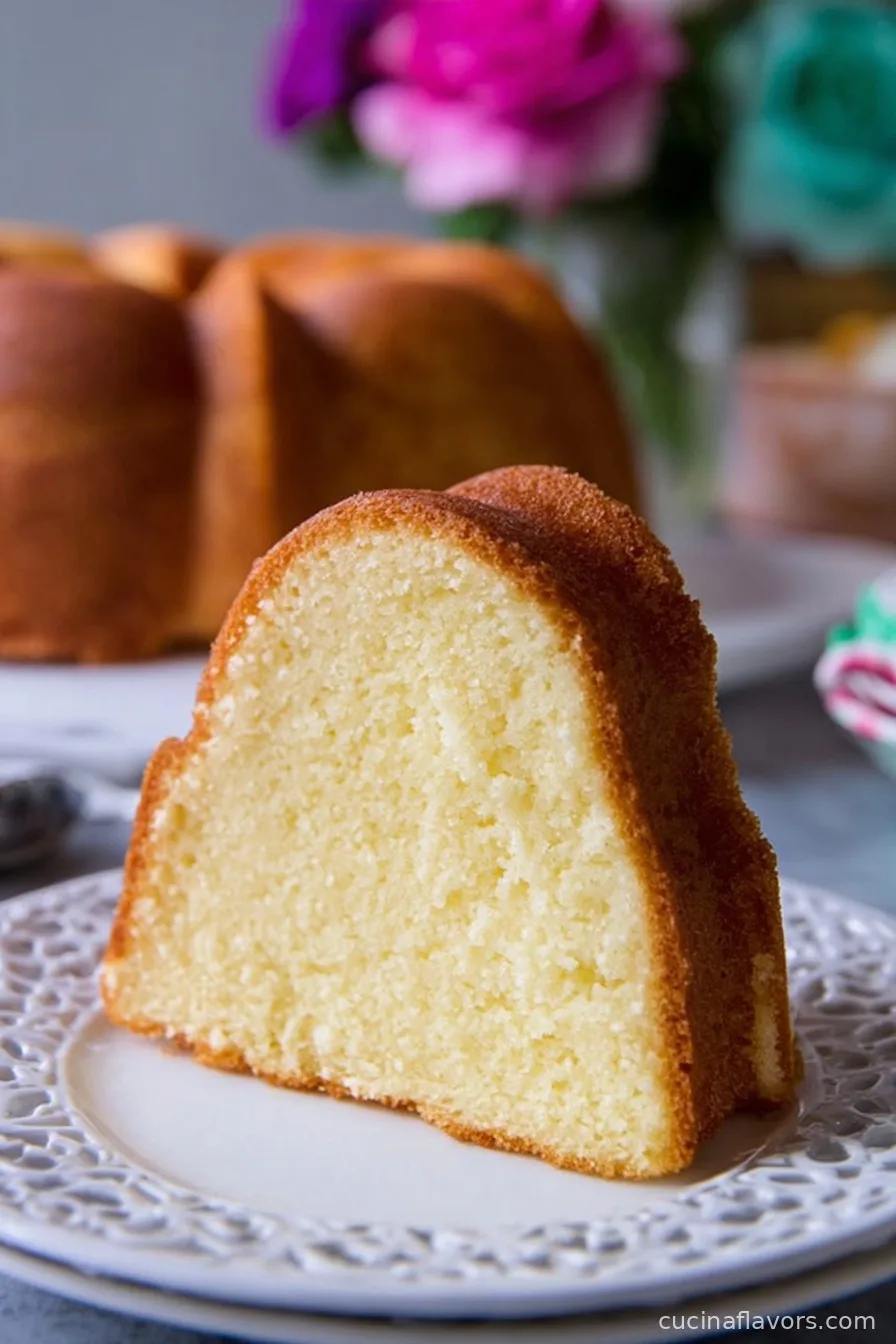
The beauty of a Cream Cheese Pound Cake lies in its simplicity, versatility, and the luxurious flavor brought by the addition of cream cheese. Traditionally, pound cakes date back to 18th-century Europe, where their namesake came from the formula of a pound each of flour, sugar, butter, and eggs.
Over generations, bakers began to innovate, using tangy cream cheese to add moistness and enhance the crumb structure, transforming a familiar classic into a modern-day indulgence.
This Cream Cheese Pound Cake Recipe yields a buttery, velvety cake with a golden crust and tender interior, perfect for family gatherings, festive holidays, or as an everyday treat with your afternoon tea or coffee.
With simple ingredients and straightforward instructions, even beginner bakers can achieve professional results that impress both in taste and presentation.
Whether you aim to create a show-stopping dessert for special occasions or simply enjoy a homemade confection, this Cream Cheese Pound Cake Recipe is a delightful addition to your baking repertoire, offering nostalgia, comfort, and incredible flavor.
Ingredients
- 1 ½ cups (340g) unsalted butter, softened to room temperature
- 8 oz (227g) cream cheese, softened to room temperature
- 3 cups (600g) granulated sugar
- 6 large eggs, at room temperature
- 1 tablespoon pure vanilla extract
- ½ teaspoon almond extract (optional)
- 3 cups (375g) all-purpose flour, sifted
- ½ teaspoon baking powder
- ½ teaspoon salt
Instructions
- Preheat your oven to 325°F (163°C). Grease and flour a 10-inch bundt or tube pan thoroughly to prevent sticking.
- Using a stand mixer or hand mixer, beat the softened butter and cream cheese together on medium speed until the mixture is silky and completely smooth, about 2-3 minutes.
- Gradually add the granulated sugar, continuing to beat until the mixture is light and fluffy, about 4-5 minutes.
- Add eggs one at a time, beating well after each addition and scraping down the sides of the bowl as needed.
- Mix in the vanilla extract and almond extract, if using.
- In a separate bowl, whisk together the sifted flour, baking powder, and salt.
- Gradually add the dry ingredients to the wet mixture on low speed, mixing just until incorporated. Avoid over-mixing to ensure a tender crumb.
- Spoon the batter evenly into the prepared pan and smooth the top with a spatula.
- Tap the pan lightly on the counter to remove any large air bubbles.
- Bake for 75–85 minutes, or until a toothpick inserted into the center comes out clean or with only a few moist crumbs attached.
- Let the cake cool in the pan for 15–20 minutes before inverting onto a wire rack to cool completely.
- Slice and serve plain, dusted with powdered sugar, or with berries and whipped cream as desired.
Nutritional Information
The Cream Cheese Pound Cake Recipe yields a decadent dessert rich in both flavor and nutrients, though it is best enjoyed in moderation. A typical serving (1/12 of the cake) provides approximately 450-500 calories, with about 28 grams of fat, 50 grams of carbohydrates, and 5-6 grams of protein.
The majority of the cake's energy comes from the combination of butter, cream cheese, and sugar, making it high in both saturated fat and simple carbohydrates. While it may not be categorized as a light treat, this cake does offer some positive qualities.
Using real eggs contributes to its protein content and provides nutrients such as vitamin B12, riboflavin, and essential amino acids. The cream cheese and butter supply vitamin A, while enriched flour adds a modest amount of iron and folate.
If portion sizes are controlled and balanced with other nutrient-dense foods throughout the day, enjoying a piece of Cream Cheese Pound Cake can fit into a varied and enjoyable diet.
For those seeking a lighter option, consider substituting part of the butter with Greek yogurt, using reduced-fat cream cheese, or decreasing the sugar quantity. Regardless, this cake is crafted as an indulgence—savor its rich taste and appreciate it as a special treat.

Wine and Beverage Pairings
The Cream Cheese Pound Cake Recipe pairs beautifully with a variety of wine and beverage options.
For a classic pairing, serve with a glass of Moscato d'Asti or late harvest Riesling; these dessert wines have a mild sweetness and bright acidity that complement the rich, buttery cake and subtly tangy cream cheese notes.
If you prefer red wine, try a light-bodied Pinot Noir or Lambrusco, both of which offer a subtle fruitiness that works harmoniously with the cake's flavor profile.
For non-alcoholic beverages, freshly brewed coffee or a strong black tea makes a perfect companion, cutting through the cake's richness and enhancing its complexity. Sparkling water with a twist of lemon or a fruity herbal iced tea adds refreshment and balance on warmer days.
No matter your preference, the Cream Cheese Pound Cake is versatile enough to pair well for brunch, afternoon gatherings, or elegant dessert courses.
Cooking Tips and Variations
Achieving the ideal Cream Cheese Pound Cake Recipe result involves attention to detail and a few time-tested baking tips.
Always ensure that your butter, cream cheese, and eggs are brought to room temperature before mixing; this allows for smoother blending and a more uniform batter, which translates into a finer crumb. Sift your flour before measuring and mixing to avoid lumps and ensure an even texture.
To prevent a heavy or dense cake, resist the urge to over-mix once the dry ingredients are added—blend just until incorporated.
For an even bake and golden crust, place your cake pan in the center of the oven and rotate it halfway through the baking time if your oven has hot spots. Flour the pan thoroughly, reaching into every crevice, to guarantee release after baking.
For variation, fold in extras such as lemon or orange zest for a fresh citrus note, swirl in a fruit puree, or sprinkle chopped nuts into the batter. Swapping half of the vanilla extract for almond or coconut extract can add a twist to the classic flavor.
If you wish to top the cake, a simple glaze made from powdered sugar and milk, or a drizzle of melted chocolate, enhances visual appeal and taste. Remember, this versatile recipe adapts well to loaf pans and mini bundt pans, offering flexibility for individual servings or gifts.
Serving Suggestions
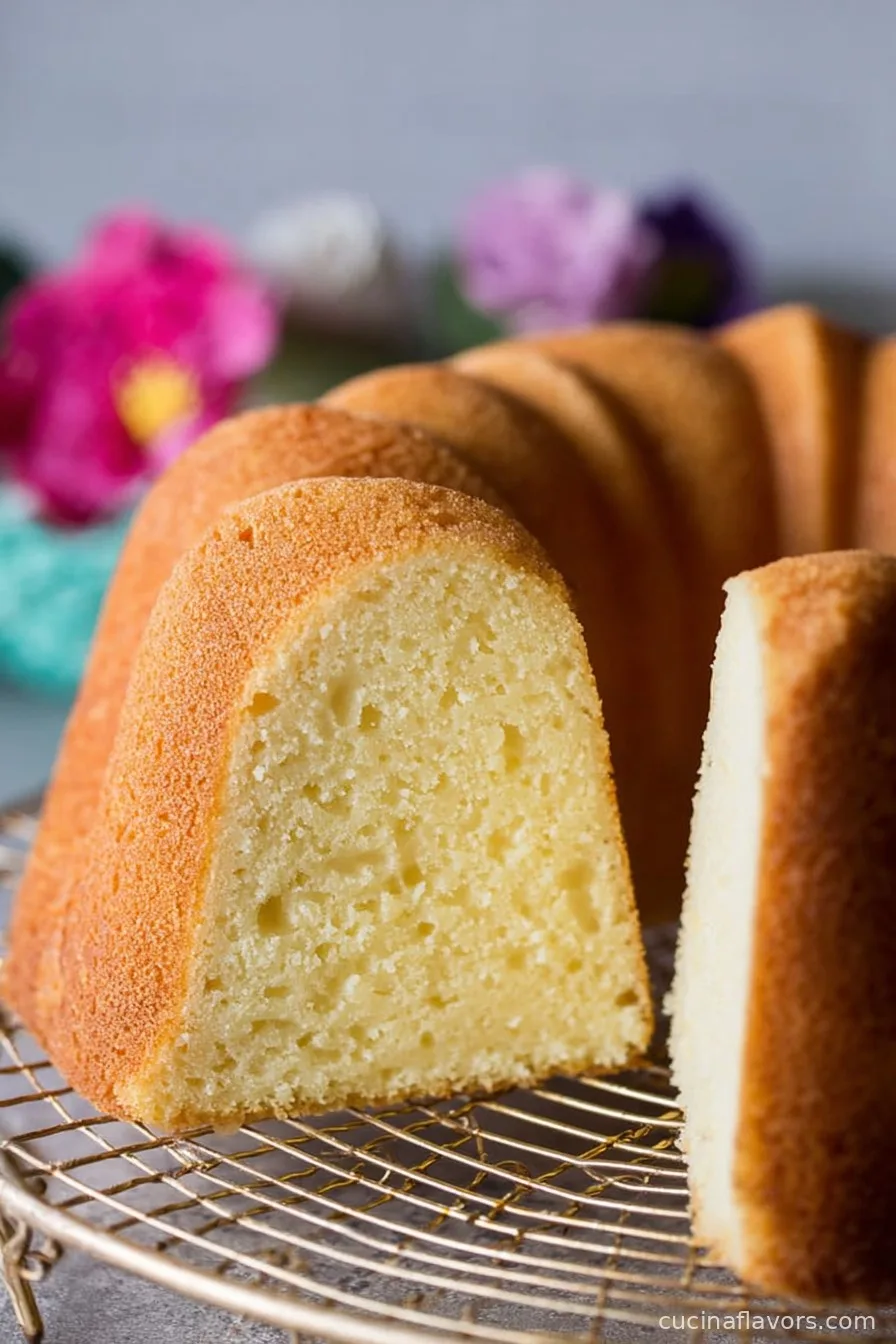
When it comes to presenting the Cream Cheese Pound Cake Recipe, elevating the serving experience is as simple as attending to a few elegant touches. The cake can shine as a standalone centerpiece, sliced thickly and arranged on a decorative cake platter for guests to admire.
For special occasions or afternoon tea, a dusting of powdered sugar over the cooled cake adds a classic, snowy finish, while fresh berries—like strawberries, blueberries, or raspberries—provide a pop of color and subtle tartness that balance the cake's richness.
Whipped cream or a dollop of crème fraîche on each slice offers a creamy, tangy counterpoint, enhancing both the visual appeal and flavor. During the winter months, consider serving warm slices with a spoonful of homemade berry compote or citrus curd for extra indulgence.
In the summer, pair slices with lightly grilled peaches or plums to introduce a seasonal twist. For a sophisticated dessert plate, garnish individual servings with a sprig of mint, edible flowers, or a drizzle of honey or caramel sauce.
Miniature versions of the cake also make charming party favors, wrapped in parchment and ribbon. No matter the season or occasion, the Cream Cheese Pound Cake Recipe adapts seamlessly, ensuring a memorable presentation and joyful dining experience.
Health Benefits
Although classic pound cake is an indulgence, this Cream Cheese Pound Cake Recipe offers a few redeeming health aspects when enjoyed mindfully. The use of eggs provides high-quality protein and essential nutrients like vitamin D and choline, contributing to brain and metabolic health.
Cream cheese and butter furnish vitamin A, crucial for vision and immune function. By using real, whole ingredients and avoiding artificial additives or preservatives, homemade pound cake is often preferable to store-bought options.
For those monitoring their intake, enjoy smaller portions or substitute some of the butter with Greek yogurt or applesauce to reduce saturated fat and calories. Consider using part whole-wheat flour to add fiber and micronutrients.
Also, pairing your cake with antioxidant-rich berries or a side of fruit can increase the meal's nutritional value. While this cake is best considered an occasional treat, savoring it alongside nutritious accompaniments and varied meals can enhance both enjoyment and healthfulness in your overall diet.
Frequently Asked Questions
Over-mixing the batter or using ingredients that are too cold can result in a dense or dry cake. Be sure to bring all ingredients to room temperature and mix until just combined after adding the flour.
Absolutely. This cake actually improves in flavor and texture after resting for a day. Wrap it tightly in plastic wrap and store at room temperature for up to 3 days, or refrigerate for up to a week.
After cooling completely, wrap the cake or individual slices in plastic wrap followed by aluminum foil. Freeze for up to 2 months. Thaw at room temperature before serving.
Yes, you can substitute with reduced-fat cream cheese for a slightly lighter version. However, the texture may be less rich and creamy than when using full-fat cream cheese.
Grease the pan thoroughly with butter or nonstick spray, then dust with flour, ensuring complete coverage. Also, allow the cake to cool in the pan for 15-20 minutes before turning it out.
The Cream Cheese Pound Cake Recipe combines the best elements of classic baking tradition with the indulgent tang and moist crumb that only cream cheese can deliver. Perfect for any season, celebration, or quiet moment at home, this cake is as versatile as it is tasty. With its rich flavor, attractive presentation, and beginner-friendly preparation, it’s a crowd-pleaser you’ll return to time and again. Whether you keep it simple with a dusting of powdered sugar or dress it up with fruit and cream, each slice is a delicious testament to the beauty of home baking. Savor the experience and share it with friends and family for an unforgettable treat.
Ingredients
- 1 ½ cups (340g) unsalted butter, softened to room temperature
- 8 oz (227g) cream cheese, softened to room temperature
- 3 cups (600g) granulated sugar
- 6 large eggs, at room temperature
- 1 tablespoon pure vanilla extract
- ½ teaspoon almond extract (optional)
- 3 cups (375g) all-purpose flour, sifted
- ½ teaspoon baking powder
- ½ teaspoon salt
Instructions
-
1Preheat your oven to 325°F (163°C). Grease and flour a 10-inch bundt or tube pan thoroughly to prevent sticking.
-
2Using a stand mixer or hand mixer, beat the softened butter and cream cheese together on medium speed until the mixture is silky and completely smooth, about 2-3 minutes.
-
3Gradually add the granulated sugar, continuing to beat until the mixture is light and fluffy, about 4-5 minutes.
-
4Add eggs one at a time, beating well after each addition and scraping down the sides of the bowl as needed.
-
5Mix in the vanilla extract and almond extract, if using.
-
6In a separate bowl, whisk together the sifted flour, baking powder, and salt.
-
7Gradually add the dry ingredients to the wet mixture on low speed, mixing just until incorporated. Avoid over-mixing to ensure a tender crumb.
-
8Spoon the batter evenly into the prepared pan and smooth the top with a spatula.
-
9Tap the pan lightly on the counter to remove any large air bubbles.
-
10Bake for 75–85 minutes, or until a toothpick inserted into the center comes out clean or with only a few moist crumbs attached.
-
11Let the cake cool in the pan for 15–20 minutes before inverting onto a wire rack to cool completely.
-
12Slice and serve plain, dusted with powdered sugar, or with berries and whipped cream as desired.
Approximate Information for One Serving
Nutrition Disclaimers
Number of total servings shown is approximate. Actual number of servings will depend on your preferred portion sizes.
Nutritional values shown are general guidelines and reflect information for 1 serving using the ingredients listed, not including any optional ingredients. Actual macros may vary slightly depending on specific brands and types of ingredients used.
To determine the weight of one serving, prepare the recipe as instructed. Weigh the finished recipe, then divide the weight of the finished recipe (not including the weight of the container the food is in) by the desired number of servings. Result will be the weight of one serving.
Did you make this recipe?
Please consider Pinning it!
Leave a Reply