
The Greek Salad Cottage Cheese Bowl is a vibrant, healthful dish that seamlessly fuses the classic flavors of the Mediterranean with a creamy, protein-rich twist.
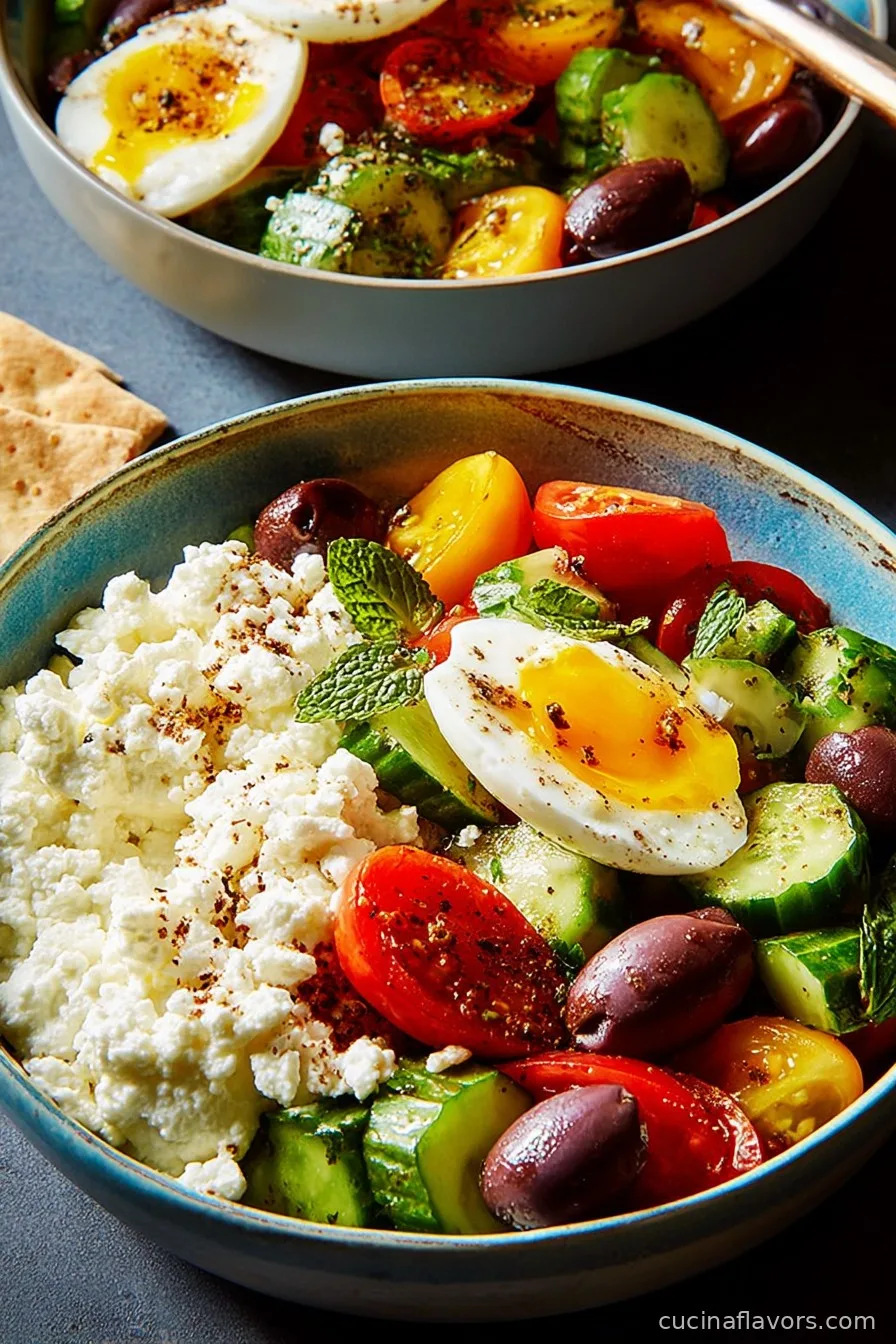
Combining crisp cucumbers, juicy tomatoes, ripe olives, tangy red onions, and the bold taste of feta cheese, all nestled over a bed of velvety cottage cheese, this meal is perfect for those who seek both nutrition and indulgence on their plate.
The Mediterranean diet, renowned for its focus on plant-based ingredients, healthy fats, and wholesome dairy, provides the inspiration behind this flavorful bowl. With Greek cuisine tracing its roots back thousands of years, many traditional Greek salad recipes have found their way into modern kitchens worldwide.
The Greek Salad Cottage Cheese Bowl is a contemporary interpretation, replacing or pairing typical feta with cottage cheese to enhance its creaminess and significantly boost its protein content. This recipe offers a perfect balance of textures and flavors, making it ideal for lunches, quick dinners, or meal-prepping.
Not only does it capture the spirit of the Mediterranean, but it elevates the nutritional value with lean dairy, fresh vegetables, and heart-healthy olive oil.
Whether you are following a healthy lifestyle, looking to increase your protein intake, or simply craving a fresh and satisfying meal, the Greek Salad Cottage Cheese Bowl is sure to become a favorite addition to your repertoire.
Ingredients
- 1 cup low-fat cottage cheese
- ½ cup cherry tomatoes, halved
- ½ cup cucumber, diced
- ¼ cup Kalamata olives, pitted and sliced
- ¼ cup red onion, thinly sliced
- ¼ cup bell pepper, chopped
- 2 tablespoons feta cheese, crumbled
- 1 tablespoon extra-virgin olive oil
- 1 tablespoon fresh lemon juice
- 1 teaspoon dried oregano
- Salt and freshly ground black pepper, to taste
- Fresh parsley or dill, for garnish (optional)
Instructions
- Begin by preparing all vegetables: halve the cherry tomatoes, dice the cucumber, pit and slice the olives, thinly slice the red onion, and chop the bell pepper.
- In a small bowl, whisk together the extra-virgin olive oil, fresh lemon juice, dried oregano, and a pinch of salt and pepper to create the dressing.
- Spoon the cottage cheese into a serving bowl, spreading it evenly as the base.
- Arrange the cherry tomatoes, cucumber, olives, red onion, and bell pepper on top of the cottage cheese in separate sections or lightly mixed together, depending on preference.
- Drizzle the prepared dressing evenly over the veggies and cottage cheese.
- Sprinkle the crumbled feta cheese generously atop the bowl.
- Optionally, garnish with freshly chopped parsley or dill for a pop of color and herbal freshness.
- Add additional salt or pepper if desired, and serve immediately for best texture and flavor.
Nutritional Information
The Greek Salad Cottage Cheese Bowl delivers a powerhouse of nutrients without excessive calories, making it an excellent choice for those seeking a balanced meal. The base of low-fat cottage cheese provides a significant source of high-quality protein, essential amino acids, and calcium, supporting muscle maintenance and bone strength.
The abundance of fresh vegetables, including cherry tomatoes, cucumber, bell pepper, and red onion, ensures the dish is rich in antioxidants, vitamin C, vitamin K, potassium, and dietary fiber.
Kalamata olives and extra-virgin olive oil contribute heart-healthy monounsaturated fats and powerful antioxidants, which may help reduce inflammation and support cardiovascular wellness. Feta cheese adds traditional flavor while supplying additional calcium and protein in moderation.
This bowl typically contains around 280-350 calories per serving, with approximately 20-25 grams of protein, 16-18 grams of healthy fats, and 8-10 grams of carbohydrates, depending on the toppings and portion sizes. Its low glycemic impact makes it suitable for diabetics and those managing their weight.
With low added sugars and lots of micronutrients, the Greek Salad Cottage Cheese Bowl stands out as a nutrient-dense option that satisfies hunger while supporting overall health.
Wine and Beverage Pairings
The flavors of the Greek Salad Cottage Cheese Bowl pair beautifully with beverages that complement its Mediterranean essence. For a refreshing non-alcoholic option, consider sparkling water with a slice of lemon or cucumber. Herbal iced teas, such as mint or chamomile, also help cleanse the palate between bites.
If you prefer wine, a crisp, dry white such as Sauvignon Blanc, Pinot Grigio, or an Assyrtiko from Greece is an excellent match, balancing the creaminess of the cottage cheese and highlighting the salads' fresh, zesty notes.
Alternatively, a light, chillable red like Beaujolais or a dry rosé can complement the bowl without overshadowing its flavors. For a traditional Greek touch, enjoy your meal with a small glass of ouzo or retsina alongside the salad for an authentic Mediterranean experience.
Cooking Tips and Variations
To make the Greek Salad Cottage Cheese Bowl your own, consider personalizing it with your preferred vegetables or adjusting the dressing ingredients. Substitute cherry tomatoes with grape tomatoes or heirloom varieties for a richer depth of flavor. For extra crunch, add sliced radishes or shredded carrots.
If you prefer a spicier kick, mix in a few pepperoncini or hot banana peppers. For a more robust Mediterranean flair, sprinkle a pinch of sumac or add a teaspoon of capers.
You can substitute cottage cheese with higher-fat versions for a creamier texture or opt for lactose-free cottage cheese if you're sensitive to dairy. For a vegan adaptation, use a plant-based cottage cheese alternative and vegan feta.
The bowl also works well as a make-ahead lunch: simply store the dressing separately and add it just before serving to prevent the vegetables from becoming soggy. To save time, prep your vegetables in advance and assemble the bowl when ready to eat.
For added fiber, serve with whole-grain pita chips or a side of quinoa. This flexible and forgiving recipe welcomes experimentation and is easy to tailor to your dietary needs or flavor preferences.

Serving Suggestions
Serving the Greek Salad Cottage Cheese Bowl can be as simple or as creative as you like, making it ideal for a variety of occasions. For a quick lunch or solo dinner, enjoy the bowl as a complete meal, offering a perfect balance of protein, healthy fats, and fiber.
If entertaining guests, assemble individual bowls in advance or create a Greek Salad Cottage Cheese Bowl bar where diners can customize their toppings. This interactive approach is not only fun but also allows for accommodating individual preferences or dietary needs.
To elevate your presentation, serve the salad bowl with a wedge of warm pita bread, toasted sourdough slices, or alongside a handful of crunchy pita chips. For a heartier meal, pair with a small bowl of quinoa or barley on the side, enhancing satiety and adding whole grains.
The Greek Salad Cottage Cheese Bowl also makes a vibrant addition to brunch menus, potlucks, or picnics—its colorful layers look appealing and remain fresh for hours if kept cool. Garnish with extra herbs, a squeeze of lemon, or a sprinkle of za'atar for added flavor and visual appeal.
If serving as a starter or side, reduce the portion size, accompanying grilled fish or chicken for a well-rounded Mediterranean-inspired feast. The versatility of the Greek Salad Cottage Cheese Bowl means it adapts easily to your schedule and occasion, always ensuring freshness and satisfaction.
Health Benefits
There are numerous health benefits associated with enjoying a Greek Salad Cottage Cheese Bowl. The combination of cottage cheese and an array of fresh vegetables results in a meal packed with essential nutrients, antioxidants, and dietary fiber.
High in protein, cottage cheese helps build and repair muscles, keep you fuller for longer, and supports healthy metabolism. The olive oil and feta cheese add monounsaturated fats, which are known to benefit heart health and reduce levels of harmful LDL cholesterol.
The variety of colorful vegetables supplies an abundance of vitamins, minerals, and phytonutrients to strengthen immunity and promote radiant skin. This bowl is naturally low in carbohydrates and sugars, making it suitable for those following low-carb, diabetic, or weight management diets.
The recipe is also gluten-free, ensuring it fits well into most dietary patterns. Additionally, consuming fermented dairy products like cottage cheese and feta may help boost gut health due to the presence of probiotics.
Including this Greek Salad Cottage Cheese Bowl regularly can contribute to overall wellness, improved digestion, and enhanced energy levels throughout the day while delighting the palate with fresh, authentic Mediterranean flavors.
Frequently Asked Questions
Yes, you can prepare the vegetables and cottage cheese ahead of time and store them separately. For best texture, add the dressing and assemble the bowl just before serving.
Yes, the Greek Salad Cottage Cheese Bowl is vegetarian as it contains no meat. However, use certified vegetarian feta cheese to ensure no animal-derived rennet is present.
You can substitute Greek yogurt, ricotta, or a dairy-free cheese alternative for the base if desired, adjusting seasonings as needed for flavor balance.
To make a vegan version, use plant-based cottage cheese and vegan feta cheese alternatives, and ensure the dressing uses only vegan ingredients.
Yes, all core ingredients are naturally gluten-free, making the bowl safe for those with gluten intolerance or celiac disease, as long as no bread is served alongside.
The Greek Salad Cottage Cheese Bowl offers a harmonious blend of traditional Mediterranean flavors and modern nutritional sensibility. With its colorful medley of crisp vegetables, creamy cottage cheese, and zesty dressing, this bowl delivers a light yet satisfying meal that is quick and easy to prepare. Packed with protein, antioxidants, and healthy fats, it stands out as a balanced choice for anybody wanting to eat well without sacrificing flavor. Versatile and customizable, this delicious bowl can be adapted for various dietary preferences and occasions, whether enjoyed solo or shared with friends and family. Make the Greek Salad Cottage Cheese Bowl a staple in your meal rotation to enjoy fresh, wholesome tastes inspired by sun-drenched Greek kitchens right at home.
Ingredients
- 1 cup low-fat cottage cheese
- ½ cup cherry tomatoes, halved
- ½ cup cucumber, diced
- ¼ cup Kalamata olives, pitted and sliced
- ¼ cup red onion, thinly sliced
- ¼ cup bell pepper, chopped
- 2 tablespoons feta cheese, crumbled
- 1 tablespoon extra-virgin olive oil
- 1 tablespoon fresh lemon juice
- 1 teaspoon dried oregano
- Salt and freshly ground black pepper, to taste
- Fresh parsley or dill, for garnish (optional)
Instructions
-
1Begin by preparing all vegetables: halve the cherry tomatoes, dice the cucumber, pit and slice the olives, thinly slice the red onion, and chop the bell pepper.
-
2In a small bowl, whisk together the extra-virgin olive oil, fresh lemon juice, dried oregano, and a pinch of salt and pepper to create the dressing.
-
3Spoon the cottage cheese into a serving bowl, spreading it evenly as the base.
-
4Arrange the cherry tomatoes, cucumber, olives, red onion, and bell pepper on top of the cottage cheese in separate sections or lightly mixed together, depending on preference.
-
5Drizzle the prepared dressing evenly over the veggies and cottage cheese.
-
6Sprinkle the crumbled feta cheese generously atop the bowl.
-
7Optionally, garnish with freshly chopped parsley or dill for a pop of color and herbal freshness.
-
8Add additional salt or pepper if desired, and serve immediately for best texture and flavor.
Approximate Information for One Serving
Nutrition Disclaimers
Number of total servings shown is approximate. Actual number of servings will depend on your preferred portion sizes.
Nutritional values shown are general guidelines and reflect information for 1 serving using the ingredients listed, not including any optional ingredients. Actual macros may vary slightly depending on specific brands and types of ingredients used.
To determine the weight of one serving, prepare the recipe as instructed. Weigh the finished recipe, then divide the weight of the finished recipe (not including the weight of the container the food is in) by the desired number of servings. Result will be the weight of one serving.
Did you make this recipe?
Please consider Pinning it!



Leave a Reply