
A High Protein Chicken Salad is more than just a quick lunch or an effortless dinner solution; it's a nutritious powerhouse that has solidified its place in modern healthy eating. As lifestyles become busier, finding meals that meet both nutrition and taste expectations has become a priority.
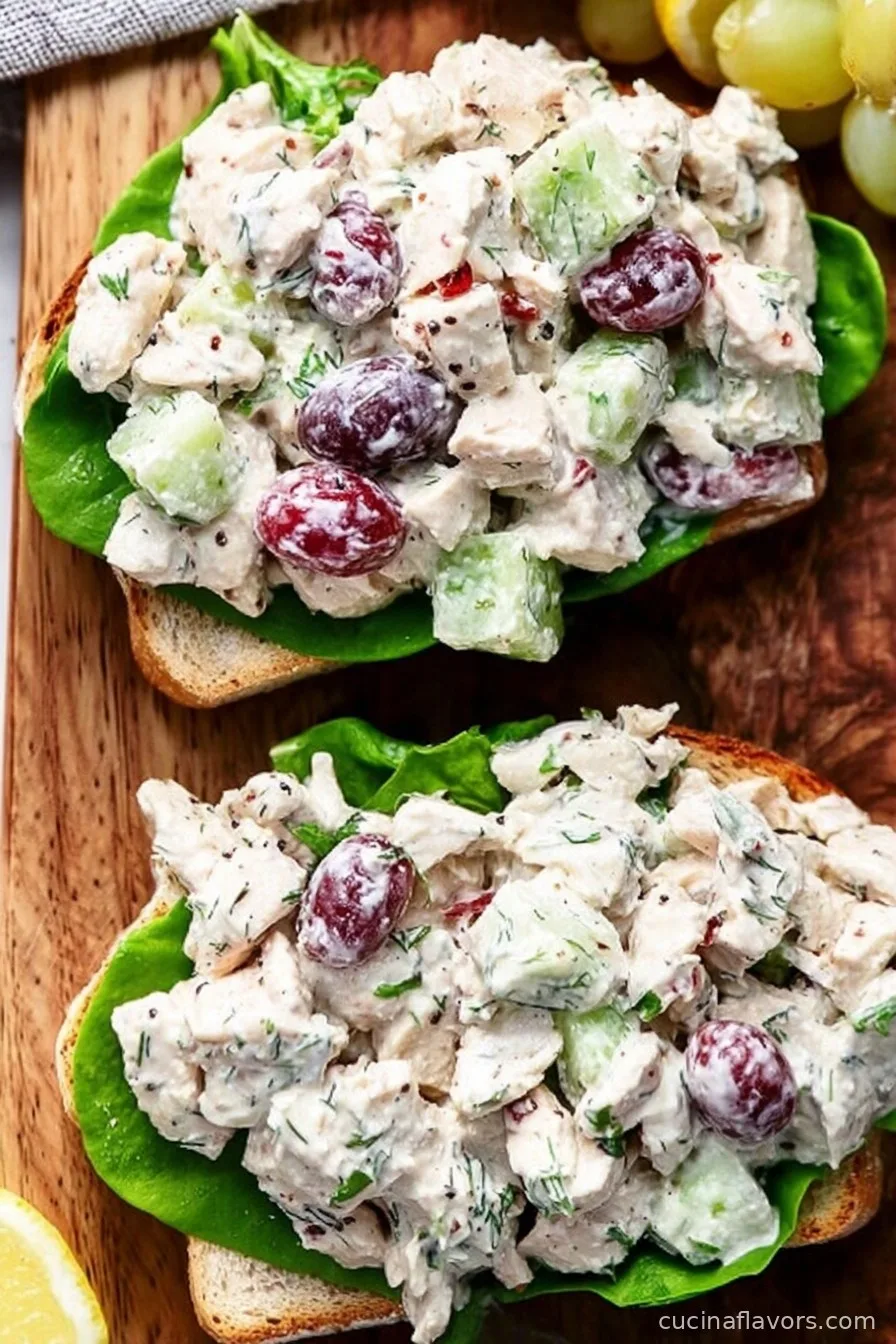
Chicken salad, a dish with roots in both European and American culinary traditions, has evolved from simple beginnings into countless variations. The high protein chicken salad, in particular, answers the demand for healthy, satisfying dishes—ideal for athletes, busy professionals, or anyone focused on wellness.
Chicken itself is a lean protein source, low in fat and rich in essential amino acids. When combined with nutrient-dense additions like Greek yogurt, fresh vegetables, and seeds, it creates a balanced and fulfilling meal.
Over the years, traditional mayonnaise-based chicken salads have been updated with lighter, protein-rich ingredients to suit a wider array of palates and dietary needs.
High protein chicken salad isn't just a fad; it stands as a testament to how classic favorites can be transformed to fit modern nutrition goals without sacrificing flavor. This dish continues to grow in popularity for lunchtime meal preps, easy family dinners, and satisfying post-workout refueling.
Whether enjoyed in a sandwich, on top of greens, or with whole-grain crackers, this versatile dish is a staple worth learning for anyone committed to healthy and hearty eating.
Ingredients
- 2 large boneless, skinless chicken breasts (about 1 pound)
- ½ cup plain Greek yogurt (nonfat or low-fat)
- 2 tablespoons light mayonnaise
- 1 tablespoon Dijon mustard
- 1 tablespoon fresh lemon juice
- 1 teaspoon honey
- ¼ cup chopped celery
- ¼ cup chopped red onion
- ¼ cup chopped cucumber
- ¼ cup diced red bell pepper
- 2 tablespoons chopped fresh parsley
- 1 tablespoon chopped fresh dill (optional)
- 2 tablespoons roasted sunflower seeds or slivered almonds
- Salt and black pepper to taste
- Olive oil spray (for cooking the chicken)
Instructions
- Season the chicken breasts on both sides with salt and pepper.
- Heat a nonstick skillet over medium-high heat and lightly spray with olive oil.
- Add chicken breasts and cook for about 6-7 minutes per side or until the internal temperature reaches 165°F (74°C).
- Remove the chicken from the skillet and set aside to cool for 5-10 minutes.
- Once cooled, dice the chicken into small, bite-sized pieces.
- In a large mixing bowl, combine the Greek yogurt, light mayonnaise, Dijon mustard, lemon juice, and honey. Mix until smooth.
- Add the diced chicken, celery, red onion, cucumber, red bell pepper, parsley, dill (if using), and sunflower seeds or almonds to the bowl.
- Gently toss everything together until the chicken and vegetables are well coated with the dressing.
- Taste and adjust the seasoning with more salt and black pepper if desired.
- Cover and refrigerate for at least 30 minutes to allow flavors to meld before serving.
Nutritional Information
The High Protein Chicken Salad offers a nutrition profile tailor-made for those seeking healthy, fulfilling meals. Each serving (assuming four servings per recipe) contains approximately 300 calories, making it ideal for those conscious of caloric intake. The star nutrient is protein, with about 32 grams per serving.
This high protein content helps promote muscle repair, satiation, and long-lasting energy—whether enjoyed as lunch, dinner, or a post-workout meal. By replacing all or most of the traditional mayonnaise with Greek yogurt, this recipe reduces saturated fat and cholesterol, while boosting calcium and pro-biotic content for gut health.
The addition of a variety of fresh vegetables, such as celery, peppers, cucumbers, and onions, ensures a broad spectrum of vitamins and minerals, as well as dietary fiber to support digestive health and metabolic function.
Healthy fats come from roasted sunflower seeds or almonds, providing heart-healthy omega-6 fatty acids and a satisfying crunch without excess calories. Overall, this High Protein Chicken Salad is low in carbs (approximately 7 grams per serving), sugar (under 4 grams), and sodium when seasonings are used in moderation.
Its balanced macro- and micronutrient profile suits diverse dietary needs and supports a wholesome lifestyle. For those following regimes like keto, low-carb, or high-protein diets, this dish fits seamlessly, while still offering enough flavor and texture variety to satisfy every palate.

Wine and Beverage Pairings
A High Protein Chicken Salad pairs beautifully with light, refreshing beverages. A crisp Sauvignon Blanc or an unoaked Chardonnay can enhance the fresh flavors of the salad without overpowering the delicate chicken.
For those preferring non-alcoholic options, sparkling water with a squeeze of lemon or a homemade citrus herbal iced tea makes an invigorating complement. If you prefer more robust flavors, a lightly hopped pilsner beer can add another dimension without overwhelming the palate.
Cooking Tips and Variations
To make your High Protein Chicken Salad truly outstanding, start with cooked chicken breast that is juicy and tender. For the best results, consider poaching, grilling, or roasting the chicken and allowing it to rest before chopping.
The recipe is easily meal-prep friendly; simply double the batch and store it in airtight containers for up to four days, making healthy eating throughout the week convenient. For an extra nutrition boost, swap in baby spinach, kale, or arugula for added greens.
Don’t hesitate to diversify your crunch factor—try substituting sunflower seeds with pumpkin seeds or using toasted walnuts or pecans. If you're watching your dairy intake, opt for a dairy-free yogurt alternative for the dressing or use mashed avocado in place of Greek yogurt.
For a spicy twist, add a pinch of cayenne pepper or a dash of sriracha to the dressing. Those seeking a Mediterranean flair might toss in some crumbled feta cheese, kalamata olives, or sun-dried tomatoes.
For meal-on-the-go options, spoon the salad into whole wheat pita pockets, wrap it in large lettuce leaves, or serve it in mason jars layered with greens.
This salad is inherently gluten-free, but always check the labels of your condiments to ensure there's no hidden gluten if you are celiac or strictly gluten-intolerant.

Serving Suggestions
Serving the High Protein Chicken Salad opens up a world of delicious possibilities. For a classic approach, pile a generous scoop on a bed of mixed baby greens, spinach, or arugula for an instant, nutrient-rich salad bowl.
You can create a heartier meal by serving the salad in whole grain wraps, pita pockets, or as a filling for lettuce wraps for a low-carb, gluten-free option.
For elegant presentation at gatherings, spoon the chicken salad onto cucumber rounds or serve it in small endive leaves as individual hors d'oeuvres. For meal prepping, layer the salad in mason jars with your preferred greens to keep everything fresh and crisp until ready to eat.
Whole grain crackers, sliced apples, or carrot sticks on the side make for a balanced and complete lunchbox meal.
If you favor a warm touch, try lightly toasting your wraps or sandwich bread before filling them with the High Protein Chicken Salad—the added texture and flavor depth make a nice contrast to the cooling, creamy salad.
No matter how you serve it, this dish adapts to any meal scenario, from casual work lunches to sophisticated party platters.
Health Benefits
High Protein Chicken Salad is an exceptional choice for those looking to improve their overall health. High-quality protein in chicken helps build and repair muscles, making this salad excellent for active lifestyles and those pursuing fitness goals.
The protein and healthy fats from ingredients like Greek yogurt and seeds support satiety, meaning you stay full longer and are less prone to mindless snacking between meals.
The inclusion of a wealth of fresh vegetables provides essential vitamins (like vitamin C, K, and B6), minerals (such as potassium and magnesium), and antioxidants, which collectively support immune function, cardiovascular health, and reduce inflammation.
Using Greek yogurt instead of full-fat mayonnaise cuts down on unhealthy fats and calories, improving heart health and supporting weight management. The low-carbohydrate aspect of the recipe also appeals to those monitoring blood sugar levels, making it suitable for people with diabetes or those following low-carb diets.
Lastly, the probiotic content in Greek yogurt supports digestive health and balanced gut bacteria, which has increasingly been linked to overall wellness. Altogether, High Protein Chicken Salad is a functional food that not only satisfies but also nourishes.
Frequently Asked Questions
Yes, using rotisserie or leftover cooked chicken is an excellent and time-saving option. Simply shred or dice the chicken and follow the recipe as directed, which can yield even more flavorful results.
When stored properly in an airtight container, High Protein Chicken Salad will stay fresh for up to four days. Be sure to give it a quick stir before serving to refresh the texture and flavor.
For a dairy-free version, use coconut-based or soy-based yogurt in place of Greek yogurt, and omit mayonnaise if desired. You can also use mashed avocado for a creamy, nutrient-dense dressing.
Absolutely! High Protein Chicken Salad is perfect for meal prep. Prepare a large batch at the start of the week and divide into single-serving containers for quick, healthy meals on demand.
It is generally not recommended to freeze chicken salad with a yogurt-based dressing, as the texture may become watery upon thawing. For the best results, enjoy fresh from the refrigerator.
High Protein Chicken Salad is a winning recipe for anyone seeking delicious flavor, optimal nutrition, and meal versatility. Packed with lean protein, fresh vegetables, and satisfying crunch from seeds or nuts, it excels as a convenient meal prep staple, a light family dinner, or an impressive offering at gatherings. The balance of creamy dressing and crisp, colorful veggies ensures each bite is as delightful as it is nourishing. With countless variations to suit dietary preferences, this salad proves that healthy eating can be both easy and enjoyable. Add it to your rotation and experience the difference a high-protein, wholesome lunch or dinner can make in your day-to-day routine.
Ingredients
- 2 large boneless, skinless chicken breasts (about 1 pound)
- ½ cup plain Greek yogurt (nonfat or low-fat)
- 2 tablespoons light mayonnaise
- 1 tablespoon Dijon mustard
- 1 tablespoon fresh lemon juice
- 1 teaspoon honey
- ¼ cup chopped celery
- ¼ cup chopped red onion
- ¼ cup chopped cucumber
- ¼ cup diced red bell pepper
- 2 tablespoons chopped fresh parsley
- 1 tablespoon chopped fresh dill (optional)
- 2 tablespoons roasted sunflower seeds or slivered almonds
- Salt and black pepper to taste
- Olive oil spray (for cooking the chicken)
Instructions
-
1Season the chicken breasts on both sides with salt and pepper.
-
2Heat a nonstick skillet over medium-high heat and lightly spray with olive oil.
-
3Add chicken breasts and cook for about 6-7 minutes per side or until the internal temperature reaches 165°F (74°C).
-
4Remove the chicken from the skillet and set aside to cool for 5-10 minutes.
-
5Once cooled, dice the chicken into small, bite-sized pieces.
-
6In a large mixing bowl, combine the Greek yogurt, light mayonnaise, Dijon mustard, lemon juice, and honey. Mix until smooth.
-
7Add the diced chicken, celery, red onion, cucumber, red bell pepper, parsley, dill (if using), and sunflower seeds or almonds to the bowl.
-
8Gently toss everything together until the chicken and vegetables are well coated with the dressing.
-
9Taste and adjust the seasoning with more salt and black pepper if desired.
-
10Cover and refrigerate for at least 30 minutes to allow flavors to meld before serving.
Approximate Information for One Serving
Nutrition Disclaimers
Number of total servings shown is approximate. Actual number of servings will depend on your preferred portion sizes.
Nutritional values shown are general guidelines and reflect information for 1 serving using the ingredients listed, not including any optional ingredients. Actual macros may vary slightly depending on specific brands and types of ingredients used.
To determine the weight of one serving, prepare the recipe as instructed. Weigh the finished recipe, then divide the weight of the finished recipe (not including the weight of the container the food is in) by the desired number of servings. Result will be the weight of one serving.
Did you make this recipe?
Please consider Pinning it!


Leave a Reply