
High Protein Vegetable Curry is a vibrant and wholesome dish designed for those who seek a balanced, protein-rich diet without sacrificing flavor. Rooted in South Asian cuisine, vegetable curries have long been a staple for households across the globe.
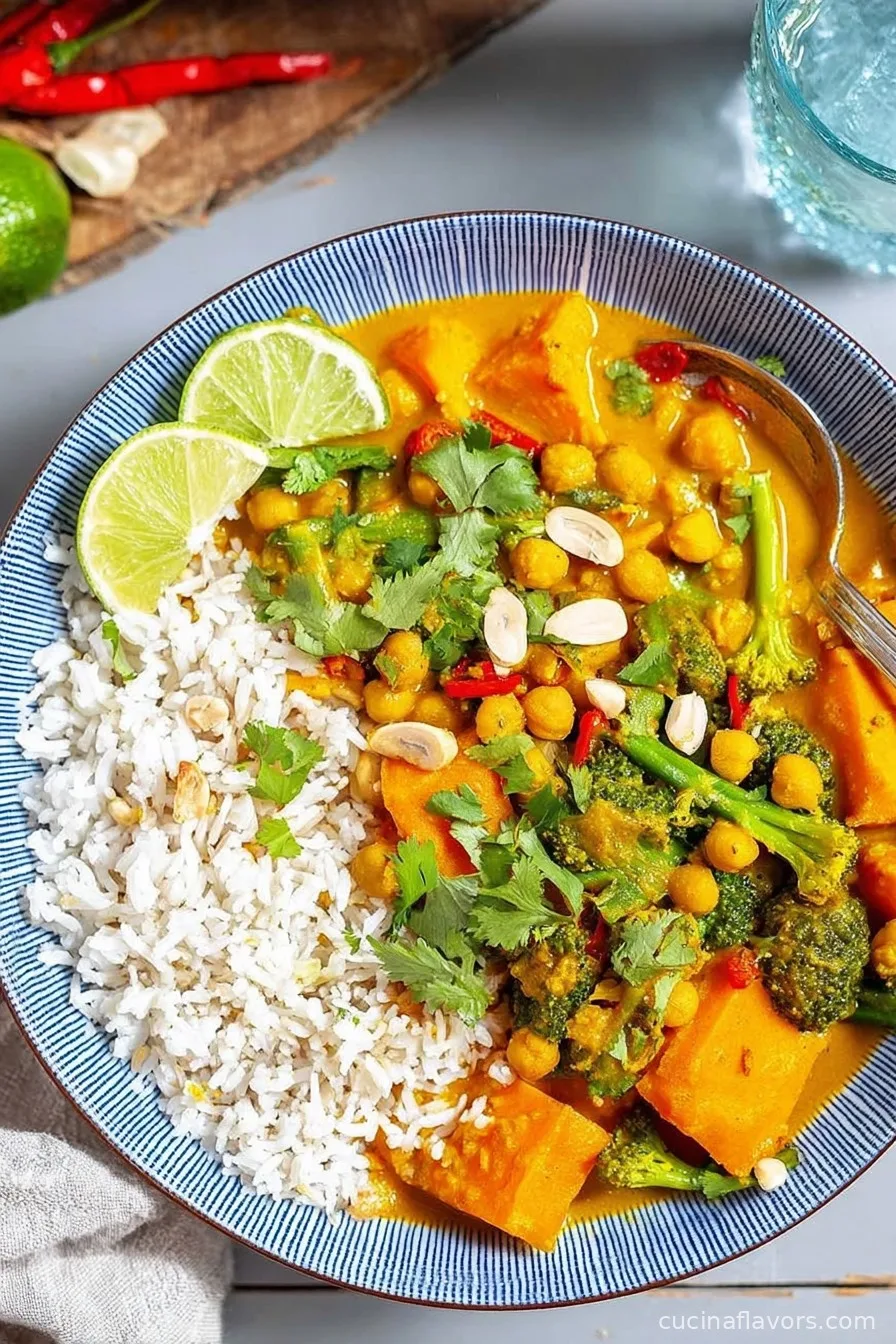
However, traditional curries can sometimes lack the protein punch that active individuals or those embracing a plant-based lifestyle require. Enter the High Protein Vegetable Curry—a clever fusion of colorful vegetables, nutrient-rich legumes, and aromatic spices crafted to deliver optimal nutrition.
This dish is more than just a warm, satisfying meal; it’s a testament to how healthy eating can also be incredibly delicious. The global popularity of curry stems from its adaptability, making it a perfect canvas for a protein boost through ingredients like chickpeas, lentils, tofu, and peas.
By naturally incorporating plant-based protein sources alongside an array of fiber-filled vegetables, this curry satisfies hunger and fuels the body for active lifestyles.
Whether you’re vegetarian, vegan, or simply seeking to incorporate more plants into your diet, this recipe promises a wholesome, protein-rich solution without compromising on taste or cultural authenticity.
From its enticing aroma to its hearty texture, the High Protein Vegetable Curry is sure to earn a regular spot on your menu, offering a nourishing answer for families, athletes, and anyone eager to enjoy a fulfilling meal. Let’s dive into this Ayurvedic-inspired creation that celebrates both flavor and nutrition.
Ingredients
- 1 cup cooked chickpeas (or canned, drained and rinsed)
- 1 cup cooked lentils (brown or green)
- 200g extra-firm tofu, cubed
- 1 large onion, finely chopped
- 3 cloves garlic, minced
- 1 tablespoon fresh ginger, grated
- 1 cup diced tomatoes (fresh or canned)
- 2 cups cauliflower florets
- 1 cup green peas (fresh or frozen)
- 1 large carrot, sliced
- 1 red bell pepper, diced
- 2 tablespoons olive oil or coconut oil
- 2 teaspoons curry powder
- 1 teaspoon ground cumin
- 1 teaspoon ground coriander
- ½ teaspoon turmeric powder
- ½ teaspoon chili powder (adjust to taste)
- 400ml light coconut milk
- 2 cups spinach leaves
- Salt and black pepper to taste
- Fresh cilantro (coriander leaves) for garnish
- Juice of ½ lemon
Instructions
- Heat the olive oil or coconut oil in a large pot or deep skillet over medium heat.
- Add the chopped onion and sauté until translucent, about 3-4 minutes.
- Stir in the garlic and ginger, cooking until fragrant, around 1 minute.
- Add the curry powder, cumin, coriander, turmeric, and chili powder. Stir well to toast the spices for 1-2 minutes.
- Add the diced tomatoes and cook, stirring, until they break down and soften, about 3-4 minutes.
- Mix in the cauliflower florets, carrots, and bell pepper. Sauté for 5 minutes to coat with spices.
- Pour in the coconut milk and bring the mixture to a gentle simmer.
- Add chickpeas, lentils, tofu cubes, and green peas. Stir well and simmer uncovered for 10-15 minutes until vegetables are tender and flavors blend.
- Stir in spinach leaves and cook for 2-3 minutes until wilted.
- Season with salt, black pepper, and lemon juice. Adjust seasoning as needed.
- Remove from heat, garnish with fresh cilantro, and serve hot.
Nutritional Information
The High Protein Vegetable Curry is a nutrient-dense dish designed to meet the needs of health-conscious individuals looking to increase their intake of both protein and vital micronutrients.
Each serving (approximately 1.5 cups) delivers roughly 18-22 grams of high-quality plant-based protein, derived mainly from the harmonious combination of chickpeas, lentils, tofu, and green peas.
Apart from its impressive protein content, this curry offers about 10-12 grams of dietary fiber per serving, promoting healthy digestion and aiding satiety, which can help support weight control.
With a moderate calorie content—typically 320-370 calories per serving—it's suitable for most diet plans, whether you’re aiming to lose, maintain, or gain weight in a controlled fashion.
Beyond macronutrients, the vegetable-rich nature of this curry ensures a robust supply of essential vitamins like A, C, and various B-complex vitamins, along with minerals such as iron, magnesium, zinc, and potassium. The inclusion of spinach and bell peppers further boosts the antioxidant value, promoting cellular health and immunity.
Coconut milk contributes healthy fats, supporting brain function and hormone production, and the spices add anti-inflammatory benefits. The dish is naturally cholesterol-free and low in saturated fat, making it heart-friendly and suitable for vegetarians and vegans alike.
For those managing blood sugar, the balance of fiber and plant protein helps prevent sharp glucose spikes. Adjusting portion sizes and accompanying grains allows easy personalization of your meal plan. Overall, High Protein Vegetable Curry is a complete, balanced choice for anyone seeking nourishment and wellness in one delicious bowl.
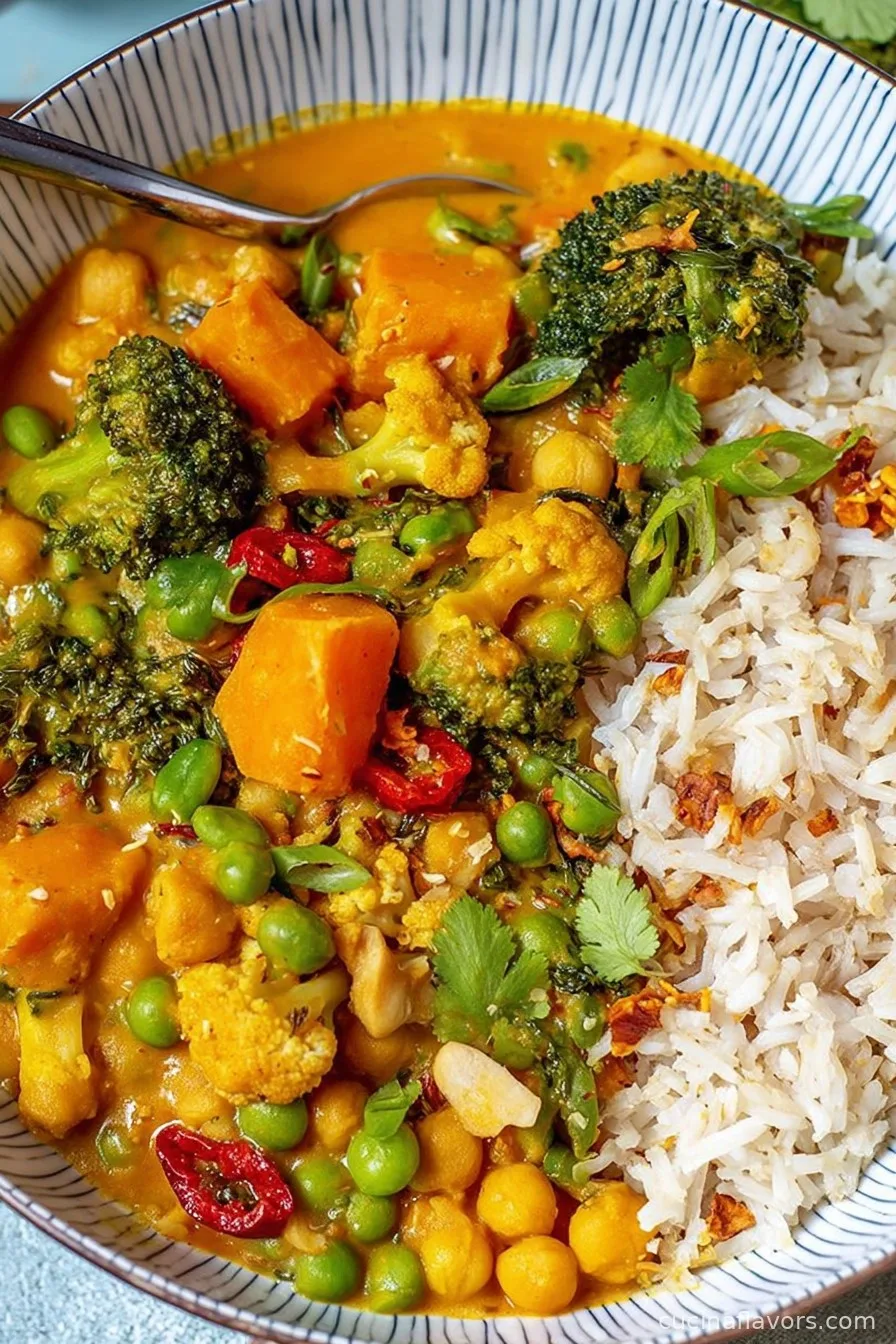
Wine and Beverage Pairings
A robust and flavorful dish like High Protein Vegetable Curry pairs well with crisp, aromatic drinks that complement the spices without overpowering the palate.
For wine lovers, try a light, unoaked white such as Sauvignon Blanc or a dry Riesling, as their acidity and fruitiness brighten up the flavors of the curry. If you prefer beer, a cold wheat beer or a mild lager will refresh your palate and cut through the creaminess.
For non-alcoholic options, opt for a chilled sparkling water with a slice of lime, or a cooling yogurt-based lassi with mint to soothe the spices. Herbal teas like ginger or chamomile can also provide a calming finish after a hearty, spiced meal.
Cooking Tips and Variations
To make the perfect High Protein Vegetable Curry, start by ensuring that your tofu is pressed and drained well before cubing, as this allows it to absorb the curry flavors more effectively. Sautéing the spices separately in oil activates their aromas, creating a deep, rich profile.
Feel free to mix and match your legumes—black beans, kidney beans, or edamame can be excellent protein additions or alternatives to chickpeas and lentils. For more texture, consider adding chunks of tempeh or seitan. If you enjoy extra heat, increase the chili powder or include a sliced green chili.
To make the curry creamier, use full-fat coconut milk, or replace part of the coconut milk with cashew cream for a nuttier touch. For a thinner consistency, simply add a bit more vegetable broth or water as needed.
Those in a hurry can use quick-cooking frozen vegetables, which save preparation time without compromising nutrition. The curry base can be prepared ahead of time and refrigerated for up to three days, allowing flavors to deepen. For a fresh twist, stir in chopped kale or seasonal greens just before serving.
Enhance the umami by adding a teaspoon of soy sauce or a dash of nutritional yeast during simmering. Naturally gluten-free, this curry also adapts well to meal prep, freezing, and batch cooking.

Serving Suggestions
The High Protein Vegetable Curry is as versatile in serving as it is in preparation. Traditionally, it shines with a side of fluffy basmati rice, jeera (cumin) rice, or fragrant brown rice, which help soak up the rich, aromatic sauce.
To keep carbohydrates in check, choose cauliflower rice or quinoa—each pairing complements the curry while enhancing the protein profile. For a comforting, full meal, serve with whole grain flatbreads such as roti or chapati.
Garnish each serving with a generous sprinkle of fresh cilantro, a wedge of lemon or lime for acidity, and red chili flakes for those who love a touch of heat. Add a dollop of a cooling cucumber raita or plant-based yogurt to balance the spices and texture.
This curry also works beautifully as part of a larger Indian-style buffet, accompanied by other protein staples like dal or tandoori tofu. For a creative spin, serve leftovers as a filling for wraps or stuffed sweet potatoes.
If preparing for meal prep, pack in airtight containers with rice or flatbreads for easy grab-and-go lunches. Allow the curry flavors to meld overnight for an even richer taste experience on the following day.
Health Benefits
The health benefits of High Protein Vegetable Curry are profound, making it an optimal choice for a nourishing lunch or dinner. This dish is built around legumes (chickpeas and lentils), tofu, and green peas—all rich in plant-based protein that supports muscle growth, metabolic health, and overall satiety.
The abundant fiber, derived from vegetables and legumes, promotes digestive regularity, stabilizes blood sugar, and contributes to long-lasting fullness, aiding weight management efforts. Spices such as turmeric, ginger, and garlic provide potent anti-inflammatory and antioxidant properties, fortifying the immune system and supporting cardiovascular health.
The regular consumption of turmeric, for instance, has been linked to reduced inflammation and a lower risk of chronic disease. Coconut milk contributes essential healthy fats that support brain health and the absorption of fat-soluble vitamins.
Meanwhile, the colorful mix of vegetables delivers vitamins, minerals, and antioxidants such as vitamin C, beta-carotene, and polyphenols, all of which are integral to glowing skin, strong bones, and optimal organ function.
High Protein Vegetable Curry is also naturally free from cholesterol and refined sugars, catering to heart-healthy and diabetic-friendly eating patterns. Its flexibility allows for gluten-free or soy-free adaptations, ensuring inclusivity for nearly any dietary need.
Frequently Asked Questions
Yes, this curry stores very well. Allow the curry to cool, then transfer it to an airtight container and refrigerate for up to 3 days. To reheat, warm gently on the stove or in the microwave, adding a splash of water if necessary to achieve the desired consistency.
Absolutely. Let the curry cool completely, portion it into freezer-safe containers, and freeze for up to 2 months. Thaw overnight in the refrigerator before reheating, and stir well to reincorporate the sauce.
Yes, feel free to substitute or add vegetables based on what’s in season or available. You can also use other protein sources such as tempeh, seitan, or beans to tailor the dish to your preferences or dietary requirements.
To increase spice, add extra chili powder, fresh chili, or a dash of hot sauce. For a milder curry, reduce or omit the chili powder and use mild curry powder, adjusting to your heat preference.
High Protein Vegetable Curry offers a delicious, satisfying way to enjoy the vibrant flavors of South Asian cuisine while meeting modern nutritional needs. It’s a flexible recipe that encourages creativity, whether you’re varying the vegetables, adjusting the level of spice, or experimenting with different protein sources. Ideal for families, athletes, and anyone on a quest for wholesome meals, this curry captures the essence of comfort food while supporting a healthy lifestyle. With its enticing aroma, rich taste, and impressive nutritional profile, High Protein Vegetable Curry is sure to become a favorite in your kitchen. Gather your ingredients, embrace the medley of colors and textures, and treat yourself to a nourishing experience that every bite delivers.
Ingredients
- 1 cup cooked chickpeas (or canned, drained and rinsed)
- 1 cup cooked lentils (brown or green)
- 200g extra-firm tofu, cubed
- 1 large onion, finely chopped
- 3 cloves garlic, minced
- 1 tablespoon fresh ginger, grated
- 1 cup diced tomatoes (fresh or canned)
- 2 cups cauliflower florets
- 1 cup green peas (fresh or frozen)
- 1 large carrot, sliced
- 1 red bell pepper, diced
- 2 tablespoons olive oil or coconut oil
- 2 teaspoons curry powder
- 1 teaspoon ground cumin
- 1 teaspoon ground coriander
- ½ teaspoon turmeric powder
- ½ teaspoon chili powder (adjust to taste)
- 400ml light coconut milk
- 2 cups spinach leaves
- Salt and black pepper to taste
- Fresh cilantro (coriander leaves) for garnish
- Juice of ½ lemon
Instructions
-
1Heat the olive oil or coconut oil in a large pot or deep skillet over medium heat.
-
2Add the chopped onion and sauté until translucent, about 3-4 minutes.
-
3Stir in the garlic and ginger, cooking until fragrant, around 1 minute.
-
4Add the curry powder, cumin, coriander, turmeric, and chili powder. Stir well to toast the spices for 1-2 minutes.
-
5Add the diced tomatoes and cook, stirring, until they break down and soften, about 3-4 minutes.
-
6Mix in the cauliflower florets, carrots, and bell pepper. Sauté for 5 minutes to coat with spices.
-
7Pour in the coconut milk and bring the mixture to a gentle simmer.
-
8Add chickpeas, lentils, tofu cubes, and green peas. Stir well and simmer uncovered for 10-15 minutes until vegetables are tender and flavors blend.
-
9Stir in spinach leaves and cook for 2-3 minutes until wilted.
-
10Season with salt, black pepper, and lemon juice. Adjust seasoning as needed.
-
11Remove from heat, garnish with fresh cilantro, and serve hot.
Approximate Information for One Serving
Nutrition Disclaimers
Number of total servings shown is approximate. Actual number of servings will depend on your preferred portion sizes.
Nutritional values shown are general guidelines and reflect information for 1 serving using the ingredients listed, not including any optional ingredients. Actual macros may vary slightly depending on specific brands and types of ingredients used.
To determine the weight of one serving, prepare the recipe as instructed. Weigh the finished recipe, then divide the weight of the finished recipe (not including the weight of the container the food is in) by the desired number of servings. Result will be the weight of one serving.
Did you make this recipe?
Please consider Pinning it!




Leave a Reply