
Homemade donuts offer a nostalgic taste that takes many back to their childhood memories of sweet treats prepared fresh in family kitchens.
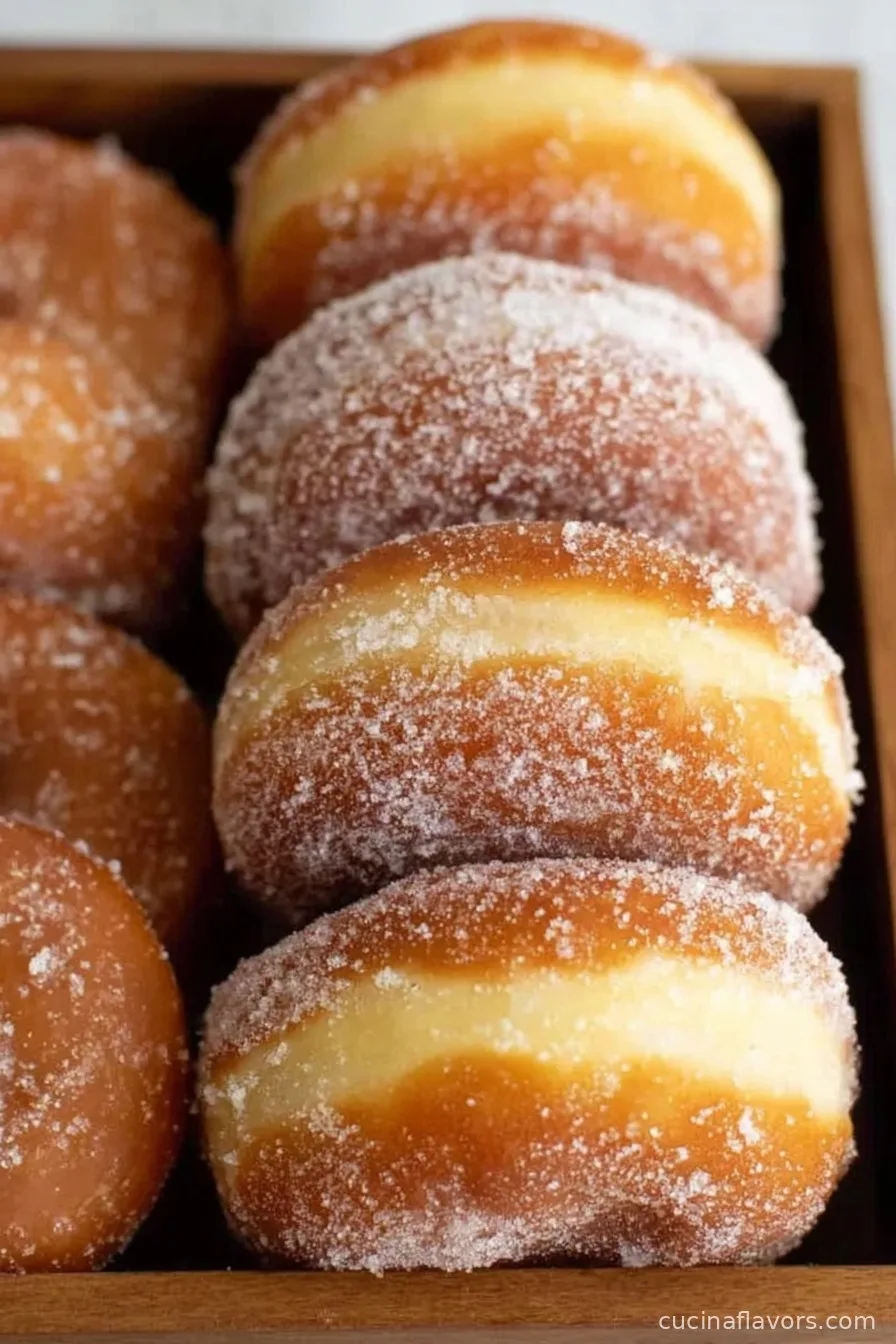
Donuts, also known as doughnuts, have a storied history that can be traced back as far as Dutch settlers in America, who brought the tradition of frying dough in oil. Over time, these delightful pastries evolved into the ring-shaped, sugar-dusted confections adored worldwide today.
Making them at home may seem daunting, yet the process is simple, fun, and incredibly rewarding. With the popularity of baking trending in recent times, many have turned to homemade donuts to enjoy better flavors and ingredients than store-bought options.
This homemade donuts recipe ensures you get soft, fluffy interiors with a slight crisp on the outside, all while controlling the quality of ingredients. By following this recipe, you will discover the joy of creating a classic dessert that is customizable with your favorite toppings and fillings.
Whether glazed, dusted with sugar, or filled with jam, homemade donuts are a universally loved treat perfect for breakfast, dessert, or social gatherings.
With easy-to-find ingredients and clear instructions, this homemade donuts recipe is designed for both beginners and seasoned bakers, giving you the confidence to fry or bake donuts to perfection every time.
Ingredients
- 2 ¼ teaspoons (1 packet) active dry yeast
- 1 cup warm milk (about 110°F/43°C)
- ¼ cup granulated sugar
- 2 large eggs, room temperature
- 4 tablespoons unsalted butter, melted
- 1 teaspoon salt
- 1 teaspoon vanilla extract
- 4 cups all-purpose flour (plus extra for dusting)
- Vegetable oil (for frying)
- 1 ½ cups powdered sugar (for glaze, optional)
- 2-3 tablespoons milk (for glaze, optional)
- ½ teaspoon vanilla extract (for glaze, optional)
Instructions
- In a large bowl, dissolve the active dry yeast in warm milk and let it sit for about 5 minutes until foamy.
- Add granulated sugar, eggs, melted butter, salt, and vanilla extract to the yeast mixture and mix until combined.
- Gradually add the flour, one cup at a time, mixing with a wooden spoon or dough hook until a soft dough forms.
- Knead the dough on a lightly floured surface for 5-7 minutes, or until smooth and elastic.
- Place the dough in a greased bowl, cover with a clean towel, and let it rise in a warm place for 1 to 1.5 hours, or until doubled in size.
- Punch down the risen dough and roll it out to about ½-inch (1.2 cm) thickness on a floured surface.
- Cut out donut shapes using a 3-inch donut cutter or a glass and a small cap for the center hole.
- Arrange the cut donuts and holes on baking sheets lined with parchment paper. Cover and let them rise for another 30-45 minutes until puffy.
- Heat oil in a deep fryer or large pot to 350°F (175°C). Gently slide the donuts, a few at a time, into the hot oil. Fry for about 1 minute per side or until golden brown.
- Remove donuts with a slotted spoon and drain on paper towels.
- For the glaze, whisk together powdered sugar, milk, and vanilla extract until smooth. Dip each donut into the glaze or dust with sugar as preferred.
- Allow glaze to set before serving. Enjoy your fresh homemade donuts warm.
Nutritional Information
Homemade donuts, when consumed in moderation, make for a delightful treat. Each standard-sized donut contains approximately 250 to 300 calories, depending on its size and the specific ingredients used, especially if glazed. The majority of these calories stem from carbohydrates in the flour and sugar.
The recipe also provides protein from the eggs and milk, along with small amounts of healthy fats from the butter. However, frying the donuts does increase their fat content, predominantly from the oil used during frying.
You can reduce the calorie and fat intake by baking the donuts instead of frying them or opting for a light dusting of sugar rather than a heavy glaze. Sodium levels in homemade donuts can be controlled by adjusting the quantity of salt used.
Additionally, making donuts at home generally means fewer preservatives and additives compared to store-bought varieties, making them a cleaner option for an occasional indulgence. For those seeking healthier alternatives, whole wheat flour and natural sweeteners can be integrated without sacrificing much flavor or texture.
Overall, enjoying homemade donuts as part of a balanced diet can fit into most healthy lifestyles when attention is given to portion sizes and toppings.
Wine and Beverage Pairings
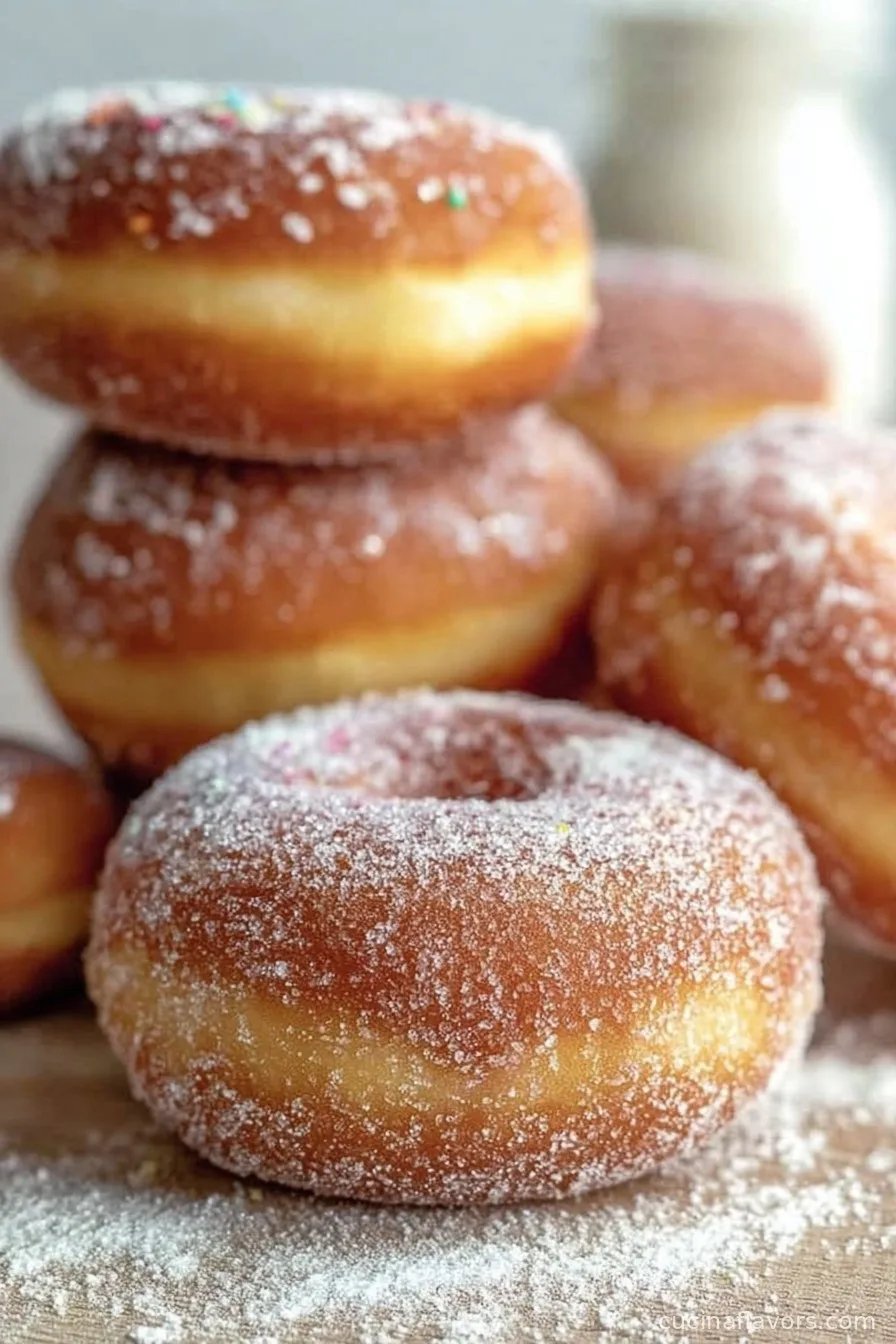
Pair your homemade donuts with classic beverages like fresh-brewed coffee, cappuccino, or hot chocolate for a comforting breakfast or dessert experience. For a refreshing option, try cold milk or a vanilla milkshake.
If you wish to serve donuts as a special dessert, sparkling wines such as Moscato or Prosecco make delightful accompaniments, balancing the sweetness with their light bubbles. Chai tea or spiced black teas also complement the sugary, rich flavors of freshly made donuts.
Cooking Tips and Variations
Cooking the perfect homemade donuts involves paying close attention to dough consistency, proofing time, and frying temperature. For the softest donuts, ensure your dough is slightly sticky but not overly wet; add flour gradually and avoid over-kneading, which may toughen the final product.
Allowing the donuts to rise sufficiently during both proofing periods is crucial for creating that light, airy interior. When frying, use a thermometer to keep the oil temperature consistent at 350°F (175°C).
If the oil is too hot, the donuts will brown too quickly on the outside while remaining raw inside; if too cool, they will absorb excess oil and become greasy.
For variation, after frying, try tossing the donuts in cinnamon sugar or filling them with jam or custard using a piping bag. You can also prepare baked versions by placing the shaped dough on a baking tray, brushing with melted butter, and baking at 375°F (190°C) for about 10-12 minutes.
Flavoring the glaze with cocoa, citrus zest, or espresso powder adds a gourmet touch. To save time, the dough can be prepared the night before and left to rise in the refrigerator, ready for quick frying or baking the next morning.
Serving Suggestions
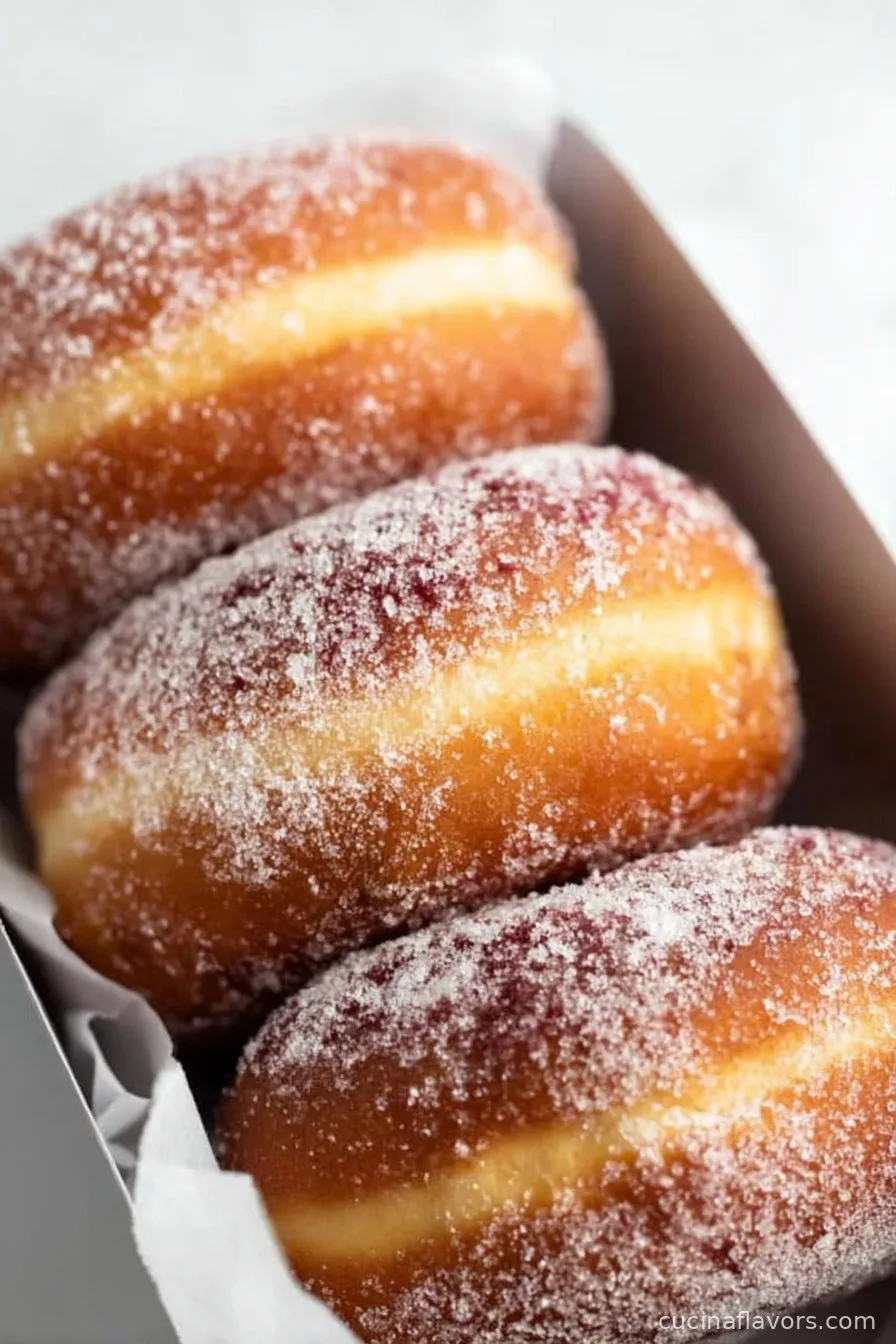
Homemade donuts are best enjoyed fresh and slightly warm, right after glazing or dusting with sugar. For gatherings, arrange a variety of donuts with different toppings—classic glaze, chocolate, powdered sugar, and cinnamon sugar—on a large platter to allow guests to sample multiple flavors.
To make your donuts even more enticing, set up a donut bar with bowls of sprinkles, shredded coconut, crushed nuts, and flavored glazes, encouraging a create-your-own-donut experience. When serving as a breakfast treat or brunch option, pair them with fresh seasonal fruit for a beautiful contrast in flavors and colors.
Donuts can be stacked creatively or served with mini flags or toothpicks for festive presentations. For a gourmet dessert twist, slice the donuts horizontally and fill them with whipped cream, ice cream, or fruit preserves.
If you have leftovers, reheat in a microwave for a few seconds or warm in a low oven to restore their soft texture.
Homemade donuts also store well in airtight containers at room temperature for up to two days or can be frozen for longer storage—just defrost and reheat before serving.
Health Benefits
While homemade donuts should be enjoyed as an occasional treat given their sugar and fat content, making them at home does provide several health advantages over store-bought versions. You have control over the ingredients, which allows you to reduce or substitute certain items to suit dietary needs.
For example, using whole wheat flour or reducing the sugar amount can make donuts more fiber-rich and lower in refined sugars. Preparing donuts at home also means no artificial preservatives, colors, or trans fats, making them a cleaner, more natural option.
For those with dairy or egg sensitivities, plant-based milk and egg replacements are effective alternatives. Fried versions are higher in fat, but baking instead of frying can reduce calories and unhealthy oils.
Homemade donuts can also be customized with nutrient-rich fillings like fruit purees or nut butters for added health benefits. As with all indulgent treats, portion control is key, and pairing donuts with protein-rich sides like yogurt or eggs can help stabilize blood sugar levels.
Frequently Asked Questions
Yes, you can substitute yeast with baking powder to create cake-style donuts, but the texture will differ, resulting in a denser crumb rather than the airy, fluffy texture characteristic of yeast-raised donuts.
Absolutely. Arrange the shaped dough on a lined baking tray, brush lightly with melted butter, and bake at 375°F (190°C) for about 10-12 minutes or until golden, then glaze or dust as desired.
Store cooled donuts in an airtight container at room temperature for up to two days. For longer storage, place them in freezer-safe bags, freeze, and reheat gently before serving.
If the oil temperature is too low while frying, donuts absorb more oil. Always maintain an oil temperature of 350°F (175°C) and avoid overcrowding the pan to ensure perfect, non-greasy donuts.
Yes, you can make the dough the night before and let it rise, covered, in the refrigerator overnight. In the morning, shape, proof, and cook as per the recipe.
There’s something truly special about preparing a homemade donuts recipe and sharing the sweet results with family and friends. This recipe’s straightforward steps and versatile flavors make it easy for any home baker to master, whether you prefer classic glazed rings, dusted donut holes, or inventive fillings and toppings. The ability to customize your donuts ensures a treat that reflects your personal taste and dietary needs. By making homemade donuts, you not only enjoy fresher, more delicious results than store-bought, but you also create warm moments and lasting memories in your own kitchen. Whether for a weekend breakfast, special occasion, or simply to satisfy a sweet craving, this homemade donuts recipe is sure to delight and inspire you to return to it time and again.
Ingredients
- 2 ¼ teaspoons (1 packet) active dry yeast
- 1 cup warm milk (about 110°F/43°C)
- ¼ cup granulated sugar
- 2 large eggs, room temperature
- 4 tablespoons unsalted butter, melted
- 1 teaspoon salt
- 1 teaspoon vanilla extract
- 4 cups all-purpose flour (plus extra for dusting)
- Vegetable oil (for frying)
- 1 ½ cups powdered sugar (for glaze, optional)
- 2-3 tablespoons milk (for glaze, optional)
- ½ teaspoon vanilla extract (for glaze, optional)
Instructions
-
1In a large bowl, dissolve the active dry yeast in warm milk and let it sit for about 5 minutes until foamy.
-
2Add granulated sugar, eggs, melted butter, salt, and vanilla extract to the yeast mixture and mix until combined.
-
3Gradually add the flour, one cup at a time, mixing with a wooden spoon or dough hook until a soft dough forms.
-
4Knead the dough on a lightly floured surface for 5-7 minutes, or until smooth and elastic.
-
5Place the dough in a greased bowl, cover with a clean towel, and let it rise in a warm place for 1 to 1.5 hours, or until doubled in size.
-
6Punch down the risen dough and roll it out to about ½-inch (1.2 cm) thickness on a floured surface.
-
7Cut out donut shapes using a 3-inch donut cutter or a glass and a small cap for the center hole.
-
8Arrange the cut donuts and holes on baking sheets lined with parchment paper. Cover and let them rise for another 30-45 minutes until puffy.
-
9Heat oil in a deep fryer or large pot to 350°F (175°C). Gently slide the donuts, a few at a time, into the hot oil. Fry for about 1 minute per side or until golden brown.
-
10Remove donuts with a slotted spoon and drain on paper towels.
-
11For the glaze, whisk together powdered sugar, milk, and vanilla extract until smooth. Dip each donut into the glaze or dust with sugar as preferred.
-
12Allow glaze to set before serving. Enjoy your fresh homemade donuts warm.
Approximate Information for One Serving
Nutrition Disclaimers
Number of total servings shown is approximate. Actual number of servings will depend on your preferred portion sizes.
Nutritional values shown are general guidelines and reflect information for 1 serving using the ingredients listed, not including any optional ingredients. Actual macros may vary slightly depending on specific brands and types of ingredients used.
To determine the weight of one serving, prepare the recipe as instructed. Weigh the finished recipe, then divide the weight of the finished recipe (not including the weight of the container the food is in) by the desired number of servings. Result will be the weight of one serving.
Did you make this recipe?
Please consider Pinning it!
Leave a Reply