
Indian Butter Chickpeas is a classic North Indian dish that has quickly gained international popularity for its luxurious texture and irresistible flavor profile. This recipe, often referred to as vegetarian or vegan butter chicken, replaces chicken with protein-rich chickpeas, making it an inclusive choice for diverse diets.
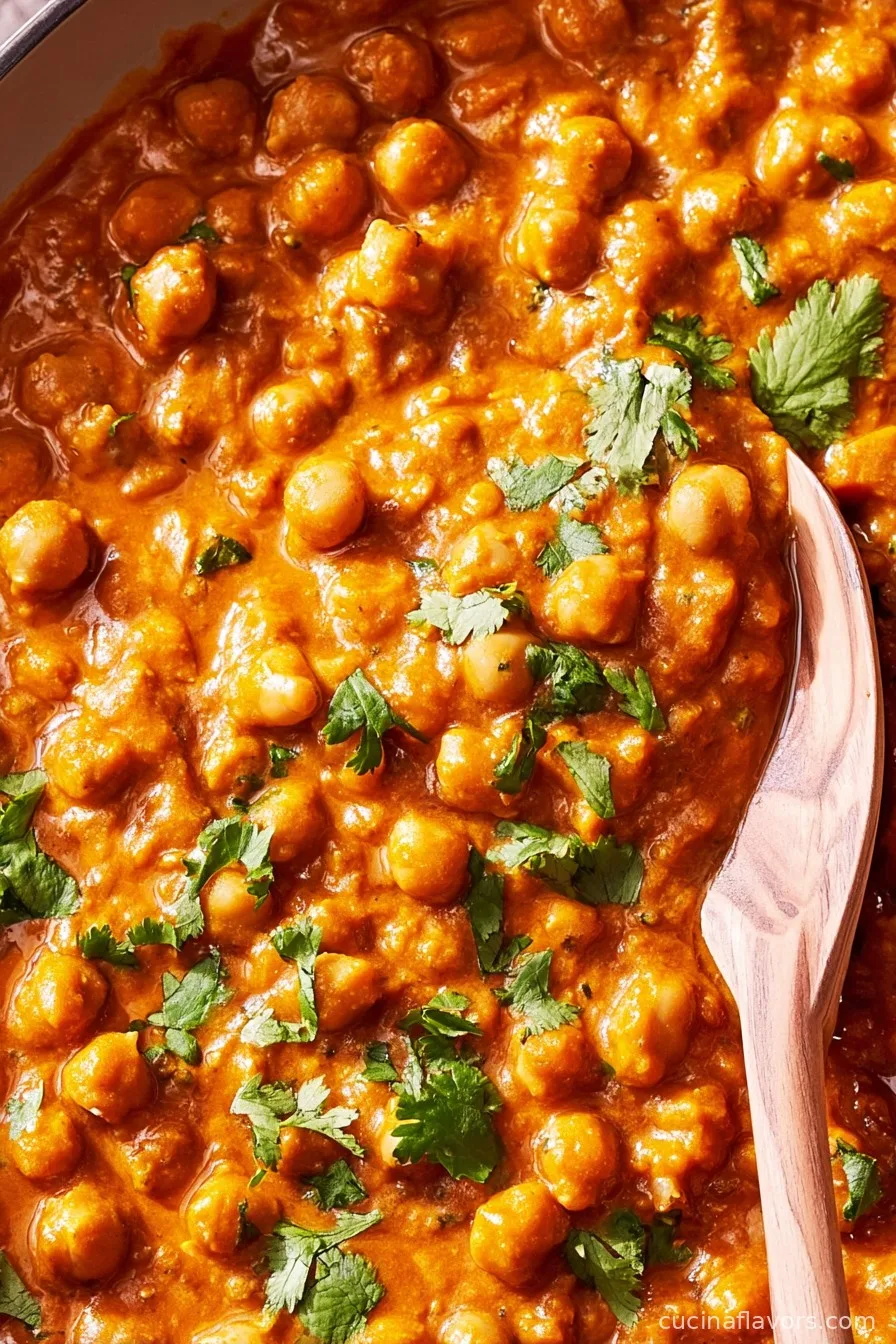
Its roots stem from the beloved ‘Butter Chicken’ or ‘Murgh Makhani’, a staple of Punjabi cuisine, first created in the kitchens of Delhi.
In this modern adaptation, the humble chickpea is simmered in a creamy, tomato-based sauce, enriched with cashew or cream, and harmoniously spiced with the likes of cumin, coriander, garam masala, paprika, and fenugreek.
The result is a hearty, comforting dish reminiscent of restaurant-style curries, yet accessible and easy to prepare at home. Whether you are a fan of traditional Indian flavors or new to the cuisine, Indian Butter Chickpeas promises a sumptuous experience, packed with warmth, depth, and well-balanced spices.
Enjoyed with rice or naan, this dish is also a wonderful introduction to Indian meals for children and families. It can be made ahead, customized for different palates (spicy or mild), and appeals to vegans, vegetarians, and omnivores alike.
Key to its enduring popularity is the velvety sauce that envelopes every chickpea, creating a deliciously satisfying main course ideal for lunch, dinner, or special occasions. Dive into the world of Indian Butter Chickpeas and discover why this dish has cemented its place in kitchens around the globe.
Ingredients
- 2 cups cooked chickpeas (or 1 15-ounce can, rinsed and drained)
- 2 tablespoons unsalted butter or vegan butter
- 1 tablespoon oil (vegetable or coconut)
- 1 large onion, finely chopped
- 4 cloves garlic, minced
- 1 tablespoon ginger, grated
- 1 teaspoon cumin seeds
- 1 teaspoon ground coriander
- 1 teaspoon garam masala
- 1 teaspoon smoked paprika
- ½ teaspoon turmeric powder
- ½ teaspoon chili powder (adjust to taste)
- 1 teaspoon sugar or maple syrup
- 1 14-ounce can crushed tomatoes
- ½ cup heavy cream or coconut cream
- ¼ cup cashew paste (soaked cashews blended with a little water) – optional
- 1 teaspoon dried fenugreek leaves (kasuri methi), crushed
- Salt and freshly ground black pepper, to taste
- Fresh cilantro, chopped (for garnish)
- Juice of half a lemon
Instructions
- Heat the butter and oil in a heavy-bottomed skillet or saucepan over medium heat.
- Add the cumin seeds and let them sizzle for a few seconds until fragrant.
- Stir in the chopped onion and sauté for 6-8 minutes until soft and starting to caramelize.
- Add the minced garlic and grated ginger. Stir and cook for 1-2 minutes until aromatic.
- Sprinkle in coriander, garam masala, smoked paprika, turmeric, and chili powder. Cook for 1 minute, stirring, so the spices bloom.
- Pour in the crushed tomatoes and sugar. Mix well and let simmer for 8-10 minutes, stirring occasionally, until the sauce thickens and deepens in color.
- Add the cooked chickpeas and stir to coat them with the sauce.
- If using cashew paste, stir it in now for a richer texture.
- Lower the heat and pour in the cream or coconut cream, mixing gently to combine.
- Add dried fenugreek leaves, salt, and pepper. Simmer for another 8-10 minutes, stirring occasionally, until the sauce is creamy and the chickpeas are tender.
- Adjust seasoning. If desired, add a splash of water for a thinner sauce or let simmer uncovered for a thicker consistency.
- Stir in lemon juice before serving and garnish with fresh cilantro.
Nutritional Information
Indian Butter Chickpeas is not only a feast for the senses but also a source of valuable nutrients beneficial for daily health. Each serving offers a balanced combination of carbohydrates, proteins, and healthy fats, primarily from whole chickpeas, a staple of plant-based diets.
Chickpeas are rich in dietary fiber, which aids in digestion and helps maintain stable blood sugar levels. They also provide essential plant-based protein, making this recipe satisfying and supportive for muscle repair and growth.
The creamy sauce draws from either dairy cream or coconut cream, contributing to both the luscious mouthfeel and important fat-soluble vitamins like A, D, and E.
The inclusion of anti-inflammatory spices—such as ginger, turmeric, and garlic—brings antioxidants and micronutrients that have been linked with overall wellness, improved immunity, and heart health. When using coconut cream and vegan butter, the recipe becomes entirely dairy-free and cholesterol-free, broadening its appeal.
The moderate amount of butter (or alternative) delivers flavor without excessive saturated fats, particularly when paired with heart-smart oils such as coconut or olive. Cashews, if added, introduce additional minerals, especially magnesium and zinc.
A typical serving of Indian Butter Chickpeas (without rice or naan) contains approximately 350-400 calories, 10-12 grams of protein, 12-15 grams of fat, 50-55 grams of carbohydrates, and 10-12 grams of fiber. Sodium content can be managed by minimizing added salt.
This dish, while rich and comforting, remains relatively low in cholesterol and is a smart choice for those seeking a hearty, nutrient-dense meal that supports varied dietary requirements.
Wine and Beverage Pairings
Indian Butter Chickpeas pairs delightfully with a range of beverages that complement its rich and spicy flavor profile. For an authentic meal, opt for a chilled glass of mango lassi or a lightly sweetened coconut water, both of which provide natural sweetness and help balance the savory spices.
If you prefer alcoholic pairings, choose a crisp Riesling or a Gewürztraminer wine; their fragrant, slightly sweet notes elegantly offset the heat and richness of the curry. An IPA or wheat ale also works well, offering a refreshing counterbalance to spices.
For a non-alcoholic option, ginger beer or a tart lemonade brings both refreshment and palate-cleansing qualities. Finally, traditional chai made with black tea and spices is an excellent after-meal companion, rounding out your Indian feast.
Cooking Tips and Variations
For the creamiest Indian Butter Chickpeas, always sauté your onions, garlic, and ginger thoroughly—this step lays the foundation for maximum flavor and is crucial for achieving that deep, rich undertone characteristic of authentic Indian curries.
Don’t rush the simmering process after adding the tomatoes—the longer the sauce cooks, the more balanced and concentrated the flavors become.
For a richer, more restaurant-style curry, blend your sauce before adding the chickpeas; this step creates a velvety texture but is entirely optional if you prefer a chunkier, rustic feel.
If you don’t have access to dried fenugreek leaves (kasuri methi), add a pinch of ground fenugreek seed or simply omit it. Cashew paste enhances creaminess but can be omitted or replaced with soaked almonds if there are nut allergies.
For a spicier variation, increase the chili powder or add diced green chilies with the onions. If you prefer a lighter dish, substitute part of the cream with a splash of plant-based milk.
To save time, canned chickpeas are highly convenient, but if using dried chickpeas, soak and cook them until they are soft yet hold their shape. Leftovers reheat beautifully and often taste even better the next day.
For a unique twist, add a handful of baby spinach or peas during the final simmer for added color and nutrition. Feel free to experiment by adding roasted vegetables or even tofu for extra substance, creating endless variations to suit every taste.

Serving Suggestions
Serve Indian Butter Chickpeas piping hot, garnished generously with fresh cilantro and a squeeze of lemon juice for added brightness. Accompany the dish with steamed basmati rice for a classic pairing, or explore alternative grains like brown rice, quinoa, or fluffy millet for added nutritional variety.
Warm, pillowy naan—plain, garlic, or buttered—is the perfect utensil for scooping up the creamy sauce and chickpeas. For a gluten-free alternative, offer rotis made from chickpea flour or crispy papadums.
Complement your meal with tangy cucumber raita or a simple kachumber salad (diced cucumber, onion, and tomato with lemon and spices) to balance the richness of the curry. For festive occasions, add other Indian favorites such as vegetable samosas, mango chutney, or pickled onions to create a vibrant, multi-course spread.
Indian Butter Chickpeas also shines as part of a thali (traditional platter) alongside dal, sautéed greens, and a small dessert like gulab jamun or rice pudding.
If entertaining, present the curry in a serving bowl with extra lemon wedges and cilantro on the side, inviting guests to customize flavors to their liking.
No matter the setting, this dish's creamy texture and harmonious spices offer a comforting and memorable meal suitable for both casual family dinners and special gatherings.
Health Benefits
Indian Butter Chickpeas is a wholesome, well-balanced dish that supports overall health while delivering comforting flavors. Chickpeas are a key ingredient, boasting high levels of plant-based protein and dietary fiber. This combination aids in keeping you fuller for longer, supporting healthy weight management, gut wellness, and improved digestive function.
Chickpeas are also a source of complex carbohydrates, which provide steady, sustained energy without rapid spikes in blood sugar.
Using heart-healthy oils and moderating butter content ensures good cardiovascular balance, while the addition of anti-inflammatory spices—such as turmeric, ginger, and garlic—further bolsters immune health and may help reduce risk factors for chronic illnesses.
Cashews and coconut cream, when included, contribute unsaturated fats beneficial for brain function and vitamin absorption, while also making the dish suitable for vegetarians and vegans.
The absence of meat and the use of natural, minimally processed ingredients means this recipe is lower in cholesterol and trans fats, making it a smart meal choice even for those monitoring their heart health.
Serving with a side of vegetables and whole grains can enhance the fiber and micronutrient content, creating a truly balanced plate. Whether you follow a specific dietary regimen or simply aim to eat more plant-based meals, Indian Butter Chickpeas delivers both flavor and key nutrients to nourish the body.
Frequently Asked Questions
Yes, canned chickpeas are a great time-saving option and work perfectly in this recipe. Just be sure to rinse and drain them thoroughly before adding to the sauce.
Absolutely! Simply use vegan butter and coconut cream in place of dairy products. The recipe remains equally rich, creamy, and flavor-packed.
Increase the amount of chili powder or add fresh green chilies with the onions. You can also finish with a pinch of cayenne to enhance heat to your preferred level.
Yes, the flavors develop beautifully as it sits. Store in an airtight container in the refrigerator for up to 4 days. Reheat gently on the stovetop, adding a splash of water if needed.
Pair the dish with steamed basmati rice or naan, and add a side of cucumber raita or a simple Indian salad to balance the meal.
Indian Butter Chickpeas is a versatile, crowd-pleasing dish that effortlessly brings together the richness of Indian cuisine with modern, plant-based sensibilities. Featuring a creamy tomato sauce, aromatic spices, and protein-rich chickpeas, this recipe is adaptable for various dietary needs and perfect for both weeknights and celebrations. It offers warmth, comfort, and nutrition in every bite, making it an ideal choice for families, gatherings, or anyone seeking a satisfying, meatless meal. Easy to prepare and even better when reheated, Indian Butter Chickpeas is sure to become a favorite in your kitchen. Discover the magic of Indian flavors and enjoy a dish that nourishes both body and soul.
Ingredients
- 2 cups cooked chickpeas (or 1 15-ounce can, rinsed and drained)
- 2 tablespoons unsalted butter or vegan butter
- 1 tablespoon oil (vegetable or coconut)
- 1 large onion, finely chopped
- 4 cloves garlic, minced
- 1 tablespoon ginger, grated
- 1 teaspoon cumin seeds
- 1 teaspoon ground coriander
- 1 teaspoon garam masala
- 1 teaspoon smoked paprika
- ½ teaspoon turmeric powder
- ½ teaspoon chili powder (adjust to taste)
- 1 teaspoon sugar or maple syrup
- 1 14-ounce can crushed tomatoes
- ½ cup heavy cream or coconut cream
- ¼ cup cashew paste (soaked cashews blended with a little water) – optional
- 1 teaspoon dried fenugreek leaves (kasuri methi), crushed
- Salt and freshly ground black pepper, to taste
- Fresh cilantro, chopped (for garnish)
- Juice of half a lemon
Instructions
-
1Heat the butter and oil in a heavy-bottomed skillet or saucepan over medium heat.
-
2Add the cumin seeds and let them sizzle for a few seconds until fragrant.
-
3Stir in the chopped onion and sauté for 6-8 minutes until soft and starting to caramelize.
-
4Add the minced garlic and grated ginger. Stir and cook for 1-2 minutes until aromatic.
-
5Sprinkle in coriander, garam masala, smoked paprika, turmeric, and chili powder. Cook for 1 minute, stirring, so the spices bloom.
-
6Pour in the crushed tomatoes and sugar. Mix well and let simmer for 8-10 minutes, stirring occasionally, until the sauce thickens and deepens in color.
-
7Add the cooked chickpeas and stir to coat them with the sauce.
-
8If using cashew paste, stir it in now for a richer texture.
-
9Lower the heat and pour in the cream or coconut cream, mixing gently to combine.
-
10Add dried fenugreek leaves, salt, and pepper. Simmer for another 8-10 minutes, stirring occasionally, until the sauce is creamy and the chickpeas are tender.
-
11Adjust seasoning. If desired, add a splash of water for a thinner sauce or let simmer uncovered for a thicker consistency.
-
12Stir in lemon juice before serving and garnish with fresh cilantro.
Approximate Information for One Serving
Nutrition Disclaimers
Number of total servings shown is approximate. Actual number of servings will depend on your preferred portion sizes.
Nutritional values shown are general guidelines and reflect information for 1 serving using the ingredients listed, not including any optional ingredients. Actual macros may vary slightly depending on specific brands and types of ingredients used.
To determine the weight of one serving, prepare the recipe as instructed. Weigh the finished recipe, then divide the weight of the finished recipe (not including the weight of the container the food is in) by the desired number of servings. Result will be the weight of one serving.
Did you make this recipe?
Please consider Pinning it!
Leave a Reply