
Key Lime Cookies are a delightful fusion of crisp, buttery sweetness and the vibrant, tangy essence of key limes. Their unique flavor profile has made them a cherished treat for both summer gatherings and year-round indulgence.
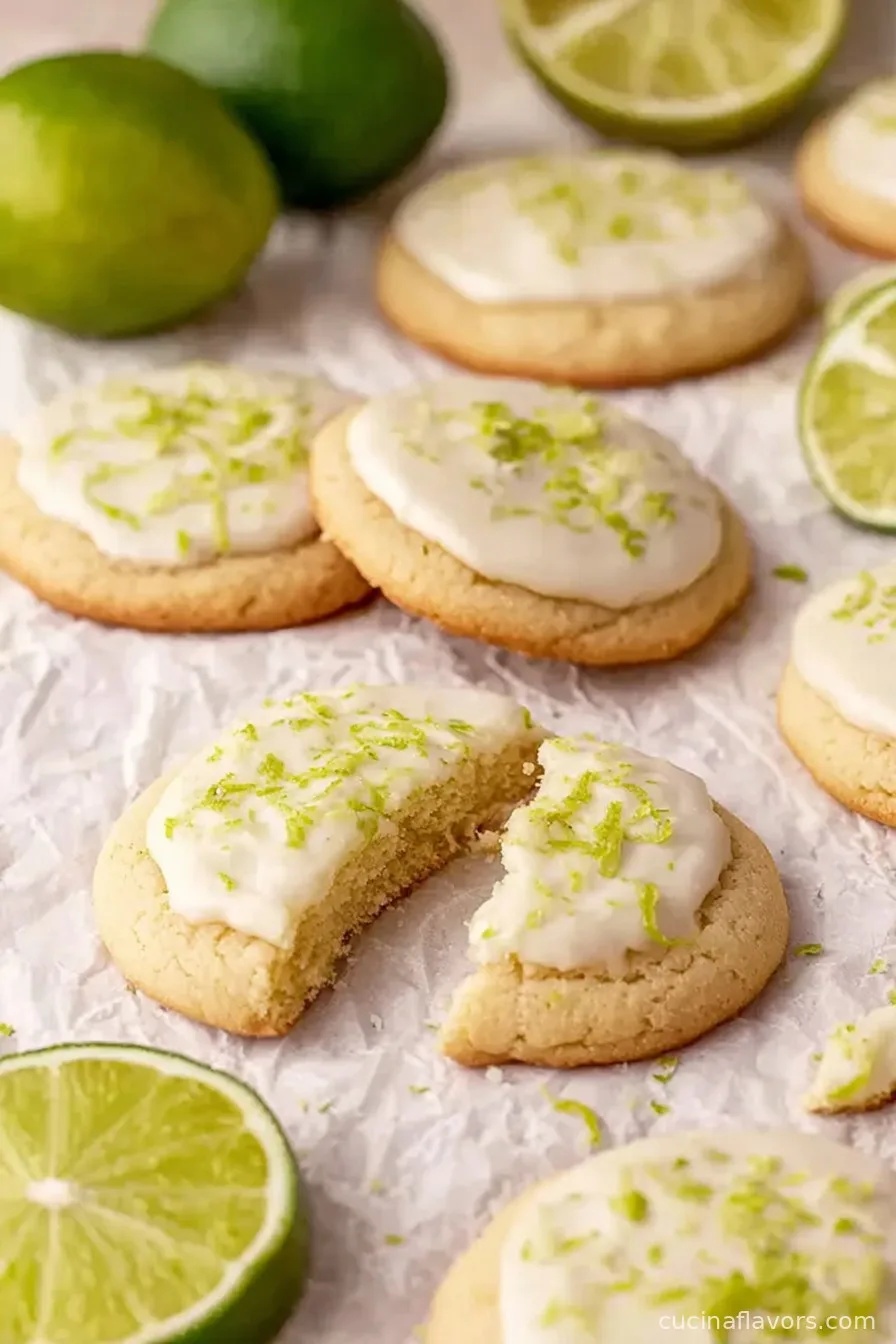
Originating as a creative twist on the iconic Key Lime Pie, Key Lime Cookies translate the signature citrusy zing into a bite-sized dessert that’s easy to share and impossible to resist.
Key limes, which are smaller and more aromatic than their Persian counterparts, lend a distinct floral and tart character to the cookies, making them especially memorable.
Traditionally found in the Florida Keys, key limes became famous in American baking for their unforgettable impact in pies, tarts, and now increasingly in cookie form.
Over the years, bakers have embraced the challenge of balancing the tartness of key lime juice with just the right amount of sugar and butter to achieve the perfect cookie texture.
With their cheerful pale-green tint and a dusting of powdered sugar or a drizzle of glaze, Key Lime Cookies not only taste incredible but also look striking on any dessert table.
In today’s recipe, you’ll learn how to capture that iconic zing, use fresh or bottled key lime juice, and produce cookies that are soft in the center with a satisfying edge—a treat that’s sure to brighten any day and become a staple in your dessert repertoire.
Whether you are a passionate home baker or just starting out, Key Lime Cookies are the perfect way to add a little sunshine and history to your kitchen.
Ingredients
- 1 ½ cups all-purpose flour
- ½ teaspoon baking soda
- ½ teaspoon salt
- ½ cup unsalted butter, softened
- ¾ cup granulated sugar
- 1 large egg
- 2 tablespoons key lime juice (fresh or bottled)
- 1 tablespoon key lime zest
- 1 teaspoon vanilla extract
- ½ cup powdered sugar (for dusting or glaze, optional)
Instructions
- Preheat your oven to 350°F (175°C) and line a baking sheet with parchment paper.
- In a medium bowl, whisk together the all-purpose flour, baking soda, and salt. Set aside.
- In a large mixing bowl, cream the softened butter with the granulated sugar until light and fluffy, about 3-4 minutes using an electric mixer.
- Beat in the egg, then mix in the key lime juice, key lime zest, and vanilla extract until well combined.
- Gradually add the flour mixture to the wet ingredients, mixing just until combined. Do not overmix.
- Using a tablespoon or cookie scoop, drop rounded balls of dough onto the prepared baking sheet, spacing them about 2 inches apart.
- Bake for 10-12 minutes or until the edges are set and lightly golden but the centers are still soft.
- Allow the cookies to cool for 5 minutes on the baking sheet, then transfer them to a wire rack to cool completely.
- If desired, dust the cooled cookies with sifted powdered sugar or drizzle them with a simple glaze made from powdered sugar and extra key lime juice.
- Store the Key Lime Cookies in an airtight container at room temperature for up to 5 days.
Nutritional Information
Key Lime Cookies offer a flavorful treat without excessive calories when enjoyed in moderation. Each cookie (assuming a batch yields about 24) contains approximately 90-100 calories, primarily from carbohydrates and fats.
The butter adds richness and a source of saturated fat; for those mindful of health, substitutions like light butter or a portion of unsaturated oils are possible. Each cookie provides around 1.5 grams of protein, 12 grams of carbohydrates, and 4 grams of fat, with minimal fiber.
The key limes themselves contribute a modest amount of vitamin C, an antioxidant that supports immune function, while the eggs provide a small boost of protein and essential vitamins such as B12.
While the sugar gives the cookies their sweetness and crisp edges, excessive consumption of sugary treats is not ideal for those monitoring blood sugar levels. However, the recipe can be easily adapted to suit dietary preferences by reducing sugar or using sugar alternatives.
As a treat, Key Lime Cookies are best enjoyed as part of a balanced diet, offering a zesty and refreshing dessert without overwhelming your daily calorie intake. Those with gluten sensitivities can opt for a gluten-free flour blend, and those with dairy restrictions can use plant-based butter alternatives.
Homemade cookies like these are preferable to many packaged sweets, as they omit artificial additives and preservatives.

Wine and Beverage Pairings
Key Lime Cookies pair wonderfully with a variety of drinks. For a non-alcoholic option, consider serving them with a chilled glass of sparkling water with a splash of lime or a tall iced green tea subtly enhanced with fresh mint.
These options enhance the zesty lime flavor while refreshing the palate. For those seeking something richer, a light coconut milk latte or vanilla rooibos tea creates a creamy counterpoint.
If you're inclined toward wine, a sweet Riesling or Moscato complements the cookies’ acidity, while a glass of Prosecco brings celebratory bubbles perfect for special occasions. For a tropical twist, try serving Key Lime Cookies with a coconut mojito or a tangy passion fruit cocktail for a dessert-inspired happy hour.
Cooking Tips and Variations
When preparing Key Lime Cookies, the use of fresh key lime juice and zest will elevate their aroma and flavor, lending an authentic zing that bottled juice sometimes lacks.
If key limes are unavailable, bottled key lime juice or even regular lime juice can be substituted, though the taste profile will change slightly.
For an extra flavor boost, add a pinch of finely chopped crystallized ginger or a tiny splash of coconut extract to the dough—this pairs beautifully with the citrus notes.
To make your cookies extra soft, avoid overbaking; remove them from the oven when the edges are just golden and the centers look soft—they’ll firm up as they cool.
For those seeking a decorative touch, roll dough balls in powdered sugar prior to baking or drizzle with a key lime glaze after cooling. Those looking to make gluten-free Key Lime Cookies can substitute a 1:1 gluten-free baking blend for the all-purpose flour.
Vegan versions are possible with plant-based butter and a flax egg. Double the key lime zest for sharper citrus notes, or incorporate a handful of white chocolate chips for a decadent version. To intensify the tang, use a touch of cream of tartar in the dough.
Store cookies properly to maintain their texture and vibrant citrus flavor.

Serving Suggestions
Key Lime Cookies shine as a centerpiece for dessert tables, afternoon teas, or festive gatherings. For a visually stunning presentation, arrange the cookies on a white platter and scatter thin lime zest curls across for a pop of color.
They are perfect companions to other citrus or tropical desserts, allowing for a vibrant, themed spread. Offer them alongside bowls of fresh berries or a scoop of coconut sorbet for a well-balanced treat.
These cookies also work beautifully as edible gifts—simply pack them in a decorative tin lined with parchment paper for birthdays, holidays, or as thoughtful tokens. At summer picnics or backyard barbecues, set out Key Lime Cookies with chilled lemonade to complete a sunny afternoon.
For a more sophisticated serving, plate them with dollops of lightly whipped cream, a sprinkle of extra zest, or a drizzle of key lime glaze. Because they're not overly sweet or rich, they make an excellent palate cleanser between courses or as a light finish after heavier meals.
If entertaining, alternate the cookies on trays with chocolate-dipped fruits or petite cheesecakes for maximum variety and a delightful burst of citrus in each bite.
Health Benefits
While Key Lime Cookies are primarily a treat, they do offer certain health-conscious benefits when consumed as part of a balanced diet.
The fresh lime juice and zest add not only flavor but also a dose of vitamin C, an essential antioxidant known to strengthen the immune system and support healthy skin.
By baking these cookies at home, you control the ingredients—eliminating unhealthy trans fats, artificial flavors, and preservatives commonly found in commercial baked goods. For those seeking to lower their calorie or sugar intake, natural sugar substitutes or less sugar overall can be used without greatly affecting the taste or texture.
Incorporating whole wheat pastry flour or a portion of almond flour can lend extra fiber and nutrients. Swapping to plant-based butter or adding nuts like pecans provides healthy fats and additional nutritional benefits. The moderate portion size and bright citrus flavor help satisfy sweet cravings while preventing overindulgence.
Those with gluten or dairy sensitivities can easily adapt the recipe to suit their dietary needs, ensuring everyone can enjoy the cheerful flavor of Key Lime Cookies while maintaining their well-being.
Frequently Asked Questions
Yes, you can substitute regular Persian limes for key limes in Key Lime Cookies. The flavor will be slightly less floral and tart, but the cookies will still be delicious and citrusy.
Absolutely! You can prepare the Key Lime Cookies dough up to 48 hours in advance. Cover it tightly and refrigerate. When ready to bake, let it sit at room temperature for 10-15 minutes to soften slightly before scooping.
To make gluten-free Key Lime Cookies, use a measured-for-measured gluten-free baking flour blend in place of the all-purpose flour. Check that all additional ingredients are gluten-free as well.
Yes, you can freeze baked Key Lime Cookies in a freezer-safe container for up to 2 months. Thaw them at room temperature or reheat briefly in a warm oven for a freshly-baked effect.
Use a microplane or fine grater to zest only the bright green outer layer of the key lime, avoiding the bitter white pith. Fresh zest adds the best aroma and intense flavor to your cookies.
Key Lime Cookies are the epitome of bright, zesty bliss—a sweet treat that captures the spirit of tropical sunshine in every bite. Their balance of tangy key lime and buttery richness makes them a favorite for gatherings, gifts, or simply enjoying with loved ones at home. Easy to make and endlessly adaptable, they’re perfect for bakers of all skill levels. Whether you stick with the classic recipe or explore creative variations, these cookies offer a refreshing twist on traditional desserts and are sure to become a staple in your kitchen. Bake a batch of Key Lime Cookies today, savor the citrus aroma, and let every crumb transport you to a sunny, carefree day.
Ingredients
- 1 ½ cups all-purpose flour
- ½ teaspoon baking soda
- ½ teaspoon salt
- ½ cup unsalted butter, softened
- ¾ cup granulated sugar
- 1 large egg
- 2 tablespoons key lime juice (fresh or bottled)
- 1 tablespoon key lime zest
- 1 teaspoon vanilla extract
- ½ cup powdered sugar (for dusting or glaze, optional)
Instructions
-
1Preheat your oven to 350°F (175°C) and line a baking sheet with parchment paper.
-
2In a medium bowl, whisk together the all-purpose flour, baking soda, and salt. Set aside.
-
3In a large mixing bowl, cream the softened butter with the granulated sugar until light and fluffy, about 3-4 minutes using an electric mixer.
-
4Beat in the egg, then mix in the key lime juice, key lime zest, and vanilla extract until well combined.
-
5Gradually add the flour mixture to the wet ingredients, mixing just until combined. Do not overmix.
-
6Using a tablespoon or cookie scoop, drop rounded balls of dough onto the prepared baking sheet, spacing them about 2 inches apart.
-
7Bake for 10-12 minutes or until the edges are set and lightly golden but the centers are still soft.
-
8Allow the cookies to cool for 5 minutes on the baking sheet, then transfer them to a wire rack to cool completely.
-
9If desired, dust the cooled cookies with sifted powdered sugar or drizzle them with a simple glaze made from powdered sugar and extra key lime juice.
-
10Store the Key Lime Cookies in an airtight container at room temperature for up to 5 days.
Approximate Information for One Serving
Nutrition Disclaimers
Number of total servings shown is approximate. Actual number of servings will depend on your preferred portion sizes.
Nutritional values shown are general guidelines and reflect information for 1 serving using the ingredients listed, not including any optional ingredients. Actual macros may vary slightly depending on specific brands and types of ingredients used.
To determine the weight of one serving, prepare the recipe as instructed. Weigh the finished recipe, then divide the weight of the finished recipe (not including the weight of the container the food is in) by the desired number of servings. Result will be the weight of one serving.
Did you make this recipe?
Please consider Pinning it!
Leave a Reply