
Peanut Chickpea Protein Bowls have rapidly become a beloved staple among health enthusiasts, vegetarians, and anyone seeking a delicious, protein-packed meal. The rise in popularity of plant-based nutrition has paved the way for creative recipes that offer both taste and essential nutrients.
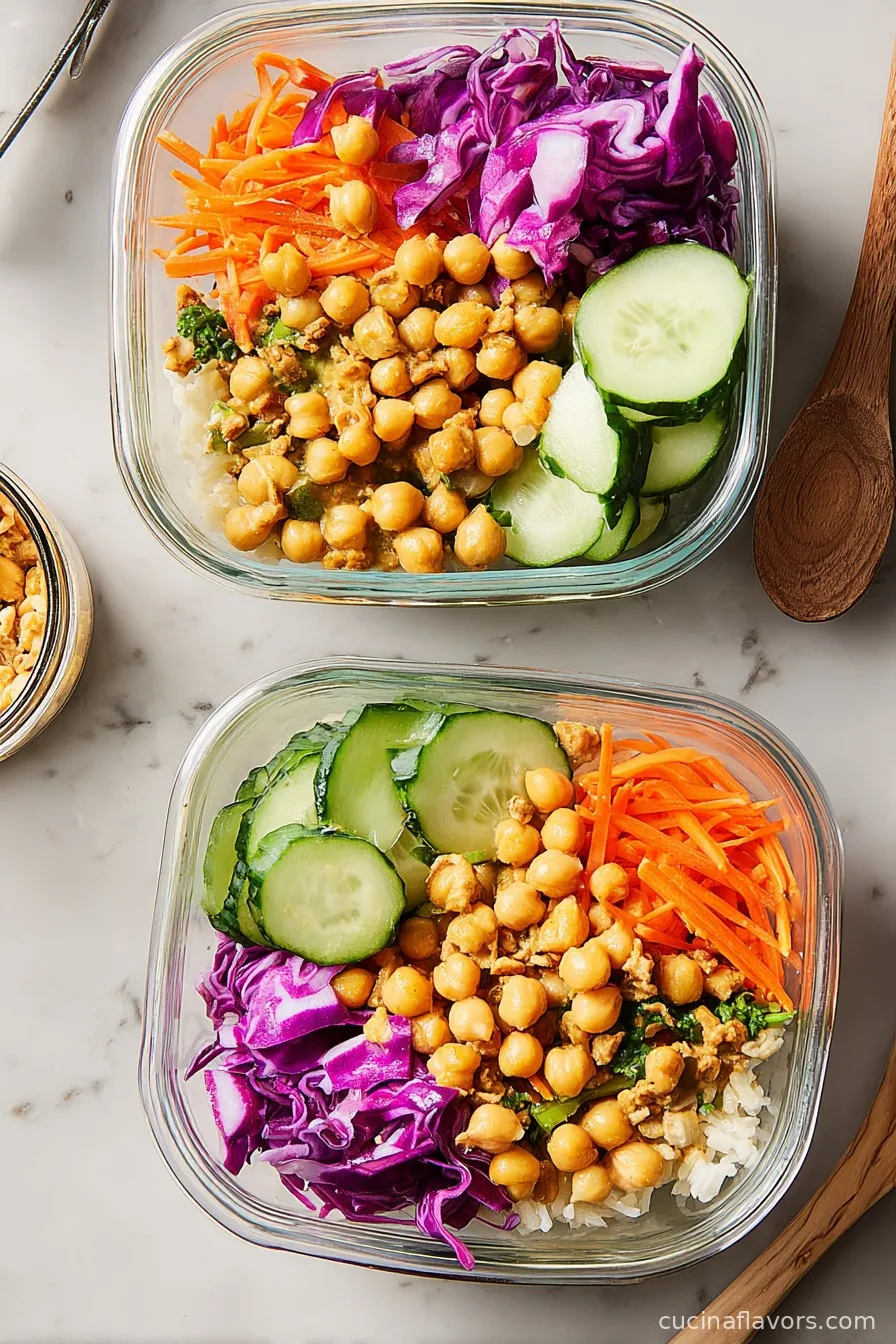
Peanut Chickpea Protein Bowls perfectly embody this trend by combining the rich, nutty flavor of peanut sauce with the heartiness of chickpeas and fresh vegetables to deliver a well-balanced dish.
Chickpeas, also known as garbanzo beans, boast a long history in global cuisines, particularly in Middle Eastern and Mediterranean diets, recognized for their high protein and fiber content.
Peanuts, native to South America, have been a nutritious protein source for centuries, often used to develop creamy sauces and toppings that add depth of flavor to savory dishes.
By blending these ingredients into a vibrant, colorful bowl, this recipe meets the needs of modern meal prep—quick assembly, easy storage, and excellent nutrition. Peanut Chickpea Protein Bowls are not only visually appealing but also versatile, accommodating various dietary preferences and ingredient swaps.
This meal is perfect for busy professionals, fitness fans, and families searching for an easy-to-make dinner that doesn't sacrifice taste or nutrition. Whether enjoyed fresh or as part of your weekly meal prep, these nourishing bowls deliver a satisfying crunch, a creamy bite, and plenty of plant-powered goodness.
With their bold flavors and balanced macros, Peanut Chickpea Protein Bowls deserve a spot in every healthy recipe repertoire.
Ingredients
- 1 can (15 oz) chickpeas, drained and rinsed
- 2 cups cooked brown rice or quinoa
- 1 cup shredded carrots
- 1 red bell pepper, thinly sliced
- 1 cucumber, diced
- 2 cups fresh baby spinach or kale
- ¼ cup chopped roasted peanuts
- ¼ cup chopped fresh cilantro
- 1 tablespoon sesame seeds (optional)
- For the peanut sauce:
- ¼ cup creamy peanut butter
- 2 tablespoons soy sauce or tamari
- 1 tablespoon maple syrup or honey
- 1 tablespoon rice vinegar
- 1 teaspoon toasted sesame oil
- 2-3 tablespoons warm water (to thin sauce as needed)
- 1 clove garlic, minced
- 1 teaspoon grated fresh ginger
Instructions
- Prepare the peanut sauce by whisking together peanut butter, soy sauce, maple syrup, rice vinegar, sesame oil, garlic, and ginger in a bowl. Add warm water gradually until the sauce reaches a creamy but pourable consistency.
- Heat the chickpeas in a skillet over medium heat for 3-4 minutes, stirring gently, until warmed through. Season lightly with salt and pepper if desired.
- Divide the cooked brown rice or quinoa evenly among four bowls to serve as the base.
- Top each bowl with equal portions of chickpeas, shredded carrots, sliced bell pepper, diced cucumber, and baby spinach or kale.
- Generously drizzle the peanut sauce over the entire bowl.
- Garnish with chopped roasted peanuts, fresh cilantro, and sesame seeds if using.
- Serve immediately for the freshest taste, or refrigerate bowls in individual containers for up to 4 days for convenient meal prep.
Nutritional Information
Peanut Chickpea Protein Bowls offer a remarkable nutritional profile that makes them a smart choice for lunch, dinner, or a post-workout meal. Each serving provides approximately 420-480 calories depending on ingredient modifications and sauce portions.
Packed with plant-based protein, you can expect around 16-18 grams of protein per bowl, thanks to the chickpeas, peanut butter, and quinoa or brown rice. This meal is naturally high in fiber—about 10-12 grams per serving—helping to maintain consistent energy levels and promote digestive health.
Healthy fats from peanuts and peanut butter contribute to satiety and support heart health. The addition of a variety of fresh vegetables boosts the vitamin and mineral content, providing essential nutrients such as vitamin A, vitamin C, iron, and magnesium.
The bowl is relatively low in sugar, with natural sweetness coming from veggies and just a hint of maple syrup in the sauce. Adjusting the toppings or grains can further enhance the nutritional quality; for example, swapping rice for quinoa adds extra protein and minerals.
Peanut Chickpea Protein Bowls are naturally vegan and gluten-free when made with tamari and gluten-free grains, making them accessible to those with dietary restrictions. The balanced macros offered by this dish ensure it keeps you satisfied while fueling an active lifestyle.

Wine and Beverage Pairings
Peanut Chickpea Protein Bowls pair beautifully with crisp beverages that balance the richness of the peanut sauce and the freshness of the vegetables. A light, citrus-forward white wine such as Sauvignon Blanc or Pinot Grigio works well, as their acidity cuts through the creamy sauce and enhances the bowl's flavors.
For non-alcoholic pairings, try sparkling water with a splash of lime or a homemade iced green tea, both of which provide a refreshing palate cleanser. If you're in the mood for something warming, a cup of mildly spiced chai balances the earthy protein elements with subtle spice undertones.
These beverage options complement the dish without overpowering its delicate and bold notes.
Cooking Tips and Variations
Mastering Peanut Chickpea Protein Bowls is simple, but a few cooking tips and creative variations can elevate your bowl to the next level. If you prefer extra flavor, consider roasting your chickpeas with a sprinkle of smoked paprika or cumin for a crispy, spiced texture.
For those seeking a lower-carb version, swap out the rice or quinoa for cauliflower rice or mixed greens. Tired of the same vegetables? Switch things up with seasonal veggies like roasted sweet potatoes, steamed broccoli, or shredded red cabbage for extra color and nutrients.
To make the sauce even creamier, stir in a tablespoon of Greek yogurt or coconut cream. Allergy-friendly substitution options include using almond or sunflower butter instead of peanut butter. Crunchy toppings like pumpkin seeds or crispy fried onions can add a delightful texture contrast.
For meal prep, store the sauce separately and drizzle it over the bowls just before serving to keep the greens vibrant and the vegetables crisp. If you enjoy a bit of heat, add a dash of sriracha or chili flakes to the peanut sauce.
These versatile Peanut Chickpea Protein Bowls easily adapt to your pantry and taste preferences, making them a go-to for busy weeks.

Serving Suggestions
Serving Peanut Chickpea Protein Bowls is as visually appealing as it is nutritious. Arrange the cooked grains at the base, layering each ingredient to create a rainbow of textures and colors.
Present the bowl with the creamy peanut sauce drizzled on top, and finish with a generous garnish of chopped peanuts, cilantro, and sesame seeds. For family-style dining, consider setting out all the components buffet-style, allowing everyone to build their own protein bowl according to their tastes.
This interactive serving method is perfect for gatherings or potlucks, accommodating diverse dietary needs with ease. To transform your bowl into a hearty dinner, add a soft-boiled egg or grilled tofu on the side for an extra protein boost.
Serve alongside a fresh fruit salad or steamed edamame for a well-rounded meal. Peanut Chickpea Protein Bowls travel well in containers, making them ideal for lunchboxes and outdoor picnics. To keep the greens crisp for meal prep, store the sauce separately and add just before eating.
No matter how you choose to serve them, these bowls are guaranteed to bring color, crunch, and satisfaction to your table, making every mealtime enjoyable.
Health Benefits
Peanut Chickpea Protein Bowls are a powerhouse of plant-based nutrition, offering several health benefits in each bite. Chickpeas provide a hearty dose of plant protein and fiber, both essential for muscle maintenance, blood sugar management, and satiety.
The diverse assortment of colorful vegetables enriches the dish with vitamins, minerals, and antioxidants, supporting overall immune health and vitality. Peanuts and peanut butter supply beneficial unsaturated fats that help lower bad cholesterol and maintain heart health.
The fiber in the bowls promotes proper digestion and can contribute to a feeling of fullness, aiding in healthy weight management. Utilizing whole grains like brown rice or quinoa further boosts the meal's nutrient density, supplying complex carbohydrates for sustained energy.
This recipe is naturally vegan and can be easily adapted for gluten-free diets, ensuring it's inclusive for various food sensitivities. Incorporating dishes like Peanut Chickpea Protein Bowls into your weekly routine may support long-term wellness and provide balanced nutrition with every forkful.
Frequently Asked Questions
You can use either canned chickpeas for convenience or cook them from dried for enhanced texture and flavor. Both work well in Peanut Chickpea Protein Bowls.
Absolutely! Swap the peanut butter for sunflower seed butter and use roasted sunflower seeds in place of peanuts for a nut-free version.
Stored in airtight containers, the bowls will last up to 4 days. Keep the peanut sauce separate until ready to eat for maximum freshness.
Yes! Boost protein by adding grilled tofu, tempeh, a poached egg, or even grilled chicken if you are not strictly plant-based.
For a spicier sauce, stir in chili paste, sriracha, or a sprinkle of red pepper flakes. Taste and add gradually to achieve your preferred heat.
Peanut Chickpea Protein Bowls embody the perfect union of flavor, convenience, and nutrition, making them a standout option for anyone aiming to embrace a healthier eating routine. With their irresistible peanut sauce, flexible ingredient list, and impressive nutrient profile, these protein bowls are sure to become a favorite for meal prep or weeknight dinners. Adaptable to various dietary needs and bursting with color and flavor, they offer a satiating experience that's as good for your body as it is for your taste buds. Make Peanut Chickpea Protein Bowls part of your regular meal rotation to enjoy the vibrant benefits of plant-based eating in every delicious bite.
Ingredients
- 1 can (15 oz) chickpeas, drained and rinsed
- 2 cups cooked brown rice or quinoa
- 1 cup shredded carrots
- 1 red bell pepper, thinly sliced
- 1 cucumber, diced
- 2 cups fresh baby spinach or kale
- ¼ cup chopped roasted peanuts
- ¼ cup chopped fresh cilantro
- 1 tablespoon sesame seeds (optional)
- For the peanut sauce:
- ¼ cup creamy peanut butter
- 2 tablespoons soy sauce or tamari
- 1 tablespoon maple syrup or honey
- 1 tablespoon rice vinegar
- 1 teaspoon toasted sesame oil
- 2-3 tablespoons warm water (to thin sauce as needed)
- 1 clove garlic, minced
- 1 teaspoon grated fresh ginger
Instructions
-
1Prepare the peanut sauce by whisking together peanut butter, soy sauce, maple syrup, rice vinegar, sesame oil, garlic, and ginger in a bowl. Add warm water gradually until the sauce reaches a creamy but pourable consistency.
-
2Heat the chickpeas in a skillet over medium heat for 3-4 minutes, stirring gently, until warmed through. Season lightly with salt and pepper if desired.
-
3Divide the cooked brown rice or quinoa evenly among four bowls to serve as the base.
-
4Top each bowl with equal portions of chickpeas, shredded carrots, sliced bell pepper, diced cucumber, and baby spinach or kale.
-
5Generously drizzle the peanut sauce over the entire bowl.
-
6Garnish with chopped roasted peanuts, fresh cilantro, and sesame seeds if using.
-
7Serve immediately for the freshest taste, or refrigerate bowls in individual containers for up to 4 days for convenient meal prep.
Approximate Information for One Serving
Nutrition Disclaimers
Number of total servings shown is approximate. Actual number of servings will depend on your preferred portion sizes.
Nutritional values shown are general guidelines and reflect information for 1 serving using the ingredients listed, not including any optional ingredients. Actual macros may vary slightly depending on specific brands and types of ingredients used.
To determine the weight of one serving, prepare the recipe as instructed. Weigh the finished recipe, then divide the weight of the finished recipe (not including the weight of the container the food is in) by the desired number of servings. Result will be the weight of one serving.
Did you make this recipe?
Please consider Pinning it!
Leave a Reply