
Teriyaki Chicken Salad is a beloved fusion dish that beautifully combines the bold, umami flavors of Japanese teriyaki with the crisp freshness of a vibrant salad.
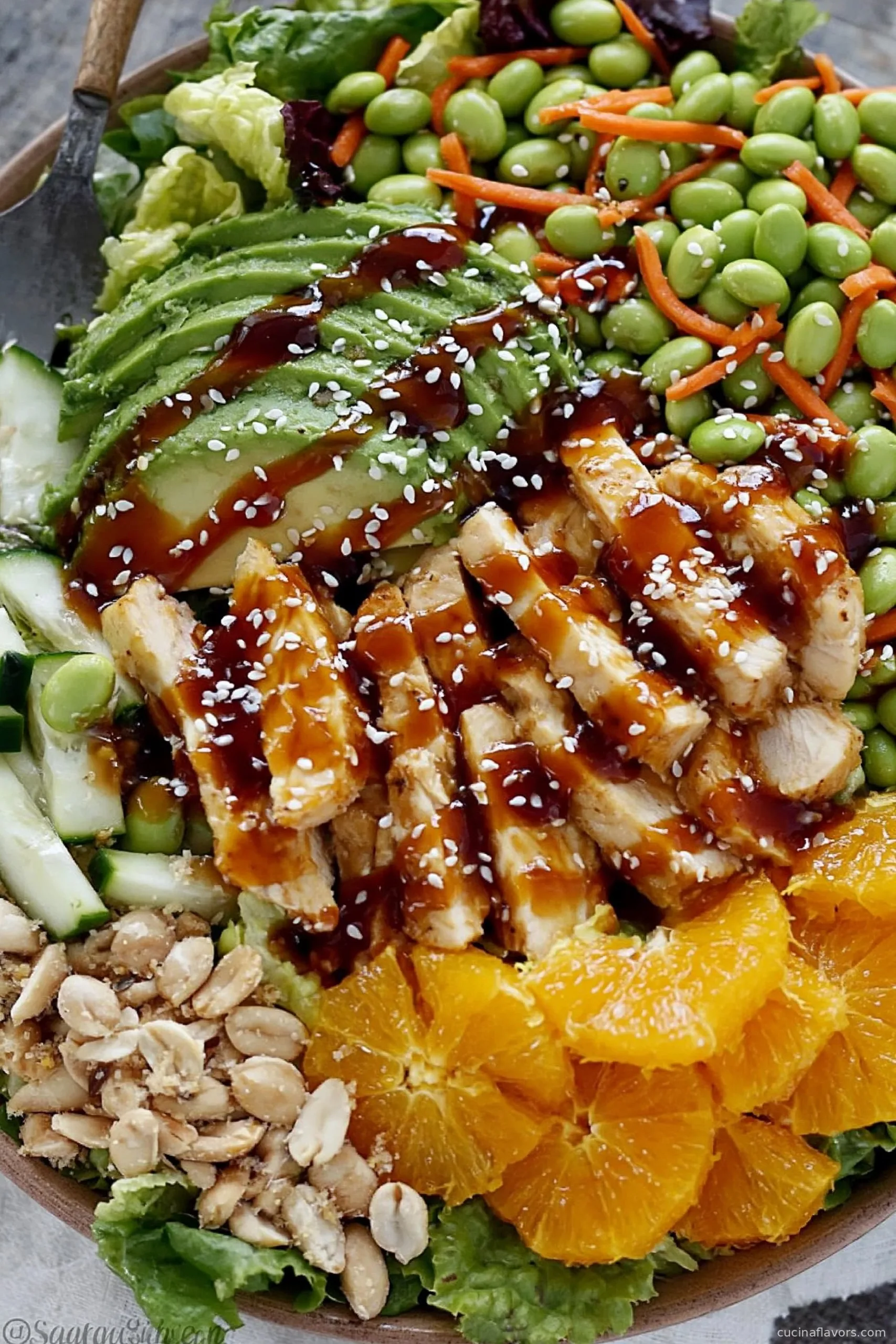
The origin of teriyaki sauce can be traced back to Japanese cooking, where "teri" means 'gloss' and "yaki" means 'grill' or 'broil.' This flavorful sauce, made primarily of soy sauce, mirin, and sugar, became popular during the 17th century and quickly found international fame.
In today’s global cuisine, teriyaki chicken is no longer limited to skewers or rice bowls; instead, it has found its way into light and wholesome salads, making it an excellent choice for health-conscious eaters who do not wish to compromise on taste.
The Teriyaki Chicken Salad is a perfect medley of tender marinated chicken tossed with a rainbow of vegetables, and it’s often topped with a delightful dressing or extra glaze for added zing.
This dish is not just a feast for your tastebuds but also your eyes, as the contrast of colors and textures creates an appetizing presentation. Whether you’re seeking a hearty lunch, a crowd-pleasing dinner, or a smart meal-prep solution, the Teriyaki Chicken Salad offers versatility and satisfaction.
Packed with protein, fiber, and vitamins, it’s the ideal recipe for those looking to savor something light yet full of flavor. Enjoy a culinary journey that celebrates the harmony between Japanese flavors and Western salad traditions with every bite.
Ingredients
- 2 boneless, skinless chicken breasts
- ⅓ cup soy sauce
- 3 tablespoons mirin or sweet rice wine
- 2 tablespoon brown sugar
- 1 tablespoon honey
- 2 teaspoon sesame oil
- 2 tablespoon vegetable oil (for grilling)
- 3 cups mixed salad greens (such as baby spinach, romaine, and arugula)
- 1 cup red cabbage, thinly sliced
- 1 cup shredded carrots
- 1 red bell pepper, thinly sliced
- 1 cup cucumber, thinly sliced
- ¼ cup scallions, thinly sliced
- ¼ cup edamame, cooked and shelled
- ¼ cup cherry tomatoes, halved
- 2 tablespoons toasted sesame seeds
- 1 avocado, sliced
- For the dressing: 2 tablespoons teriyaki sauce, 1 tablespoon rice vinegar, 1 tablespoon sesame oil, optional pinch of red pepper flakes
Instructions
- Prepare the teriyaki marinade by mixing soy sauce, mirin, brown sugar, honey, and sesame oil in a small bowl until the sugar dissolves.
- Place the chicken breasts in a resealable bag or shallow dish and pour half of the teriyaki marinade over them. Reserve the other half for basting and dressing.
- Let the chicken marinate for at least 30 minutes, or up to 2 hours in the refrigerator for deeper flavor.
- Heat the vegetable oil in a grill pan or skillet over medium-high heat. Remove the chicken from the marinade, shaking off excess, and grill for 5-7 minutes per side until the chicken is cooked through and nicely glazed, basting occasionally with reserved marinade. Let rest for 5 minutes, then slice thinly.
- In a large salad bowl, add the mixed greens, red cabbage, carrots, red bell pepper, cucumber, scallions, edamame, and cherry tomatoes. Toss lightly.
- Whisk together the dressing ingredients: remaining teriyaki sauce, rice vinegar, sesame oil, and red pepper flakes. Drizzle the dressing over the salad and toss to combine.
- Arrange the sliced teriyaki chicken on top of the salad. Add sliced avocado and sprinkle with toasted sesame seeds.
- Serve immediately, garnishing with extra scallions and a drizzle of teriyaki glaze if desired.
Nutritional Information
Teriyaki Chicken Salad stands out as a balanced and nourishing meal suitable for various dietary needs. A typical serving, based on the recipe provided, delivers approximately 410 to 450 calories. The lean chicken breast offers high-quality protein—about 32 grams per serving—essential for muscle maintenance and satiety.
The salad base boasts a range of vitamins and minerals: spinach and mixed greens contribute vitamin K, folate, and iron, while red cabbage and carrots supply antioxidants like beta carotene and vitamin C. Avocado adds beneficial monounsaturated fats and fiber, supporting heart and digestive health.
Edamame and sesame seeds lend extra plant-based protein, fiber, and micronutrients such as magnesium and calcium. The carbohydrate count remains moderate at roughly 24 grams per serving, coming mainly from natural sources like vegetables and modest amounts of brown sugar and honey in the marinade.
Sodium content can be on the higher side due to soy sauce, so those monitoring salt intake may opt for reduced-sodium soy sauce. Fat content is balanced, with healthy unsaturated fats outnumbering saturated fats, especially when using sesame oil and avocado.
This salad is naturally gluten-free if tamari replaces regular soy sauce, making it accessible to individuals with gluten sensitivities.
With low added sugars, an abundance of fresh produce, and a vibrant macro- and micronutrient profile, Teriyaki Chicken Salad is a wholesome choice for a flavorful lunch or dinner that aligns well with healthy eating patterns.
Wine and Beverage Pairings
Pairing Teriyaki Chicken Salad with the right beverage elevates the meal experience. A crisp, cold glass of Sauvignon Blanc or Pinot Grigio beautifully complements the salad’s freshness and balances the sweet-salty umami of teriyaki sauce.
Light-bodied, citrusy white wines help to cleanse the palate between bites of glazed chicken and crunchy vegetables. If you prefer beer, opt for a Japanese lager or a light pilsner, which harmonize with the subtle flavors without overshadowing them.
For non-alcoholic pairings, a sparkling yuzu lemonade or an iced green tea adds a refreshing twist that matches the salad’s bright, clean taste. These beverages not only enhance the flavors but also refresh your palate, making for a satisfying, well-rounded meal.
Cooking Tips and Variations
Achieving the perfect Teriyaki Chicken Salad comes down to a few simple tips and the versatility of the ingredients. Firstly, always marinate the chicken for at least 30 minutes, but don’t hesitate to let it soak overnight for deeper flavors.
For a smokier profile, grill the chicken over charcoal or an outdoor grill rather than a pan. If you prefer a leaner option, chicken thighs work wonderfully and remain juicy, though chicken breasts are lower in fat.
Adjust vegetable choices according to seasonality or personal taste: snap peas, radishes, or seasonal greens like kale are excellent swaps or additions. For added crunch, throw in toasted nuts like slivered almonds or cashews.
If you are short on time, use rotisserie or leftover grilled chicken and toss it in homemade or store-bought teriyaki sauce. Vegetarians can substitute tofu or tempeh, marinating and grilling the same way as chicken. To create a heartier meal, top the salad with cooked soba noodles or quinoa.
Transform the dressing by adding a bit of grated ginger or lime juice for extra tang. When prepping for a crowd or for meal prep, keep the dressing and chicken separate from the greens until just ready to serve. Portion ingredients and pack in airtight containers for easy grab-and-go lunches.
Don’t forget a sprinkle of crunchy toppings like fried shallots or crispy wonton strips for a fun finishing touch.

Serving Suggestions
Serving Teriyaki Chicken Salad is all about thoughtful presentation and creating a visually appealing dish. Start by arranging the mixed greens as a generous base on a wide, shallow bowl or platter.
Scatter colorful veggies—red cabbage, carrots, peppers, and cucumber—over the top, then artfully layer the teriyaki-glazed chicken slices to emphasize their caramelized edges. Wedge the avocado and nestle in halved cherry tomatoes or other seasonal produce for pops of color.
Drizzle the salad lightly with teriyaki dressing, ensuring every bite has a hint of that savory-sweet flavor. If you’re entertaining, offer the dressing on the side so guests can adjust to their preference.
Finishing touches matter: a scattering of toasted sesame seeds, thinly sliced scallions, or even edible flowers add elegance and texture. Serve with chilled cucumber slices or steamed edamame beans for an extra layer of flavor.
For larger gatherings, serve the chicken on a separate platter, allowing everyone to customize their salad bowl. Teriyaki Chicken Salad is equally suited to being the star of a light lunch, an impressive dinner starter, or part of a buffet spread.
For individual meal prep, portion the salad, chicken, and dressing into containers, keeping the dressing separate for freshness. Serve alongside crusty bread, steamed jasmine rice, or quinoa to transform your salad into a hearty, filling meal.
With its vibrant colors and enticing aromas, Teriyaki Chicken Salad always stands out on the table, delighting both eyes and taste buds.
Health Benefits
Teriyaki Chicken Salad boasts a range of health benefits that make it an excellent addition to a balanced diet. The chicken provides lean protein, helping to build and maintain muscle mass while keeping you fuller for longer.
The inclusion of mixed greens like spinach and lettuce offers an array of vitamins A, C, and K, as well as folate and fiber for gut health. Red cabbage and carrots deliver high levels of antioxidants, which combat oxidative stress and support immune function.
Avocado is a powerhouse of monounsaturated fats, beneficial for heart health and known to help lower bad cholesterol levels. The use of edamame and sesame seeds adds plant protein, omega-3 fatty acids, and important minerals like magnesium and potassium.
Unlike creamy-dressed salads, Teriyaki Chicken Salad derives much of its flavor from a lightly sweet and savory sauce, keeping the calorie count moderate and allowing greater control over fat and sugar levels. Utilizing low-sodium soy sauce reduces overall salt intake—a wise choice for those watching their blood pressure.
The recipe is high in fiber thanks to the abundance of fresh vegetables, aiding in digestion and promoting satiety. Furthermore, this salad can be adapted to suit gluten-free or dairy-free diets, making it a safe choice for many with specific food sensitivities.
With its nutrient density and balance of macros, Teriyaki Chicken Salad is more than just a delicious meal—it’s a smart, wholesome choice for maintaining a healthy and vibrant lifestyle.
Frequently Asked Questions
Absolutely! Prepare the chicken, chop your vegetables, and mix the dressing in advance. Store them separately in airtight containers in the refrigerator. Assemble just before eating to keep everything crisp and fresh.
Traditional teriyaki sauces often contain soy sauce, which includes wheat. Simply use a gluten-free tamari or coconut aminos to make the dish safe for gluten-sensitive individuals.
Try grilled tofu, tempeh, or seitan marinated in teriyaki sauce. These protein-rich options absorb flavor well and deliver a similar texture to chicken, making the salad just as delicious.
Yes, high-quality store-bought teriyaki sauce saves time and offers convenience. However, making it at home lets you control sweetness, saltiness, and ingredient quality.
Opt for low-sodium soy sauce or tamari in the marinade and dressing. Increase the ratio of fresh vegetables and avoid adding extra salt to keep the sodium content balanced.
Teriyaki Chicken Salad is a shining example of how wholesome meals can be both uncomplicated and full of complex flavors. Bringing together juicy marinated chicken, crisp vegetables, and a savory-sweet dressing, this salad is perfect for anyone seeking an energizing lunch or nutritious dinner. Its versatility allows it to be customized for various dietary needs, including gluten-free and vegetarian adaptations. From meal-prep enthusiasts to passionate home cooks, Teriyaki Chicken Salad suits a range of occasions and palates. Enjoy the harmony of textures and tastes that pay homage to both Asian and Western culinary traditions, and savor a dish that is as beautiful on the plate as it is delicious. Make it your next go-to recipe for fresh, flavorful eating.
Ingredients
- 2 boneless, skinless chicken breasts
- ⅓ cup soy sauce
- 3 tablespoons mirin or sweet rice wine
- 2 tablespoon brown sugar
- 1 tablespoon honey
- 2 teaspoon sesame oil
- 2 tablespoon vegetable oil (for grilling)
- 3 cups mixed salad greens (such as baby spinach, romaine, and arugula)
- 1 cup red cabbage, thinly sliced
- 1 cup shredded carrots
- 1 red bell pepper, thinly sliced
- 1 cup cucumber, thinly sliced
- ¼ cup scallions, thinly sliced
- ¼ cup edamame, cooked and shelled
- ¼ cup cherry tomatoes, halved
- 2 tablespoons toasted sesame seeds
- 1 avocado, sliced
- For the dressing: 2 tablespoons teriyaki sauce, 1 tablespoon rice vinegar, 1 tablespoon sesame oil, optional pinch of red pepper flakes
Instructions
-
1Prepare the teriyaki marinade by mixing soy sauce, mirin, brown sugar, honey, and sesame oil in a small bowl until the sugar dissolves.
-
2Place the chicken breasts in a resealable bag or shallow dish and pour half of the teriyaki marinade over them. Reserve the other half for basting and dressing.
-
3Let the chicken marinate for at least 30 minutes, or up to 2 hours in the refrigerator for deeper flavor.
-
4Heat the vegetable oil in a grill pan or skillet over medium-high heat. Remove the chicken from the marinade, shaking off excess, and grill for 5-7 minutes per side until the chicken is cooked through and nicely glazed, basting occasionally with reserved marinade. Let rest for 5 minutes, then slice thinly.
-
5In a large salad bowl, add the mixed greens, red cabbage, carrots, red bell pepper, cucumber, scallions, edamame, and cherry tomatoes. Toss lightly.
-
6Whisk together the dressing ingredients: remaining teriyaki sauce, rice vinegar, sesame oil, and red pepper flakes. Drizzle the dressing over the salad and toss to combine.
-
7Arrange the sliced teriyaki chicken on top of the salad. Add sliced avocado and sprinkle with toasted sesame seeds.
-
8Serve immediately, garnishing with extra scallions and a drizzle of teriyaki glaze if desired.
Approximate Information for One Serving
Nutrition Disclaimers
Number of total servings shown is approximate. Actual number of servings will depend on your preferred portion sizes.
Nutritional values shown are general guidelines and reflect information for 1 serving using the ingredients listed, not including any optional ingredients. Actual macros may vary slightly depending on specific brands and types of ingredients used.
To determine the weight of one serving, prepare the recipe as instructed. Weigh the finished recipe, then divide the weight of the finished recipe (not including the weight of the container the food is in) by the desired number of servings. Result will be the weight of one serving.
Did you make this recipe?
Please consider Pinning it!

Leave a Reply