
Tuna salad is a beloved classic that has stood the test of time as a satisfying, healthy, and versatile dish. The combination of canned tuna with a creamy dressing and crunchy vegetables makes tuna salad a staple in homes around the world.
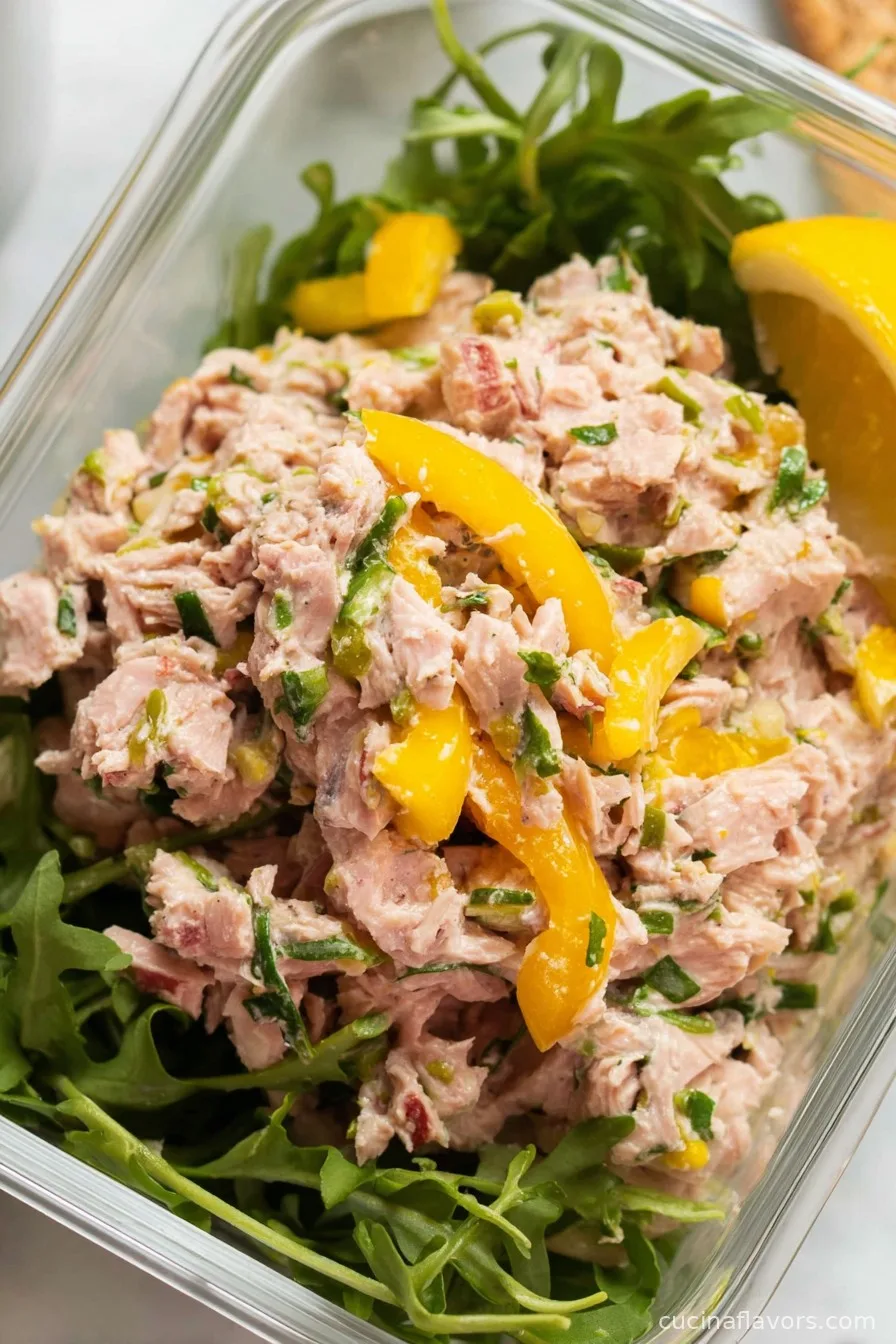
Its roots date back to the early 20th century, when convenience foods like canned tuna became popular, particularly in North America and Europe.
More than just a quick lunch or sandwich filling, tuna salad has evolved to include a wide variety of ingredients, from celery and onions to eggs and capers, and is often adapted to suit regional tastes and dietary preferences.
This easy and delicious tuna salad recipe brings together the best of tradition and modern nutrition. Whether you’re looking for a high-protein meal, a light and refreshing snack, or something to meal prep ahead of a busy week, tuna salad delivers.
It can be served in a sandwich, atop a green salad, as a dip with crackers, or even as a filling for stuffed tomatoes and avocados. Packed with omega-3 fatty acids, lean protein, and satisfying crunch, tuna salad is a dish that is both nutritious and comforting.
This recipe will guide you through each step, providing tips on variations, nutritional information, and even the best beverage pairings. Whether you’re a seasoned home cook or a beginner, tuna salad is an excellent addition to your culinary repertoire.
Read on to discover how to make the perfect tuna salad that’s bursting with fresh flavors and made even better with our chef-approved techniques.
Ingredients
- 2 cans (5 oz each) of tuna packed in water, drained
- ⅓ cup mayonnaise
- 1 tablespoon Dijon mustard
- 1 celery stalk, finely chopped
- ¼ small red onion, finely diced
- 1 tablespoon fresh parsley, chopped
- 1 tablespoon lemon juice
- ¼ teaspoon salt
- ¼ teaspoon freshly ground black pepper
- 1 hard-boiled egg, chopped (optional)
- ½ cup chopped dill pickles (optional)
- Lettuce leaves, for serving (optional)
Instructions
- Open the canned tuna and drain well, pressing gently to remove excess liquid.
- In a medium bowl, use a fork to flake the tuna into small pieces.
- Add mayonnaise and Dijon mustard to the bowl and mix until well combined with the tuna.
- Stir in the chopped celery, red onion, and parsley until evenly distributed.
- Add lemon juice, salt, and black pepper. Mix until all the ingredients are coated.
- If desired, fold in chopped hard-boiled egg and dill pickles for extra flavor and texture.
- Taste and adjust seasoning as needed, adding more salt, pepper, or lemon juice to suit your preference.
- Cover the bowl and chill the tuna salad in the refrigerator for at least 30 minutes to let the flavors meld.
- Serve on its own, in a sandwich, on a bed of lettuce, or as you prefer.
Nutritional Information
Tuna salad is not only delicious but also provides an excellent nutritional profile that makes it an ideal choice for healthy living.
A typical serving (about 1 cup or 150 grams) of tuna salad made with the above ingredients contains roughly 250-350 calories, depending on whether you add hard-boiled eggs and pickles. Each serving delivers about 25-30 grams of high-quality protein, which is essential for muscle growth and repair.
Tuna, the central ingredient, is a low-fat fish but is rich in omega-3 fatty acids, promoting cardiovascular and brain health.
The inclusion of mayonnaise adds a moderate amount of fat, primarily unsaturated if using olive oil-based mayonnaise, but you can further reduce calories and fat by opting for light mayo or Greek yogurt.
Additions like celery, onions, and fresh parsley increase the dietary fiber, vitamins A and C, and offer beneficial phytonutrients and antioxidants. Tuna salad is low in carbohydrates, usually under 5 grams per serving, making it suitable for low-carb and keto diets.
The sodium content can vary based on added salt and pickles, so if you are monitoring your sodium intake, reduce added salt or choose low-sodium tuna. Overall, tuna salad offers a balance of protein, healthy fats, and micronutrients, making it a nutritious option for balanced meals and post-workout snacks.
Wine and Beverage Pairings
Tuna salad pairs wonderfully with a crisp, refreshing beverage. For wine lovers, a Sauvignon Blanc or Pinot Grigio makes an excellent choice, as their zesty acidity cuts through the creaminess and enhances the freshness of the salad.
If you prefer non-alcoholic options, sparkling water with a twist of lemon or lime provides a light, palate-cleansing effect. Iced green tea, served plain or with a splash of citrus, also complements the tuna salad’s savory and herbaceous notes, contributing antioxidants and a gentle boost of energy.
For a heartier pairing, try a cold, light lager or pilsner beer, which interacts delicately with the flavors of the salad without overwhelming them. No matter your beverage preference, choose something crisp and bright to match the vibrant, wholesome character of your tuna salad.
Cooking Tips and Variations
Perfecting tuna salad is all about balance and customization. Start by selecting good-quality canned tuna, either solid or chunk, packed in water for a lighter version or in oil for a richer flavor. For a healthier tuna salad, substitute half—or all—of the mayonnaise with nonfat Greek yogurt.
This simple change decreases calories and boosts protein, giving your salad a creamy texture with a tangy twist. Dijon mustard adds depth, but you can swap in whole-grain mustard for a subtler bite.
Finely chopping your vegetables (celery, onion, pickles) ensures a pleasant crunch in every bite without overpowering the tuna. Feel free to get creative: add diced apples for sweetness, a touch of paprika for smokiness, capers for briny notes, or even chopped fresh dill.
To make your tuna salad more filling, stir in cooked quinoa, white beans, or avocado. For a bolder flavor, try a splash of hot sauce or a pinch of curry powder.
If preparing tuna salad for meal prep, add fresh herbs and delicate veggies just before serving to retain their crispness and color. Finally, always chill the salad before serving; at least 30 minutes of refrigeration allows the flavors to blend and the texture to firm up for optimal enjoyment.

Serving Suggestions
Serving tuna salad offers endless possibilities, making it perfect for any meal of the day. One classic presentation is as a sandwich filling—simply spread the salad between slices of whole wheat, multigrain, or sourdough bread for a satisfying lunch or light dinner.
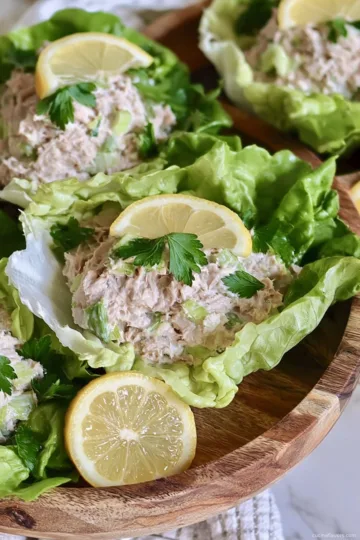
Upgrade your sandwich with lettuce, tomato, or slices of cucumber for extra crunch and nutrition. For gluten-free options, spoon the tuna salad into lettuce leaves or endive boats for a refreshing, carb-friendly alternative.
As a main course, try serving your tuna salad atop a bed of mixed greens, baby spinach, or arugula, drizzled with a little olive oil and extra lemon juice. It makes a balanced, nutrient-rich salad bowl that’s perfect for healthy eating.
Another creative idea is to use tuna salad as a filling for pita pockets or wraps, adding sliced avocado, shredded carrots, or sprouts for extra flavor and texture. For appetizers or party snacks, scoop tuna salad onto cucumber rounds, whole-grain crackers, or halved cherry tomatoes.
It also works well as a protein-rich stuffing for bell peppers or hard-boiled egg whites to create visually appealing hors d’oeuvres. When packing lunchboxes, pair tuna salad with fresh fruit, vegetable sticks, or a small handful of nuts for a complete and satisfying meal.
The adaptability of tuna salad ensures that it always finds its place at the table, no matter the occasion.
Health Benefits
Tuna salad delivers numerous health benefits, making it a favorite among wellness enthusiasts and nutrition-focused individuals. Tuna is rich in omega-3 fatty acids, which support heart and brain health by reducing inflammation and promoting healthy cholesterol levels.
The high protein content of tuna salad aids muscle maintenance, appetite control, and healthy weight management. The addition of vegetables—such as celery, onions, and parsley— boosts fiber intake and provides a range of antioxidants and vitamins like vitamin C, vitamin K, and potassium.
When made with light dressing options like Greek yogurt, tuna salad can be lower in saturated fat and calories without sacrificing flavor. Regular consumption of tuna salad may also help keep you feeling full longer, preventing overeating and supporting balanced blood sugar levels.
Opting for low-sodium canned tuna and moderating added salt helps maintain healthy blood pressure. Tuna salad is naturally gluten-free and can easily be adapted for different dietary needs, including low-carb, keto, and paleo diets.
However, it's important to be mindful of mercury content in tuna—limit intake to a couple of times per week, especially for pregnant women and young children. Overall, tuna salad is a nutrient-dense meal choice with undeniable benefits for heart health, brain function, and overall wellness.
Frequently Asked Questions
Yes, you can make tuna salad without mayonnaise by substituting plain Greek yogurt, mashed avocado, or a light vinaigrette for a lower-calorie, healthy alternative without sacrificing creaminess or flavor.
Properly stored in an airtight container in the refrigerator, tuna salad lasts for 3 to 4 days. Stir before serving and always check for freshness before eating.
Chunk light or solid white albacore canned in water are popular choices for tuna salad. Tuna packed in water offers a lighter texture, while tuna in oil provides a richer flavor and silkier mouthfeel.
Enhance the flavor with fresh herbs, a squeeze of lemon juice, capers, pickles, hot sauce, or a bit of Dijon mustard. Spices like black pepper, smoked paprika, or curry powder also add depth and variety.
Yes, tuna salad is excellent for meal prep. Prepare in advance, store in the refrigerator, and add crisp vegetables or lettuce just before serving for optimal texture and freshness.
Tuna salad remains a quintessential dish celebrated for its ease, versatility, and nutritional benefits. From quick lunches to refined appetizers, this classic recipe adapts flawlessly to a wide array of preferences and dietary needs. By using quality ingredients and experimenting with mix-ins and serving methods, you can create endless variations that cater to your unique taste buds. Whether you crave a protein-rich meal, a low-carb snack, or a wholesome addition to your meal prep routine, tuna salad delivers every time. Make a batch today and discover your new favorite way to enjoy this nutritious and delicious staple.
Ingredients
- 2 cans (5 oz each) of tuna packed in water, drained
- ⅓ cup mayonnaise
- 1 tablespoon Dijon mustard
- 1 celery stalk, finely chopped
- ¼ small red onion, finely diced
- 1 tablespoon fresh parsley, chopped
- 1 tablespoon lemon juice
- ¼ teaspoon salt
- ¼ teaspoon freshly ground black pepper
- 1 hard-boiled egg, chopped (optional)
- ½ cup chopped dill pickles (optional)
- Lettuce leaves, for serving (optional)
Instructions
-
1Open the canned tuna and drain well, pressing gently to remove excess liquid.
-
2In a medium bowl, use a fork to flake the tuna into small pieces.
-
3Add mayonnaise and Dijon mustard to the bowl and mix until well combined with the tuna.
-
4Stir in the chopped celery, red onion, and parsley until evenly distributed.
-
5Add lemon juice, salt, and black pepper. Mix until all the ingredients are coated.
-
6If desired, fold in chopped hard-boiled egg and dill pickles for extra flavor and texture.
-
7Taste and adjust seasoning as needed, adding more salt, pepper, or lemon juice to suit your preference.
-
8Cover the bowl and chill the tuna salad in the refrigerator for at least 30 minutes to let the flavors meld.
-
9Serve on its own, in a sandwich, on a bed of lettuce, or as you prefer.
Approximate Information for One Serving
Nutrition Disclaimers
Number of total servings shown is approximate. Actual number of servings will depend on your preferred portion sizes.
Nutritional values shown are general guidelines and reflect information for 1 serving using the ingredients listed, not including any optional ingredients. Actual macros may vary slightly depending on specific brands and types of ingredients used.
To determine the weight of one serving, prepare the recipe as instructed. Weigh the finished recipe, then divide the weight of the finished recipe (not including the weight of the container the food is in) by the desired number of servings. Result will be the weight of one serving.
Did you make this recipe?
Please consider Pinning it!
Leave a Reply