
Vegan Meatballs have taken the culinary world by storm, offering a plant-based alternative that’s both delicious and healthy. Gone are the days when meatballs were exclusive to traditional Italian or Swedish dishes; the vegan version brings a new level of flavor, sustainability, and nutrition.
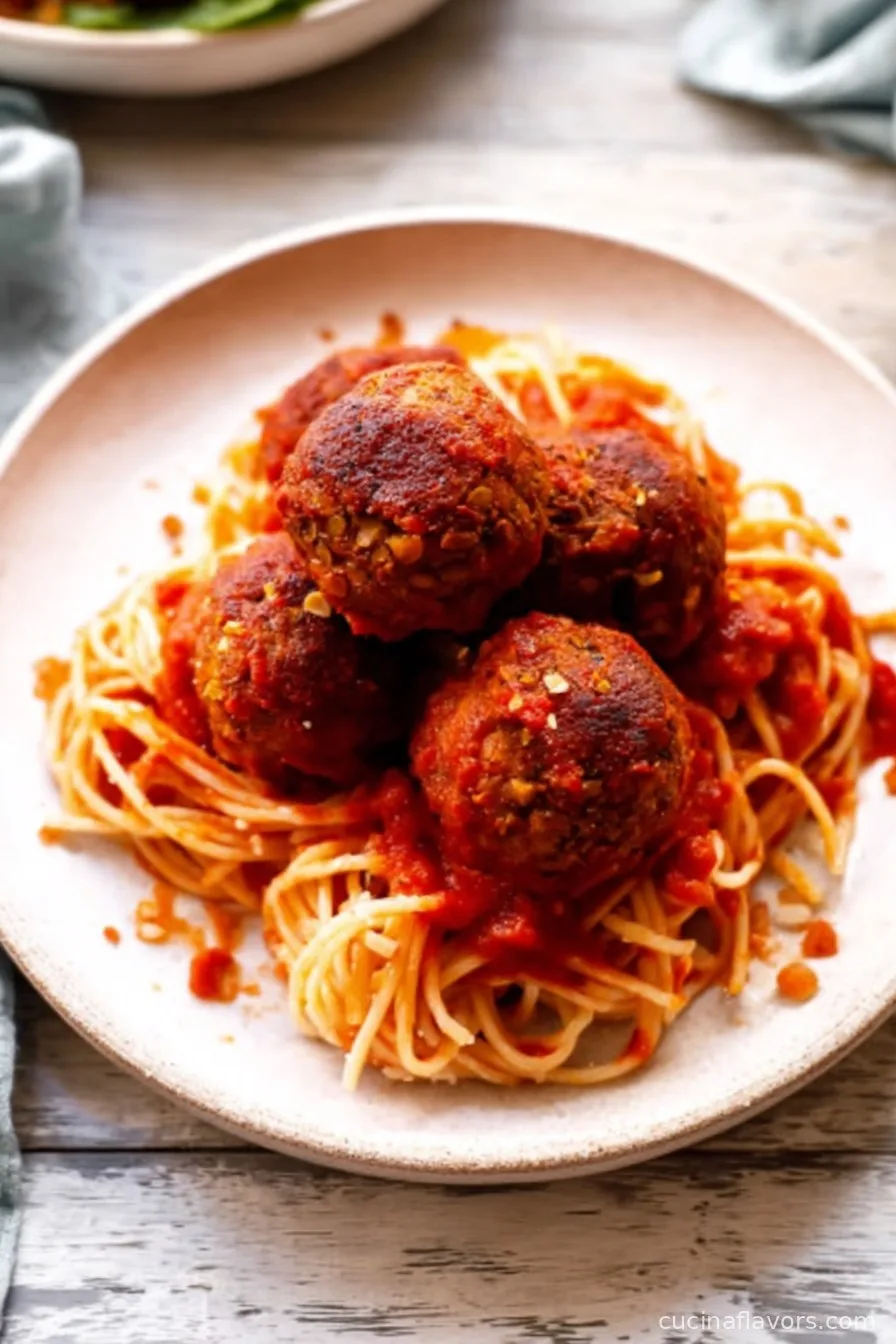
Vegan Meatballs are often crafted from a combination of legumes, grains, vegetables, and a curated blend of herbs and spices. These ingredients not only provide a rich, hearty texture but also reproduce the savory and substantial mouthfeel typically associated with their meat-based counterparts.
The appeal of Vegan Meatballs extends beyond those following a vegan or vegetarian diet. As more people embrace plant-based eating for environmental or health reasons, the demand for recipes like Vegan Meatballs continues to soar.
Their roots can be traced back to the growing trend of meat substitutes that began gaining momentum in the 20th century, with chefs and home cooks experimenting to create plant-friendly options that satisfy all palates.
What makes Vegan Meatballs especially attractive is their versatility—they can be served with spaghetti, tucked into sub sandwiches, or even enjoyed as party appetizers. This recipe will guide you through creating perfect Vegan Meatballs, brimming with flavor and nutrition, ensuring even the most discerning eaters ask for seconds.
Whether you are a seasoned vegan or simply looking to reduce your meat consumption, Vegan Meatballs present an easy and satisfying meal solution. Let’s delve into how you can recreate this classic comfort food, full of modern benefits, right in your kitchen.
Ingredients
- 1 cup cooked lentils (brown or green, drained and cooled)
- 1 cup cooked chickpeas (or canned, rinsed and drained)
- ½ cup rolled oats
- 1 small onion, finely chopped
- 3 cloves garlic, minced
- ½ cup fresh parsley, chopped
- 2 tablespoons tomato paste
- 2 tablespoons soy sauce or tamari
- 1 tablespoon flaxseed meal + 2.5 tablespoons water
- 1 teaspoon dried oregano
- 1 teaspoon dried basil
- ½ teaspoon smoked paprika
- ½ teaspoon black pepper
- ½ teaspoon salt
- 2 tablespoons nutritional yeast (optional, for depth of flavor)
- ½ cup breadcrumbs (use gluten-free if needed)
- 2 tablespoons olive oil (plus more for greasing pan)
Instructions
- Preheat your oven to 400°F (200°C). Lightly grease a large baking sheet or line it with parchment paper.
- Prepare your flaxseed 'egg' by mixing 1 tablespoon flaxseed meal with 2.5 tablespoons water in a small bowl. Set aside to thicken for 5-10 minutes.
- In a food processor, combine the cooked lentils and chickpeas. Pulse until they are broken down but not completely pureed, maintaining some texture.
- Add the oats, onion, garlic, parsley, tomato paste, soy sauce, thickened flaxseed mixture, oregano, basil, smoked paprika, black pepper, salt, and nutritional yeast (if using) to the food processor.
- Pulse several more times until the mixture holds together but is not overly smooth. Scrape down the sides as needed.
- Transfer the mixture to a large bowl and stir in the breadcrumbs. Mix thoroughly until everything is well combined; the mixture should be moist but formable and not sticky.
- Scoop out about 2 tablespoons of the mixture at a time and roll into balls using your hands. Place each meatball onto the prepared baking sheet.
- Lightly brush or spray the vegan meatballs with olive oil to enhance browning.
- Bake for 20-25 minutes, turning halfway through, until meatballs are golden brown and firm on the outside.
- Remove from the oven and let cool for a few minutes before serving with your favorite sauce, pasta, or as desired.
Nutritional Information
Vegan Meatballs are an excellent source of plant-based protein, making them a perfect choice for those looking to increase protein intake without animal products. One serving, typically consisting of three to four meatballs, provides an average of 12 grams of protein, mostly derived from lentils and chickpeas.
These legumes also supply dietary fiber, which aids digestion and helps maintain steady blood sugar levels. Vegan Meatballs are lower in saturated fat and contain no cholesterol, making them heart-friendly compared to traditional meat-based alternatives.
The inclusion of oats and flaxseed introduces omega-3 fatty acids, beneficial for brain and cardiovascular health. Each serving is rich in micronutrients such as iron, potassium, and B-vitamins, promoting overall energy and well-being.
The calorie count for each serving is moderate, usually around 200-250 calories, depending on the size and additional ingredients. Using whole food ingredients also ensures minimal processed additives or preservatives, contributing to a cleaner, more natural meal.
These meatballs are also low in sugar and provide a good source of antioxidants from the various herbs, onions, and garlic used in the recipe. This well-rounded nutritional profile makes Vegan Meatballs a guilt-free, nourishing addition to any meal plan.

Wine and Beverage Pairings
Vegan Meatballs pair exceptionally well with a variety of beverages that complement their savory, herbal, and slightly nutty flavor profiles. For a non-alcoholic option, a chilled sparkling water with lemon or a herbal iced tea is both refreshing and palate-cleansing.
For wine lovers, a medium-bodied red such as Chianti, Pinot Noir, or a vegan-friendly Sangiovese enhances the umami and herby notes of the dish, especially when served with rich tomato sauces.
If you prefer beer, a dark lager or a malty ale will stand up nicely to the meatballs’ earthy flavors. Kombucha is another fantastic non-alcoholic pairing, offering both effervescence and tang.
For those serving Vegan Meatballs with Asian-inspired sauces, a crisp white wine like Sauvignon Blanc or a cold sake can be delightful.
Cooking Tips and Variations
To craft the perfect Vegan Meatballs, attention to texture and flavor is key. If your mixture seems too wet to roll, simply add a bit more breadcrumbs or oats until the consistency is just right.
For an extra savory depth, consider sautéing your onions and garlic before adding them to the mix—a small step that can elevate the final taste. If gluten-free, use certified gluten-free oats and breadcrumbs.
Mixing and matching beans, such as using black beans or white beans, creates different flavor profiles and textures. For a meal-prep friendly option, prepare a large batch and freeze shaped, uncooked Vegan Meatballs for up to three months; just bake straight from frozen, adding a bit of cooking time.
You may also experiment with different spices, like cumin or coriander, for global flavor twists. Baking is a healthier method, but air frying the Vegan Meatballs will make them even crispier.
If you prefer a pan-fried version, cook them in a shallow layer of olive oil until browned on all sides. For added moisture and richness, drizzle your cooked meatballs with extra-virgin olive oil or serve with a flavorful sauce.
Versatility is another benefit—these meatballs pair well with tomato basil sauce, vegan gravy, or a spicy arrabbiata.

Serving Suggestions
Vegan Meatballs are incredibly adaptable and can be served in numerous ways to suit any occasion. The classic approach is to plate them atop a mound of al dente spaghetti, ladled generously with your favorite marinara, and sprinkled with fresh basil or vegan parmesan.
For a comforting meal, try building a sub sandwich with a toasted baguette, layering the meatballs with melted vegan mozzarella, marinara sauce, and a handful of arugula.
As an appetizer or party snack, serve the Vegan Meatballs on toothpicks with a dip trio—think tahini dressing, spicy harissa dip, and a zesty chimichurri. They also make an excellent addition to grain bowls, paired with quinoa, roasted vegetables, and a dollop of hummus for a heartier lunch.
If you’re preparing a tapas-style spread, skewer smaller meatballs with roasted peppers and olives for easy eating. For meal prep enthusiasts, pack the meatballs alongside whole wheat couscous, or spiralized zucchini for a light, balanced workday lunch.
Lastly, these Vegan Meatballs freeze and reheat well, making them ideal for batch cooking and quick dinners.
Health Benefits
Choosing Vegan Meatballs provides numerous health benefits compared to traditional, meat-based counterparts. They are cholesterol-free and significantly lower in saturated fats, supporting cardiovascular health and helping maintain healthy cholesterol levels.
The high fiber content from legumes and oats promotes digestive health and can aid in weight management by providing a lasting feeling of fullness. Flaxseed meal used as an egg replacer offers plant-based omega-3 fatty acids, which are associated with reduced inflammation and improved brain function.
Nutritional yeast adds not only a cheesy flavor but also B-vitamins, which are vital for energy metabolism. The abundance of herbs and vegetables in Vegan Meatballs means they’re packed with antioxidants that help protect against oxidative stress and inflammation.
For individuals seeking to reduce their environmental footprint, Vegan Meatballs are a climate-friendly dish, requiring fewer resources and generating less greenhouse gas emissions than standard meatballs. Overall, these meatballs are a smart choice for personal health, ethical eating, and planet stewardship.
Frequently Asked Questions
Yes, you can freeze both uncooked and cooked Vegan Meatballs. For uncooked, freeze them on a tray until solid and then transfer to a storage bag. For cooked, let them cool completely before freezing. Bake from frozen, adding 5-10 minutes to the cooking time.
You can substitute with other beans such as black beans, kidney beans, or navy beans. The texture and flavor may vary slightly, but they will still work well.
Yes, simply use certified gluten-free oats and gluten-free breadcrumbs. Always check packaging to ensure all ingredients meet your dietary needs.
While a food processor makes the process easier, you can mash the beans and lentils with a potato masher or fork and finely chop the remaining ingredients before mixing thoroughly.
Be sure your mixture is moist but not sticky, and add breadcrumbs or oats as needed to bind. Do not over-process. Letting the mixture rest before shaping can also help.
Vegan Meatballs are a versatile, delicious, and nutritious addition to any meal plan. Their plant-based ingredients offer a wealth of health benefits, while their robust flavor and appealing texture ensure that everyone at the table will leave satisfied. Simple to prepare, endlessly adaptable, and perfect for meal prep or entertaining, these Vegan Meatballs make it easy to enjoy comfort food with a modern, mindful twist. Whether paired with classic pasta, served as a party snack, or included in a hearty grain bowl, these Vegan Meatballs promise satisfaction and nourishment in every bite. Give them a try, and discover just how enjoyable plant-based eating can be.
Ingredients
- 1 cup cooked lentils (brown or green, drained and cooled)
- 1 cup cooked chickpeas (or canned, rinsed and drained)
- ½ cup rolled oats
- 1 small onion, finely chopped
- 3 cloves garlic, minced
- ½ cup fresh parsley, chopped
- 2 tablespoons tomato paste
- 2 tablespoons soy sauce or tamari
- 1 tablespoon flaxseed meal + 2.5 tablespoons water
- 1 teaspoon dried oregano
- 1 teaspoon dried basil
- ½ teaspoon smoked paprika
- ½ teaspoon black pepper
- ½ teaspoon salt
- 2 tablespoons nutritional yeast (optional, for depth of flavor)
- ½ cup breadcrumbs (use gluten-free if needed)
- 2 tablespoons olive oil (plus more for greasing pan)
Instructions
-
1Preheat your oven to 400°F (200°C). Lightly grease a large baking sheet or line it with parchment paper.
-
2Prepare your flaxseed 'egg' by mixing 1 tablespoon flaxseed meal with 2.5 tablespoons water in a small bowl. Set aside to thicken for 5-10 minutes.
-
3In a food processor, combine the cooked lentils and chickpeas. Pulse until they are broken down but not completely pureed, maintaining some texture.
-
4Add the oats, onion, garlic, parsley, tomato paste, soy sauce, thickened flaxseed mixture, oregano, basil, smoked paprika, black pepper, salt, and nutritional yeast (if using) to the food processor.
-
5Pulse several more times until the mixture holds together but is not overly smooth. Scrape down the sides as needed.
-
6Transfer the mixture to a large bowl and stir in the breadcrumbs. Mix thoroughly until everything is well combined; the mixture should be moist but formable and not sticky.
-
7Scoop out about 2 tablespoons of the mixture at a time and roll into balls using your hands. Place each meatball onto the prepared baking sheet.
-
8Lightly brush or spray the vegan meatballs with olive oil to enhance browning.
-
9Bake for 20-25 minutes, turning halfway through, until meatballs are golden brown and firm on the outside.
-
10Remove from the oven and let cool for a few minutes before serving with your favorite sauce, pasta, or as desired.
Approximate Information for One Serving
Nutrition Disclaimers
Number of total servings shown is approximate. Actual number of servings will depend on your preferred portion sizes.
Nutritional values shown are general guidelines and reflect information for 1 serving using the ingredients listed, not including any optional ingredients. Actual macros may vary slightly depending on specific brands and types of ingredients used.
To determine the weight of one serving, prepare the recipe as instructed. Weigh the finished recipe, then divide the weight of the finished recipe (not including the weight of the container the food is in) by the desired number of servings. Result will be the weight of one serving.
Did you make this recipe?
Please consider Pinning it!
Leave a Reply