
The Spicy Fried “Chicken” Sandwich has rapidly become a staple in American cuisine, beloved for its crispy coating, juicy interior, and fiery kick. This sandwich marries the alluring crunch of perfectly fried “chicken” with spice-forward seasoning blends, all contained within a soft bun and balanced with crisp pickles or slaw.
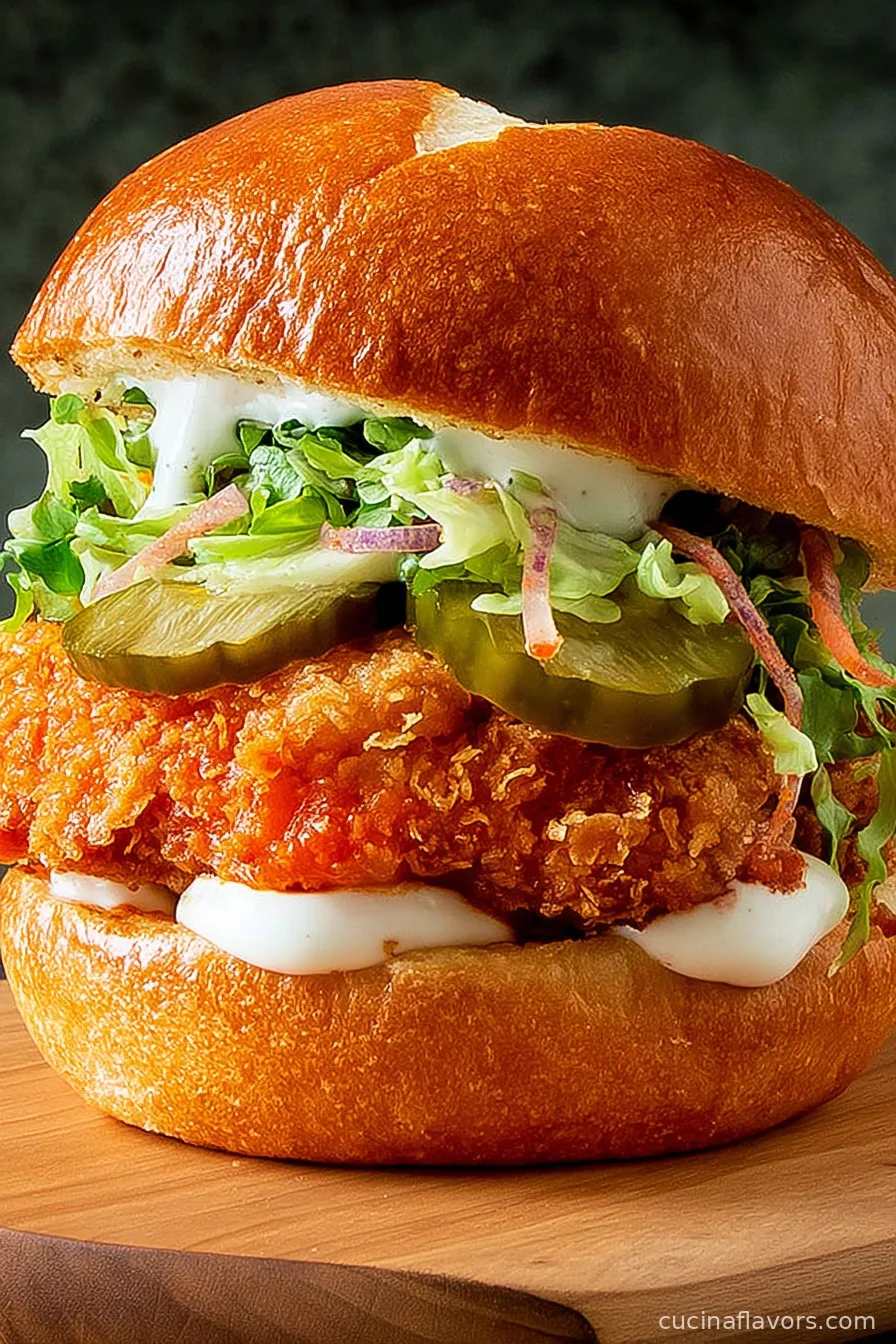
Though its roots trace back to the classic Southern fried chicken sandwich, recent culinary trends have brought spicy versions into the limelight, captivating sandwich enthusiasts everywhere.
Fast-food chains ignited the trend with their own iterations, but making a homemade spicy fried “chicken” sandwich gives you more control over the flavor, seasoning, and freshness. This recipe focuses on maximizing flavor while ensuring juicy, tender “chicken”—whether you use classic chicken breast or plant-based alternatives.
Spices like cayenne, paprika, and black pepper infuse both the marinade and the breading, delivering an irresistible heat. The sandwich is then elevated with creamy sauces and crisp, tangy toppings for a satisfying bite every time.
Whether you are seeking a memorable lunch, crowd-pleasing dinner, or a way to level-up your takeout favorites at home, the spicy fried “chicken” sandwich offers the perfect solution.
This hearty dish promises an explosion of flavors and textures, making it a guaranteed hit for anyone seeking a little heat in their mealtime rotation.
Ingredients
- 2 large boneless, skinless chicken breasts or plant-based 'chicken' fillets
- 1 cup buttermilk (or plain, unsweetened non-dairy milk with 1 tablespoon lemon juice for a vegan option)
- 2 teaspoons hot sauce (such as Frank’s RedHot)
- 1 ½ cups all-purpose flour
- ½ cup cornstarch
- 2 tablespoons paprika
- 1 tablespoon garlic powder
- 1 tablespoon onion powder
- 2 teaspoons cayenne pepper (adjust to taste)
- 1 teaspoon black pepper
- 1 teaspoon kosher salt
- Vegetable oil for frying
- 4 soft sandwich buns (brioche or potato buns preferred)
- ½ cup mayonnaise or vegan mayo
- 1 tablespoon sriracha or hot sauce
- Bread & butter pickles or dill pickles
- Shredded lettuce or coleslaw
- Sliced tomato (optional)
Instructions
- Start by preparing the chicken fillets: if using large chicken breasts, slice them in half horizontally to create four even pieces. If using plant-based patties, ensure they are thawed.
- In a large bowl, whisk together the buttermilk and hot sauce to create a spicy marinade. Add the chicken to the bowl and toss to coat. Cover and refrigerate for at least 1 hour, or up to overnight.
- While the chicken marinates, in a shallow dish, mix the flour, cornstarch, paprika, garlic powder, onion powder, cayenne pepper, black pepper, and salt.
- Remove the chicken from the marinade, allowing excess to drip off. Dredge each piece in the seasoned flour mixture, pressing gently to ensure the coating adheres. For extra-crispy coating, you can double dip: return the chicken to the marinade briefly and dredge again in flour.
- Heat 1½–2 inches of vegetable oil in a deep skillet, Dutch oven, or heavy saucepan to 350°F (175°C).
- Carefully add the coated chicken pieces to the hot oil. Fry in batches for 4–6 minutes per side, or until golden brown and the internal temperature reaches 165°F (74°C). Plant-based options may require slightly less frying time; refer to package instructions.
- Transfer fried chicken to a wire rack set over a baking sheet to drain excess oil and keep the coating crisp.
- In a small bowl, combine mayonnaise and sriracha or extra hot sauce to make a spicy spread.
- Lightly toast the sandwich buns, if desired.
- To assemble, spread the spicy mayo on both cut sides of each bun. Place a fried chicken piece on the bottom half, top with pickles, shredded lettuce or coleslaw, and sliced tomato if using. Close with the top bun.
- Serve immediately while hot and crispy.
Nutritional Information
A homemade spicy fried “chicken” sandwich is a hearty and indulgent meal that, when enjoyed in moderation, fits well within most balanced diets.
Each sandwich (using regular chicken, standard portion sizes, and traditional toppings) provides approximately 650–800 calories, depending on the size of the chicken breast and amount of oil absorbed during frying. It contains about 35–42 grams of protein, offering a filling and muscle-supporting main course.
The sandwich is relatively high in fat (28–36 grams), mainly due to frying oil, mayo, and buns, with about 7–9 grams coming from saturated fat.
Carbohydrates fall between 55–65 grams, primarily from the bun and breading, along with a moderate 3–5 grams of dietary fiber if you add lettuce or tomato. Sodium can be significant, mostly from seasoned flour, pickles, and condiments, ranging from 1100 to 1400 mg per serving.
Using plant-based “chicken” fillets, non-dairy milk, and vegan mayo modifies the nutritional profile, usually reducing cholesterol and slightly lowering fat content. To make the spicy fried “chicken” sandwich a bit healthier, opt for whole wheat buns, lighter sauces, and oven or air fryer cooking methods.
Incorporating extra greens or a fresh side salad will further enhance the meal’s nutritional benefit and balance. Remember, values may vary greatly based on exact brands, portion sizes, and preparation adjustments.
Wine and Beverage Pairings
A spicy fried “chicken” sandwich pairs beautifully with beverages that both complement and cool its bold flavors. For an alcoholic option, consider a crisp, lightly carbonated beer such as a pilsner or pale ale, which offsets the heat and refreshes the palate.
A chilled glass of off-dry Riesling or sparkling rosé makes an excellent wine pairing, with enough acidity and sweetness to balance the spiciness of the sandwich. Non-alcoholic choices include iced sweet tea or homemade lemonade, both of which are classic companions to Southern-style fried foods.
For those who love fizz, a citrus-forward ginger beer or an ice-cold soda works especially well, helping to cleanse the palate between mouthfuls of crunchy, spicy chicken.
Cooking Tips and Variations
For the crispiest and most flavorful spicy fried “chicken” sandwich, ensure the chicken fillets are patted dry before marinating, which helps the buttermilk adhere better.
Let the coated chicken rest briefly on a wire rack before frying to allow the breading to set, reducing the risk of it falling off during cooking. For a spicier sandwich, increase the cayenne pepper or hot sauce in both the marinade and the breading.
Conversely, for a milder version, halve the amount of cayenne and use a gentle hot sauce. Adding a pinch of baking powder to the flour mixture creates an extra light and shattery coating.
To avoid greasy sandwiches, ensure the frying oil is at the correct temperature and avoid overcrowding the pan, which can lower the heat and result in soggy breading.
For a healthier spin, the coated chicken can be baked or air-fried with a light spray of oil, though the end texture may be slightly less crunchy.
Customizing the toppings is encouraged—try sliced jalapeños for added fire, creamy slaw for a cooling effect, or different pickles to experiment with contrasting flavors.
If prepping ahead, you can keep fried chicken warm in a 225°F (110°C) oven for up to 30 minutes while assembling the rest of your sandwich ingredients.

Serving Suggestions
To truly enjoy the spicy fried “chicken” sandwich, attention should be given to presentation and accompaniments. Serve the sandwich fresh and piping hot, ideally within a few minutes after frying to preserve its crunchy exterior and juicy interior.
A classic, generous helping of crisp French fries, sweet potato wedges, or crunchy coleslaw on the side creates a complete, restaurant-style meal.
If you’re serving a group, consider arranging toppings buffet-style, allowing guests to assemble their own custom sandwiches with options like lettuce, tomato, assorted pickles, and spicy or regular mayo. For an elevated experience, toast the sandwich buns in a little butter, which adds richness and prevents sogginess.
Offering extra sauce or dipping options on the side, such as ranch or a tangy aioli, can appeal to different palates. For a lighter lunch, pair the sandwich with a fresh green salad or cut vegetables and fruit.
If making a plant-based version, add vibrant vegan condiments and color-packed produce for extra appeal. For busy weeknights, prepare the breaded “chicken” in advance, keeping it refrigerated until ready to fry, which makes assembly fast and convenient.
Serves are best enjoyed with plenty of napkins and perhaps a pickle spear for extra crunch.
Health Benefits
While the spicy fried “chicken” sandwich is certainly an indulgence, it also provides nutritional benefits, particularly when prepared thoughtfully and enjoyed in moderation. Chicken breast is a lean source of complete protein, supplying essential amino acids necessary for muscle repair and overall health.
Using plant-based “chicken” fillets delivers protein while potentially reducing cholesterol intake. The sandwich’s whole grain buns and fresh vegetable toppings add dietary fiber, vitamins, and minerals such as vitamin C, folate, and potassium.
Spices like cayenne, paprika, and garlic powder not only impart heat and complexity but may also aid metabolism and support cardiovascular wellness due to their natural antioxidant content. Opting for baked or air-fried preparation over traditional deep frying can lower overall fat and calorie content.
Including pickles and coleslaw contributes beneficial probiotics and phytochemicals. For those monitoring sodium or dietary fat, making adjustments with low-salt ingredients and lighter sauces is effective.
Overall, by making the sandwich from scratch and choosing wholesome sides, this dish can fit into a varied and balanced diet, delivering both flavor and nutrition.
Frequently Asked Questions
Absolutely! Substitute plant-based milk mixed with a tablespoon of lemon juice or vinegar to create a “buttermilk” alternative. Let it curdle for a few minutes before using in the marinade. This method works for both regular and vegan chicken.
To make a milder version, reduce or omit the cayenne pepper and choose a gentle hot sauce. Offer the spicy mayo on the side so each person can control their preferred heat level.
Neutral oils with high smoke points like vegetable, canola, or peanut oil are best for frying, as they maintain stable heat and do not impart strong flavors to the finished sandwich.
Yes, you can air fry breaded chicken or plant-based patties at 375°F (190°C) for 12–16 minutes, flipping halfway through, until golden and cooked through. Spray lightly with oil for maximum crispness.
Fry in batches and keep finished pieces warm on a wire rack in a low oven (225°F/110°C) to maintain crispiness until ready to assemble and serve.
Mastering the spicy fried “chicken” sandwich at home lets you enjoy this culinary trend in a way that’s fully customizable and absolutely fresh. With spicy marinated “chicken”, perfectly seasoned breading, and bold toppings, each bite delivers satisfying crunch and heat—a true crowd-pleaser for spice lovers and sandwich enthusiasts alike. Whether you choose traditional chicken or plant-based options, this homemade version rivals any restaurant or fast-food offering. Serve it hot, build it with your favorite toppings, and enjoy the freedom of adjusting heat and flavor to suit your taste. Make the spicy fried “chicken” sandwich your own signature dish for gatherings, lunches, or weeknight dinners, and savor every spicy, crispy bite.
Ingredients
- 2 large boneless, skinless chicken breasts or plant-based 'chicken' fillets
- 1 cup buttermilk (or plain, unsweetened non-dairy milk with 1 tablespoon lemon juice for a vegan option)
- 2 teaspoons hot sauce (such as Frank’s RedHot)
- 1 ½ cups all-purpose flour
- ½ cup cornstarch
- 2 tablespoons paprika
- 1 tablespoon garlic powder
- 1 tablespoon onion powder
- 2 teaspoons cayenne pepper (adjust to taste)
- 1 teaspoon black pepper
- 1 teaspoon kosher salt
- Vegetable oil for frying
- 4 soft sandwich buns (brioche or potato buns preferred)
- ½ cup mayonnaise or vegan mayo
- 1 tablespoon sriracha or hot sauce
- Bread & butter pickles or dill pickles
- Shredded lettuce or coleslaw
- Sliced tomato (optional)
Instructions
-
1Start by preparing the chicken fillets: if using large chicken breasts, slice them in half horizontally to create four even pieces. If using plant-based patties, ensure they are thawed.
-
2In a large bowl, whisk together the buttermilk and hot sauce to create a spicy marinade. Add the chicken to the bowl and toss to coat. Cover and refrigerate for at least 1 hour, or up to overnight.
-
3While the chicken marinates, in a shallow dish, mix the flour, cornstarch, paprika, garlic powder, onion powder, cayenne pepper, black pepper, and salt.
-
4Remove the chicken from the marinade, allowing excess to drip off. Dredge each piece in the seasoned flour mixture, pressing gently to ensure the coating adheres. For extra-crispy coating, you can double dip: return the chicken to the marinade briefly and dredge again in flour.
-
5Heat 1½–2 inches of vegetable oil in a deep skillet, Dutch oven, or heavy saucepan to 350°F (175°C).
-
6Carefully add the coated chicken pieces to the hot oil. Fry in batches for 4–6 minutes per side, or until golden brown and the internal temperature reaches 165°F (74°C). Plant-based options may require slightly less frying time; refer to package instructions.
-
7Transfer fried chicken to a wire rack set over a baking sheet to drain excess oil and keep the coating crisp.
-
8In a small bowl, combine mayonnaise and sriracha or extra hot sauce to make a spicy spread.
-
9Lightly toast the sandwich buns, if desired.
-
10To assemble, spread the spicy mayo on both cut sides of each bun. Place a fried chicken piece on the bottom half, top with pickles, shredded lettuce or coleslaw, and sliced tomato if using. Close with the top bun.
-
11Serve immediately while hot and crispy.
Approximate Information for One Serving
Nutrition Disclaimers
Number of total servings shown is approximate. Actual number of servings will depend on your preferred portion sizes.
Nutritional values shown are general guidelines and reflect information for 1 serving using the ingredients listed, not including any optional ingredients. Actual macros may vary slightly depending on specific brands and types of ingredients used.
To determine the weight of one serving, prepare the recipe as instructed. Weigh the finished recipe, then divide the weight of the finished recipe (not including the weight of the container the food is in) by the desired number of servings. Result will be the weight of one serving.
Did you make this recipe?
Please consider Pinning it!



Leave a Reply