
Vegetarian Chili is a beloved dish cherished for its rich flavors, hearty ingredients, and incredible versatility. Unlike traditional chili, this wholesome variation omits meat, relying instead on plant-based sources of protein such as beans and lentils for a satisfying and nutritious meal.
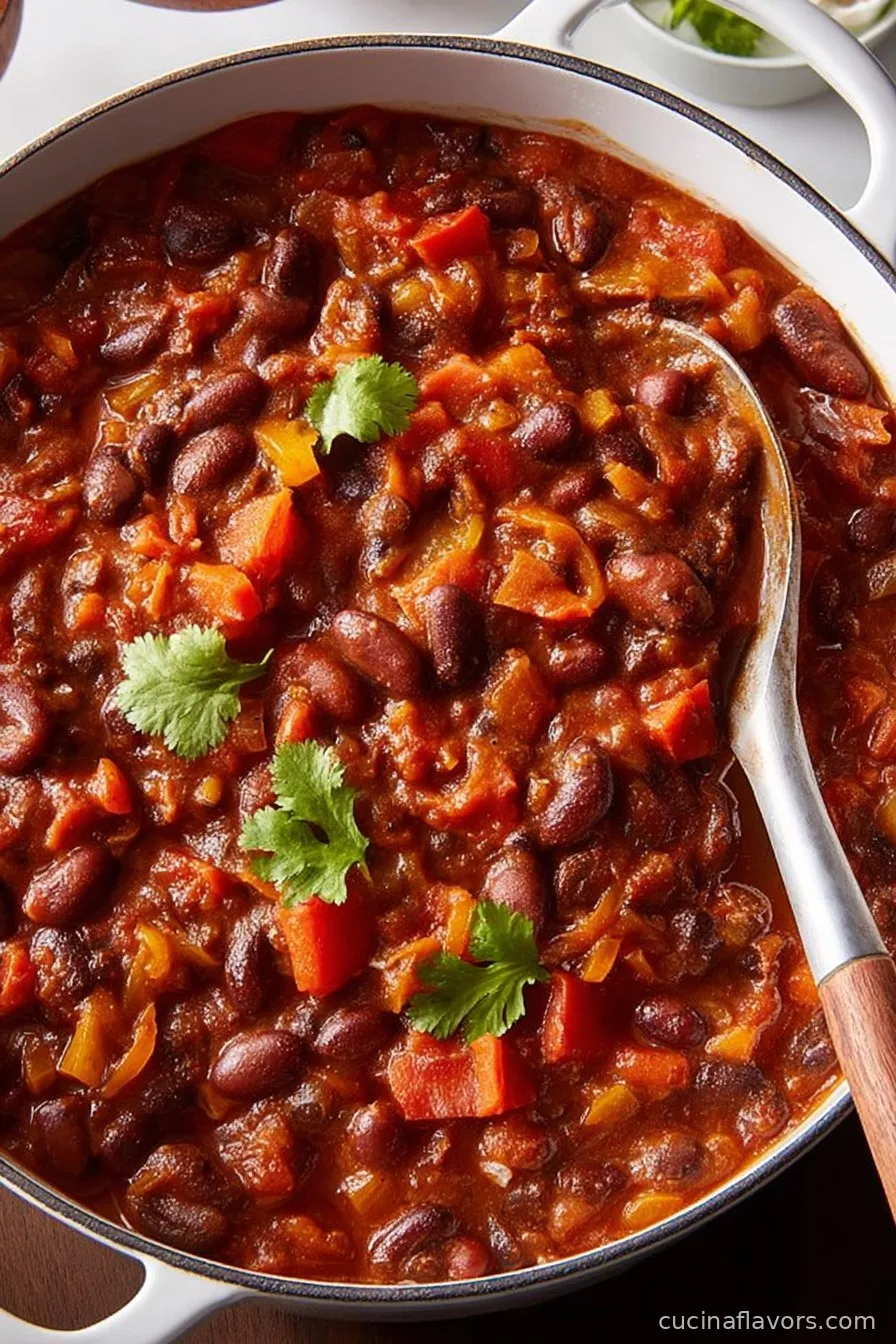
Vegetarian Chili has become extremely popular among home cooks and food enthusiasts looking for a delicious way to incorporate more vegetables and plant protein into their diets.
With roots in Mexican and Southwestern cuisine, chili has been enjoyed for centuries, growing and adapting over time to suit countless tastes and dietary needs. The move towards plant-based eating has only increased its reach and popularity.
This Vegetarian Chili recipe balances spiced tomato broth with a vibrant mix of beans, vegetables, and bold chili seasonings, making it perfect for both weeknight dinners and impressive gatherings.
Whether you’re seeking a warming dish on a cold day, a protein-rich meal to fuel your active lifestyle, or a colorful, crowd-pleasing option for potlucks and parties, Vegetarian Chili delivers with unbeatable flavor and nutrition.
Prepare to savor every bite of this satisfying meatless marvel that proves you don’t need meat to create a classic, comforting chili.
Ingredients
- 2 tablespoons olive oil
- 1 large yellow onion, diced
- 3 garlic cloves, minced
- 1 large bell pepper, diced (any color)
- 1 medium carrot, diced
- 2 celery ribs, sliced
- 1 zucchini, diced
- 1 cup corn kernels (fresh or frozen)
- 1 jalapeño pepper, seeded and diced (optional for heat)
- 1 tablespoon chili powder
- 1 teaspoon ground cumin
- 1 teaspoon smoked paprika
- ½ teaspoon ground coriander
- ½ teaspoon dried oregano
- ½ teaspoon black pepper
- 1 teaspoon salt (or to taste)
- 1 can (28 ounces) crushed tomatoes
- 1 can (15 ounces) diced tomatoes
- 1 can (15 ounces) black beans, drained and rinsed
- 1 can (15 ounces) kidney beans, drained and rinsed
- 1 can (15 ounces) pinto beans, drained and rinsed
- 2 cups vegetable broth
- 2 tablespoons tomato paste
- 1 tablespoon soy sauce (optional for umami flavor)
- 1 tablespoon fresh lime juice
- ¼ cup chopped fresh cilantro (optional, for garnish)
- Sliced avocado (optional, for garnish)
- Shredded cheese or vegan cheese (optional, for serving)
- Sour cream or non-dairy alternative (optional, for serving)
Instructions
- Heat olive oil in a large Dutch oven or heavy-bottomed pot over medium heat. Add the diced onion and sauté for 3-4 minutes until softened and translucent.
- Add the minced garlic, diced bell pepper, carrot, celery, zucchini, corn, and jalapeño (if using). Cook for 6-8 minutes, stirring occasionally, until the vegetables are softened.
- Sprinkle in the chili powder, cumin, smoked paprika, coriander, oregano, black pepper, and salt. Stir well to coat the vegetables evenly with the spices and toast for 1-2 minutes until fragrant.
- Stir in the tomato paste and cook for another minute, allowing it to integrate with the vegetables and spices.
- Add crushed tomatoes, diced tomatoes (with their juices), black beans, kidney beans, pinto beans, and vegetable broth. Add the soy sauce (if using) for extra deep flavor.
- Bring to a gentle simmer, stirring well to combine all ingredients. Reduce the heat to low, cover the pot, and let simmer for 25-30 minutes, stirring occasionally, to allow the flavors to meld and chili to thicken.
- Remove the lid, stir in the fresh lime juice, and adjust salt and pepper to taste. If you prefer a thicker chili, simmer uncovered for another 5-10 minutes.
- Ladle the Vegetarian Chili into bowls. Top with fresh cilantro, avocado slices, cheese, and sour cream, as desired. Serve hot with your favorite sides.
Nutritional Information
A hearty bowl of Vegetarian Chili delivers an abundance of health-boosting nutrients while being lower in calories and saturated fat than its meat-based counterpart. Each serving (about 2 cups, depending on toppings) contains approximately 320 calories, making it a filling yet healthy meal choice.
You’ll benefit from an impressive 14 grams of plant-based protein, primarily sourced from the mix of beans, and about 13 grams of dietary fiber, which supports fullness and digestive health.
Thanks to the variety of vegetables and legumes, this chili is loaded with essential vitamins and minerals such as vitamin A (from carrot and pepper), vitamin C (bell pepper and tomatoes), folate, potassium, and iron.
Fat content remains moderate at around 7 grams per serving, most from heart-healthy olive oil, and cholesterol is absent, aligning with heart-smart eating. The sodium content can vary depending on canned goods and added salt, but using low-sodium beans and broth reduces overall sodium.
Vegetarian Chili also provides an array of antioxidants from the colorful vegetable medley, which help combat inflammation and promote overall well-being.
For those seeking to boost their protein intake, fiber, or simply reduce their intake of animal products without sacrificing flavor or satisfaction, Vegetarian Chili is an excellent nutritional choice that fuels your body and delights your taste buds.

Wine and Beverage Pairings
Vegetarian Chili pairs wonderfully with a range of beverages. For wine lovers, look for a medium-bodied red wine with moderate tannins, such as Zinfandel, Merlot, or a young Tempranillo. These wines complement the chili’s spices and the richness of the bean medley without overwhelming the palate.
Beer drinkers may enjoy a robust porter or brown ale with notes of roasted malt or a classic amber ale for a balanced malt profile that stands up to chili’s seasoning.
For a non-alcoholic option, a cold glass of lime-infused sparkling water or homemade iced tea with a splash of citrus makes a refreshing contrast to the chili’s warmth. For a fun brunch twist, serve alongside Virgin Bloody Marys or a spicy tomato juice.
Choose pairings that complement your occasion, bring balance, and enhance the meal’s lively flavors.
Cooking Tips and Variations
To create the most flavorful Vegetarian Chili, be sure to sauté your aromatics thoroughly before adding spices and liquids—this step builds a rich flavor base. Feel free to experiment with the vegetables: butternut squash, sweet potatoes, or mushrooms make excellent additions or substitutions and add unique textures and natural sweetness.
For extra heft and creaminess, mash a small portion of the beans before simmering. Adjust the spice level by using more or less chili powder or adding extra jalapeños. If you prefer a smoky depth, try stirring in a chipotle pepper in adobo sauce or a dash of liquid smoke.
For a Tex-Mex twist, mix in a scoop of salsa or a sprinkle of cocoa powder. Serving for a crowd? Vegetarian Chili can easily be doubled and even tastes better the next day as the flavors meld.
It also freezes beautifully for quick meals later on—just let it cool, portion it, and store it in airtight containers. For a vegan version, ensure you use dairy-free toppings such as vegan cheese and non-dairy sour cream.
You can also swap out any beans with favorites like garbanzo or cannellini beans. Taste and adjust seasonings at the end of cooking, since the flavors intensify and meld as the chili simmers. No matter your dietary style or taste preferences, this chili adapts easily to suit your needs.

Serving Suggestions
Vegetarian Chili shines as a main course and adapts well to many serving styles.
For a classic presentation, ladle chili into warm bowls and let diners customize with toppings such as shredded cheese, non-dairy cheese, fresh cilantro, diced avocado, sour cream or yogurt, crushed tortilla chips, and sliced jalapeños for added heat.
Freshly baked cornbread or crusty whole grain bread makes a perfect companion, ideal for soaking up the flavorful broth. For a heartier meal, serve the chili over a bed of cooked rice, quinoa, or a baked sweet potato for extra fiber and sustenance.
Turn leftovers into loaded chili nachos, stuffed bell peppers, or even chili mac by stirring cooked pasta into the pot. Small ramekins of chili make a festive appetizer for gatherings, garnished with a colorful array of toppings.
For meal prepping, portion chili into containers and refrigerate; it keeps well for up to four days and freezes even longer.
Whether enjoyed at a family dinner, taken to a potluck, or packed for an energizing lunch, Vegetarian Chili’s bold, layered flavors and adaptability guarantee a satisfying and comforting meal every time.
Health Benefits
Vegetarian Chili offers significant health benefits, supporting a plant-forward diet rich in fiber, phytonutrients, vitamins, and minerals. Replacing meat with beans and vegetables reduces total saturated fat and eliminates cholesterol, directly supporting heart health.
Beans, the core of this chili, are potent sources of plant protein and dietary fiber, which together help manage blood sugar levels, maintain healthy cholesterol, and keep you feeling full longer—making this chili beneficial for weight management and diabetes prevention.
The inclusion of carrots, bell peppers, tomatoes, and leafy garnishes provides a wide spectrum of antioxidants like vitamin C, beta-carotene, and lycopene, all of which protect cells and support immune function.
This recipe’s moderate sodium content is adjustable and far less than most store-bought soups or stews, especially if you use low-sodium canned goods or homemade broth. Olive oil adds nourishing unsaturated fats known to reduce inflammation.
For those following plant-based, vegetarian, vegan, or gluten-free diets, Vegetarian Chili is fully customizable and fits a range of dietary needs. Its abundance of plant goodness contributes to overall health, energy, and wellbeing.
Frequently Asked Questions
Yes, Vegetarian Chili is an excellent make-ahead meal. As it sits, the flavors deepen and develop, making leftovers even tastier. Store in an airtight container in the refrigerator for up to four days or freeze for up to three months.
Absolutely. Simply sauté the aromatics and vegetables on the stovetop as directed, then transfer all ingredients to your slow cooker. Cook on low for 6-8 hours or on high for 3-4 hours, adjusting seasonings before serving.
The base recipe for Vegetarian Chili is vegan if you skip dairy toppings or use non-dairy alternatives like vegan cheese and sour cream. All other ingredients are plant-based.
To mellow out excess heat, add a little extra tomato, a splash of lemon or lime juice, or a spoonful of yogurt or sour cream. Serving with bread or rice will also help balance the spice.
Certainly! Feel free to swap in your favorite beans like cannellini or navy beans, or stir in cooked farro, rice, or quinoa for a unique twist. Just ensure everything is cooked before adding to the chili.
Vegetarian Chili stands out as a delicious, nourishing, and endlessly adaptable dish that brings comfort and satisfaction to any table. With layers of smoky, spicy, and savory flavors, a generous array of vegetables and beans, and countless ways to personalize each bowl, this recipe will quickly become a favorite in your kitchen. Whether you’re an experienced vegetarian cook, seeking flavorful plant-based options, or simply craving a hearty meatless meal, this chili makes it easy to eat well and feel great. Serve it to friends, family, or enjoy a comforting weeknight dinner—Vegetarian Chili is always a winning choice.
Ingredients
- 2 tablespoons olive oil
- 1 large yellow onion, diced
- 3 garlic cloves, minced
- 1 large bell pepper, diced (any color)
- 1 medium carrot, diced
- 2 celery ribs, sliced
- 1 zucchini, diced
- 1 cup corn kernels (fresh or frozen)
- 1 jalapeño pepper, seeded and diced (optional for heat)
- 1 tablespoon chili powder
- 1 teaspoon ground cumin
- 1 teaspoon smoked paprika
- ½ teaspoon ground coriander
- ½ teaspoon dried oregano
- ½ teaspoon black pepper
- 1 teaspoon salt (or to taste)
- 1 can (28 ounces) crushed tomatoes
- 1 can (15 ounces) diced tomatoes
- 1 can (15 ounces) black beans, drained and rinsed
- 1 can (15 ounces) kidney beans, drained and rinsed
- 1 can (15 ounces) pinto beans, drained and rinsed
- 2 cups vegetable broth
- 2 tablespoons tomato paste
- 1 tablespoon soy sauce (optional for umami flavor)
- 1 tablespoon fresh lime juice
- ¼ cup chopped fresh cilantro (optional, for garnish)
- Sliced avocado (optional, for garnish)
- Shredded cheese or vegan cheese (optional, for serving)
- Sour cream or non-dairy alternative (optional, for serving)
Instructions
-
1Heat olive oil in a large Dutch oven or heavy-bottomed pot over medium heat. Add the diced onion and sauté for 3-4 minutes until softened and translucent.
-
2Add the minced garlic, diced bell pepper, carrot, celery, zucchini, corn, and jalapeño (if using). Cook for 6-8 minutes, stirring occasionally, until the vegetables are softened.
-
3Sprinkle in the chili powder, cumin, smoked paprika, coriander, oregano, black pepper, and salt. Stir well to coat the vegetables evenly with the spices and toast for 1-2 minutes until fragrant.
-
4Stir in the tomato paste and cook for another minute, allowing it to integrate with the vegetables and spices.
-
5Add crushed tomatoes, diced tomatoes (with their juices), black beans, kidney beans, pinto beans, and vegetable broth. Add the soy sauce (if using) for extra deep flavor.
-
6Bring to a gentle simmer, stirring well to combine all ingredients. Reduce the heat to low, cover the pot, and let simmer for 25-30 minutes, stirring occasionally, to allow the flavors to meld and chili to thicken.
-
7Remove the lid, stir in the fresh lime juice, and adjust salt and pepper to taste. If you prefer a thicker chili, simmer uncovered for another 5-10 minutes.
-
8Ladle the Vegetarian Chili into bowls. Top with fresh cilantro, avocado slices, cheese, and sour cream, as desired. Serve hot with your favorite sides.
Approximate Information for One Serving
Nutrition Disclaimers
Number of total servings shown is approximate. Actual number of servings will depend on your preferred portion sizes.
Nutritional values shown are general guidelines and reflect information for 1 serving using the ingredients listed, not including any optional ingredients. Actual macros may vary slightly depending on specific brands and types of ingredients used.
To determine the weight of one serving, prepare the recipe as instructed. Weigh the finished recipe, then divide the weight of the finished recipe (not including the weight of the container the food is in) by the desired number of servings. Result will be the weight of one serving.
Did you make this recipe?
Please consider Pinning it!




Leave a Reply