
Discover the delightful fusion of Korean flavors and modern cooking technology with Air Fryer Korean-Inspired Pork Tenderloin Lettuce Wraps. This innovative recipe brings together the juiciness of pork tenderloin, the distinct savoriness of Korean seasonings, and the freshness of crispy lettuce, all made convenient with air fryer technology.
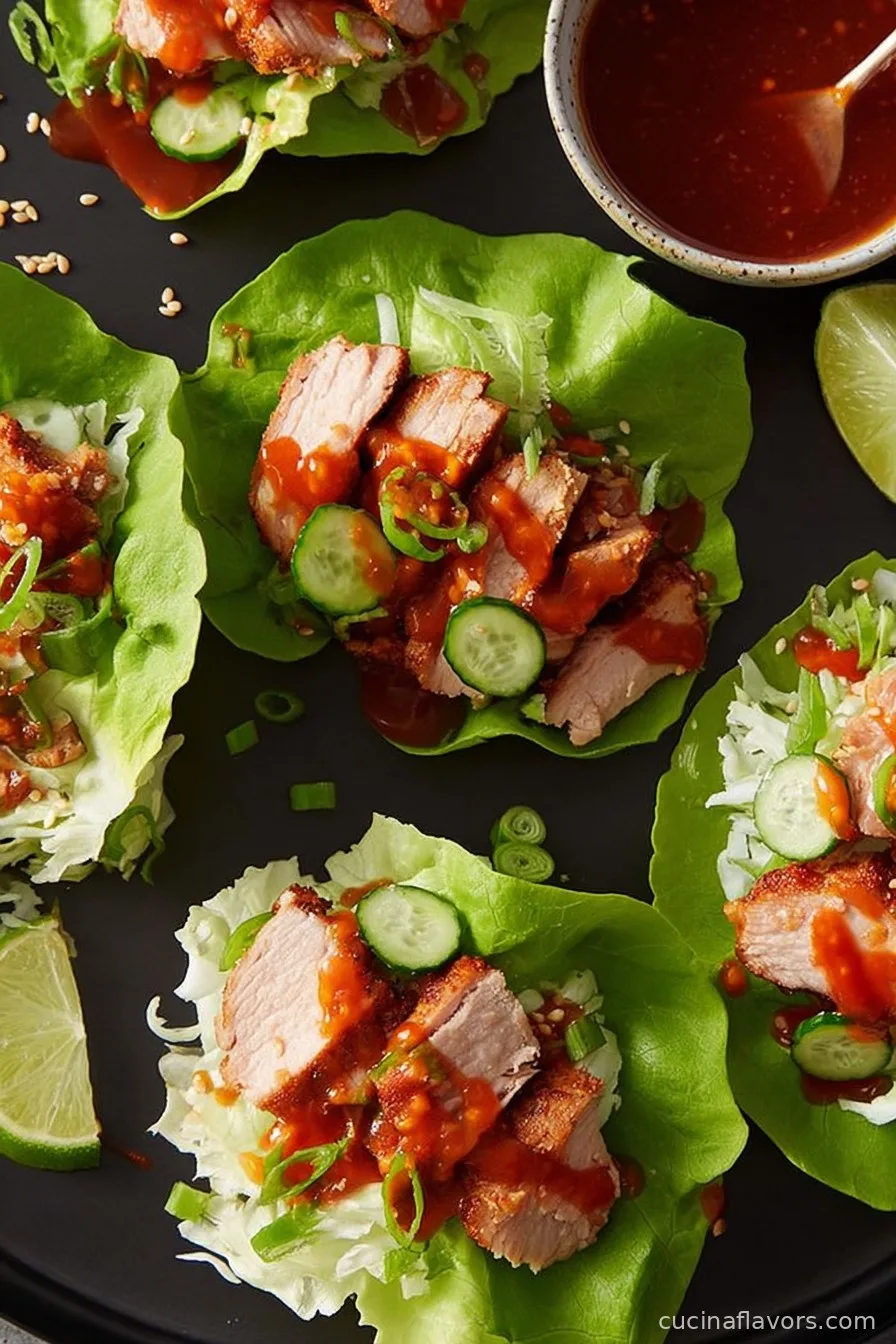
Lettuce wraps have been a staple in Korean cuisine for generations, most commonly enjoyed as 'ssam'—a traditional way of wrapping grilled meats and condiments in leafy vegetables.
Here, we've reinvented this favorite meal for the contemporary kitchen by using an air fryer, resulting in a meal that's not only quick and easy but also healthy and full of flavor.
The primary keyphrase, Air Fryer Korean-Inspired Pork Tenderloin Lettuce Wraps, is central to this recipe, guiding you through every step from prepping the pork to assembling your wraps. Combining gochujang, garlic, soy, and honey, the Korean-inspired marinade infuses the tenderloin with a harmony of spicy, sweet, and umami notes.
Whether you're planning a weeknight dinner or a gathering with friends and family, these lettuce wraps deliver on both taste and nutrition. Embrace a lighter, more wholesome approach to traditional Korean barbecue that doesn't compromise on flavor.
Packed with lean protein, crisp veggies, and punchy condiments, this dish is a standout choice for anyone seeking variety and excitement in their home-cooked meals.
Ingredients
- 1 ½ pounds pork tenderloin, trimmed
- 1 head butter lettuce (or Bibb lettuce), leaves separated and washed
- 2 tablespoons gochujang (Korean red pepper paste)
- 3 tablespoons low sodium soy sauce
- 1 tablespoon toasted sesame oil
- 1 tablespoon honey
- 4 cloves garlic, minced
- 1 tablespoon freshly grated ginger
- 2 teaspoons rice vinegar
- 1 teaspoon brown sugar
- 1 teaspoon freshly ground black pepper
- 2 green onions, thinly sliced
- 1 small carrot, julienned
- 1 small cucumber, julienned
- 1 tablespoon toasted sesame seeds
- 1 cup cooked jasmine or short-grain rice (optional)
- Kimchi, for serving (optional)
- Fresh cilantro leaves, for garnish (optional)
Instructions
- Pat the pork tenderloin dry with paper towels and set aside on a cutting board.
- In a medium mixing bowl, whisk together gochujang, soy sauce, sesame oil, honey, garlic, ginger, rice vinegar, brown sugar, and black pepper until smooth.
- Place the pork tenderloin in a large resealable plastic bag or shallow dish and pour the marinade over the meat. Ensure the pork is evenly coated. Refrigerate and marinate for at least 1 hour, preferably overnight for maximum flavor.
- Preheat your air fryer to 400°F (200°C) for about 5 minutes.
- Remove the pork tenderloin from the marinade and allow excess liquid to drip off. Reserve the marinade.
- Place the pork tenderloin in the air fryer basket. Cook at 400°F for 18–22 minutes, turning halfway through, until the internal temperature reaches 145°F (63°C).
- While the pork cooks, pour the reserved marinade into a small saucepan. Bring to a gentle boil and simmer for 2–3 minutes to reduce and thicken slightly; set aside as a sauce.
- Once cooked, allow the tenderloin to rest for 5–10 minutes before slicing thinly against the grain.
- Arrange lettuce leaves on a platter. Fill each with a layer of rice (if using), a few slices of pork, carrots, cucumber, green onions, and a drizzle of the reduced marinade.
- Top with sesame seeds, cilantro, and a spoonful of kimchi if desired. Serve immediately, allowing guests to assemble their own wraps.
Nutritional Information
Air Fryer Korean-Inspired Pork Tenderloin Lettuce Wraps offer a balanced and nutritious meal, suitable for a healthy lifestyle. A typical serving provides approximately 270-320 calories, influenced by ingredient choice and the addition of rice or kimchi.
Pork tenderloin is an excellent source of lean protein, delivering all essential amino acids for muscle repair and maintenance. It is also comparatively low in fat, especially when excess fat is trimmed prior to cooking.
The marinade, made with gochujang, honey, and soy sauce, introduces moderate carbohydrates and sodium, but also brings beneficial compounds such as capsaicin from red chili and phytonutrients from garlic and ginger. Fresh lettuce leaves contribute dietary fiber, assisting with digestion and promoting satiety without adding many calories.
The inclusion of colorful vegetables like carrots and cucumbers boosts vitamin A, vitamin C, potassium, and hydration—all supporting your body's immune system and digestive health. Using an air fryer instead of pan-frying or deep-frying keeps the saturated fat content low, and eliminates the need for extra oil.
This preparation is especially suited for those seeking heart-healthy, low-calorie dishes without sacrificing flavor. For gluten-free diets, tamari or coconut aminos can replace soy sauce.
Overall, this recipe is high in protein, rich in vitamins and minerals, and low in unhealthy fats, making it a wholesome choice for meals throughout the week.
Wine and Beverage Pairings
The complex, savory-sweet flavors in these Air Fryer Korean-Inspired Pork Tenderloin Lettuce Wraps pair wonderfully with a range of beverages. For wine lovers, a chilled off-dry Riesling or a juicy Pinot Noir accentuates the spicy and umami elements without overpowering the meal.
If you favor beer, a crisp lager, wheat beer, or light pilsner contrasts nicely with the heat from the marinade and the pickled tang of kimchi.
For non-alcoholic options, serve a refreshing Korean barley tea, iced green tea, or sparkling water with a twist of lime to cleanse the palate between bites. For a special touch, opt for a classic Korean soju as a nod to tradition, enjoyed in small sips between lettuce wraps.
Whichever you choose, the beverage should complement the dish without masking its myriad flavors.
Cooking Tips and Variations
To ensure the most delicious Air Fryer Korean-Inspired Pork Tenderloin Lettuce Wraps, start by marinating the pork overnight. Deep marination amplifies the flavors, making each bite more intense and succulent. If pressed for time, even a 1-hour marinade lends excellent taste, but overnight is ideal.
For easier slicing, let the cooked pork rest for at least 5 minutes after air frying—this locks in juices, preventing them from running out during cutting. Always slice against the grain to guarantee tenderness in each piece.
When constructing the wraps, use sturdy lettuce varieties like Bibb or butter lettuce, which hold the ingredients without tearing. For a low-carb version, skip the rice and load up on extra vegetables or kimchi. If you want extra crunch, consider adding thinly sliced radish, beansprouts, or pickled daikon.
For those who prefer a spicier kick, increase the amount of gochujang or add a dash of Korean chili flakes (gochugaru) to the marinade. Gluten-free eaters can swap soy sauce for tamari or coconut aminos as needed.
Don’t be afraid to experiment: substitute pork with chicken breast or thighs for a different protein, or try tofu for a vegetarian variation. Always monitor the internal temperature of the pork with a meat thermometer for perfect, safe results.
Lastly, prepare a variety of fresh garnishes—herbs like mint or basil, and extra sesame seeds—to let everyone customize their wraps to taste.

Serving Suggestions
Serving Air Fryer Korean-Inspired Pork Tenderloin Lettuce Wraps is all about creating an interactive, fun meal experience. Present the sliced pork on a large platter surrounded by nested lettuce leaves, mounds of julienned carrots and cucumbers, kimchi, rice, and a selection of garnishes in small bowls.
Arrange everything buffet-style, allowing your family or guests to build their own wraps to taste. This method encourages creativity and makes the meal feel communal—perfect for parties, weeknight dinners, or when entertaining guests.
Provide small spoons for the reduced marinade, tongs for picking up veggies, and napkins for easy cleanup as lettuce wraps can be delightfully messy. For a more substantial meal, offer sides like steamed dumplings, a simple miso soup, or a small Korean-style salad with sesame dressing.
The adaptability of these wraps means you can scale up ingredients for larger gatherings or down for solo meals or meal prep. Store any leftover components in separate airtight containers in the refrigerator for up to three days, allowing for easy assembly and freshness throughout the week.
Whether served as an appetizer, main, or part of a spread, these lettuce wraps are sure to delight and satisfy. For best results, serve fresh, immediately after assembling, to enjoy the crispness of the lettuce and the juiciness of the pork.
Health Benefits
Air Fryer Korean-Inspired Pork Tenderloin Lettuce Wraps are a nutritional powerhouse, fitting seamlessly into numerous healthy eating plans. Utilizing lean pork tenderloin minimizes unhealthy fats while providing high-quality, sustained protein, making it an excellent option for those focused on muscle development or weight management.
Lettuce, carrots, and cucumbers each contribute essential fiber, supporting digestion and providing a satisfying base that helps you feel full with fewer calories. Garlic and ginger offer not just bold flavor but also immune-boosting and anti-inflammatory benefits—an asset to your daily diet.
By opting for the air fryer, you substantially reduce the need for oil, which cuts back on unnecessary calories and saturated fats commonly associated with pan-frying methods. Gochujang delivers capsaicin, known for its metabolism-boosting and anti-inflammatory effects.
The flexibility of this recipe allows for customization to suit gluten-free, dairy-free, or low-carb dietary needs by easy ingredient swaps. Additionally, serving veggies raw retains their full vitamin and mineral profiles, further contributing to the overall healthfulness of the dish.
This meal supports heart health, weight loss, and overall well-being, all while delivering hearty, satisfying flavors.
Frequently Asked Questions
Absolutely! While pork tenderloin is tender and flavorful, you can substitute with chicken breast, boneless thighs, beef flank steak, or firm tofu for a vegetarian option. Adjust cooking times to ensure your protein is cooked through.
Store leftover pork, vegetables, and garnishes in separate airtight containers in the refrigerator for up to three days. Reheat pork slices gently in the microwave or air fryer, but assemble fresh lettuce wraps just before serving to maintain optimal texture.
The heat level depends on the amount of gochujang used. The recipe as written has a mild to moderate spice but can easily be adjusted up or down according to taste.
Yes, simply swap the soy sauce in the marinade for tamari or coconut aminos to ensure the recipe is completely gluten-free.
Butter lettuce or Bibb lettuce works best due to its pliable, sturdy leaves, but you can also use iceberg or romaine leaves in a pinch.
Air Fryer Korean-Inspired Pork Tenderloin Lettuce Wraps bring together the excitement of bold Korean flavors and the convenience of air fryer cooking. Perfect for weeknight meals, entertaining, or meal prep, these lettuce wraps are light, healthy, and deeply satisfying. With customizable fillings and an interactive serving style, the dish encourages everyone to create their perfect bite, all while delivering a well-rounded nutritional profile. Explore the harmony of tender pork, crisp vegetables, and dynamic sauces—your taste buds and your guests will thank you. Try this easy, healthy recipe and add a new favorite to your regular meal rotation.
Ingredients
- 1 ½ pounds pork tenderloin, trimmed
- 1 head butter lettuce (or Bibb lettuce), leaves separated and washed
- 2 tablespoons gochujang (Korean red pepper paste)
- 3 tablespoons low sodium soy sauce
- 1 tablespoon toasted sesame oil
- 1 tablespoon honey
- 4 cloves garlic, minced
- 1 tablespoon freshly grated ginger
- 2 teaspoons rice vinegar
- 1 teaspoon brown sugar
- 1 teaspoon freshly ground black pepper
- 2 green onions, thinly sliced
- 1 small carrot, julienned
- 1 small cucumber, julienned
- 1 tablespoon toasted sesame seeds
- 1 cup cooked jasmine or short-grain rice (optional)
- Kimchi, for serving (optional)
- Fresh cilantro leaves, for garnish (optional)
Instructions
-
1Pat the pork tenderloin dry with paper towels and set aside on a cutting board.
-
2In a medium mixing bowl, whisk together gochujang, soy sauce, sesame oil, honey, garlic, ginger, rice vinegar, brown sugar, and black pepper until smooth.
-
3Place the pork tenderloin in a large resealable plastic bag or shallow dish and pour the marinade over the meat. Ensure the pork is evenly coated. Refrigerate and marinate for at least 1 hour, preferably overnight for maximum flavor.
-
4Preheat your air fryer to 400°F (200°C) for about 5 minutes.
-
5Remove the pork tenderloin from the marinade and allow excess liquid to drip off. Reserve the marinade.
-
6Place the pork tenderloin in the air fryer basket. Cook at 400°F for 18–22 minutes, turning halfway through, until the internal temperature reaches 145°F (63°C).
-
7While the pork cooks, pour the reserved marinade into a small saucepan. Bring to a gentle boil and simmer for 2–3 minutes to reduce and thicken slightly; set aside as a sauce.
-
8Once cooked, allow the tenderloin to rest for 5–10 minutes before slicing thinly against the grain.
-
9Arrange lettuce leaves on a platter. Fill each with a layer of rice (if using), a few slices of pork, carrots, cucumber, green onions, and a drizzle of the reduced marinade.
-
10Top with sesame seeds, cilantro, and a spoonful of kimchi if desired. Serve immediately, allowing guests to assemble their own wraps.
Approximate Information for One Serving
Nutrition Disclaimers
Number of total servings shown is approximate. Actual number of servings will depend on your preferred portion sizes.
Nutritional values shown are general guidelines and reflect information for 1 serving using the ingredients listed, not including any optional ingredients. Actual macros may vary slightly depending on specific brands and types of ingredients used.
To determine the weight of one serving, prepare the recipe as instructed. Weigh the finished recipe, then divide the weight of the finished recipe (not including the weight of the container the food is in) by the desired number of servings. Result will be the weight of one serving.
Did you make this recipe?
Please consider Pinning it!


Leave a Reply