
Baked chicken thighs have become a kitchen staple for home cooks and chefs alike, beloved for their juicy tenderness, crisp skin, and simple preparation. For centuries, roasted chicken dishes have been celebrated in many cultures, and the convenience of using the oven has modernized this age-old classic.
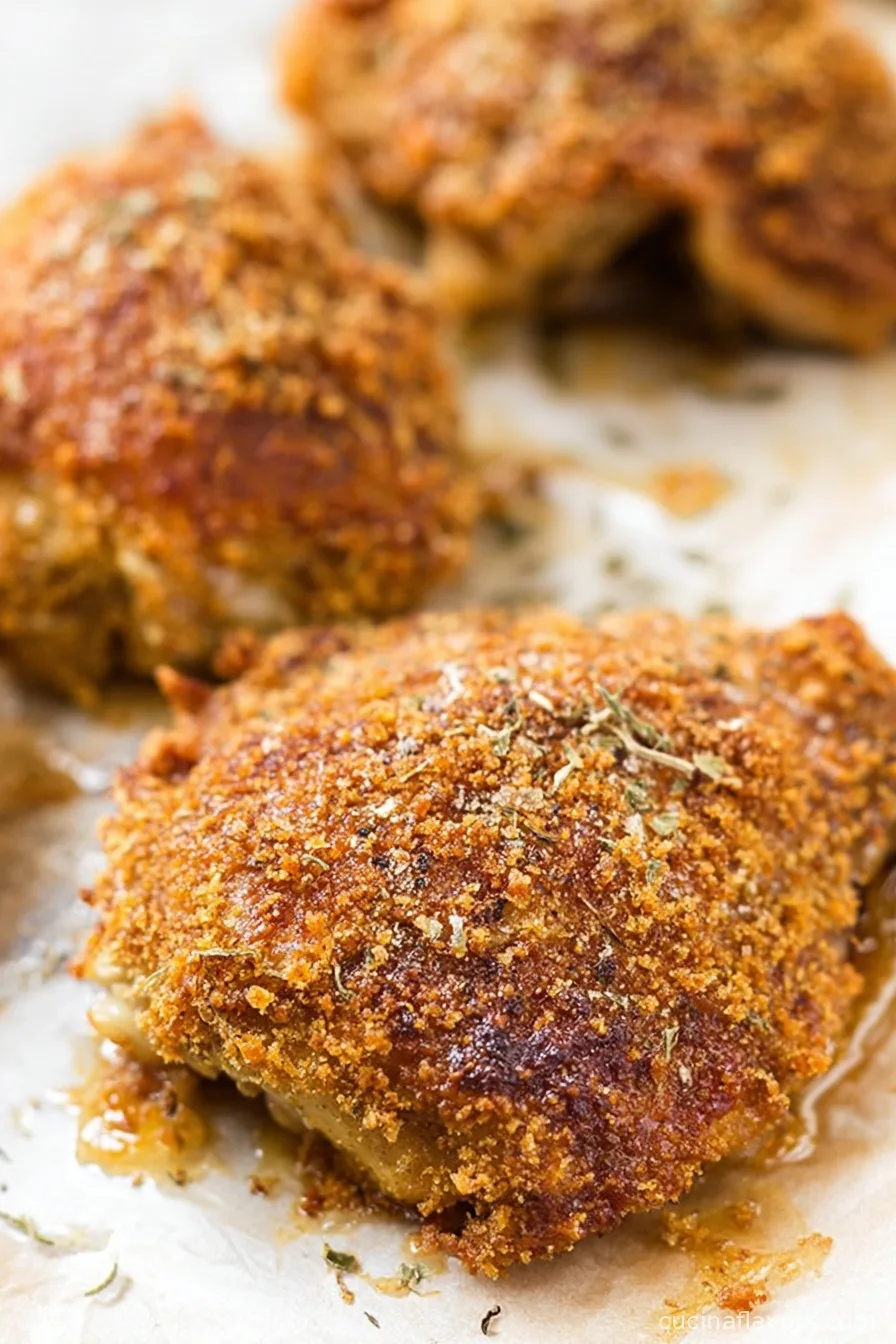
Today, Baked chicken thighs are favored for their affordability, versatility, and robust flavor that comes from the combination of bone-in meat and a perfectly rendered skin.
Whether you are aiming to create a satisfying family meal or prepping ahead for the week, this recipe is a reliable favorite that delivers mouthwatering results with minimal effort.
The widespread popularity of baked chicken thighs in Western and global cuisine can be credited to their ability to adapt to countless seasonings, marinades, and sides. These thighs are not only delicious but also packed with protein, making them a true comfort food without the guilt.
Using the oven allows the natural flavors of chicken thighs to shine while letting you multitask or prepare complementary dishes at the same time.
Whether you are a seasoned home cook or just starting out, mastering this classic baked chicken thighs recipe ensures you will always have a go-to dish for any occasion.
Ingredients
- 8 bone-in, skin-on chicken thighs
- 2 tablespoons olive oil
- 1 teaspoon salt
- ½ teaspoon freshly cracked black pepper
- 1 teaspoon garlic powder
- 1 teaspoon onion powder
- 1 teaspoon paprika (smoked or sweet)
- 1 teaspoon dried thyme or Italian seasoning
- ½ teaspoon crushed red pepper flakes (optional)
- Fresh chopped parsley for garnish
Instructions
- Preheat the oven to 425°F (220°C) and line a baking sheet with parchment paper or lightly grease it.
- Pat the chicken thighs dry with paper towels to ensure crispy skin. Trim any excess fat or skin if necessary.
- In a small bowl, mix together the salt, black pepper, garlic powder, onion powder, paprika, dried thyme, and crushed red pepper flakes if using.
- Place the chicken thighs on the prepared baking sheet. Drizzle with olive oil and rub it evenly over both sides of each thigh.
- Sprinkle the seasoning blend generously over both sides of the chicken thighs and gently rub it in with your hands.
- Arrange the thighs skin side up and ensure they are not touching each other for the crispiest results.
- Bake in the preheated oven for 35 to 40 minutes, or until the internal temperature reaches 165°F (74°C) and the skin is golden and crisp.
- For extra crispy skin, broil the thighs on high for an additional 2-3 minutes, watching closely to avoid burning.
- Remove from the oven and let the chicken rest for 5 minutes before dicing, slicing, or serving whole.
- Garnish with chopped fresh parsley and serve hot with your favorite sides.
Nutritional Information
Baked chicken thighs provide an excellent balance of macronutrients while being remarkably satisfying. One medium baked chicken thigh (without added fats or excessive breading) contains approximately 180-220 calories, 18-20 grams of protein, and 12-15 grams of fat.
The recipe calls for a modest amount of olive oil, which introduces heart-healthy monounsaturated fats. Chicken thighs are a rich source of essential amino acids, which support muscle growth, body repair, and overall health.
The use of various spices and herbs in this baked chicken thighs recipe means added flavor without excess sodium or calories, making it a sensible choice for many dietary plans. Additionally, roasted chicken thighs yield a significant quantity of vitamins and minerals such as vitamin B6, niacin, phosphorus, and selenium.
For those mindful of their sodium intake, salt can easily be reduced or replaced with other seasonings. This chicken dish is naturally low carb and gluten-free, so it's suitable for many diets, including ketogenic and paleo.
Pairing this protein-rich dish with fiber-rich vegetables helps create a nutritionally balanced meal, promoting satiety and steady energy levels. Responsible portioning, as part of an overall healthy eating plan, makes baked chicken thighs a nourishing staple that can be enjoyed regularly by the whole family.

Wine and Beverage Pairings
Baked chicken thighs pair wonderfully with a variety of beverages. For wine lovers, an unoaked Chardonnay or a medium-bodied Pinot Noir highlights the savory and subtly smoky flavors of the roasted chicken.
If you prefer red wine, opt for a light Merlot or Beaujolais to complement the dish without overpowering it. Beer enthusiasts can enjoy a crisp golden lager or a Belgian-style saison, both of which will balance out the spices and rich meat.
For nonalcoholic options, try sparkling water with a wedge of lemon or lime, or a homemade iced tea infused with fresh herbs like mint or basil for a refreshing accompaniment. These pairings will enhance your meal by complementing and contrasting the savory depth of baked chicken thighs.
Cooking Tips and Variations
To make your baked chicken thighs even more flavorful and achieve consistently perfect results, consider a few expert tips and recipe variations. Always start by thoroughly patting the chicken dry; moisture on the skin steams the meat rather than roasting it, which can prevent crispiness.
For even more intense flavor, marinate the chicken thighs in your seasoning blend plus a tablespoon or two of lemon juice or yogurt for up to 24 hours before baking. Adjust the spice blend to your liking—smoked paprika lends a deep, BBQ-like flavor, while cayenne pepper brings extra heat.
Experiment with fresh herbs such as rosemary or thyme for aromatic notes. If you prefer boneless, skinless thighs, reduce the baking time to 25-30 minutes but note that the skin contributes both flavor and texture.
To create a one-pan meal, add sliced potatoes, carrots, or bell peppers to the baking sheet. Ensure that the chicken thighs are spaced apart so they roast rather than steam—the air circulation is key for that luscious crisp.
For a gluten-free variation, this recipe already meets those needs, but always check your seasonings to make sure there are no hidden additives. Finally, don’t discard the flavorful pan juices; they make an excellent drizzle for the finished chicken or can be used to flavor rice or potatoes served alongside.
These tweaks can personalize your baked chicken thighs while maintaining their classic appeal.

Serving Suggestions
Serving baked chicken thighs is all about presentation and harmony of flavors. To create a complete and visually appealing meal, consider arranging the baked chicken thighs on a large platter and garnishing with fresh parsley or chopped herbs.
Pair the chicken with classic sides such as roasted potatoes, garlic mashed potatoes, or a steaming bed of long-grain rice. For a lighter, health-conscious meal, serve the chicken over a vibrant green salad, quinoa, or cauliflower rice.
Seasonal roasted or steamed vegetables, such as carrots, asparagus, or Brussels sprouts, make colorful and nutritious accompaniments that round out both flavor and texture. For a family-style dinner, you can offer a medley of dipping sauces—think herbed yogurt, garlic aioli, or tangy BBQ sauce—to cater to all tastes and ages.
Bread lovers might enjoy a slice of hearty, crusty bread or fluffy dinner rolls to soak up the savory pan juices. For holiday gatherings, these chicken thighs are excellent for buffet service, as they reheat well and retain their flavor.
No matter the occasion, serving baked chicken thighs hot, garnished, and alongside complementary sides ensures a satisfying and memorable meal.
Health Benefits
Baked chicken thighs offer more than just culinary delight—they are loaded with health benefits when prepared mindfully. Chicken is an outstanding source of high-quality protein, crucial for maintaining muscle mass, supporting metabolism, and promoting healthy bones and teeth.
The inclusion of skin-on thighs provides healthy fats, which are beneficial in moderation and can help with the absorption of fat-soluble vitamins such as vitamins A, D, E, and K.
Oven-baking, as opposed to deep-frying, significantly reduces added fats and calories, making this method superior for heart health and weight management. The spices used not only enhance flavor without extra calories but also deliver antioxidants and anti-inflammatory properties.
For those who are monitoring cholesterol or saturated fat intake, you can remove the skin after baking to reduce the fat content while still enjoying juicy meat.
Additionally, the nutrients in baked chicken thighs support immune function, energy production, and overall wellness, making them a wholesome choice as part of a balanced diet.
With the right cooking techniques and portion control, baked chicken thighs can be a regular feature on the menu for anyone seeking nutritious, delicious meals.
Frequently Asked Questions
Yes, boneless, skinless chicken thighs work well, though they will cook faster (about 25-30 minutes). The skin adds crispness and flavor, but the boneless variety is leaner and still delicious.
Baked chicken thighs are done when they reach an internal temperature of 165°F (74°C), measured at the thickest part of the meat, and the juices run clear. Always use a reliable kitchen thermometer for best results.
Absolutely! You can season and marinate the chicken up to 24 hours in advance. Cooked chicken thighs also keep well in the refrigerator for up to 4 days and can be reheated gently in the oven.
Store leftovers in an airtight container in the refrigerator for up to 4 days. For longer storage, cool completely and freeze for up to 3 months. Thaw in the refrigerator before reheating.
Yes, you can fully customize the seasoning mix to your taste preferences. Try adding cumin, curry powder, or lemon zest for a different flavor profile. Fresh herbs also make great additions.
Baked chicken thighs offer a deliciously simple and consistently satisfying dish that fits perfectly into busy lifestyles and festive occasions alike. Their natural juiciness, robust flavor, and ease of preparation make them a top choice for both home cooks and chefs. With a few pantry staples and fresh chicken thighs, you can create a meal that’s impressive enough for guests yet effortless for weeknight dinners. Flexible with seasonings and sides, baked chicken thighs are as classic as they are adaptable. Make this recipe a regular part of your meal rotation and enjoy the unbeatable combination of flavor, nutrition, and convenience every time.
Ingredients
- 8 bone-in, skin-on chicken thighs
- 2 tablespoons olive oil
- 1 teaspoon salt
- ½ teaspoon freshly cracked black pepper
- 1 teaspoon garlic powder
- 1 teaspoon onion powder
- 1 teaspoon paprika (smoked or sweet)
- 1 teaspoon dried thyme or Italian seasoning
- ½ teaspoon crushed red pepper flakes (optional)
- Fresh chopped parsley for garnish
Instructions
-
1Preheat the oven to 425°F (220°C) and line a baking sheet with parchment paper or lightly grease it.
-
2Pat the chicken thighs dry with paper towels to ensure crispy skin. Trim any excess fat or skin if necessary.
-
3In a small bowl, mix together the salt, black pepper, garlic powder, onion powder, paprika, dried thyme, and crushed red pepper flakes if using.
-
4Place the chicken thighs on the prepared baking sheet. Drizzle with olive oil and rub it evenly over both sides of each thigh.
-
5Sprinkle the seasoning blend generously over both sides of the chicken thighs and gently rub it in with your hands.
-
6Arrange the thighs skin side up and ensure they are not touching each other for the crispiest results.
-
7Bake in the preheated oven for 35 to 40 minutes, or until the internal temperature reaches 165°F (74°C) and the skin is golden and crisp.
-
8For extra crispy skin, broil the thighs on high for an additional 2-3 minutes, watching closely to avoid burning.
-
9Remove from the oven and let the chicken rest for 5 minutes before dicing, slicing, or serving whole.
-
10Garnish with chopped fresh parsley and serve hot with your favorite sides.
Approximate Information for One Serving
Nutrition Disclaimers
Number of total servings shown is approximate. Actual number of servings will depend on your preferred portion sizes.
Nutritional values shown are general guidelines and reflect information for 1 serving using the ingredients listed, not including any optional ingredients. Actual macros may vary slightly depending on specific brands and types of ingredients used.
To determine the weight of one serving, prepare the recipe as instructed. Weigh the finished recipe, then divide the weight of the finished recipe (not including the weight of the container the food is in) by the desired number of servings. Result will be the weight of one serving.
Did you make this recipe?
Please consider Pinning it!

Leave a Reply