
Baked Greek Chicken is a classic Mediterranean dish, celebrated for its vibrant flavors and wholesome ingredients. This recipe brings together simple yet flavorful elements such as garlic, lemon, olive oil, and a blend of traditional Greek herbs, creating an aromatic and juicy main course that is both delightful and satisfying.
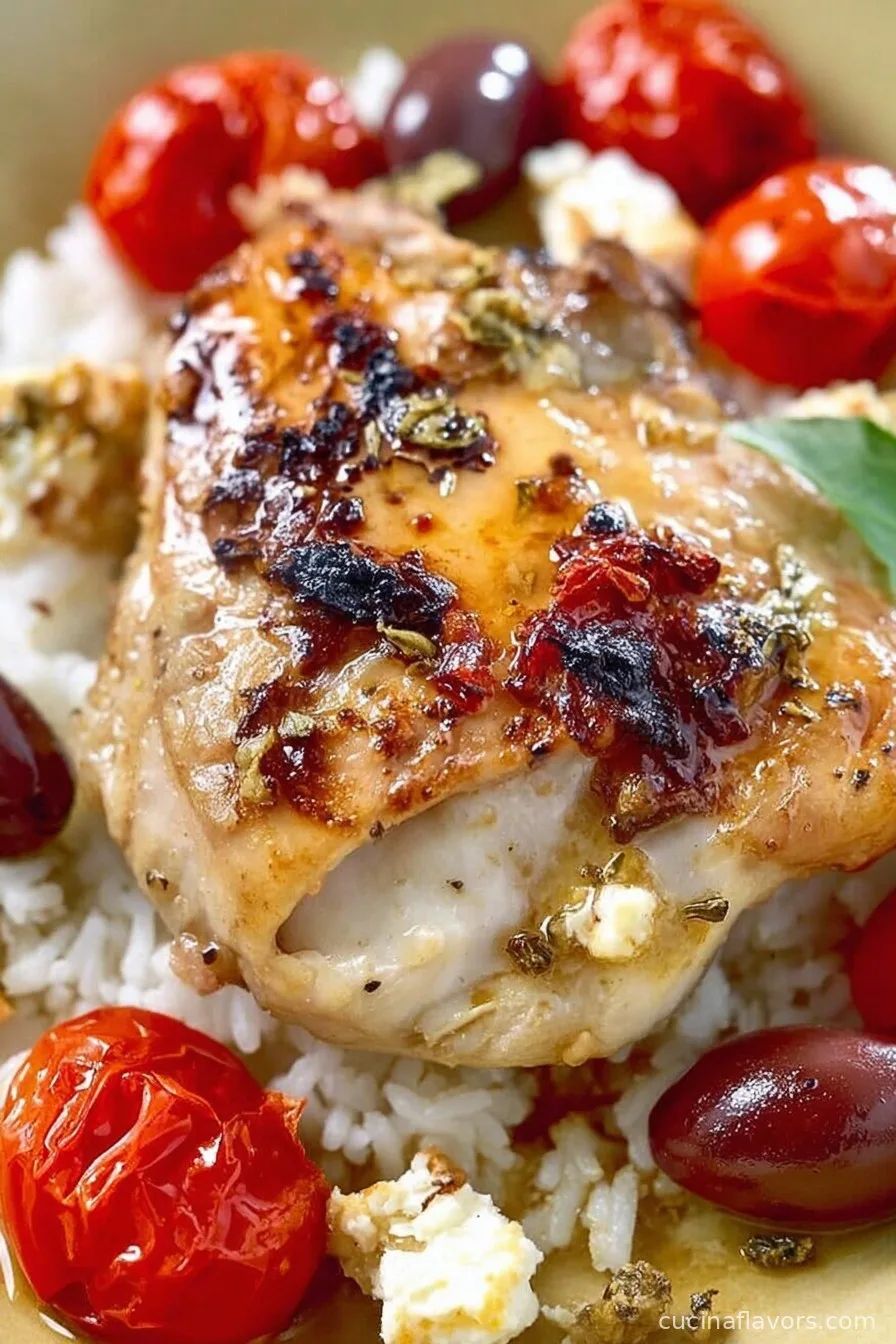
The origins of baked chicken in Greek cuisine date back centuries, where fresh, seasonal ingredients are always at the forefront. Greek cooking is deeply rooted in the country's history and geography, boasting influences from ancient Greece as well as neighboring countries of the Mediterranean.
The method of marinating chicken with citrus, herbs, and olive oil is not only about flavor, but also about locking in moisture, ensuring every bite is tender and delicious.
Baked Greek Chicken is a testament to the Mediterranean approach to cooking: using high-quality ingredients, simple techniques, and letting natural flavors shine.
Perfect for weeknight dinners, gatherings, or meal prep, this dish is both nutritious and visually appealing, typically served with classic sides like roasted potatoes, Greek salad, or herbed rice.
Whether you are new to Greek cuisine or looking to master a timeless staple, this Baked Greek Chicken recipe will transport you to the sun-soaked shores of Greece with every mouthful.
Ingredients
- 4 bone-in, skin-on chicken thighs (about 2 pounds)
- ¼ cup extra virgin olive oil
- 3 tablespoons fresh lemon juice
- Zest of 1 lemon
- 3 large garlic cloves, minced
- 2 teaspoons dried oregano
- 1 teaspoon dried thyme
- 1 teaspoon dried rosemary
- 1 teaspoon salt
- ½ teaspoon freshly ground black pepper
- ½ teaspoon paprika
- ½ cup crumbled feta cheese
- ¼ cup chopped fresh parsley
- 1 tablespoon chopped fresh dill (optional)
- 1 red onion, thinly sliced
- 1 cup cherry tomatoes, halved
- Lemon wedges for serving
Instructions
- Preheat the oven to 400°F (200°C). Lightly grease a large baking dish or line it with parchment paper.
- In a large bowl, whisk together the olive oil, lemon juice, lemon zest, minced garlic, dried oregano, thyme, rosemary, salt, black pepper, and paprika until well blended.
- Add the chicken thighs to the bowl and toss each piece in the marinade, ensuring the mixture coats every surface. Cover and marinate in the refrigerator for at least 30 minutes, or up to 8 hours for maximum flavor.
- Arrange the marinated chicken thighs, skin side up, in the prepared baking dish. Scatter sliced red onion and cherry tomatoes around the chicken.
- Pour any remaining marinade over the chicken and vegetables.
- Bake the chicken in the preheated oven for 35-40 minutes, or until the chicken is golden brown and the internal temperature reaches 165°F (74°C). If desired, broil for an additional 2-3 minutes for crispier skin.
- Remove the dish from the oven and let the chicken rest for 5 minutes. Sprinkle crumbled feta, fresh parsley, and dill (if using) over the top just before serving.
- Serve the Baked Greek Chicken directly from the baking dish, with lemon wedges on the side for extra zest.
Nutritional Information
Baked Greek Chicken is as nutritious as it is flavorful, making it an excellent choice for a balanced meal.
Each serving (one chicken thigh with vegetables and a garnish of feta) contains approximately 320 calories, 21 grams of fat (mainly from heart-healthy olive oil), 4 grams of carbohydrates, and 28 grams of high-quality protein.
The inclusion of lean chicken as the centerpiece provides a crucial source of complete protein, vital for muscle maintenance and repair. Olive oil, a staple in the Mediterranean diet, supplies beneficial monounsaturated fats, which can support heart health and help manage cholesterol levels.
The recipe is low in simple carbohydrates and contains fiber and vitamins from vegetables like red onion and cherry tomatoes. Lemon juice not only imparts fresh flavor but also contributes vitamin C and aids in iron absorption.
Seasonings such as garlic, oregano, thyme, and rosemary are known for their antioxidant properties, potentially offering anti-inflammatory benefits. Feta cheese adds some calcium and protein, though it is best enjoyed in moderation due to its sodium content.
Overall, Baked Greek Chicken is a wholesome dinner option suitable for various dietary preferences, including low-carb and Mediterranean diets. Pair this dish with a whole grain or a salad for a well-rounded meal that delivers an array of essential nutrients while keeping saturated fats and sugars to a minimum.

Wine and Beverage Pairings
For a beverage pairing, opt for a crisp white wine such as Assyrtiko, Sauvignon Blanc, or Pinot Grigio. These selections bring refreshing acidity that complements the lemon and herb components of Baked Greek Chicken.
If you prefer red wine, a light-bodied wine like Pinot Noir or a young Xinomavro from Greece pairs nicely without overwhelming the dish.
Those favoring non-alcoholic drinks will enjoy sparkling water with a twist of lemon or cucumber, or a herbal iced tea infused with mint and citrus notes, amplifying the Mediterranean experience.
Cooking Tips and Variations
To achieve the most flavorful Baked Greek Chicken, invest in fresh herbs whenever possible. Fresh oregano and dill will elevate the aromatic profile, while fresh lemon juice brightens the entire dish. For those looking to diversify, you can substitute chicken breasts or drumsticks, adjusting the baking time to prevent dryness.
If opting for boneless, skinless chicken, reduce baking time and consider covering the dish with foil to retain moisture. To enhance the marinade, let the chicken rest overnight in the refrigerator for deeper flavor penetration.
For a vegetable boost, add sliced bell peppers, zucchini, or olives to the baking dish, which will infuse the entire meal with Greek character. For a dairy-free version, simply omit the feta cheese.
Those seeking a bit of spice can add a pinch of crushed red pepper flakes to the marinade. Always allow the chicken to rest after baking, as this step redistributes the juices, ensuring maximum tenderness.
Lastly, save the pan juices for drizzling over rice or potatoes, as they are packed with flavor. These simple tweaks and tips can help you perfect Baked Greek Chicken to match your personal taste and dietary needs.

Serving Suggestions
Serving Baked Greek Chicken can be both simple and elegant, making it suitable for family meals and special occasions. For a classic experience, pair the chicken with oven-roasted potatoes tossed in the same lemon-herb marinade; the potatoes absorb the delicious juices for an irresistible side.
Greek salad is another iconic accompaniment, featuring crisp cucumbers, ripe tomatoes, Kalamata olives, and red onion, all topped with extra feta and a drizzle of olive oil.
For a lighter meal, try serving the chicken over a bed of fluffy herbed rice or quinoa, allowing the grains to soak up the marinade and pan juices. Homemade tzatziki, a cool cucumber yogurt sauce, makes a refreshing dip that balances the savory notes of the chicken.
For a vibrant dinner table, consider offering a mezze platter with hummus, dolmades, and warm pita alongside the main course. To finish, serve with lemon wedges and a sprinkle of fresh herbs for extra fragrance and color.
The meal lends itself beautifully to sharing, so place the baking dish directly at the center of the table for guests to serve themselves. For a complete Mediterranean spread, finish with fresh fruit or baklava for dessert.
Health Benefits
Baked Greek Chicken fits seamlessly into a range of healthy diets, from Mediterranean to low-carb to gluten-free lifestyles. The reliance on lean poultry and olive oil supports heart health, delivering high-quality protein and beneficial fats without excess saturated fat.
The dish is naturally low in carbohydrates and sugars, making it suitable for those managing blood sugar levels. Fresh herbs and spices provide phytonutrients that may combat inflammation, while lemon juice offers vitamin C, supporting immune function.
Feta cheese, included in moderation, contributes calcium and protein, though you can reduce or replace it based on dietary needs. The abundance of flavor from herbs, garlic, and lemon allows you to minimize reliance on salt without sacrificing taste.
The presence of antioxidants in the vegetables further boosts the meal's nutritional value. Those watching sodium or following a dairy-free diet can customize the recipe easily.
Overall, Baked Greek Chicken is not only delicious but packs a wealth of health-supporting benefits, making it an ideal choice for balanced meals at home.
Frequently Asked Questions
Yes, you can substitute chicken breasts in this recipe. Adjust the baking time as they cook faster—typically 20-25 minutes. To prevent dryness, consider marinating longer and covering with foil during most of the baking time, removing it towards the end to allow browning.
Marinating is key for flavor and moisture, but if you are short on time, a quick 30-minute marinade suffices. For deeper flavor, marinate for up to 8 hours or overnight in the refrigerator.
Red onion and cherry tomatoes are recommended in this recipe. For variation, add bell peppers, zucchini, artichoke hearts, or Kalamata olives, all of which complement the Mediterranean flavors superbly.
Absolutely! You can marinate the chicken up to 24 hours ahead. The dish also reheats well—just store it in an airtight container in the refrigerator and reheat gently in the oven or microwave.
Simply omit the feta cheese to make the recipe dairy-free. The marinade and baked chicken remain flavorful without the cheese, or you can use a dairy-free feta alternative if preferred.
Baked Greek Chicken is a celebration of Mediterranean cuisine, offering a perfect blend of flavors, nutrition, and simple preparation. Its vibrant herbs, zesty lemon, and tender chicken make it a versatile dish suitable for everyday dinners or special occasions. Both healthy and satisfying, Baked Greek Chicken showcases the best of Greek traditions, delivering a meal that delights the palate and nourishes the body. With endless opportunities for customization and pairing, this recipe is sure to become a household favorite, bringing the sunshine and spirit of Greece to your dining table.
Ingredients
- 4 bone-in, skin-on chicken thighs (about 2 pounds)
- ¼ cup extra virgin olive oil
- 3 tablespoons fresh lemon juice
- Zest of 1 lemon
- 3 large garlic cloves, minced
- 2 teaspoons dried oregano
- 1 teaspoon dried thyme
- 1 teaspoon dried rosemary
- 1 teaspoon salt
- ½ teaspoon freshly ground black pepper
- ½ teaspoon paprika
- ½ cup crumbled feta cheese
- ¼ cup chopped fresh parsley
- 1 tablespoon chopped fresh dill (optional)
- 1 red onion, thinly sliced
- 1 cup cherry tomatoes, halved
- Lemon wedges for serving
Instructions
-
1Preheat the oven to 400°F (200°C). Lightly grease a large baking dish or line it with parchment paper.
-
2In a large bowl, whisk together the olive oil, lemon juice, lemon zest, minced garlic, dried oregano, thyme, rosemary, salt, black pepper, and paprika until well blended.
-
3Add the chicken thighs to the bowl and toss each piece in the marinade, ensuring the mixture coats every surface. Cover and marinate in the refrigerator for at least 30 minutes, or up to 8 hours for maximum flavor.
-
4Arrange the marinated chicken thighs, skin side up, in the prepared baking dish. Scatter sliced red onion and cherry tomatoes around the chicken.
-
5Pour any remaining marinade over the chicken and vegetables.
-
6Bake the chicken in the preheated oven for 35-40 minutes, or until the chicken is golden brown and the internal temperature reaches 165°F (74°C). If desired, broil for an additional 2-3 minutes for crispier skin.
-
7Remove the dish from the oven and let the chicken rest for 5 minutes. Sprinkle crumbled feta, fresh parsley, and dill (if using) over the top just before serving.
-
8Serve the Baked Greek Chicken directly from the baking dish, with lemon wedges on the side for extra zest.
Approximate Information for One Serving
Nutrition Disclaimers
Number of total servings shown is approximate. Actual number of servings will depend on your preferred portion sizes.
Nutritional values shown are general guidelines and reflect information for 1 serving using the ingredients listed, not including any optional ingredients. Actual macros may vary slightly depending on specific brands and types of ingredients used.
To determine the weight of one serving, prepare the recipe as instructed. Weigh the finished recipe, then divide the weight of the finished recipe (not including the weight of the container the food is in) by the desired number of servings. Result will be the weight of one serving.
Did you make this recipe?
Please consider Pinning it!



Leave a Reply