
Chicken in White Wine Sauce is a timeless classic with roots in French cuisine, celebrated for its rich creaminess, delicate flavors, and elegant presentation. This cherished dish, known as "Poulet au Vin Blanc" in France, has graced both family tables and refined restaurant menus for generations.
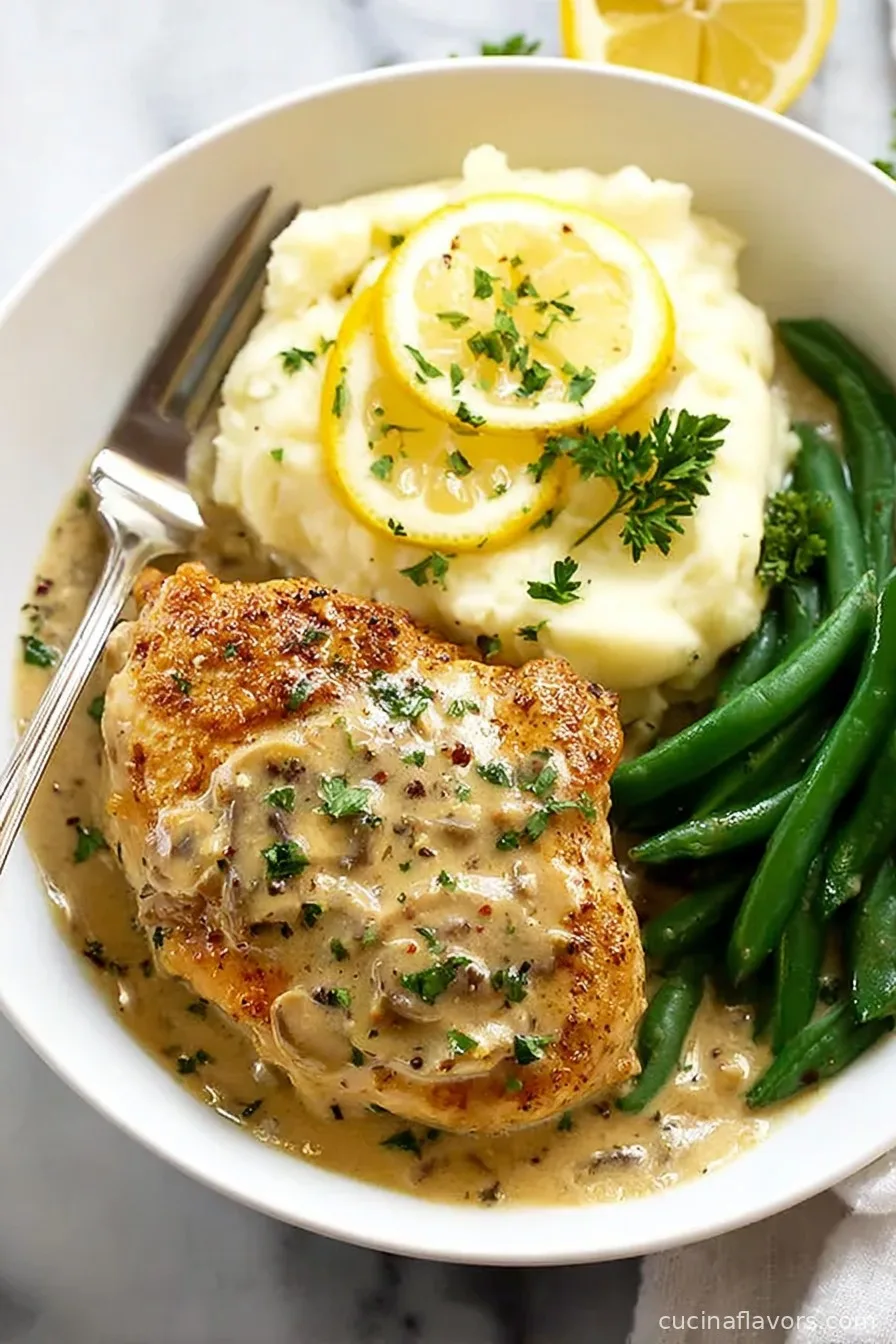
By simmering tender chicken pieces in a fragrant sauce made from white wine, fresh herbs, and a touch of cream, you create a comforting meal that balances sophistication and homestyle warmth.
Chicken in White Wine Sauce’s popularity can be traced back to the days when wine was an essential cooking medium in many European kitchens, used both for flavor and for tenderizing meats.
Its mild, yet flavorful profile allows it to suit a wide variety of palates, making it a crowd-pleaser at gatherings and an ideal choice for weeknight dinners alike.
The combination of juicy, golden-brown chicken with a silky sauce infused with garlic, shallots, and farm-fresh herbs effortlessly bridges the gap between rustic and refined.
Whether you are looking to impress dinner guests or treat your family to something special, Chicken in White Wine Sauce offers a true taste of culinary tradition.
This comprehensive guide will walk you through each savory step, from selecting the right ingredients to perfecting the sauce, ensuring your Chicken in White Wine Sauce turns out absolutely irresistible every single time.
Ingredients
- 4 boneless, skinless chicken breasts (about 1.5 lbs)
- 1 teaspoon salt
- ½ teaspoon freshly ground black pepper
- ½ cup all-purpose flour (for dredging)
- 2 tablespoons olive oil
- 2 tablespoons unsalted butter
- 2 shallots, finely diced
- 3 cloves garlic, minced
- 1 cup dry white wine (such as Sauvignon Blanc or Pinot Grigio)
- ½ cup low-sodium chicken broth
- ½ cup heavy cream
- 2 teaspoons fresh thyme leaves (or 1 teaspoon dried thyme)
- 2 tablespoons fresh parsley, chopped (for garnish)
- Zest of 1 lemon
- Juice of ½ lemon
Instructions
- Pat the chicken breasts dry with paper towels, then season both sides evenly with salt and black pepper.
- Place the flour in a shallow bowl and lightly dredge each chicken breast, shaking off any excess.
- Heat the olive oil and 1 tablespoon of butter in a large skillet over medium-high heat. Once hot, add the chicken breasts and cook for about 4-5 minutes per side, or until golden and just cooked through. Remove the chicken from the pan and set aside on a plate.
- In the same skillet, add the remaining butter. Add the diced shallots and cook for 2-3 minutes until softened. Stir in the minced garlic and cook until fragrant, about 30 seconds.
- Pour in the white wine, scraping up any browned bits from the bottom of the pan. Bring to a simmer and cook for 2-3 minutes to let the alcohol evaporate and the sauce reduce slightly.
- Add the chicken broth and bring back to a gentle simmer. Allow the mixture to cook for another 2 minutes.
- Lower the heat, then stir in the heavy cream, thyme, lemon zest, and lemon juice. Simmer gently for 2-3 minutes until the sauce thickens and becomes creamy.
- Return the chicken breasts (and any juices) to the skillet, nestling them in the sauce. Spoon sauce over the chicken and simmer for an additional 2 minutes, allowing the flavors to meld. Check seasoning and adjust salt and pepper as needed.
- Garnish with chopped parsley and serve immediately, spooning extra sauce over each chicken breast.
Nutritional Information
Chicken in White Wine Sauce is packed with protein and several nutrients while offering a balanced approach to indulgence and nutrition. A typical serving (one chicken breast with sauce) contains approximately 420 calories, with 28 grams of protein, 23 grams of fat, and 14 grams of carbohydrates.
The chicken breast provides lean, high-quality protein essential for muscle repair and overall health. Olive oil and butter contribute to the flavor and creamy mouthfeel, while also supplying healthy monounsaturated fats as well as some saturated fat.
Using heavy cream creates a luscious sauce, but lighter versions can utilize reduced-fat cream or even Greek yogurt for a leaner meal. Herb additions like thyme and parsley not only elevate the flavor but also introduce antioxidants and vitamins. By using low-sodium chicken broth, the sodium content is kept moderate.
The inclusion of shallots, garlic, and lemon enhances the taste without adding excess calories or fat. For those on a lower-calorie or lower-fat diet, substituting light cooking cream and trimming the amount of butter can further reduce the calorie count per dish.
Ultimately, Chicken in White Wine Sauce provides a satisfying, nutrient-rich meal when enjoyed as part of a balanced diet, pairing well with vegetables or whole grains to round out the plate.
Wine and Beverage Pairings
The best beverage pairing for Chicken in White Wine Sauce is, unsurprisingly, a glass of the same dry white wine you used to create the dish. Sauvignon Blanc, Pinot Grigio, or an unoaked Chardonnay all work wonderfully, as their acidity brightens the creamy sauce and complements the delicate chicken.
If you prefer a non-alcoholic beverage, sparkling water with a wedge of lemon or a lightly brewed herbal tea, such as chamomile or thyme, will refresh the palate without overwhelming the dish.
For those who enjoy beer, a crisp pilsner or wheat beer also provides a gentle pairing that accentuates the savory flavors of the meal.
Cooking Tips and Variations
For the most flavorful Chicken in White Wine Sauce, begin by properly browning the chicken; a good sear locks in juices and brings out a deeper savory taste in the dish. Opt for dry white wines with plenty of acidity like Sauvignon Blanc, Pinot Grigio, or Chardonnay.
Avoid sweet or overly oaked wines, as they can overpower the sauce and shift the delicate balance. If you're looking for a richer flavor, use bone-in, skin-on chicken thighs in place of breasts, adjusting the cooking time accordingly.
When thickening the sauce, be patient—allow it to reduce slowly over low heat so the flavors can meld and evolve. If you prefer a silkier texture, strain the sauce before serving. For an additional burst of flavor, toss in a handful of sliced mushrooms or a splash of Dijon mustard.
Fresh tarragon or basil can also be added for an herbal twist. Those desiring a lower-fat version may swap heavy cream for half-and-half or a blend of Greek yogurt and milk.
Finally, always finish the sauce with fresh herbs and a touch of lemon juice for brightness, and don’t skip tasting and adjusting the seasoning before serving. These expert tips will help elevate your Chicken in White Wine Sauce to restaurant-worthy levels.

Serving Suggestions
Chicken in White Wine Sauce is incredibly versatile and shines when served with classic side dishes that soak up its luscious, velvety sauce. One of the most popular accompaniments is a bed of buttery mashed potatoes, which captures the sauce beautifully.
Al dente pasta, such as linguine or tagliatelle, is another excellent option that intertwines with the herbed flavors and creamy texture for an indulgent experience. For a lighter touch, pair the chicken with steamed or roasted seasonal vegetables, such as asparagus, green beans, or tender carrots.
Crusty, artisan bread can also be served on the side, perfect for mopping up every last drop of the exquisite white wine sauce. Should you desire a more refined presentation, try serving the chicken atop a delicate risotto or with a parsnip purée.
Garnishing the dish with additional fresh parsley or a sprinkle of lemon zest not only enhances presentation but also imparts a pop of brightness. For special occasions, plating each chicken breast individually and spooning the sauce artfully over the top adds elegance.
Regardless of the sides you choose, Chicken in White Wine Sauce transforms an everyday meal into a sophisticated dining experience that is sure to impress guests and loved ones alike.
Health Benefits
Chicken in White Wine Sauce offers a range of health benefits, making it a suitable meal choice for varied dietary needs. The lean protein from chicken breast supports muscle growth and repair while being lower in fat and calories compared to other meat cuts.
The use of olive oil in place of some butter introduces beneficial monounsaturated fats that are heart-healthy and supportive of cholesterol management. Fresh herbs like thyme and parsley not only provide vibrant flavor but also supply antioxidants, vitamins A and C, and trace minerals, further enhancing the nutritional profile.
Garlic and shallots are well-known for their immune-boosting and anti-inflammatory properties. White wine, enjoyed in moderation, contains resveratrol, an antioxidant linked to certain health benefits, while its use in cooking improves both flavor and tenderness without containing any significant alcohol once reduced during the simmering process.
Opting for low-sodium chicken broth and adjusting the amount of cream can tailor the dish for heart-healthy or lower-calorie diets. By incorporating fresh ingredients and managing portion sizes, Chicken in White Wine Sauce can be a delightful, nutritious addition to a well-rounded mealtime routine.
Frequently Asked Questions
Yes, Chicken in White Wine Sauce can be prepared in advance. Store the cooked chicken and sauce separately in the refrigerator for up to two days. Reheat gently on the stovetop, adding a splash of extra broth or cream to keep the sauce silky.
If you prefer not to cook with wine, substitute with extra chicken broth and a teaspoon of white wine vinegar or fresh lemon juice to mimic the acidity and depth of flavor.
For a thicker sauce, allow it to simmer and reduce naturally. Alternatively, mix a teaspoon of cornstarch with a tablespoon of water and stir it into the simmering sauce, whisking until the desired consistency is reached.
Absolutely! Boneless, skinless chicken thighs are a flavorful substitute and stay moist during cooking. Adjust the searing and simmering time for thicker pieces.
To make Chicken in White Wine Sauce gluten-free, use a gluten-free flour blend for dredging the chicken, or simply omit the flour for a lighter finish.
Chicken in White Wine Sauce stands as a true testament to the elegance of classic French cooking, blending simple ingredients into a dish that evokes comfort and sophistication. Its creamy, aromatic sauce and tender chicken make it ideal for both special occasions and relaxed weeknights. Whether served over pasta, potatoes, or crisp vegetables, this versatile meal never fails to impress. With tips for customization, healthful advice, and suggested beverage pairings, you now have everything needed to recreate this iconic dish at home. Embrace the rich tradition and flavor of Chicken in White Wine Sauce and delight your family and friends with a timeless favorite.
Ingredients
- 4 boneless, skinless chicken breasts (about 1.5 lbs)
- 1 teaspoon salt
- ½ teaspoon freshly ground black pepper
- ½ cup all-purpose flour (for dredging)
- 2 tablespoons olive oil
- 2 tablespoons unsalted butter
- 2 shallots, finely diced
- 3 cloves garlic, minced
- 1 cup dry white wine (such as Sauvignon Blanc or Pinot Grigio)
- ½ cup low-sodium chicken broth
- ½ cup heavy cream
- 2 teaspoons fresh thyme leaves (or 1 teaspoon dried thyme)
- 2 tablespoons fresh parsley, chopped (for garnish)
- Zest of 1 lemon
- Juice of ½ lemon
Instructions
-
1Pat the chicken breasts dry with paper towels, then season both sides evenly with salt and black pepper.
-
2Place the flour in a shallow bowl and lightly dredge each chicken breast, shaking off any excess.
-
3Heat the olive oil and 1 tablespoon of butter in a large skillet over medium-high heat. Once hot, add the chicken breasts and cook for about 4-5 minutes per side, or until golden and just cooked through. Remove the chicken from the pan and set aside on a plate.
-
4In the same skillet, add the remaining butter. Add the diced shallots and cook for 2-3 minutes until softened. Stir in the minced garlic and cook until fragrant, about 30 seconds.
-
5Pour in the white wine, scraping up any browned bits from the bottom of the pan. Bring to a simmer and cook for 2-3 minutes to let the alcohol evaporate and the sauce reduce slightly.
-
6Add the chicken broth and bring back to a gentle simmer. Allow the mixture to cook for another 2 minutes.
-
7Lower the heat, then stir in the heavy cream, thyme, lemon zest, and lemon juice. Simmer gently for 2-3 minutes until the sauce thickens and becomes creamy.
-
8Return the chicken breasts (and any juices) to the skillet, nestling them in the sauce. Spoon sauce over the chicken and simmer for an additional 2 minutes, allowing the flavors to meld. Check seasoning and adjust salt and pepper as needed.
-
9Garnish with chopped parsley and serve immediately, spooning extra sauce over each chicken breast.
Approximate Information for One Serving
Nutrition Disclaimers
Number of total servings shown is approximate. Actual number of servings will depend on your preferred portion sizes.
Nutritional values shown are general guidelines and reflect information for 1 serving using the ingredients listed, not including any optional ingredients. Actual macros may vary slightly depending on specific brands and types of ingredients used.
To determine the weight of one serving, prepare the recipe as instructed. Weigh the finished recipe, then divide the weight of the finished recipe (not including the weight of the container the food is in) by the desired number of servings. Result will be the weight of one serving.
Did you make this recipe?
Please consider Pinning it!
Leave a Reply