
Philly Cheesesteak Lettuce Wraps are a modern, health-conscious twist on the classic Philadelphia cheesesteak sandwich, offering all the delicious flavors of the original in a lighter, low-carbohydrate format.
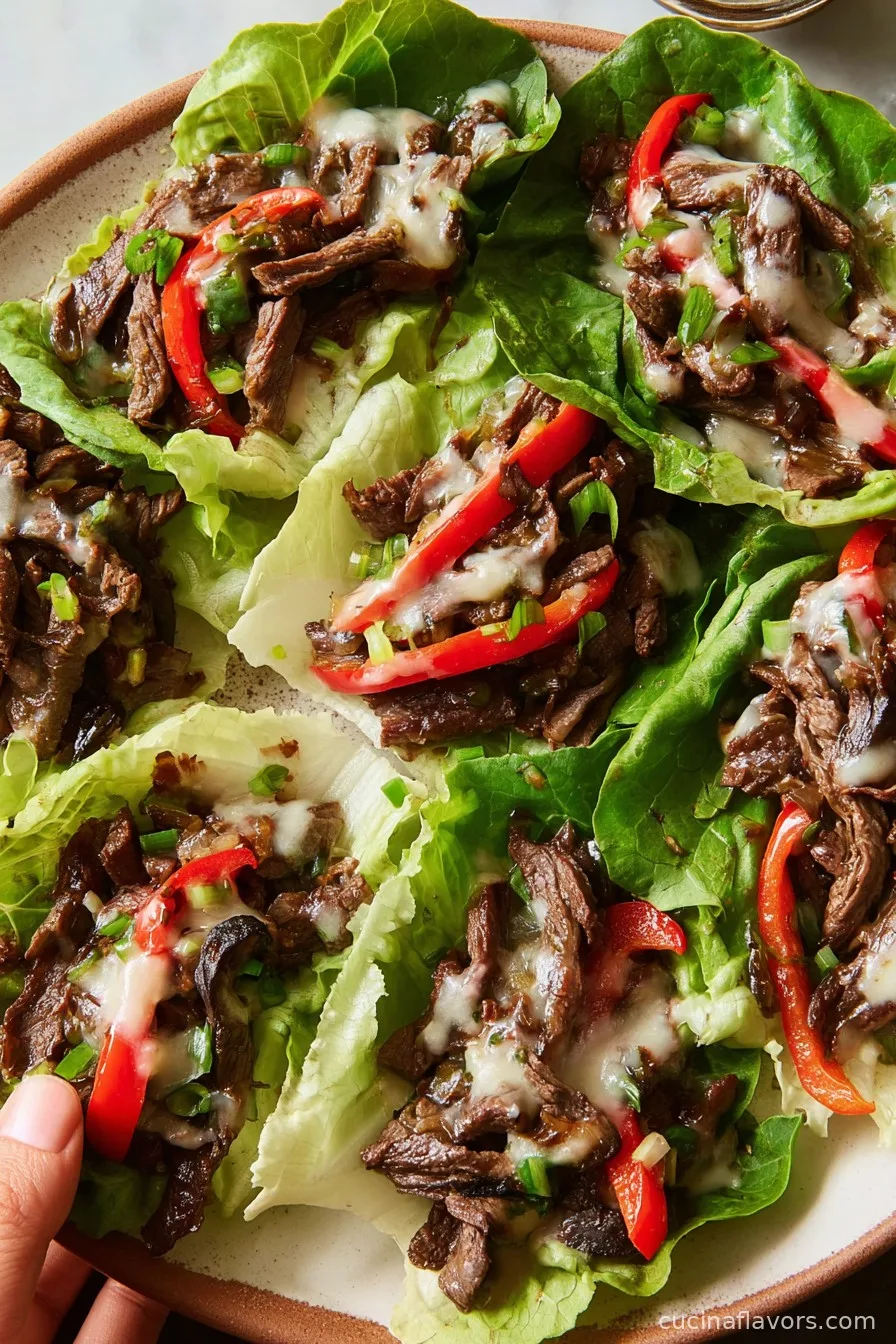
Traditional Philly cheesesteaks are beloved for their savory combination of thinly sliced beef, sautéed onions and peppers, and gooey melted cheese, all packed in a soft hoagie roll.
However, with the rising popularity of low-carb and keto-friendly dishes, more people are looking for innovative ways to enjoy their favorite comfort foods with fewer carbs and more nutritious ingredients.
That's where Philly Cheesesteak Lettuce Wraps come in, delivering all the classic flavors in a fresh, crisp lettuce leaf instead of bread.
This adaptation preserves the iconic taste of juicy beef, sweet peppers, and melted cheese while making the dish more suitable for those pursuing healthier eating habits or specific dietary plans. It’s also a fantastic gluten-free alternative, perfect for those with gluten sensitivities.
The origin of the Philly cheesesteak dates back to early 20th century Philadelphia, where it quickly became a culinary staple. This lettuce wrap version pays homage to the iconic sandwich while fitting neatly into today’s healthy eating trends.
Whether you’re seeking a satisfying lunch, a light dinner, or a party appetizer, Philly Cheesesteak Lettuce Wraps offer a balanced and flavorful meal that’s quick to prepare and sure to please a wide range of palates.
Ingredients
- 1 pound ribeye steak, thinly sliced
- 1 tablespoon olive oil
- 1 medium onion, sliced
- 1 green bell pepper, sliced
- 1 red bell pepper, sliced
- 1 clove garlic, minced
- 1 teaspoon Worcestershire sauce
- Salt and black pepper, to taste
- 6-8 large lettuce leaves (romaine, iceberg, or butter lettuce)
- 6 slices provolone cheese or American cheese
- Optional: mushrooms, sautéed
- Optional: hot sauce or creamy horseradish, for serving
Instructions
- Place the ribeye steak in the freezer for 20-30 minutes for easier slicing, then cut it into very thin strips.
- Heat olive oil in a large skillet over medium-high heat. Add the sliced onions and bell peppers. Sauté until soft and slightly caramelized, about 5-7 minutes.
- Stir in the minced garlic and optionally add sliced mushrooms. Cook for an additional 1-2 minutes until fragrant.
- Push the vegetables to the side of the skillet. Add the thinly sliced steak to the open side and cook, stirring frequently, just until browned, about 2-3 minutes.
- Drizzle the Worcestershire sauce over the steak and vegetables. Season with salt and black pepper to taste. Mix everything together well.
- Lay the provolone cheese slices over the steak and vegetables. Allow the cheese to melt, then gently stir to combine.
- Remove the skillet from heat. Lay out the washed and dried lettuce leaves on a serving platter.
- Spoon the cheesesteak mixture into each lettuce leaf, dividing evenly.
- Serve immediately while hot, optionally drizzling with hot sauce or creamy horseradish.
Nutritional Information
Philly Cheesesteak Lettuce Wraps are not only delicious but also a nutritional powerhouse compared to their traditional sandwich counterparts. By swapping out the classic hoagie roll for crisp lettuce, you drastically reduce the carbohydrate content, making this meal both keto- and paleo-friendly.
A single serving, typically two loaded lettuce wraps, contains roughly 250-320 calories, 18-24 grams of protein from the tender beef, and only 5-8 grams of net carbs, thanks mostly to the bell peppers and onions.
The fat content will vary based on the cheese used and the steak cut, but expect approximately 15-18 grams of healthy fats per serving, which helps keep you full longer.
With the added nutrients from fresh vegetables and the virtue of being gluten-free, this meal provides vitamin C, vitamin A, iron, and potassium. The use of olive oil offers heart-healthy monounsaturated fats, while the natural protein content aids muscle health and satiety.
Since the recipe is highly customizable, you can further lighten the dish by using leaner cuts of beef or a reduced-fat cheese, or boost fiber by including extra vegetables. Philly Cheesesteak Lettuce Wraps make it easy to enjoy comfort food while supporting balanced nutrition for a range of dietary needs.
Wine and Beverage Pairings
Philly Cheesesteak Lettuce Wraps pair beautifully with a variety of refreshing beverages. For an adult pairing, try a medium-bodied red wine like Merlot or Zinfandel whose fruit-forward notes complement the flavors of beef and cheese.
For those who prefer beer, a crisp lager or a light pale ale helps cleanse the palate between bites. If you prefer non-alcoholic options, consider sparkling water with lime or a chilled unsweetened iced tea to add a refreshing citrusy balance.
A tangy lemonade can also cut through the richness, making each bite of your Philly Cheesesteak Lettuce Wraps taste fresh and satisfying.
Cooking Tips and Variations
For the juiciest Philly Cheesesteak Lettuce Wraps, start with good-quality ribeye steak and slice it as thin as possible. Freezing the steak briefly helps achieve paper-thin slices that cook quickly and remain tender.
If ribeye is unavailable, sirloin or flank steak are suitable substitutes but ensure not to overcook them, as they can become tough. When sautéing the vegetables, allow them to develop some caramelization for sweeter, deeper flavor.
For a bolder taste, add a splash of balsamic vinegar or a sprinkle of smoked paprika during the cooking process. Cheese selection is also key—provolone provides classic creaminess, but Swiss, mozzarella, or a blend of cheeses can add excitement.
Those who prefer a spicier kick can incorporate jalapeños or use pepper jack cheese. To cut down on fat, opt for part-skim cheese or trim excess fat from the steak. The choice of lettuce is important for structure; romaine, iceberg, or butter lettuce offer sufficient strength to hold the fillings.
For meal prep, store the cooked filling and lettuce separately, assembling just before serving to keep the wraps crisp. Finally, topping your Philly Cheesesteak Lettuce Wraps with a light drizzle of hot sauce, horseradish, or mustard adds a flavorful finish.

Serving Suggestions
Philly Cheesesteak Lettuce Wraps are incredibly versatile and work well as a main course, appetizer, or even a satisfying snack for gatherings. Arrange the cooked filling next to a platter lined with crisp, chilled lettuce leaves, and allow everyone to assemble their own wraps for a fun, interactive dining experience.
You can serve these wraps alongside a simple side salad of mixed greens, cherry tomatoes, and cucumbers for added freshness. For a heartier meal, consider pairing with roasted vegetables, baked sweet potato fries, or a light vegetable soup.
To balance the savory richness of the beef and cheese, fresh fruit such as sliced apples or grapes offer a touch of natural sweetness. Philly Cheesesteak Lettuce Wraps also make a perfect party appetizer when cut into smaller, bite-sized portions and secured with toothpicks.
Their low-carb nature makes them suitable for a variety of diets, ensuring that everyone at your table can enjoy them. If you're meal-prepping, assemble wraps just before eating to maintain maximum crunch and flavor.
Use a variety of dipping sauces like spicy mustard, creamy horseradish, or a tangy yogurt sauce for extra taste. Philly Cheesesteak Lettuce Wraps easily adapt to any occasion—from casual family dinners to festive gatherings and lunchboxes—ensuring you’ll return to this recipe time and again for its crowd-pleasing appeal.
Health Benefits
Philly Cheesesteak Lettuce Wraps offer several health benefits that make them a smart choice for anyone focused on nutritious eating. Omitting the bread drastically reduces the carbohydrate content, making it an excellent meal for those on low-carb, keto, or paleo diets.
Lean beef is a great source of high-quality protein, which is essential for building and repairing tissues, supporting a strong immune system, and maintaining muscle mass.
The inclusion of bell peppers and onions not only adds sweetness and crunch, but also boosts the intake of vitamins A and C, antioxidants that help protect against cellular damage. Romaine or butter lettuce provides hydration and additional fiber to aid digestion and boost satiety.
By using heart-healthy olive oil instead of butter or other animal fats, you add beneficial unsaturated fats. Moreover, the meal’s naturally gluten-free profile makes it suitable for those with celiac disease or gluten sensitivities.
Swapping in reduced-fat cheese or extra vegetables can further lighten the meal and increase its micronutrient value. In all, Philly Cheesesteak Lettuce Wraps combine classic comfort with a thoughtful, balanced approach to health.
Frequently Asked Questions
Yes, you can prepare the steak and vegetable filling in advance and store it in the refrigerator for up to three days. For best results, store the lettuce leaves separately and assemble the wraps right before serving to keep them fresh and crisp.
Romaine, iceberg, or butter lettuce are best, as their leaves are sturdy enough to hold the hot filling without tearing, while offering a fresh and crisp base.
Absolutely! Cooked chicken breast, thinly sliced pork, or even portobello mushrooms for a vegetarian option work well and provide different flavor profiles while maintaining the essence of Philly Cheesesteak Lettuce Wraps.
Provolone is most traditional, but American cheese, Swiss, mozzarella, or even a sharp cheddar can also be used depending on your taste preference.
Yes, simply keep the filling and lettuce leaves separate until you’re ready to eat. This helps maintain the crunch and prevents sogginess.
Philly Cheesesteak Lettuce Wraps take everything you love about the original Philly cheesesteak—the tender beef, sautéed onions and peppers, and delicious melting cheese—and present it in a fresh, healthy format that fits seamlessly into a variety of modern diets. By forgoing the traditional bread, you enjoy all the satisfaction of a comfort-food classic without the extra carbs or gluten. This recipe is easy to customize, simple to prepare, and packed with flavor, making it a must-try for quick weeknight dinners, crowd-pleasing appetizers, or meal-prepped lunches. Whether you are seeking a lighter take on a classic, accommodating specific dietary needs, or simply craving something new, Philly Cheesesteak Lettuce Wraps deliver robust taste and nutritional value every time. Give this innovative recipe a try and experience the best of both flavor and wellness.
Ingredients
- 1 pound ribeye steak, thinly sliced
- 1 tablespoon olive oil
- 1 medium onion, sliced
- 1 green bell pepper, sliced
- 1 red bell pepper, sliced
- 1 clove garlic, minced
- 1 teaspoon Worcestershire sauce
- Salt and black pepper, to taste
- 6-8 large lettuce leaves (romaine, iceberg, or butter lettuce)
- 6 slices provolone cheese or American cheese
- Optional: mushrooms, sautéed
- Optional: hot sauce or creamy horseradish, for serving
Instructions
-
1Place the ribeye steak in the freezer for 20-30 minutes for easier slicing, then cut it into very thin strips.
-
2Heat olive oil in a large skillet over medium-high heat. Add the sliced onions and bell peppers. Sauté until soft and slightly caramelized, about 5-7 minutes.
-
3Stir in the minced garlic and optionally add sliced mushrooms. Cook for an additional 1-2 minutes until fragrant.
-
4Push the vegetables to the side of the skillet. Add the thinly sliced steak to the open side and cook, stirring frequently, just until browned, about 2-3 minutes.
-
5Drizzle the Worcestershire sauce over the steak and vegetables. Season with salt and black pepper to taste. Mix everything together well.
-
6Lay the provolone cheese slices over the steak and vegetables. Allow the cheese to melt, then gently stir to combine.
-
7Remove the skillet from heat. Lay out the washed and dried lettuce leaves on a serving platter.
-
8Spoon the cheesesteak mixture into each lettuce leaf, dividing evenly.
-
9Serve immediately while hot, optionally drizzling with hot sauce or creamy horseradish.
Approximate Information for One Serving
Nutrition Disclaimers
Number of total servings shown is approximate. Actual number of servings will depend on your preferred portion sizes.
Nutritional values shown are general guidelines and reflect information for 1 serving using the ingredients listed, not including any optional ingredients. Actual macros may vary slightly depending on specific brands and types of ingredients used.
To determine the weight of one serving, prepare the recipe as instructed. Weigh the finished recipe, then divide the weight of the finished recipe (not including the weight of the container the food is in) by the desired number of servings. Result will be the weight of one serving.
Did you make this recipe?
Please consider Pinning it!

Leave a Reply