
Peanut Chicken Protein Bowls have become a favorite for health-conscious home cooks and fitness enthusiasts alike. As the demand for convenient yet nutritious meals continues to grow, this recipe stands out for its easy preparation, balanced macro profile, and bold, international flavors.
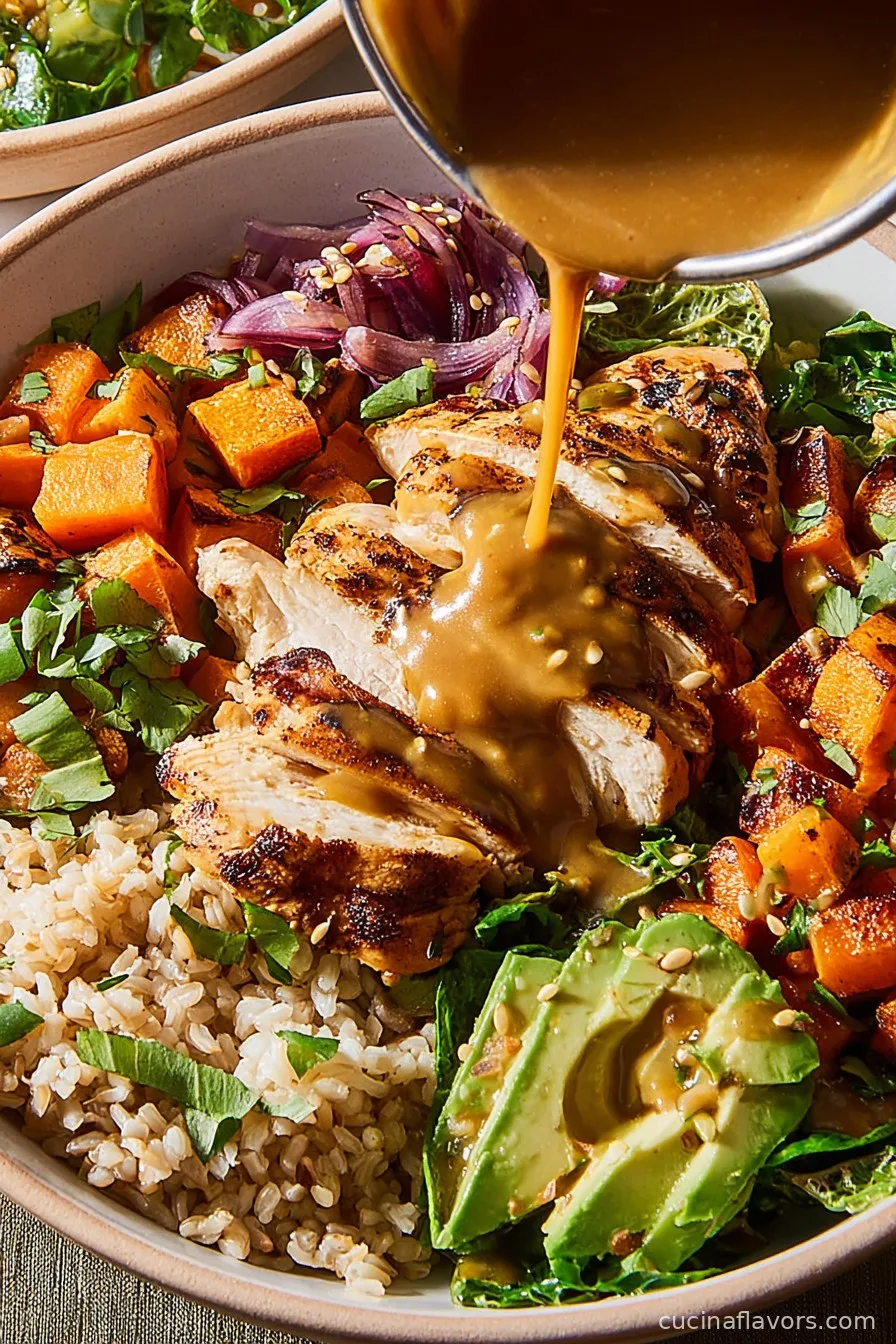
Rooted in Southeast Asian cuisine, particularly Thai-inspired culinary traditions, the peanut chicken combination delivers a satisfying mix of creamy, nutty, and savory notes.
Paired with a colorful array of crunchy vegetables, wholesome grains, and a punchy homemade peanut sauce, these bowls hit all the right notes for both weekday meal prepping and impressive dinner hosting.
The concept of protein bowls—sometimes called Buddha bowls or power bowls—emerged from the desire to combine everything needed for a balanced meal into one easy, portable dish.
With lean, marinated chicken breast as the protein centerpiece, a silky peanut dressing, and nutrient-dense toppings, Peanut Chicken Protein Bowls offer variety, texture, and vibrant color in every bite. They’re ideal for meal preppers, busy families, athletes, or anyone looking to fuel their body with clean, delicious energy.
Loaded with healthy fats, fiber, and micronutrients, they also accommodate a wide range of dietary preferences. Fresh, customizable, and incredibly satisfying, Peanut Chicken Protein Bowls are more than a trend—they’re a lifestyle meal that empowers you to eat well, wherever your day takes you.
Ingredients
- 2 large boneless, skinless chicken breasts (about 1 lb)
- ¼ cup natural creamy peanut butter
- 2 tablespoons low-sodium soy sauce
- 2 tablespoons fresh lime juice
- 1 tablespoon rice vinegar
- 1 tablespoon honey or maple syrup
- 2 teaspoons sesame oil
- 2 cloves garlic, minced
- 1 teaspoon freshly grated ginger
- ½ teaspoon red pepper flakes (optional)
- 2 cups cooked brown rice or quinoa
- 1 large carrot, peeled and julienned
- 1 red bell pepper, thinly sliced
- 1 cup shredded purple cabbage
- ½ English cucumber, thinly sliced
- ¼ cup chopped fresh cilantro
- ¼ cup chopped dry roasted peanuts
- 2 green onions, thinly sliced
- Salt and pepper to taste
- Cooking spray or 1 tablespoon olive oil
Instructions
- Start by preparing the peanut sauce: Whisk together the peanut butter, soy sauce, lime juice, rice vinegar, honey or maple syrup, sesame oil, minced garlic, grated ginger, and red pepper flakes in a medium bowl until smooth. Reserve half the sauce for serving.
- Marinate the chicken: Place the chicken breasts in a shallow dish or zip-top bag. Add half of the peanut sauce, making sure to coat the chicken thoroughly. Cover and marinate for at least 30 minutes (or up to overnight in the refrigerator).
- Cook the chicken: Heat a grill pan, skillet, or grill over medium-high heat. Spray with cooking spray or add olive oil. Remove the chicken from marinade, letting excess drip off. Grill or sear the chicken breasts for 5-7 minutes per side, or until fully cooked (internal temperature should reach 165°F/74°C). Let them rest for 5 minutes before slicing.
- Prepare the grains: While the chicken cooks, prepare your brown rice or quinoa according to package instructions, and divide evenly among serving bowls.
- Assemble the bowls: Arrange the sliced chicken over the rice or quinoa bases. Add sections of carrots, red bell pepper, shredded cabbage, and cucumber to each bowl for color and crunch.
- Drizzle with reserved peanut sauce and scatter chopped cilantro, peanuts, and green onions over each bowl.
- Season with additional salt, pepper, or a squeeze of lime to taste, and serve immediately or pack for later enjoyment.
Nutritional Information
A single serving of Peanut Chicken Protein Bowls provides an impressive array of macronutrients and micronutrients, making it an excellent choice for a healthy, balanced meal. Each bowl offers roughly 450-550 calories, depending on the portion size and ingredient swaps used.
The dish is rich in lean protein from the chicken breast, offering about 35-40 grams per serving. This high protein content supports muscle repair and satiety, making the bowls ideal for active individuals or those looking to manage their appetite.
Complex carbohydrates from brown rice or quinoa fuel your energy needs and offer sustained release thanks to their fiber content, helping to regulate blood sugar levels. The peanut butter, peanuts, and sesame oil contribute heart-healthy unsaturated fats, which are essential for long-lasting fullness and nutrient absorption.
The array of colorful vegetables—carrot, cabbage, bell pepper, and cucumber—deliver a range of vitamins, minerals, and antioxidants such as vitamin C, vitamin A, and potassium. The fiber from both the vegetables and the grains further boosts digestive health, lowers cholesterol, and promotes a healthy gut microbiome.
Sodium is kept moderate by using low-sodium soy sauce and balancing flavors with natural acids like lime and vinegar. For even lower sodium, consider reducing the soy sauce or replacing with coconut aminos.
Overall, Peanut Chicken Protein Bowls provide a complete meal that covers protein, whole grains, healthy fats, fiber, and a broad spectrum of micronutrients in each serving.
Wine and Beverage Pairings
Pairing beverages with Peanut Chicken Protein Bowls can enhance the meal’s flavors. For a non-alcoholic option, chilled green tea or cucumber-infused water make refreshing pairings that balance the richness of the peanut sauce. If you prefer wine, opt for a vibrant Sauvignon Blanc or a dry Riesling.
Both wines offer acidity and fruitiness that cut through the creamy, nutty flavors while complementing the subtle heat from the dish. For beer enthusiasts, a crisp, light lager or a wheat ale work beautifully.
If you’d like an Asian twist, try serving iced Thai tea (unsweetened or lightly sweetened) or a sparkling water with a splash of lime. These selections elevate the dining experience and cleanse the palate between bites.
Cooking Tips and Variations
To make your Peanut Chicken Protein Bowls truly shine, there are plenty of ways to personalize and optimize the recipe. For those short on time, use pre-cooked rotisserie chicken or meal-prep chicken breast to speed up assembly.
If you prefer plant-based options, swap the chicken for cubed tofu or tempeh and marinate just as you would the chicken to soak up all the delicious peanut flavors. For a lower-carb version, try a base of cauliflower rice or extra mixed greens.
Make the peanut sauce ahead of time and store in an airtight container; it keeps well in the refrigerator for up to a week, making it perfect for quick meal assembly. Feel free to add variety with extra toppings such as edamame, avocado slices, or sesame seeds.
Roasted or steamed broccoli, snap peas, or shelled edamame are fantastic additions that add more bulk and nutrients. If you like your bowls spicy, increase the amount of red pepper flakes or squirt on your favorite chili-garlic sauce.
For a crunchier texture, toast the chopped peanuts lightly in a dry pan before adding as a topping. Each element can be adjusted to suit different dietary needs or flavor preferences, such as using gluten-free tamari in place of soy sauce for gluten intolerance.
The bowl style presentation also makes it easy to serve a crowd, as guests can customize their own bowls. Whatever twists you choose, Peanut Chicken Protein Bowls are as versatile as they are delicious.

Serving Suggestions
Peanut Chicken Protein Bowls are incredibly versatile when it comes to serving. They work equally well as a freshly prepared dinner centerpiece, a packable lunch for work or school, or an easy meal prep solution for busy weeks.
For a family-style presentation, arrange the cooked chicken, grains, vegetables, and toppings in separate bowls and let everyone build their own custom bowl at the table. This is great for picky eaters and allows for maximum flexibility with dietary preferences.
If you’re prepping for grab-and-go lunches, assemble the bowls in advance in airtight meal prep containers; keep the reserved peanut sauce separate to drizzle just before eating to maintain texture and flavor.
For gatherings or potlucks, serve the bowls buffet-style with a variety of topping options such as roasted chickpeas, extra herbs, or lime wedges for added zing. Garnish each bowl with extra peanuts and a sprinkle of sesame seeds just before serving for a polished, restaurant-quality look.
For added freshness, serve alongside a simple salad or steamed vegetables. The colors and textures in Peanut Chicken Protein Bowls make them visually appealing and satisfying no matter the occasion, and their balanced nutrition ensures everyone enjoys a hearty, wholesome meal.
Health Benefits
Peanut Chicken Protein Bowls deliver multiple health benefits thanks to their well-balanced mix of lean protein, vegetables, and healthy fats. Lean chicken breast supports muscle development and cellular repair while keeping saturated fat intake in check.
The fiber-rich vegetables and whole grains not only improve digestion but help regulate blood sugar and cholesterol levels, thereby supporting heart health. Healthy fats originating from peanuts and sesame oil are known to promote brain function and aid in the absorption of fat-soluble vitamins A, D, E, and K.
The abundance of antioxidants from the brightly colored vegetables helps to reduce inflammation and may lower the risk of chronic diseases. Furthermore, the homemade peanut sauce allows for full control over sodium and sugar content, making it a healthier alternative to many store-bought dressings.
For those mindful of allergens, using sunflower seed butter instead of peanut butter makes the recipe nut-free. With their satisfying satiety factor and thoughtful nutritional profile, Peanut Chicken Protein Bowls can aid in weight management, support athletic performance, and contribute to overall long-term health.
Frequently Asked Questions
Yes, Peanut Chicken Protein Bowls are perfect for meal prep. You can prepare all the components in advance and assemble the bowls when ready to eat. Store the peanut sauce separately to preserve freshness and texture.
Swap the chicken for tofu or tempeh, and use maple syrup instead of honey to make the recipe fully vegan. The marinating and cooking directions remain the same for tofu, ensuring plenty of flavor in every bite.
Absolutely. Substitute peanut butter with sunflower seed butter or soy nut butter for a nut-free alternative. Use allergy-friendly toppings such as toasted pumpkin seeds instead of peanuts.
Feel free to try quinoa, farro, barley, or cauliflower rice for a low-carb, grain-free option. Each adds a unique texture and nutritional profile to the bowls.
Keep the components in airtight containers in the refrigerator. For best results, reheat the chicken and grains in the microwave, then add fresh veggies and sauce before serving.
Peanut Chicken Protein Bowls are a culinary celebration of flavor, texture, and nutrition in every bite. Whether you’re putting together a quick weekday lunch, prepping meals ahead for your busy schedule, or delighting friends and family with a delicious, crowd-pleasing dinner, this recipe is sure to become a staple. With endless variations and the opportunity to customize for dietary needs, Peanut Chicken Protein Bowls offer flexibility and satisfaction without compromise. Each bowl packs in lean protein, fiber-rich vegetables, whole grains, healthy fats, and a rainbow of nutrients, making it a delicious and wholesome choice for anyone pursuing a healthy lifestyle. Embrace the world of protein bowls and discover how easy and enjoyable healthy eating can be.
Ingredients
- 2 large boneless, skinless chicken breasts (about 1 lb)
- ¼ cup natural creamy peanut butter
- 2 tablespoons low-sodium soy sauce
- 2 tablespoons fresh lime juice
- 1 tablespoon rice vinegar
- 1 tablespoon honey or maple syrup
- 2 teaspoons sesame oil
- 2 cloves garlic, minced
- 1 teaspoon freshly grated ginger
- ½ teaspoon red pepper flakes (optional)
- 2 cups cooked brown rice or quinoa
- 1 large carrot, peeled and julienned
- 1 red bell pepper, thinly sliced
- 1 cup shredded purple cabbage
- ½ English cucumber, thinly sliced
- ¼ cup chopped fresh cilantro
- ¼ cup chopped dry roasted peanuts
- 2 green onions, thinly sliced
- Salt and pepper to taste
- Cooking spray or 1 tablespoon olive oil
Instructions
-
1Start by preparing the peanut sauce: Whisk together the peanut butter, soy sauce, lime juice, rice vinegar, honey or maple syrup, sesame oil, minced garlic, grated ginger, and red pepper flakes in a medium bowl until smooth. Reserve half the sauce for serving.
-
2Marinate the chicken: Place the chicken breasts in a shallow dish or zip-top bag. Add half of the peanut sauce, making sure to coat the chicken thoroughly. Cover and marinate for at least 30 minutes (or up to overnight in the refrigerator).
-
3Cook the chicken: Heat a grill pan, skillet, or grill over medium-high heat. Spray with cooking spray or add olive oil. Remove the chicken from marinade, letting excess drip off. Grill or sear the chicken breasts for 5-7 minutes per side, or until fully cooked (internal temperature should reach 165°F/74°C). Let them rest for 5 minutes before slicing.
-
4Prepare the grains: While the chicken cooks, prepare your brown rice or quinoa according to package instructions, and divide evenly among serving bowls.
-
5Assemble the bowls: Arrange the sliced chicken over the rice or quinoa bases. Add sections of carrots, red bell pepper, shredded cabbage, and cucumber to each bowl for color and crunch.
-
6Drizzle with reserved peanut sauce and scatter chopped cilantro, peanuts, and green onions over each bowl.
-
7Season with additional salt, pepper, or a squeeze of lime to taste, and serve immediately or pack for later enjoyment.
Approximate Information for One Serving
Nutrition Disclaimers
Number of total servings shown is approximate. Actual number of servings will depend on your preferred portion sizes.
Nutritional values shown are general guidelines and reflect information for 1 serving using the ingredients listed, not including any optional ingredients. Actual macros may vary slightly depending on specific brands and types of ingredients used.
To determine the weight of one serving, prepare the recipe as instructed. Weigh the finished recipe, then divide the weight of the finished recipe (not including the weight of the container the food is in) by the desired number of servings. Result will be the weight of one serving.
Did you make this recipe?
Please consider Pinning it!
Leave a Reply